

More news on this day
Vietnam Airlines has begun cutting 23 domestic flights from its schedule as Vietnam confronts a looming jet fuel shortage, raising concerns over crowding, disrupted itineraries and the prospect of rising airfares for both local travelers and international tourists.
Get the latest news straight to your inbox!
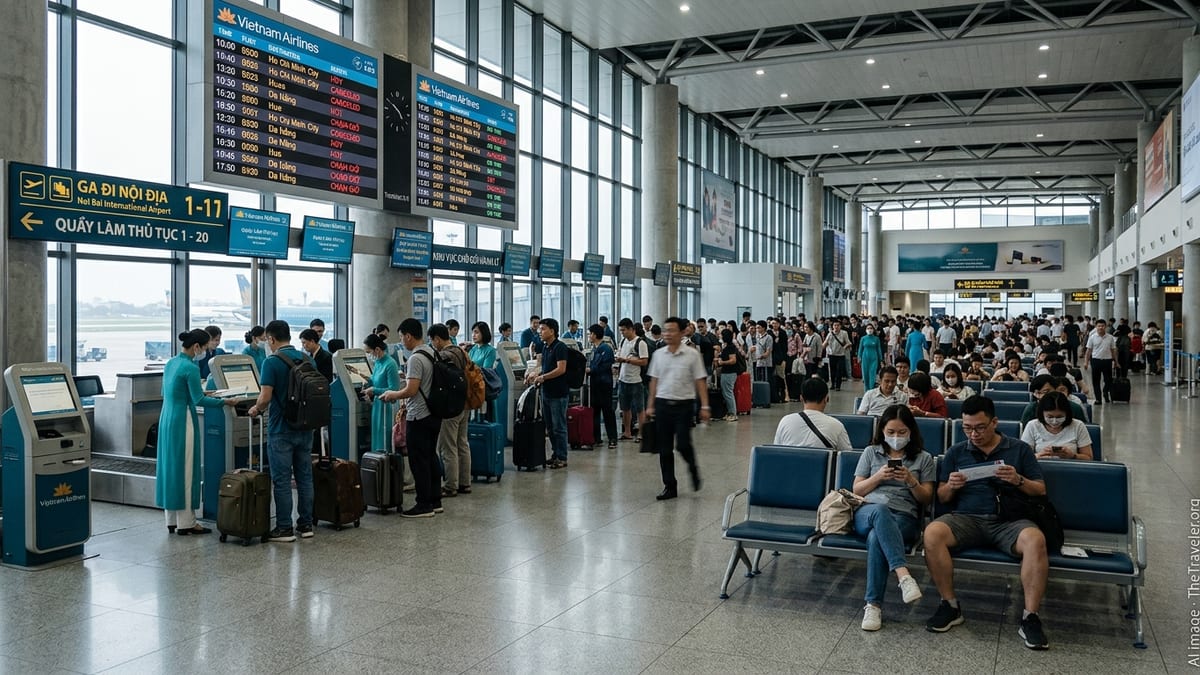
Jet Fuel Supply Shock Reaches Vietnam’s Skies
Vietnam’s aviation sector is entering a period of instability as the global jet fuel market tightens and key regional suppliers pull back. Publicly available information shows that Vietnam relies heavily on imported jet fuel, with a substantial share sourced from neighboring countries. Recent trade restrictions and shifting energy flows have sharpened fears of a domestic supply crunch just as travel demand remains strong.
According to recent coverage of government and industry briefings, aviation regulators have warned that there are credible risks of jet fuel shortages for Vietnamese carriers from early April and in the following months. Airlines have been instructed to reassess flight schedules, prioritize fuel-efficient operations and prepare aircraft for possible extended ground time at airports if cuts become unavoidable.
Vietnam Airlines’ decision to remove 23 domestic flights from its network must be read against this backdrop. While the overall number is small compared with the hundreds of daily departures across the country, the move signals that carriers are already acting to preserve fuel and protect their most commercially critical routes.
The timing is delicate. Domestic aviation had been in a gradual recovery phase after the pandemic and subsequent aircraft shortages, helped by relatively stable global fuel prices. The sudden prospect of constrained jet fuel supply risks reversing some of that progress and forces operators to weigh capacity cuts against the need to keep the country’s tourism and business corridors flowing.
Which Routes Are Most at Risk?
Vietnam Airlines has not publicly detailed each specific flight removed from sale, but patterns in recent scheduling changes point to a strategy focused on trimming frequency rather than abandoning entire city pairs. Industry data and booking platform information indicate that reductions are concentrated on secondary domestic routes and off-peak frequencies on popular corridors, rather than core trunk flights.
Historically busy routes such as Hanoi to Ho Chi Minh City and Hanoi to Da Nang continue to see strong travel demand and are likely to be protected as much as possible. Reports from travelers and online booking searches suggest that while some departure times have disappeared from schedules, key morning and evening services on these major routes remain intact, reflecting their importance for both domestic business travel and international tourist itineraries.
Less frequented connections, including smaller provincial airports and mid-day or late-night flights, appear more vulnerable. Publicly available commentary from market analysts suggests that airlines may initially consolidate passengers onto fewer departures per day rather than cancel entire routes outright. This allows carriers to maintain network breadth while cutting fuel use and operating costs.
For tourists planning multi-stop itineraries, the practical effect may be fewer choices of departure times and busier flights, particularly around weekends and regional holidays. Travellers with fixed dates or tight connections may find it harder to secure the exact timing they prefer, especially on shorter domestic legs used to link beach destinations, highland towns and major gateways.
Are Fares About to Climb for Tourists?
The central question for many visitors is whether domestic airfares will rise sharply as the fuel situation worsens. Aviation is extremely sensitive to fuel costs, and reports from local financial and economic research firms show that jet fuel typically accounts for a significant share of Vietnamese carriers’ operating expenses. When supply tightens or prices jump, airlines have limited room to absorb the shock.
Recent analysis of policy discussions indicates that regulators are considering a more flexible approach to ticket pricing, including allowing airlines to add fuel-linked surcharges on domestic routes when Jet A1 prices swing sharply. Proposals cited in market research summaries include a variable surcharge mechanism designed to track fuel cost movements, which would effectively pass some of the burden directly onto passengers.
At the same time, industry forecasts prepared before the latest supply concerns pointed to relatively stable or even moderating jet fuel prices over 2025 and 2026, supporting more competitive fares. The new disruption complicates that outlook. If Vietnam struggles to secure sufficient fuel at reasonable prices, especially during peak travel months, airlines may feel compelled to raise base fares, add surcharges or reduce promotional sales in order to safeguard margins.
For now, published fares on major domestic routes remain mixed, with some travelers reporting that traditional full-service carriers can still undercut low-cost rivals on certain dates. However, as schedules tighten and flights fill up, the cheapest inventory is likely to disappear first. Tourists relying on last-minute deals between Hanoi, Ho Chi Minh City, Da Nang and popular coastal destinations may find fewer bargains in the months ahead.
How the Cuts Could Reshape Vietnam Travel Plans
Even modest reductions in daily flights can ripple through Vietnam’s tourism ecosystem. Many international visitors treat domestic flights as essential links between urban cultural hubs, beach resorts, heritage towns and island getaways. With Vietnam Airlines cutting 23 domestic flights and other carriers reviewing capacity, itineraries that once looked simple may require more careful planning.
Travel forums and recent trip reports highlight growing anxiety among visitors with internal journeys booked for April and beyond. Some have already received notifications of schedule changes or cancellations on both domestic and international sectors. While reports indicate that major corridors are still operating, there is a sense that secondary destinations could see more frequent timetable adjustments.
Travel advisers and experienced visitors are increasingly recommending built-in flexibility. That can mean allowing longer layovers between international arrivals and onward domestic flights, avoiding tight same-day connections, and considering alternative transport options such as high-speed trains or overnight buses on heavily traveled routes where aviation capacity might be constrained.
For destinations that rely heavily on air access, such as island resorts and remote highland airports with limited road or rail alternatives, the uncertainty is more acute. Hoteliers and tour operators may need to prepare for last-minute changes from guests who face rescheduled flights or choose to alter their plans altogether in response to perceived instability in the domestic aviation network.
What Travelers Can Do Now
With Vietnam on many travelers’ shortlists for 2026 and beyond, the evolving jet fuel situation calls for pragmatic planning rather than panic. Publicly available information from aviation authorities and economic research houses suggests that regulators are weighing support measures such as temporary tax relief on aviation fuel, runway and navigation fee reductions, and greater flexibility in fare regulation to help airlines weather the storm.
For passengers, the most immediate steps involve monitoring bookings closely and booking early for high-demand periods. Travelers are being advised in public travel discussions and guide channels to confirm domestic segments directly on airline websites, sign up for schedule change alerts, and keep a close eye on email or app notifications in the weeks before departure.
Budgeting for potentially higher fares is also prudent. Even if broad-based fuel surcharges are not immediately implemented, constrained capacity and full flights can push average prices higher. Tourists planning multi-city trips might consider prioritizing essential domestic legs by air while shifting some segments to rail or road journeys, which can double as scenic experiences through Vietnam’s countryside.
Ultimately, Vietnam’s appeal as a destination remains strong, and its aviation sector has shown resilience through earlier shocks, from the pandemic to global fuel price swings. However, the decision by Vietnam Airlines to cut 23 domestic flights, combined with warnings about looming jet fuel shortages, marks a new test for the country’s connectivity. Travelers who approach the coming months with flexibility, early planning and realistic expectations about prices and schedules are likely to navigate the turbulence most successfully.