

More news on this day
Vietnam Airlines is accelerating its push into the Indian market through a series of high-profile tourism events and cooperation agreements designed to turn India into one of Vietnam’s most important source markets for visitors in the second half of the decade.
Get the latest news straight to your inbox!
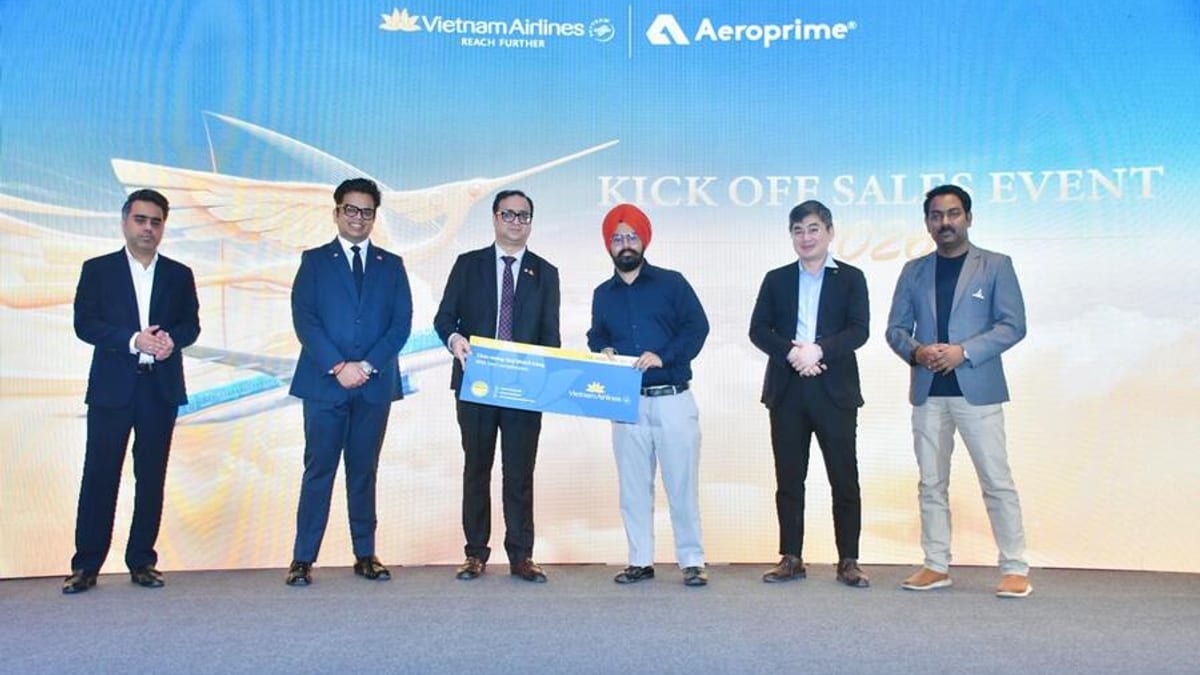
Image by Latest International / Global Travel News, Breaking World Travel News
Strategic Push to Capture a Fast-Growing Market
Publicly available information shows that Vietnam Airlines has been steadily building its presence in India since launching direct services from Hanoi and Ho Chi Minh City to New Delhi in 2022, followed by routes to Mumbai in 2023. Industry analysis indicates that the carrier and its partners now operate dozens of weekly flights connecting major Indian cities with key Vietnamese gateways, giving the airline a stronger platform to promote two-way tourism and business travel between the two countries.
Market data from tourism authorities and airline reports suggests that India has quickly moved into the group of leading markets for Vietnam, with Indian visitor numbers rebounding as travel restrictions eased and flight capacity increased. The combination of a young, outbound-oriented Indian middle class and Vietnam’s expanded air links, relaxed visa policy and competitive pricing has positioned the route network as a central pillar of Vietnam Airlines’ international growth strategy.
Analysts note that this expansion aligns with the broader Comprehensive Strategic Partnership between Vietnam and India, which places emphasis on trade, investment, cultural exchange and connectivity. Aviation is widely viewed as a key enabler of these goals, helping to distribute visitors and spending beyond the main hubs to emerging provincial destinations.
Key Tourism Event Showcases Vietnam in New Delhi
According to published coverage from Vietnamese and Indian tourism outlets, Vietnam Airlines and several major Vietnamese travel and hospitality groups staged a prominent tourism promotion event in New Delhi that brought together airlines, tour operators, hotel brands and destination representatives from both countries. The gathering focused on presenting Vietnam’s beaches, cultural cities and nature-based experiences to leading Indian travel planners and media.
At the event, Vietnam Airlines highlighted its growing schedule between India and Vietnam, promoting multi-city itineraries that combine Hanoi, Ho Chi Minh City and Da Nang with popular resort areas such as Phu Quoc and Nha Trang. Representatives from Vietnamese destinations used the forum to introduce new products tailored to Indian travelers, including family-oriented packages, wedding and honeymoon programs, and short-break city tours linked to direct flights.
Tourism officials and industry speakers at the New Delhi program emphasized themes such as simplified e-visa procedures for Indian passport holders, improved connectivity between airports and tourist areas, and the availability of vegetarian and Indian cuisine options in major Vietnamese cities. The messaging was aimed at addressing common concerns among first-time Indian visitors while positioning Vietnam as an accessible and culturally friendly choice in Southeast Asia.
MoU Signings Cement Long-Term Cooperation
Public reports indicate that the New Delhi event also served as a platform for a series of memorandum of understanding signings designed to formalize cooperation between Vietnam Airlines and Indian travel partners. One of the most notable agreements involved a collaboration with an Indian tourism marketing and representation firm focused on expanding the airline’s brand presence across major Indian cities and secondary markets.
Under the terms described in published summaries, the MoUs cover joint marketing campaigns, co-branded roadshows, familiarization trips for Indian travel agents and media, and coordinated product development to create Vietnam-focused tour packages for the Indian market. The partners are also expected to work together on data sharing and market research to better understand evolving travel preferences among Indian customers.
In parallel, Vietnam Airlines has been signing cooperation deals within Vietnam with provincial authorities responsible for tourism, trade and investment promotion. These agreements, which span periods up to 2030 in some cases, generally commit the airline and local governments to coordinate on route development, destination marketing and participation in international tourism fairs, with India identified as one of the priority markets.
Strengthening Two-Way Tourism and Investment Flows
Available information from tourism promotion programs between the two countries shows that the carrier’s India-focused initiatives are part of a broader effort by Vietnamese authorities and businesses to attract more Indian tourists, investors and conference organizers. Recent promotional campaigns branded around themes such as “Golden Vietnam” and national tourism years have highlighted India as a key target market, often featuring Vietnam Airlines as an official or strategic airline partner.
These activities are complemented by cooperation between Vietnamese tour operators and major Indian online travel agencies and wholesalers, which have been developing package holidays centered on direct Vietnam Airlines flights. Such packages typically combine flights, hotel stays and sightseeing in multiple cities, leveraging the airline’s domestic network to distribute Indian visitors across the country rather than concentrating them in a single gateway.
Analysts point out that increased air connectivity is also supporting outbound tourism and business travel from Vietnam to India, including religious tourism, education, healthcare and trade missions. Vietnam Airlines’ presence in major Indian aviation hubs creates more opportunities for Vietnamese travelers to connect onwards across the Indian subcontinent, while also supporting two-way cargo flows in sectors such as textiles, consumer goods and electronics.
Opportunities and Headwinds for 2026 and Beyond
Looking ahead, sector observers suggest that Vietnam Airlines will need to balance its India growth plans with wider network challenges, including capacity constraints, fleet renewal decisions and short-term issues such as regional fuel supply pressures. Recent reports of temporary adjustments on some domestic routes underline the importance of carefully managing aircraft deployment to protect high-priority international markets such as India.
Even with these headwinds, industry forecasts remain broadly positive about the long-term outlook for India Vietnam travel demand. Continued urbanization and rising disposable incomes in India, combined with Vietnam’s efforts to position itself as a value-oriented alternative to other regional destinations, are expected to sustain double-digit growth potential over the medium term if connectivity and product quality keep pace.
For Vietnam Airlines, the combination of high-profile tourism events, targeted MoU signings and coordinated destination marketing suggests a clear intention to deepen its role as the primary full-service bridge between the two countries. If current plans materialize, the India Vietnam corridor is likely to become one of the airline’s most strategically important international markets in the years leading up to 2030.