

More news on this day
Travellers booking flights to and from Vietnam are being hit with sudden price spikes as airlines move to add aggressive new fuel-related fees, in some cases pushing total ticket costs hundreds of dollars higher almost overnight.
Get the latest news straight to your inbox!
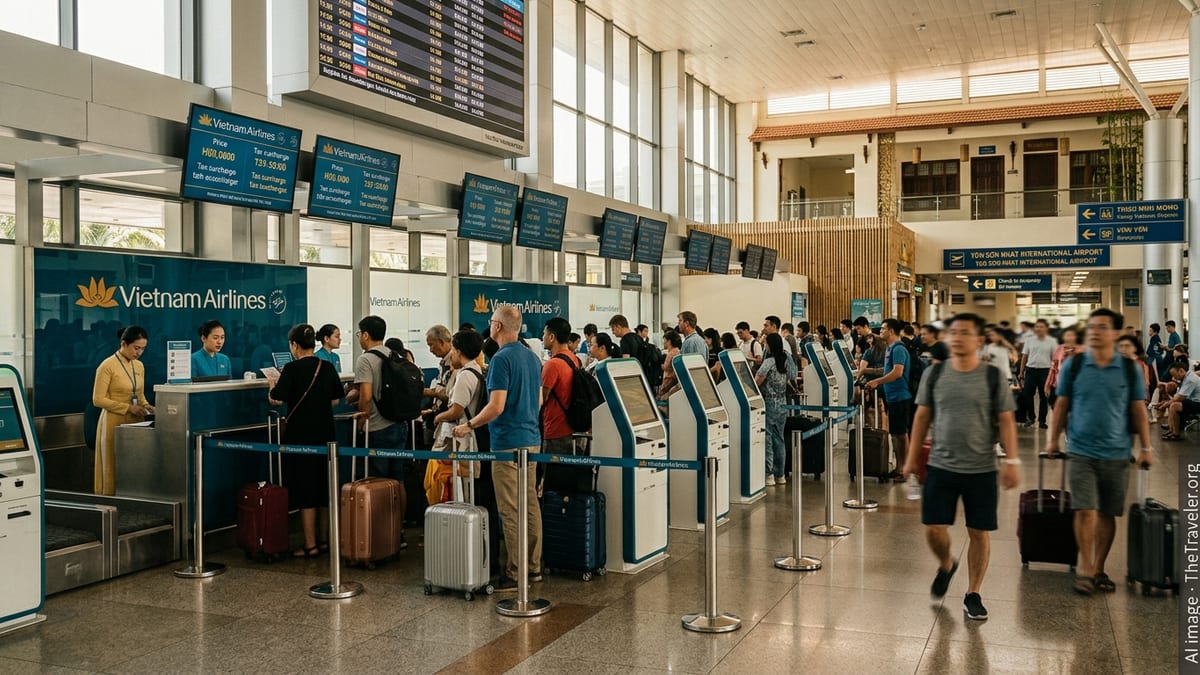
Jet Fuel Shock Sends Vietnam Airline Costs Soaring
Publicly available data from Vietnam’s aviation regulator and local business media show that the country’s airlines have been caught in a rapid and severe jet fuel price shock since late February, triggered by worsening conflict in the Middle East. Jet A1 prices referenced by the Civil Aviation Authority of Vietnam have roughly tripled compared with earlier in the year, a surge that carriers say is unprecedented in recent decades.
Fuel typically accounts for around one third of an airline’s operating costs, but the scale of the increase has pushed total expenses up by an estimated 60 to 70 percent for Vietnam-based carriers. Industry briefings indicate that the spike is being felt across the board, from national flag carrier Vietnam Airlines to low cost operators such as Vietjet and newer players like Bamboo Airways.
At the same time, Vietnam is facing the risk of fuel supply constraints rather than simply higher prices. Reports from recent government and industry meetings highlight concerns that imported jet fuel supplies could tighten as regional suppliers in China and Thailand prioritize domestic needs. Airlines have warned of possible schedule cuts from April if sourcing becomes more difficult, adding further pressure on already strained capacity.
That combination of soaring costs and looming supply disruptions has created intense urgency for carriers to pass at least part of the fuel shock on to passengers, and the most immediate tool at their disposal is the reintroduction or expansion of fuel-linked fees on tickets.
The New ‘Fuel Fee’ Mechanics Hitting Passenger Fares
In response to the spike in operating costs, aviation authorities in Vietnam have been considering a formal framework that would allow airlines to levy fuel surcharges or analogous fuel fees on domestic airfares. Draft proposals discussed in recent weeks describe a flexible surcharge mechanism that would rise or fall according to movements in jet fuel prices, rather than being locked into base fares.
For international routes, many carriers already have fuel surcharges embedded in their fare structures, but booking data from online travel agents and airline websites indicates that these add ons have risen sharply in recent days. While headline base fares on some routes may appear stable, the final price at checkout can be significantly higher once the fuel component is added, especially on long haul flights between Vietnam and Europe, North America or Australia.
Travel industry analysts reviewing typical itineraries report that combined fuel fees and related surcharges on some premium economy and business class tickets can now add the equivalent of 200 to 400 US dollars per passenger compared with levels seen earlier this year. Even on economy tickets, particularly during peak periods or on routes with limited competition, additional fuel costs are pushing total prices well beyond what many travellers had budgeted.
The way these fees are presented can vary. On some booking platforms, the fuel element appears as a separate line item within taxes and surcharges; on others, it is folded into carrier imposed charges with neutral labels. For consumers, the practical effect is the same: a total price that has surged, often with little warning, creating the impression that airfares have exploded overnight.
Vietnam Not Alone as Asia Pacific Carriers Raise Surcharges
The pressure on Vietnam’s aviation sector is part of a broader regional pattern. Recent coverage from financial and travel outlets across Asia has documented a wave of fare increases and higher fuel surcharges by airlines in markets such as Thailand, Japan and the Philippines in response to the same fuel shock.
Thai Airways has publicly outlined plans to raise fares by around 10 to 15 percent and has signalled that its own fuel surcharges could climb further if oil prices remain elevated. In Hong Kong, at least one major carrier has announced a fresh round of fuel surcharge increases of up to roughly one third on certain routes, with particular impact on long haul leisure destinations.
Elsewhere in the region, regulators in the Philippines have allowed airlines to move fuel surcharge bands higher for tickets issued in early April, adding the equivalent of up to several thousand pesos per passenger on some international itineraries. These parallel moves underscore that Vietnam’s pricing shock is part of a wider recalibration across aviation markets exposed to the current jet fuel crunch.
For travellers considering multi stop trips around Southeast Asia, the cumulative effect of these regional measures can be significant. A journey that strings together flights through hubs in Bangkok, Ho Chi Minh City and Manila may now attract multiple layers of fuel related charges, each adjusted under separate national frameworks and airline policies.
What Travellers Are Seeing on Vietnam Routes Right Now
On the ground, passengers booking flights involving Vietnam over the past two weeks have reported steep jumps in total prices compared with searches made just days earlier. Screenshots shared on travel forums and social media show economy tickets on popular routes such as Ho Chi Minh City to Hanoi, Da Nang and Phu Quoc rising sharply in the final payment breakdown, even when promotional base fares are still being advertised.
Internationally, long haul routes between Vietnam and European gateways, as well as services to North America that require connections through Asian hubs, appear to be among the hardest hit. These flights consume far more fuel than short regional hops, and the incremental fuel fee on a long sector has a greater absolute impact on the ticket price, especially in higher cabins.
Some passengers holding existing bookings for April and May report receiving notifications indicating that their itineraries remain valid but may be subject to increased surcharges or reissued tickets if fuel prices remain at current highs. Others have focused on securing travel sooner rather than later, fearing that further increases or capacity cuts could follow if the conflict driven shock to fuel markets persists.
For visitors planning trips to Vietnam, the sudden shift has introduced a new layer of uncertainty atop already complex decisions around timing, visas and accommodation. Tour operators and online travel agencies are advising customers to study final price breakdowns carefully and to compare multiple departure points or connection patterns, as different combinations of airlines and hubs may apply fuel related fees in different ways.
Strategies to Navigate Vietnam’s New Airfare Reality
As airlines in Vietnam and across the region adjust to more expensive jet fuel, travel experts recommend that passengers focus less on headline base fares and more on the complete, all in cost of each itinerary. Because many of the sharpest increases are buried inside carrier surcharges, taxes and the new or expanded fuel fee lines, careful comparison at the final pricing stage is essential.
Flexible travellers may find savings by adjusting trip dates or flying at less popular times, especially on domestic routes where multiple carriers compete. Shifting a journey by even a day or two can make a difference if certain fare classes with lower associated surcharges have sold out on peak days but remain available on shoulder dates.
There is also growing interest in combining air and ground transport within Vietnam to reduce exposure to the most expensive legs. With rail and long distance bus networks linking many major cities, some travellers are weighing options such as flying into one gateway and continuing overland, rather than purchasing separate high priced domestic flights that carry the full weight of the new fuel fees.
Ultimately, the scale and duration of the current fare shock will depend on how long jet fuel prices remain elevated and how quickly supply concerns ease. For now, Vietnam has become a vivid example of how geopolitical tensions and energy market disruptions can ripple directly into holiday budgets, business travel plans and the cost of crossing borders in a region that has become synonymous with affordable flights.