

More news on this day
Vietnam’s emerald rice terraces, karst-studded bays and heritage towns are pushing the country into the conversation about the world’s most beautiful destinations, just as a powerful rebound in visitor numbers and new travel infrastructure reshape how and where international tourists plan their next trip.
Get the latest news straight to your inbox!
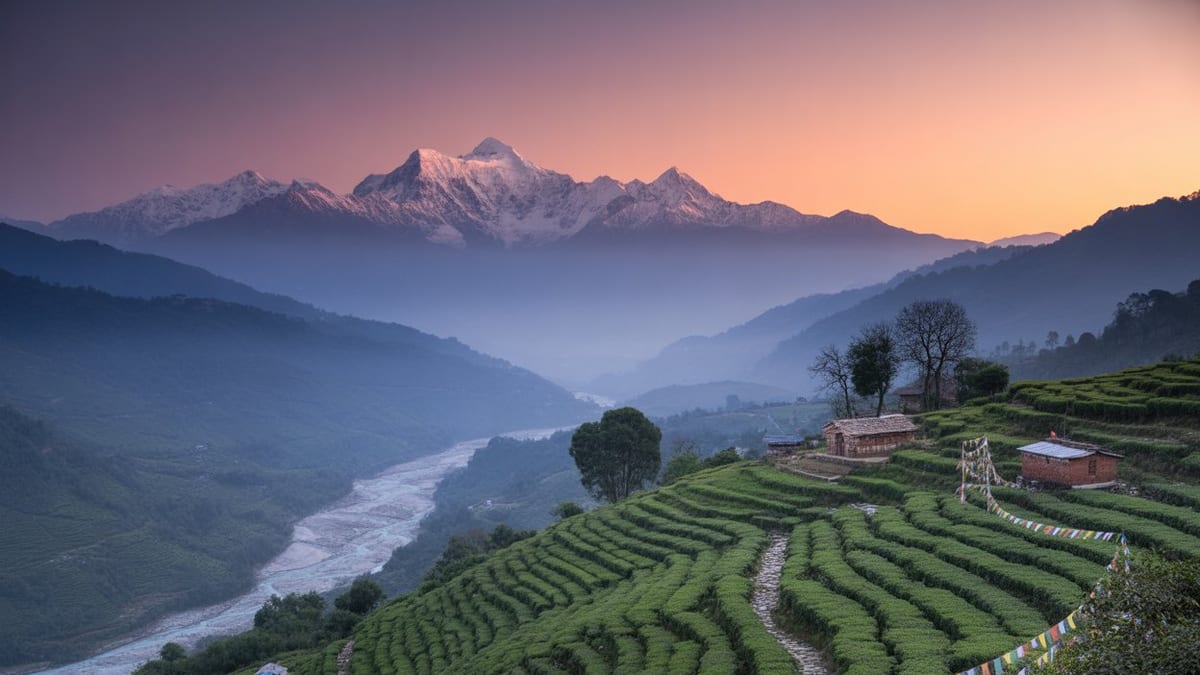
Image by Latest International / Global Travel News, Breaking World Travel News
Vietnam’s New Status in the Global Beauty League
Recent international rankings and travel features increasingly place Vietnam alongside long-established favorites when listing the world’s most beautiful countries. Coverage in global travel media has highlighted a mix of limestone peaks in Ha Long Bay, the dune-fringed shores of Mui Ne and the riverfront lanterns of Hoi An as emblematic of a landscape that spans mountains, deltas and 3,200 kilometers of coastline.
Heritage recognition has reinforced this perception. Vietnam has accumulated multiple UNESCO World Heritage Sites, from the ancient capital of Hue to the cave systems of Phong Nha Ke Bang and the cultural landscape of Hoi An, underpinning its status as a destination where natural and built environments intersect. New accolades for individual locations, including central Vietnam’s countryside and old towns identified among the world’s most beautiful places, have further boosted the country’s profile among long-haul travelers.
These distinctions arrive as travelers increasingly look beyond a single iconic landmark and instead compare countries by diversity of scenery. Vietnam’s combination of jagged highlands in Ha Giang, coffee-covered plateaus in the Central Highlands and coral-rich islands in Phu Quoc gives it a breadth of experiences that rivals more established destinations in Europe and Oceania.
For travel planners and tour operators, this shift means Vietnam is no longer framed only as an affordable or “emerging” stop in Southeast Asia. It is now presented as a primary destination for landscape-driven itineraries, often appearing on the same shortlists as tourism powerhouses traditionally associated with superlative scenery.
Tourism Numbers Point to Surging Global Demand
The perception of Vietnam as one of the world’s most visually compelling destinations is being matched by hard data. Government statistics and international tourism reports indicate that foreign arrivals have rebounded sharply over the past two years, with Vietnam registering one of the fastest recovery rates in the Asia Pacific region compared with pre-pandemic levels.
International visitor numbers climbed into the high teens of millions in 2024, approaching the record set in 2019, according to publicly available economic and tourism analyses. Industry monitors for 2025 and early 2026 show that monthly arrivals have continued to edge higher, supported by expanded air connectivity, relaxed visa rules for key markets in Europe and Asia and aggressive destination marketing campaigns.
Travel economics research suggests that this resurgence has turned tourism back into a major pillar of Vietnam’s growth story, with the sector now accounting for a significant share of gross domestic product and employment. Spending by foreign travelers on accommodation, food, domestic transport and experiences has risen in tandem with visitor volumes, encouraging new investment in hotels, resorts and supporting infrastructure from the Mekong Delta to the northern mountains.
With demand rising fastest among regional markets such as South Korea and China, as well as steady growth from Europe and North America, Vietnam’s tourism planners are increasingly positioning the country not just as an add-on to regional circuits, but as a standalone destination centered on its landscapes, culture and cuisine.
How Vietnam’s Landscapes Are Reshaping Trip Planning
As Vietnam’s profile rises, travel behavior is changing. Tour operators and booking platforms have reported growing interest in itineraries that revolve around specific landscapes rather than single cities, such as multi-day loops through northern mountain passes, coastal rail journeys between Da Nang and Nha Trang or slow-travel circuits among river villages and canal networks in the Mekong.
Published coverage of tourism trends in Vietnam indicates a notable pivot toward lesser-known countryside and coastal areas. Visitors who may once have limited their stay to Hanoi and Ho Chi Minh City are extending trips to include trekking in Sapa, exploring karst valleys around Ninh Binh or cycling through rural lanes near Hoi An. This dispersal of tourist flows is easing pressure on the most famous sites while bringing new revenue to smaller communities.
At the same time, Vietnam’s authorities have expanded electronic visa access and lengthened permitted stays for multiple nationalities, while airports and highways have been upgraded or newly built to connect inland provinces with international gateways. Reports suggest that these policy and infrastructure shifts have shortened travel times between regions, making it easier to combine beaches, highlands and heritage cities in a single trip.
For international travelers choosing where to go next, the result is a country that increasingly competes with classic scenic destinations by offering comparable visuals at often lower costs, along with a perception of safety and hospitality that ranks favorably in regional surveys.
The World’s Top 5 Most Beautiful Countries Right Now
Different rankings vary, but a review of recent lists by major travel publishers, lifestyle magazines and audience polls points to a broadly consistent group of destinations that dominate conversations about the world’s most beautiful countries. These typically include Italy, New Zealand, Canada and Switzerland, with Vietnam now increasingly mentioned in the same tier.
Italy remains prominent in global beauty rankings thanks to its layered mix of coastlines, historic cities and rural vistas. From the cliffs of the Amalfi Coast and the Dolomites to the vineyard-covered hills of Tuscany, the country’s combination of art, architecture and landscape continues to attract repeat visitors and cinematic attention.
New Zealand routinely appears near the top of scenic lists, with its fjords, volcanic plateaus and glacier-fed lakes forming a natural backdrop for adventure tourism. Canada’s reputation rests on vast national parks, mountain chains such as the Rockies and a wilderness brand that continues to draw hikers and wildlife enthusiasts. Switzerland completes the group with its tightly managed mix of alpine peaks, lakes and meadows that long ago became synonymous with postcard-style beauty.
Within this context, Vietnam’s ascent is significant. While it still appears below these established leaders in some global polls, it is now widely featured in top ten or top twenty compilations and highlighted as one of the fastest-rising destinations in Asia in terms of both visitor numbers and aesthetic recognition. For travelers, that means Vietnam is joining the shortlist of countries where the landscape itself is a primary reason to visit.
What Vietnam’s Rise Means for Future Travelers
Vietnam’s emergence among the world’s most beautiful countries is likely to influence how future trips are planned. Long-haul visitors who once reserved bucket-list journeys for Europe or Oceania are increasingly weighing multi-week circuits that focus solely on Vietnam, combining urban culture with extended time in national parks, highland regions and island archipelagos.
Tourism development strategies are beginning to reflect this change. Public information on upcoming projects points to new coastal resorts, eco-lodges in forested areas and upgraded trekking routes, all designed to disperse travelers across a wider swath of the country while emphasizing conservation and community involvement. Industry observers note growing attention to sustainable practices amid concerns about overtourism in hotspots like Ha Long Bay and Hoi An.
For travel advisors and booking platforms, Vietnam’s rising status means itineraries are being recalibrated. The country is appearing more frequently in “top countries to visit this year” features, often singled out as a place where travelers can experience dramatic scenery, vibrant street life and regional cuisine within a compact geographic footprint.
As global tourism continues to recover and evolve, Vietnam’s blend of scenic variety, cultural depth and improving accessibility is reshaping the competitive landscape. Its rapid climb in both visitor numbers and beauty rankings suggests that for many travelers planning their next big trip, Vietnam is no longer a distant option but an immediate contender alongside the world’s most celebrated countries.