

More news on this day
Vietnam’s Cam Ranh International Airport has surged into the global spotlight, securing a coveted place among the world’s top 10 cleanest airports in the latest Skytrax rankings and outperforming long-established hubs in Germany, South Korea, the United States, the Netherlands, Thailand, Singapore, Japan, Indonesia, and other major markets.
Get the latest news straight to your inbox!
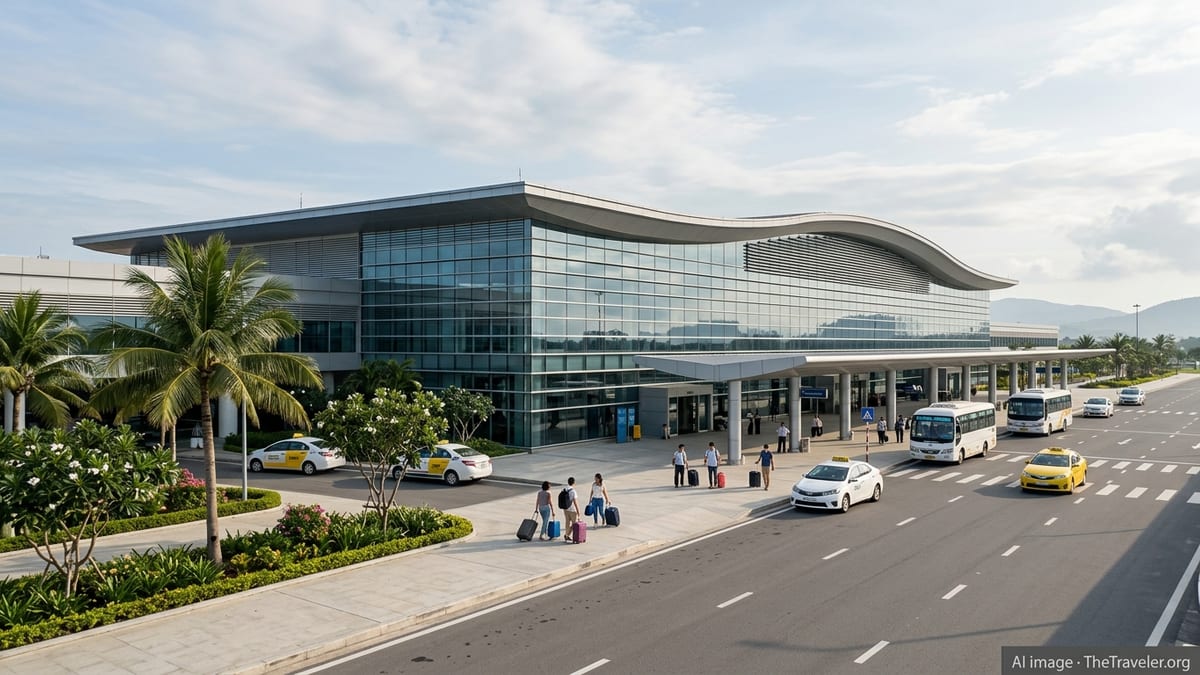
Skytrax Recognition Puts Cam Ranh on the Global Map
According to publicly available information from Skytrax-linked coverage and Vietnam’s aviation authorities, Cam Ranh International Airport was ranked seventh in the world in the 2025 cleanest airports category for facilities handling up to 25 million passengers annually. The recognition positions Cam Ranh as Vietnam’s standout performer in a field traditionally dominated by large, well-funded international hubs across Europe, North America, and Northeast Asia.
Reports indicate that the ranking is based on extensive passenger surveys that assess cleanliness and hygiene in key areas such as terminal concourses, seating zones, washrooms, security and immigration channels, and gate areas. These assessments are paired with observations on overall environmental quality, from floors and fixtures to air quality and visible maintenance.
The 2025 accolade means Cam Ranh has effectively leapfrogged a host of high-profile airports in advanced aviation markets, including those in Germany, South Korea, the United States, the Netherlands, Thailand, Singapore, Japan, and Indonesia. While many of these hubs score highly in other Skytrax categories, Cam Ranh’s rise underscores how targeted investment and operational focus can rapidly elevate an airport’s cleanliness performance.
The airport is also notable for being Vietnam’s sole representative in the global top 10 for cleanliness at this scale, creating a powerful new symbol for the country’s broader aviation ambitions. Industry commentary in Vietnam characterizes the ranking as both a national milestone and a valuable marketing asset in an increasingly competitive regional travel landscape.
How a Coastal Gateway Became a Cleanliness Benchmark
Located on Cam Ranh Bay near the resort city of Nha Trang in Khanh Hoa province, Cam Ranh International Airport has transformed from a primarily domestic gateway into a modern international facility serving millions of leisure travelers each year. Over the past decade, the airport’s operators have invested in expanded terminal capacity, upgraded infrastructure, and streamlined passenger flows.
Publicly available information shows that the international terminal features bright, high-ceilinged halls, clearly marked wayfinding, and a layout designed to minimize congestion in check in, security, and boarding areas. Cleaning regimes have reportedly been intensified in high contact zones such as washrooms, security trays, seating areas, and food service spaces, with visible teams working across multiple shifts to keep surfaces spotless throughout the day.
In addition to regular manual cleaning, recent coverage highlights the growing use of technology and data driven scheduling to maintain hygiene standards. This includes closer tracking of passenger peaks, more frequent inspections during charter-heavy arrival waves, and a focus on odor control, which is increasingly cited by travelers as a key proxy for overall cleanliness.
Airport amenities also appear calibrated to support the cleanliness narrative. Free drinking water stations, organized queuing systems, and well maintained VIP lounges reduce litter and crowding, while medical services and special assistance facilities help manage passenger flows more efficiently, preventing bottlenecks that can quickly degrade the appearance of public spaces.
Surpassing Established Hubs in Europe, North America, and Asia
The 2025 Skytrax cleanliness ranking carries particular resonance because of the airports that Cam Ranh has effectively overtaken. Public rankings and comparative coverage note that major hubs in countries such as Germany, South Korea, the United States, the Netherlands, Thailand, Singapore, Japan, and Indonesia are no longer guaranteed top tier placement in every category, as smaller but more agile airports close the gap.
In Europe, long admired German and Dutch airports remain strong performers overall, yet some have slipped down specific cleanliness tables amid capacity constraints, terminal renovations, or shifting investment priorities. In North America, where high traffic volumes and aging infrastructure challenge many U.S. gateways, only a handful reach the upper echelons of global rankings.
Within Asia, the story is particularly striking. For years, airports in Japan, South Korea, Singapore, and Thailand have been widely associated with superior cleanliness. While several of these hubs still rank highly in broader Skytrax awards, Cam Ranh’s seventh place in the 2025 cleanliness category shows that regional competition is intensifying and that emerging destinations can now rival traditional leaders on specific service metrics.
Industry observers point out that this shift reflects a wider democratization of aviation quality. Rather than being confined to mega hubs in global financial centers, high standards in cleanliness and passenger comfort are increasingly visible in secondary and leisure oriented airports, especially those backed by coordinated tourism strategies and focused management.
Implications for Vietnam’s Tourism and Aviation Strategy
Cam Ranh’s elevated status aligns closely with Vietnam’s broader push to reposition itself as a high quality tourism destination. Recent tourism data for Khanh Hoa province and national economic planning documents emphasize the importance of air connectivity and first impressions as visitors arrive in the country. A clean, efficient gateway is seen as critical to reinforcing perceptions of safety, professionalism, and value.
The ranking is expected to strengthen the marketing appeal of Nha Trang, Cam Ranh, and the wider South Central Coast as a package. Travel trade reports already highlight the region’s combination of beach resorts, island excursions, and year round warm weather, and the airport’s cleanliness award adds a reassuring operational layer for long haul and regional travelers weighing multiple destinations in Asia.
Vietnam’s airport operator community has also interpreted the recognition as validation of its investment choices. Public statements and corporate summaries indicate an emphasis on standardized cleaning protocols, staff training in guest facing roles, and the integration of sustainability measures such as reduced single use plastics and more efficient waste management. These efforts aim to balance traveler expectations with environmental goals.
As Vietnam continues to expand its aviation network, including the phased opening of the new Long Thanh International Airport near Ho Chi Minh City, Cam Ranh’s performance provides a tangible model. The airport’s success demonstrates how mid sized facilities can leverage cleanliness and passenger comfort as strategic differentiators, particularly when competing against larger hubs across the Asia Pacific region.
What Travelers Can Expect on the Ground at Cam Ranh
For passengers, the Skytrax recognition translates into a visibly tidy, well organized terminal experience. Reports from airlines, tourism agencies, and traveler feedback platforms describe polished floors, regularly serviced restrooms, and minimal litter even during peak charter operations. Seating zones and gate areas tend to remain uncluttered, with waste bins, signage, and charging points positioned to encourage orderly use.
Security and immigration processes are also part of the cleanliness equation. Observers note that Cam Ranh has worked to streamline queuing systems, deploy e gates where possible, and keep inspection areas free from abandoned trays or overflowing document counters. The result is a sequence of touchpoints that feel less chaotic than at many busier regional hubs, reinforcing the visual impression of cleanliness.
On the arrivals side, baggage claim halls and customs corridors are designed with clear sightlines and durable, easy to clean materials. Tour groups and resort transfer operators are typically directed to designated zones outside immediate circulation paths, helping prevent crowding at exits and curbside lanes.
Combined, these details underpin the airport’s new global standing. While Cam Ranh may not match the sheer scale or retail density of some of the world’s largest hubs, its disciplined approach to hygiene and passenger spaces has allowed it to set a new benchmark for Vietnamese aviation and to challenge more established airports across Germany, South Korea, the United States, the Netherlands, Thailand, Singapore, Japan, Indonesia, and beyond.