

More news on this day
A pioneering new vessel taking shape in Italy could redefine what it means to cruise cleanly at sea. Viking Libra, billed as the world’s first hydrogen-powered cruise ship, is moving through construction and is scheduled to join the Viking fleet in late 2026, positioning hydrogen fuel cells at the center of mainstream ocean travel for the first time.
Get the latest news straight to your inbox!
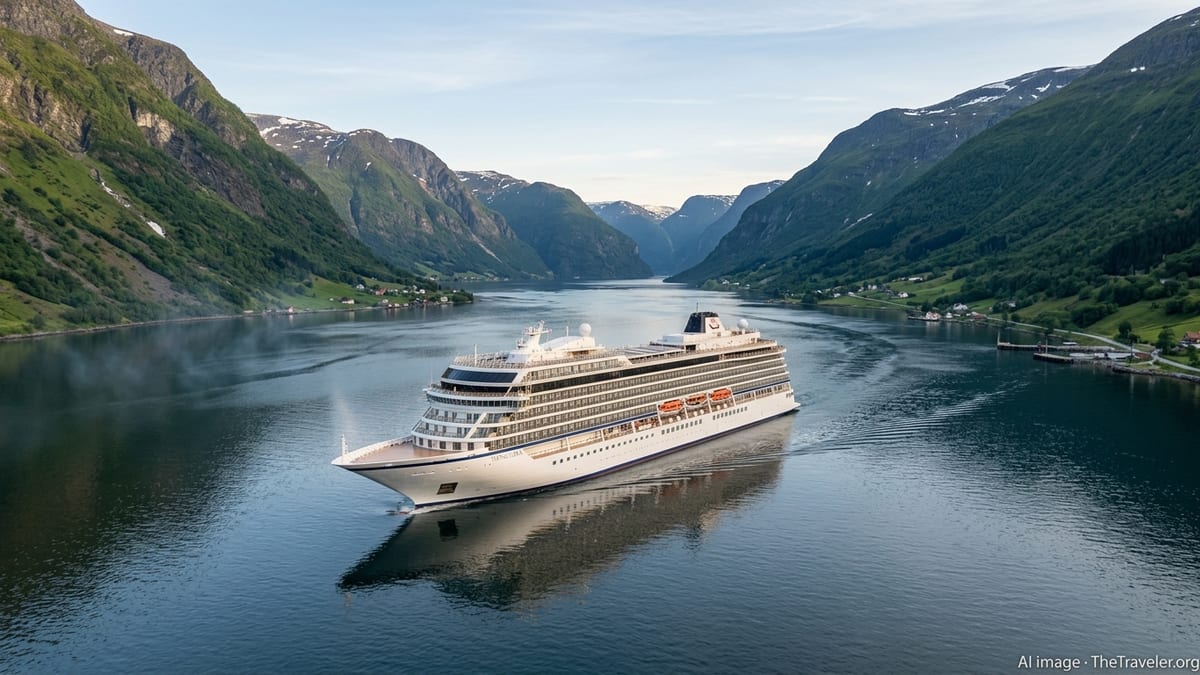
A Milestone Ship Taking Shape in Ancona
Publicly available information from Viking and Italian shipbuilder Fincantieri describes Viking Libra as the first cruise ship designed to run on hydrogen stored onboard for both propulsion and hotel operations. The vessel is under construction at Fincantieri’s Ancona yard on Italy’s Adriatic coast, where key structural and systems milestones have been reported through 2025 and into 2026.
The 54,300-gross-ton ship will be similar in silhouette to Viking’s existing ocean fleet, but its energy system sets it apart. With a length of about 239 meters and capacity for 998 guests across 499 staterooms, Libra fits into the small-ship category while introducing technologies usually associated with pilot projects and research vessels rather than mainstream cruising.
Industry coverage indicates that the ship’s delivery window is currently targeted for the final months of 2026. A keel-laying in 2025 and subsequent construction updates, including reports of the ship entering its outfitting phase, suggest the project is advancing in line with that timetable. The build is being closely watched across the maritime sector as a high-profile test of hydrogen at true ocean-cruise scale.
How Hydrogen and Fuel Cells Will Power Viking Libra
Technical briefings from Fincantieri and subsequent trade reporting outline an energy architecture built around liquefied hydrogen storage and advanced fuel cell modules. The ship is expected to carry hydrogen in cryogenic form, which is converted on board and fed into fuel cells that produce electricity, with water as the main direct emission at the point of use.
The fuel cell installation is projected to deliver up to six megawatts of power, according to shipyard documents and maritime technology analyses. This capacity is designed to support both propulsion and the hotel load, allowing the vessel, in certain operating modes, to sail and run its onboard services with zero local emissions. The hydrogen system will work alongside other power and efficiency technologies to provide redundancy and operational flexibility.
While liquid hydrogen offers a clean-burning energy carrier, it presents notable engineering challenges. Storage requires extremely low temperatures, insulation and significant space, factors that designers must balance against revenue-generating areas and amenities. Fincantieri has framed Viking Libra as a platform for first-of-a-kind solutions in storing and managing hydrogen at cruise-ship scale, with the potential for lessons learned to influence future generations of vessels.
Zero-Emission Operations and Sensitive Destinations
Viking and Fincantieri have consistently highlighted the ship’s ability to operate with zero emissions in specific modes as one of Libra’s defining features. Industry reports state that the vessel is being designed to access particularly sensitive regions, where regulators and local communities are increasingly concerned about air and noise pollution from conventional cruise traffic.
This positioning aligns with a broader shift in cruise itineraries toward high-profile natural areas, including fragile coastal ecosystems and narrow fjords. Environmental scrutiny in such destinations has intensified, with authorities in several regions tightening rules on particulate and greenhouse gas emissions. In that context, a ship capable of sailing without exhaust gases in designated zones is seen as a potential template for compliance and community acceptance.
Sector analysts note that Libra will still have to contend with the climate impact of the hydrogen supply chain. Unless the fuel is produced from renewable electricity, upstream emissions can reduce or even negate the benefits of zero-emission operation at sea. Nonetheless, by creating onboard demand for hydrogen and demonstrating its use at scale, Viking Libra is expected to accelerate investment and policy discussions around truly low-carbon fuel sourcing.
Part of a Wider Shift in Maritime Energy
Viking Libra’s development is unfolding against a backdrop of rapid experimentation with alternative fuels in global shipping. Ferries powered by hydrogen, hybrid cruise concepts combining wind assistance and hydrogen, and container vessels designed for methanol, ammonia or advanced biofuels have all moved from paper studies to shipyards in the last few years. Libra stands out because it brings hydrogen fuel cells into a high-capacity ocean cruise setting rather than a niche or short-sea application.
Maritime journals and classification society publications describe the ship as a flagship example of how cruise lines are preparing for tighter decarbonization rules from bodies such as the International Maritime Organization and regional regulators. Hydrogen, if produced using renewable energy, is viewed as one of the few pathways to deep emissions cuts on long international routes where batteries alone are not practical.
Reports also point out that Viking Libra is just one element in a broader program. Fincantieri communications reference modular fuel cell solutions and designs that can be applied to other newbuilds, with Libra as an early recipient. This suggests that the ship could serve as a bridge between demonstration projects and a future series of low- and zero-emission vessels across different market segments.
What Travelers Can Expect On Board
From a guest perspective, coverage of Viking Libra indicates continuity rather than radical change in the onboard experience. Renderings and descriptions suggest a layout in line with the brand’s existing ocean ships, including a focus on Nordic-inspired interiors, multiple restaurants, a spa, and expansive outdoor deck areas. The ship’s small-ship scale is positioned as offering a quieter, more destination-focused style of cruising.
The most notable difference is expected to be beneath the surface, in the ship’s engineering spaces and operational profile. Travel industry observers anticipate that the line will emphasize quieter, smoother sailing associated with electric propulsion and fuel cells, particularly when operating in zero-emission mode. Marketing materials and early commentary suggest that itineraries may highlight environmentally sensitive regions where the ship’s low-emission capabilities can be showcased.
For cruise travelers increasingly attuned to environmental footprints, Viking Libra may become a test of whether advanced clean-ship technology can influence booking decisions. If the vessel performs reliably and the concept proves commercially viable, analysts argue that it could accelerate customer expectations for low- or zero-emission options across the cruise market, turning a technical milestone into a visible shift in how people choose to travel at sea.