

More news on this day
Viking’s move into India’s Brahmaputra River, with a new vessel scheduled to debut in 2027, is emerging as a focal point in the rapid growth of river cruise tourism in Northeast India.
Get the latest news straight to your inbox!
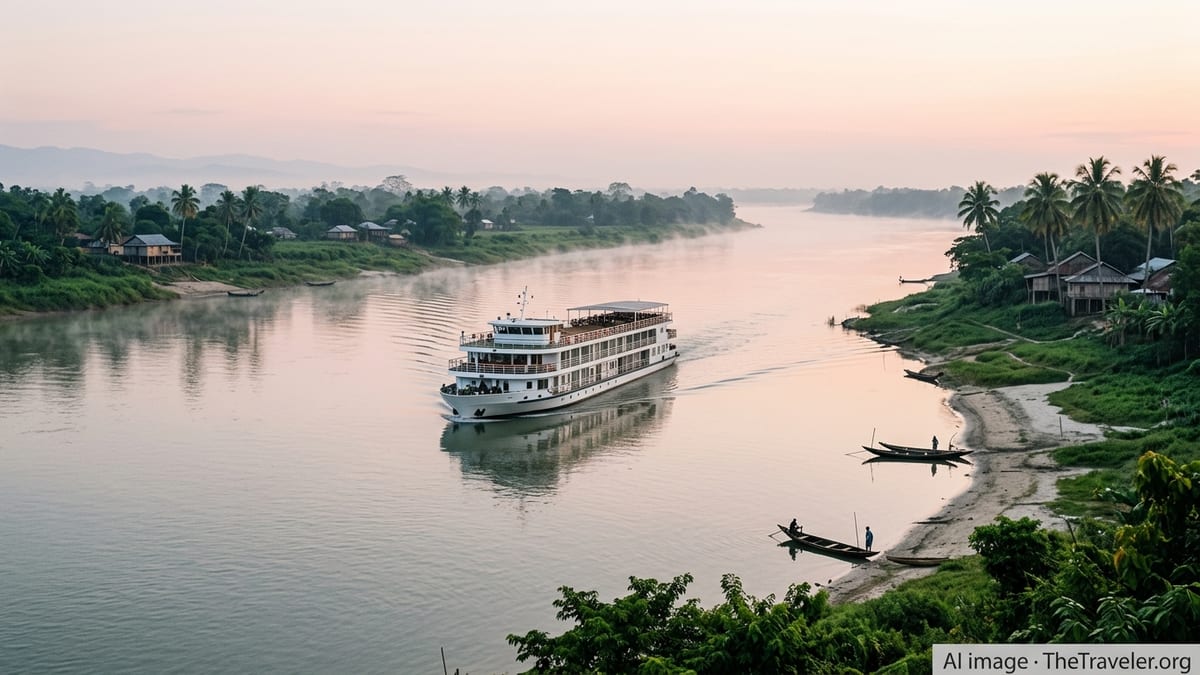
Viking Charts First River Voyages in India
Publicly available information from Viking’s recent announcements indicates that the company plans to introduce a purpose-built vessel, Viking Brahmaputra, by late 2027. The ship is expected to operate on National Waterway 2, the official inland waterway designation for the Brahmaputra in Assam, marking the brand’s first dedicated river deployment in India.
The new program is tied to a 15-day Wonders of India itinerary, which is set to combine hotel stays in Delhi, Agra and Jaipur with an eight-day cruise on the Brahmaputra. The sailing portion is understood to run on a stretch of the river in Assam, with a pattern of eastbound and westbound voyages designed to connect river ports, wildlife areas and cultural sites along the valley.
Industry coverage suggests that Viking’s Brahmaputra ship is being developed as an indigenous vessel, built in India rather than repositioned from another market. Reports on project timelines point to construction in partnership with domestic yards, aligning the launch with a broader policy emphasis on local shipbuilding for inland waterways.
While detailed onboard specifications have not yet been widely disclosed, the Brahmaputra project is framed as part of Viking’s wider expansion in Asia, which already includes vessels on the Mekong and Nile. Analysts following the river cruise sector view the Brahmaputra entry as an indication that major international brands now see India’s rivers as sufficiently mature to support premium itineraries.
Brahmaputra River Cruises Move Into the Mainstream
The Brahmaputra was long perceived as a difficult river for tourism because of powerful currents, shifting channels and seasonal flooding. Recent studies and regional reporting, however, describe a sharp turnaround over the past decade, supported by investments in ports, navigation aids and cruise-friendly infrastructure in Assam.
Data cited in regional policy and tourism documents show that cruise activity on the Brahmaputra has risen from just a handful of vessels in the early 2010s to around 14 cruise vessels operating on the river by the mid-2020s, with approximately 25 river cruise vessels active across India’s inland waterways overall. That growth has translated into more frequent itineraries, a wider range of operators and increasing attention from international tour companies.
Domestic and boutique operators have effectively prepared the ground for larger brands. Companies such as Pandaw and regional luxury vessels like MV Mahabahu have been sailing expedition-style cruises on the Brahmaputra, featuring wildlife excursions, visits to traditional river islands and cultural programs in rural communities. Reports on recent seasons note multiple international groups arriving in Assam by cruise, including passengers from the United States and Europe.
These early adopters have helped demonstrate that high-end cruising on the Brahmaputra is commercially viable, even with challenging river conditions. Their experience fine-tuning shore excursions, safety protocols and seasonal schedules provides a base of local knowledge that larger operators can draw on as they design future itineraries.
Tourism Growth in Assam Creates Momentum
The expansion of river cruising is closely linked to broader tourism trends in Assam. Government statistics and multilateral assessments referenced in recent reports highlight a steady increase in domestic and international arrivals, with total visitor numbers reaching several million annually and foreign visits numbering in the tens of thousands in recent years.
One of the most visible success stories is Kaziranga National Park, which has recorded its highest tourist footfall in two decades. Coverage in national media attributes part of this increase to new boat safaris on the Brahmaputra, which showcase endangered Gangetic river dolphins along with the park’s famed rhino and birdlife. These water-based experiences are helping to reposition the river itself as a core attraction rather than just a scenic backdrop.
Infrastructure projects are reinforcing that shift. Investments in ports such as Pandu in Guwahati, new jetties along National Waterway 2 and training facilities for inland waterway personnel are cited by official project documents and regional outlets as key enablers of cruise growth. A regional centre for maritime training in Dibrugarh, for example, has been highlighted as a step toward building a skilled workforce for river tourism and logistics.
For destinations along the Brahmaputra, this momentum creates an opportunity to diversify local economies. World Bank and development-focused assessments of Assam stress that river-based tourism, if managed sustainably, can generate new income streams for communities through homestays, guiding, handicrafts and cultural performances tied to cruise itineraries.
Global Brands Tap Into India’s Inland Waterway Strategy
Viking’s plans for the Brahmaputra are unfolding against a backdrop of national efforts to promote cruise tourism on India’s rivers. Policy briefs, transport ministry updates and independent analyses describe inland waterways as a strategic priority, both for freight and for tourism, with specific references to the Ganga and Brahmaputra as flagship routes.
The launch of India’s long-distance MV Ganga Vilas cruise in 2023, connecting Varanasi to Dibrugarh via Bangladesh, is frequently cited as a turning point. That voyage demonstrated the feasibility of multi-state, cross-border itineraries and drew global attention to river cruising in the region. Since then, additional projects have been announced to enhance terminals, customs facilities and navigational support along key corridors.
Industry-focused publications note that international cruise brands are aligning expansion plans with this policy framework. Viking’s Brahmaputra ship, scheduled for 2027, is often mentioned alongside new vessels on the Nile and European rivers as part of a multi-region growth strategy. Observers interpret the India deployment as both a response to demand for new itineraries and a signal of confidence in the country’s infrastructure plans.
At the same time, analysts point out that operating on monsoon-influenced rivers requires itinerary flexibility. Experiences from other river systems, where high or low water can trigger schedule changes or partial bussing, are likely to inform how companies structure their Brahmaputra programs and communicate expectations to guests.
Local Communities and Sustainability in Focus
As Brahmaputra cruising scales up, questions around environmental impact and community benefit are gaining prominence. Development agencies and tourism planners working in Assam emphasize in their documents that growth needs to be balanced with careful management of river ecosystems, which support sensitive habitats, fisheries and agriculture.
Some operators already highlight the use of shallow-draft vessels, limited passenger counts and shore excursions designed in partnership with local communities. Information published by cruise lines and regional stakeholders points to efforts to recruit staff from nearby towns and villages, source local produce and crafts, and structure visits in ways that minimize disruption while maximizing economic participation.
Environmental assessments and strategy papers underline the importance of waste management, fuel standards and strict adherence to navigation guidelines, particularly in zones shared with protected areas and dolphin habitats. These measures are presented as essential to protecting the Brahmaputra’s biodiversity as more ships enter the market.
For Assam, Viking’s forthcoming entry adds global visibility to these debates. Observers in the tourism and policy space suggest that the high profile of an international brand could accelerate investments in sustainable infrastructure and strengthen incentives for coordinated standards, helping ensure that the river’s emerging cruise boom translates into long-term benefits for both visitors and residents.