

More news on this day
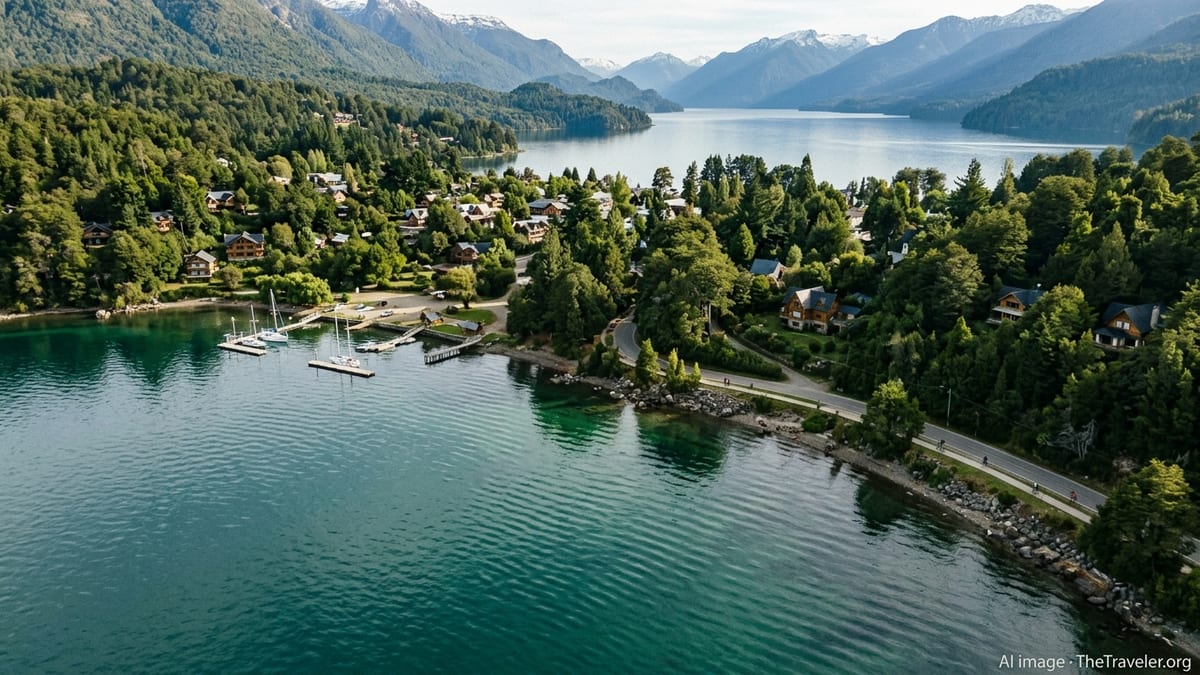
On the emerald waters of Lake Nahuel Huapi, the upscale Patagonian resort town of Villa La Angostura is emerging as a test case for how high-end tourism, fragile mountain ecosystems and community-led sustainability can coexist along one of Argentina’s most coveted shorelines.
Get the latest news straight to your inbox!
A Patagonian Resort Repositions Around Sustainability
Set on the northwest shore of Lake Nahuel Huapi in Neuquén province, Villa La Angostura long cultivated a reputation as the “garden of Patagonia,” known for its chalet-style architecture, manicured gardens and proximity to ancient forests within Nahuel Huapi National Park. In recent seasons, publicly available information shows that this scenic image is being reframed through a more explicit focus on environmental stewardship, as local and national actors look to align tourism growth with conservation of the lake and surrounding native forest.
Reports on the town’s tourism strategy describe Villa La Angostura as part of a broader shift in northern Patagonia, where resort communities are promoting lower-impact outdoor activities, stricter construction rules along shorelines and stronger waste and water management in response to mounting environmental pressures. In this context, the town has been highlighted in international travel and trade coverage as a model for how small mountain destinations can balance visitor demand with long-term ecological health.
This repositioning is taking place against a backdrop of rising year-round visitation and new residential developments, which are changing the town from a purely seasonal destination into a place where more people choose to live full-time. Observers note that this trend is increasing pressure on local infrastructure while also creating momentum for investments in sustainable services and planning.
Lake Protection Efforts on Nahuel Huapi’s Emerald Waters
Lake Nahuel Huapi, a deep glacial lake famed for its clear, blue-green waters, is central to the town’s identity and economy. Public data from park authorities and environmental organizations indicate that the lake is facing growing pressures, ranging from shoreline encroachment and unregulated docks to concerns over wastewater and chemical pollutants associated with regional urban growth and tourism.
Recent coverage on conservation measures in Nahuel Huapi National Park points to stepped-up enforcement against illegal nautical infrastructure, including efforts to remove unauthorized docks and regulate marinas and moorings on protected stretches of shoreline. These actions are framed by national conservation criteria that seek to safeguard Patagonian lakes as critical freshwater reserves and key habitats for native species.
In parallel, local and regional planning documents reference infrastructure projects aimed at improving wastewater treatment capacity for communities around the lake, including proposals linked to Villa La Angostura. Environmental analyses of the wider lake basin have underscored the importance of modern sewage systems to prevent nutrient loading and micropollutant contamination, reinforcing the urgency of such upgrades as the population and visitor numbers increase.
Tighter control over shoreline development has also become a recurring theme. Environmental news reports have documented infractions where construction has encroached into coastal protection zones near Villa La Angostura, prompting calls from conservation advocates and residents for more rigorous oversight to protect water quality and maintain public access to the lakefront.
Community Gardens, Native Species and Local Stewardship
Sustainability in Villa La Angostura is not only emerging through formal policy but also through community initiatives that seek to reshape everyday relationships with the landscape. One emblematic example, highlighted in regional media, is the town’s long-running garden festival, during which local volunteers visit dozens of private gardens to evaluate them on criteria that include the use of native plants, water efficiency and composting practices.
This program, coordinated with the municipal plant nursery, has encouraged residents to favor native species such as arrayán trees and local shrubs that are better adapted to Patagonian conditions and less water-intensive than imported ornamentals. Public descriptions of the initiative explain that native plants are also promoted as a way to reduce fire risk associated with certain non-native conifers and to support local biodiversity, including pollinators and birds.
The garden inspections incorporate environmental indicators such as rainwater harvesting, recycling of organic waste and measures to prevent bird collisions with windows. Organizers present the festival as both a celebration of Villa La Angostura’s aesthetic identity and a practical tool for diffusing sustainable habits across neighborhoods, effectively turning private green spaces into micro-laboratories for climate-conscious landscaping.
These small-scale practices feed into a broader culture of stewardship that can be seen in citizen campaigns around forest conservation, responsible trail use and waste reduction during peak holiday periods. Taken together, such actions contribute to the town’s image as a community that is actively participating in its own ecological transition.
National Park Measures Reshape Visitor Experience
The northern sector of Nahuel Huapi National Park, where Villa La Angostura is located, has been the focus of new management measures that aim to protect sensitive habitats while keeping outdoor recreation accessible. According to published coverage citing the national parks administration, recent initiatives include stricter zoning for camping and day-use areas, enhanced monitoring of boating and fishing activities and education campaigns for visitors on wildlife and fire risks.
In certain sectors of the lake and river systems, authorities have implemented rotational access to popular fishing spots, designed to prevent overfishing and allow aquatic ecosystems time to recover. Information on these measures indicates that they are being combined with training programs for local guides and small tourism operators on best practices in eco-tourism, waste handling and low-impact trail use.
Infrastructure works within the wider park, reported by national government channels, include upgrades to viewpoints, signage and access paths in high-use areas to better manage visitor flows and reduce erosion. While many of these projects are concentrated around other localities in the park, they are part of a unified strategy that also affects how visitors move through and experience the landscapes around Villa La Angostura.
For travelers, these changes are beginning to translate into clearer rules on boating, shoreline access and campfire use, as well as more visible interpretation materials that connect leisure activities with conservation goals. Industry observers suggest that destinations able to communicate and enforce such standards are increasingly favored by eco-conscious visitors seeking transparent environmental management.
Balancing Luxury Development and Environmental Risk
At the same time, Villa La Angostura is attracting significant private investment, with large-scale residential and tourism projects announced along the famed Seven Lakes Road corridor. Business and real estate reporting describes multi-million-dollar developments positioned as high-end mountain living, combining golf courses, marinas, hotels and housing with promises of integration into the surrounding forest and lakescape.
Supporters present these projects as engines of local employment and infrastructure improvement, aligning with global trends in second-home markets and lifestyle migration to scenic regions. Some developments have highlighted sustainability features such as energy-efficient building standards, native landscaping and conservation easements within their master plans, reflecting the growing expectation that luxury offerings incorporate environmental credentials.
Environmental organizations and specialized media, however, have emphasized that the cumulative impact of new construction, increased traffic and expanded shoreline use could heighten risks already evident in the region, such as habitat fragmentation, wildfire vulnerability and declining water quality. Coverage of infractions along Nahuel Huapi’s shores, including unauthorized filling and building within protected bands, illustrates how individual actions can erode regulatory frameworks intended to safeguard the lake.
Urban planners and conservation advocates cited in public forums argue that the long-term sustainability of Villa La Angostura will depend on robust land-use planning, transparent enforcement and investments in basic services that keep pace with growth. The emerging “sustainable revolution” on the emerald waters of Lake Nahuel Huapi, they contend, will be measured not only by green branding and pilot projects, but by how effectively the town manages the tensions between exclusivity, accessibility and ecological limits.