

More news on this day
Residential cruise ship Villa Vie Odyssey has been granted a UNESCO-linked peace designation, marking a notable recognition for the long-duration world cruise that markets itself as a floating international community at sea.
Get the latest news straight to your inbox!
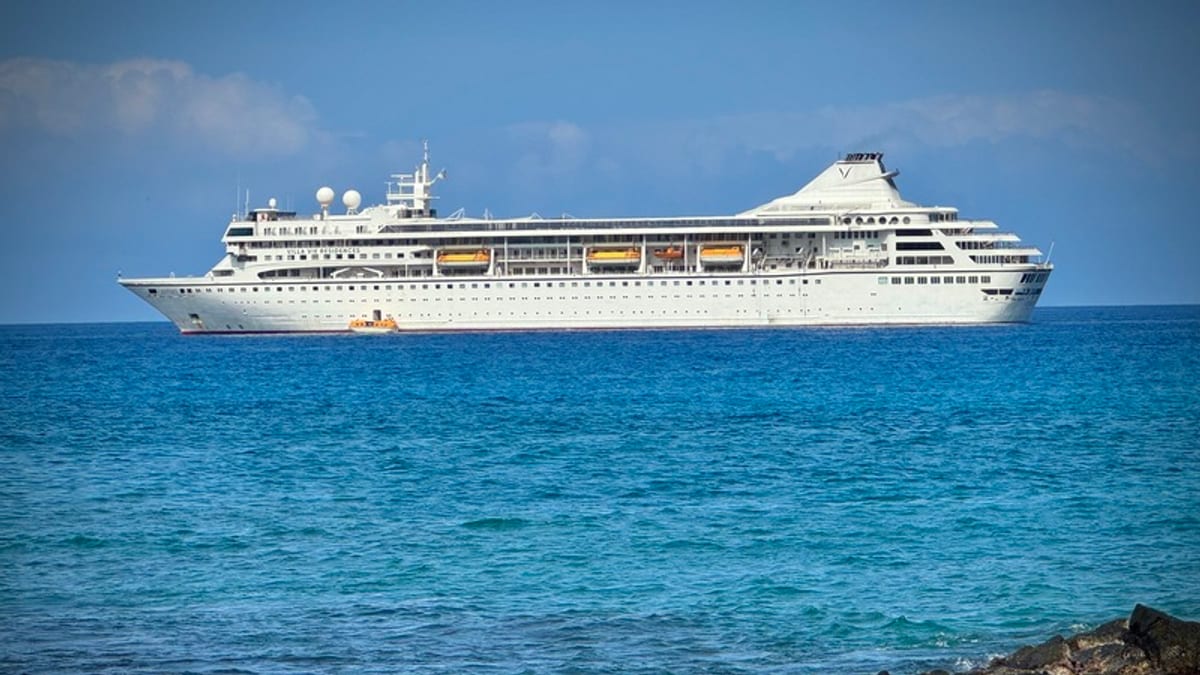
Image by Cruise Industry News | Cruise News
A Floating Community Recognized for Peace Efforts
The designation places Villa Vie Odyssey among a small group of travel and cultural initiatives cited for fostering cross-cultural understanding. Publicly available information indicates that the recognition focuses on the ship’s multi-year global itinerary, which is structured to expose residents to a wide spectrum of cultures, histories and contemporary social issues as they circumnavigate the globe.
Villa Vie Odyssey operates as a residential cruise vessel, with cabins sold or leased to long-term occupants who live on board as the ship travels between ports on multiple continents. This model has drawn attention from travel and lifestyle media, which often describe the ship as a “floating neighborhood” where residents from many nationalities share common spaces, routines and experiences over an extended period.
Reports indicate that the peace designation highlights this everyday coexistence as a practical expression of intercultural dialogue. Rather than brief encounters typical of conventional cruises, the program brings together people of different ages and backgrounds for years at a time, positioning the ship as a case study in how sustained contact can support mutual understanding.
In materials describing the recognition, the emphasis falls less on formal ceremonies and more on lived experience on board: shared meals, collaborative activities and travel encounters that can challenge assumptions while building familiarity with different customs, beliefs and perspectives.
Educational and Cultural Programming at Sea
According to published coverage of the ship’s operations, Villa Vie Odyssey’s world-circling itinerary is paired with a schedule of onboard lectures, classes and locally focused activities in port. These programs are framed as a key element in meeting UNESCO-aligned goals around education, culture and peace.
On long ocean segments, residents are offered talks on regional history, world heritage, environmental change and migration patterns, often timed to upcoming landfalls. Public descriptions of past voyages note that thematic days and cultural evenings are used to introduce traditions, music and food from the regions on the ship’s route.
In port, excursions are typically marketed with a strong emphasis on historical districts, UNESCO-listed heritage areas and local cultural institutions. Travelers are encouraged to explore beyond headline attractions, with itineraries that highlight markets, religious sites and neighborhood-level projects. These elements have been cited by commentators as part of the rationale for a peace-oriented recognition.
Observers of the cruise and tourism sector suggest that the designation may encourage further integration of structured learning into long-duration voyages. As more ships experiment with residential or extended-world-cruise formats, the Villa Vie Odyssey example may serve as a template for how education-focused programming can be used to align tourism with broader cultural and peace-building objectives.
Global Route Through Regions of Historical Tension
Villa Vie Odyssey’s multi-year route is designed to visit all seven continents and a large number of world-famous coastal cities and island nations. Reporting on the ship’s early seasons notes that its path takes it through areas with layered histories of conflict, colonization, trade and migration, including parts of Europe, North Africa, the Middle East, Asia and the Americas.
The peace designation draws attention to how this itinerary is framed for residents. Rather than presenting destinations only as leisure backdrops, materials about the program describe an effort to contextualize present-day ports within longer regional narratives, including episodes of war, displacement and reconciliation.
Observers point out that the ship’s passage through such regions has the potential to foster nuanced perspectives on contemporary global issues. Residents encounter different approaches to memory, monument preservation and public commemoration, from historic forts and battlefields to museums and public art that address past conflicts and social transformations.
Travel analysts note that this approach fits a wider shift in parts of the cruise and tour industry, where some operators seek to balance comfort-focused itineraries with programming that foregrounds local voices, historical complexity and the social dimensions of tourism, rather than focusing solely on entertainment.
Tourism, Sustainability and UNESCO’s Peace Agenda
The peace designation also intersects with ongoing debates about the environmental and social impact of cruise travel. Large ships are frequently scrutinized for their emissions, waste management and effects on port communities, especially in small or environmentally sensitive destinations.
According to sector commentary, Villa Vie Odyssey’s recognition does not imply that such concerns have been fully resolved, but it signals an expectation that operators linking themselves to UNESCO-aligned values will face increasing pressure to demonstrate improvements in sustainability practices and local engagement.
Publicly available information on the ship’s recent operations highlights efforts to coordinate closely with port authorities, stagger passenger flows in smaller locations and promote visits that benefit local guides, small businesses and cultural organizations. Environmental measures, including waste-handling systems and fuel-efficiency upgrades, are frequently mentioned in marketing and technical descriptions of the vessel.
Cruise industry analysts suggest that a peace-focused designation, when attached to a working cruise ship, may serve as a reference point in discussions about how maritime travel can better align with international frameworks on culture, heritage and sustainable development. For advocates of responsible tourism, the Villa Vie Odyssey case will likely be watched as an indicator of how symbolic recognition translates into concrete operational choices over the life of a long-term voyage.
Implications for Residential Cruising and Future Voyages
The UNESCO-linked peace designation arrives at a time when residential and very-long-duration cruises are drawing increased interest from travelers seeking alternative lifestyles at sea. Villa Vie Odyssey has been among the most widely discussed examples of this trend, with reports focusing on residents who sell property or restructure their lives to spend years on board.
Travel watchers note that the recognition may strengthen the appeal of residential cruising to guests who prioritize cultural immersion and global awareness alongside comfort and amenities. By formally connecting the voyage to peace and dialogue goals, the designation may differentiate this model from conventional cruises that emphasize entertainment or short holiday experiences.
Industry observers also point out that the move may encourage other operators to seek similar acknowledgments by expanding educational, cultural and community-engagement components in their programs. This could influence ship design, staffing and itinerary planning as companies look to demonstrate alignment with international cultural and sustainability standards.
As Villa Vie Odyssey continues its multi-year journey, attention will likely focus on how the ship’s operators interpret and implement the expectations associated with a peace-related recognition. The evolving story of this floating residential community is poised to remain a reference point in discussions about the relationship between global mobility, cultural exchange and the pursuit of peaceful coexistence across borders.