

More news on this day
A passenger’s account of being told to purchase a second seat because of her size has gone viral on social media, reigniting a contentious debate over how airlines define comfort, safety and fairness for larger travelers and those seated next to them.
Get the latest news straight to your inbox!
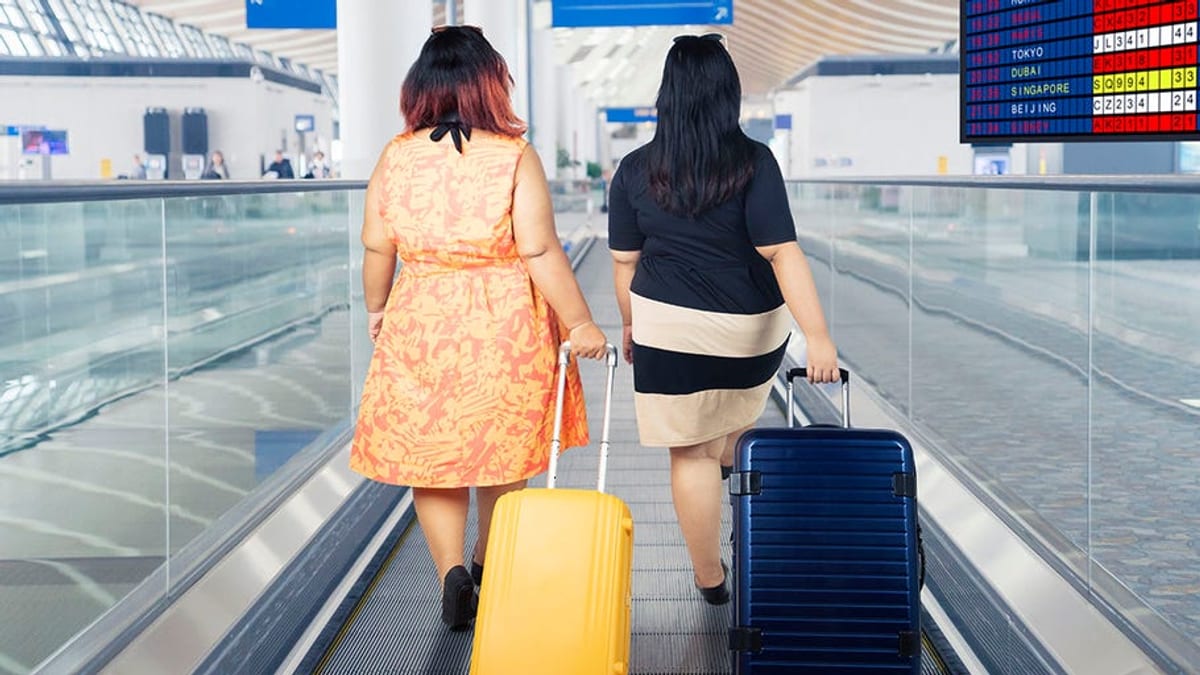
Image by Fox News
A personal complaint that resonated online
In late March 2026, a video shared on TikTok and other platforms showed a visibly distressed traveler alleging that an airline gate agent informed her she would not be allowed to board unless she paid for an additional seat. The traveler described already holding a valid ticket and said she believed she could fit within the space of a single economy seat, but was told she qualified as a “customer of size” and would need to purchase a second fare.
Publicly available posts and reposts indicate that the clip quickly drew millions of views and thousands of comments within days. Many users expressed anger at what they saw as shaming of plus size passengers in front of a boarding area crowd, while others argued the airline was enforcing longstanding rules designed to protect the comfort of neighboring travelers and comply with safety standards.
The specific airline involved has not issued a detailed public response addressing the individual complaint, but the incident has tapped into broader frustration among frequent flyers. Comment threads across platforms such as Reddit and TikTok show long running tensions over how consistently “customer of size” rules are applied and how much discretion frontline staff are given at the gate.
As the story spread, it became part of a wider wave of posts from travelers describing being required to buy a second seat, being refused the use of a second seat they had already paid for, or being moved to accommodate someone else labeled a larger passenger. Together, these accounts have intensified a broader policy debate that recurs every time such a story goes viral.
How ‘customer of size’ policies work
Major U.S. airlines maintain written guidelines for passengers who may not fit comfortably within a standard economy seat. Publicly available policy documents typically describe a “customer of size” as someone who cannot lower the armrest between seats or who significantly encroaches into an adjacent seat space. In many cases, travelers in this category are instructed to purchase an additional seat in advance or at the airport if space is available.
Some carriers, including Southwest Airlines, historically promoted relatively flexible arrangements, sometimes allowing larger travelers to reserve a second seat and seek reimbursement after the flight if it did not depart full. Online discussion in recent weeks suggests that some of these practices have tightened, with more reports of passengers being told at the gate to pay for an extra seat on already booked flights and of staff citing safety and comfort policies more strictly.
Advocates for clearer rules note that seat widths in the United States have generally narrowed over time in standard economy cabins, while average body sizes have increased. That combination has made the question of who is responsible for buying extra space more urgent, especially on full flights where every seat is occupied and there is little flexibility to move passengers once boarding begins.
Industry observers point out that airlines face competing pressures. Carriers sell seats individually and design cabins to maximize revenue per flight, but they are also expected to ensure that every passenger can fasten a seat belt, access the aisle in an emergency and avoid unreasonable discomfort. Policies aimed at larger travelers are one way airlines have attempted to balance these considerations, though the viral dispute suggests many customers feel the balance has not yet been found.
Accusations of humiliation and inconsistency
Reaction to the latest viral complaint has highlighted two recurring criticisms of “customer of size” rules. First, plus size travelers and their supporters say the rules can be enforced in ways that feel humiliating and arbitrary. Social media posts describe instances where passengers were questioned about their bodies in crowded gate areas and told in front of other travelers that they needed to pay hundreds of dollars more to fly.
Second, frequent flyers say enforcement appears inconsistent from one flight to the next. Some travelers recount flying multiple times with a single ticket and no questions, only to be told on a later trip that they must buy a second seat or be removed from the flight. Others report purchasing two seats in advance only to find their extra seat reassigned to another passenger during boarding, or being told they did not qualify as a customer of size and could not reserve extra space even when they offered to pay.
These inconsistencies leave many travelers uncertain about how to plan. Some say they now budget for a second ticket on certain airlines to avoid potential conflict, while others actively avoid carriers perceived as stricter or less transparent. Online discussions suggest that some plus size passengers are choosing not to fly at all because they fear public confrontation at the gate.
A number of commenters also point out that size related disputes do not only affect larger travelers. Passengers seated next to someone who significantly overlaps their seat have described feeling trapped in cramped conditions for hours. Their concerns often fuel support for clear minimum space standards and for robust enforcement when a single seat cannot reasonably contain a traveler’s frame.
Legal, regulatory and accessibility questions
The renewed attention comes at a time when aviation regulators in the United States are examining a wider range of issues around airline fees and transparency. Federal rulemaking in recent years has focused on how carriers advertise and explain ancillary charges such as seat selection, baggage and change fees. Advocates for larger travelers say that “customer of size” expectations should be part of that transparency effort so passengers know before buying a ticket whether they will be asked to pay for extra space.
Disability and civil rights groups have also raised questions about how size related policies intersect with legal protections for travelers with certain medical conditions or mobility limitations. Public court records and past complaints show disputes over whether individual cases involved actionable discrimination or legitimate enforcement of published seating rules. The complexity of those cases illustrates how difficult it can be to draw clear lines in a system that treats every economy seat as essentially identical.
Some traveler advocates argue that seat measurements and boundary rules should be standardized across the industry, so that a passenger who fits within a seat on one carrier can reasonably expect the same treatment on another. Others suggest that airlines should be required to offer more spacious economy options at clearly disclosed prices, reducing the number of edge cases where a gate agent must make a fast judgment about a traveler’s size in public view.
Airlines, for their part, face the challenge of implementing any new standards without raising fares significantly or losing seat capacity on already crowded routes. Observers say that until carriers, regulators and advocacy groups find common ground, disputes like the latest viral complaint are likely to keep surfacing and fueling intense online reaction.
A growing call for clarity and compassion
In the wake of the latest controversy, calls for reform center on two themes: clearer rules and more considerate enforcement. Travelers and commentators across the political and cultural spectrum argue that regardless of where policies land, the process of informing a passenger that they need more than one seat should be private, respectful and anchored in objective criteria.
Suggestions circulating on social media and in travel forums include advance size guidelines expressed in concrete measurements, the option to discuss seating needs confidentially at the time of booking, and stronger protections ensuring that a passenger who has paid for an extra seat is not asked to give it up once onboard. Some users also call for staff training focused on handling sensitive conversations about body size without shaming or singling people out.
At the same time, there is recognition that no policy will satisfy everyone. People who have endured long flights squeezed next to another traveler’s body emphasize that their comfort and dignity matter as well. The challenge for airlines is to design systems that respect all passengers, distribute costs transparently and minimize last minute confrontations at the gate.
For now, the viral complaint has become the latest flashpoint in an evolving conversation about space, access and equity in modern air travel. As cabins remain tightly packed and flights frequently depart full, the question of who pays for comfort and how that message is delivered will continue to test the industry and its customers.