

More news on this day
A slickly edited “pier runner” video filmed in the Bahamas and tied to the MSC Seashore has been exposed as a staged hoax, sparking debate about cruise influencers, the ethics of viral content and the reputational risks for both cruise lines and Caribbean ports.
Get the latest news straight to your inbox!
Staged Pier Drama Presented as Real-Time Emergency
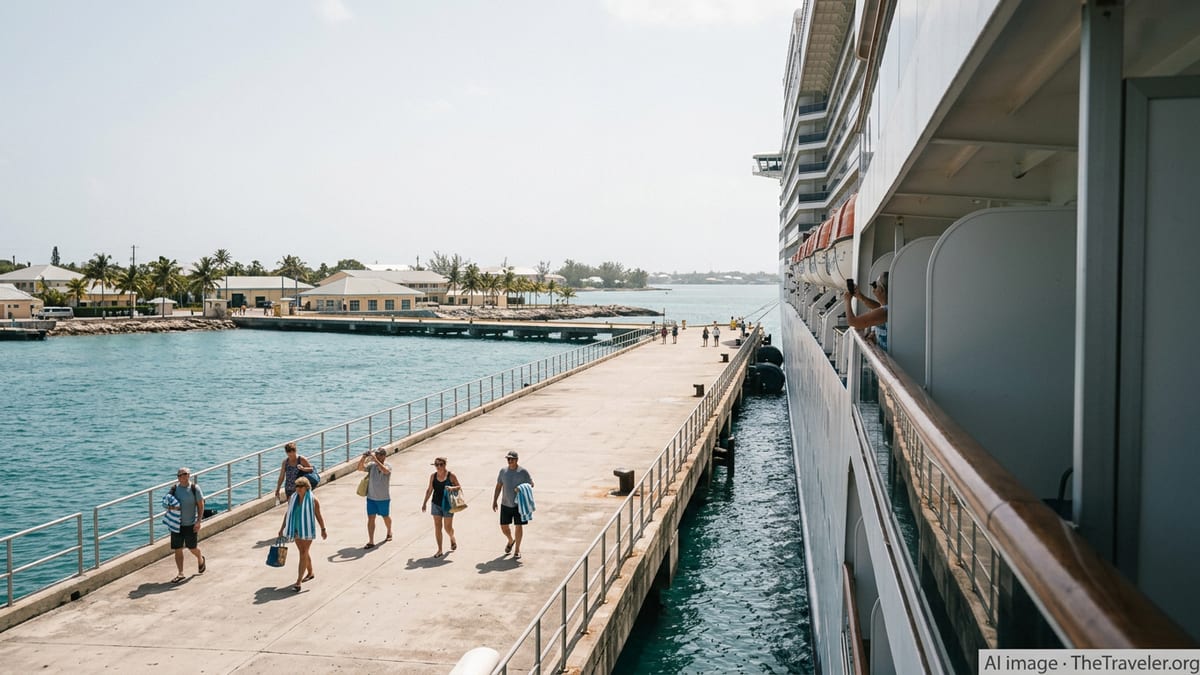
The short clip, widely shared across TikTok and Instagram, appears at first glance to capture a classic cruise ship spectacle: late passengers sprinting down a pier as their vessel prepares to depart. The footage, reportedly shot at a Bahamian port used by MSC Seashore itineraries, shows influencers racing along the dock while voices from a balcony urge them to hurry, implying the ship is moments away from casting off.
Subsequent comparisons with publicly available port schedules and ship-tracking data indicate the incident did not occur in the tense, last-minute circumstances suggested on social media. Observers reviewing balcony angles, ship horn audio and background vessel positions concluded the sequence had been planned and choreographed in advance, rather than documenting a genuine boarding close call.
Online discussion points to careful camera placement on both the pier and ship, suggesting a coordinated shoot rather than a spontaneous event. Edits that zoom in on anxious faces and cut abruptly to cheering passengers reinforce narrative tension, fueling views and engagement but further distancing the video from an objective record of events.
Influencers Face Backlash Over Ethics and Transparency
Once cruise enthusiasts began questioning the authenticity of the clip, attention shifted quickly to the influencers involved. Commentary on cruise-focused forums and social platforms highlights frustration with creators who blur the line between documentary travel content and scripted entertainment without clear labeling.
Critics argue that staging a faux emergency at the pier, then presenting it as real, exploits genuine anxieties about missing a ship and misleads casual viewers who may not recognize the signs of a setup. Some posts describe the trend as part of a wider pattern in which travel creators escalate stunts to hold audience attention, even at the cost of accuracy and context.
Defenders of the influencers stress that social media audiences increasingly expect narrative and drama, not just static views of beaches and buffets. They suggest many viewers implicitly understand that high-production cruise videos are curated experiences. However, the absence of disclaimers and the realistic framing of the scene have intensified calls for clearer separation between staged reenactments and real incidents.
Reputational Ripples for the Bahamas and MSC Seashore
The controversy emerges at a sensitive moment for Caribbean destinations and cruise operators, which rely heavily on positive word-of-mouth and social coverage to drive bookings. The Bahamas, a key stop on MSC Seashore’s itineraries and home to private island experiences and major port calls, is frequently featured in shipboard content that aims to showcase turquoise water and relaxed escapes.
Travel watchers note that while the hoax was orchestrated by private individuals, its setting in a Bahamian port and its association with a named ship create the impression of operational chaos where none existed. Commenters in cruise communities have expressed concern that repeat circulation of such videos may unfairly shape perceptions of Bahamian ports as disorderly or unsafe, even when real-world boarding procedures are tightly controlled.
For MSC Seashore, the episode adds an unwelcome layer to online discourse about the ship. Publicly available itineraries show the vessel regularly sailing to Bahamian destinations, making it a prominent backdrop for influencer content. Although no evidence has surfaced that the cruise line organized or endorsed the hoax, some potential passengers have questioned how such stunts might affect the onboard experience and pier operations.
Pier Runner Culture Meets Viral Hoax Economy
The hoax also taps into a long-standing fascination with so-called pier runners: travelers who cut it too close on shore excursions and must sprint back to the ship before the gangway is raised. Genuine videos of such scenes have circulated online for years, drawing millions of views and a mix of humor and anxiety from viewers.
Travel analysts point out that this preexisting appetite for pier runner clips creates fertile ground for fabrications. Content that resembles known formats, such as frantic dashes set to dramatic music, is more likely to be shared without scrutiny. The MSC Seashore video appears to have been designed with this in mind, mimicking the framing, soundtrack choices and crowd reactions seen in authentic recordings.
As platforms reward watch time and engagement, there is growing concern that creators will feel pressure to produce ever more dramatic cruise content, ranging from elaborate “got left behind” skits to exaggerated depictions of onboard emergencies. Commenters warn that such trends risk trivializing actual safety incidents and may encourage risky behavior around restricted operational areas.
Calls for Clearer Labeling and Responsible Travel Content
In the aftermath of the Bahamas pier hoax, many voices in the cruise community are urging influencers and travel brands to adopt stricter standards for transparency. Proposals circulating in online discussions include plainly labeling staged sequences as reenactments, avoiding any suggestion that ship operations were compromised, and refraining from dramatizing safety-critical scenarios.
Advocates for more responsible content argue that cruise lines, ports and tourism boards already face challenges combating misinformation about destination safety and operational practices. Viral fabrications, they say, can undermine public understanding of how boarding procedures and departure times actually work, particularly for first-time cruisers who may rely on social media clips to set expectations.
For now, the exposed hoax involving MSC Seashore and a Bahamian pier serves as a cautionary tale about the power and pitfalls of viral travel storytelling. As the clip continues to circulate, often stripped of context, the episode underscores how quickly a staged moment can reshape perceptions of a ship, a destination and an entire style of vacation.