

More news on this day
A traveler handing out vodka shots to fellow passengers in a jammed Transportation Security Administration line has turned a TikTok clip into a viral snapshot of the frustration and dark humor surrounding long security waits at U.S. airports.
Get the latest news straight to your inbox!
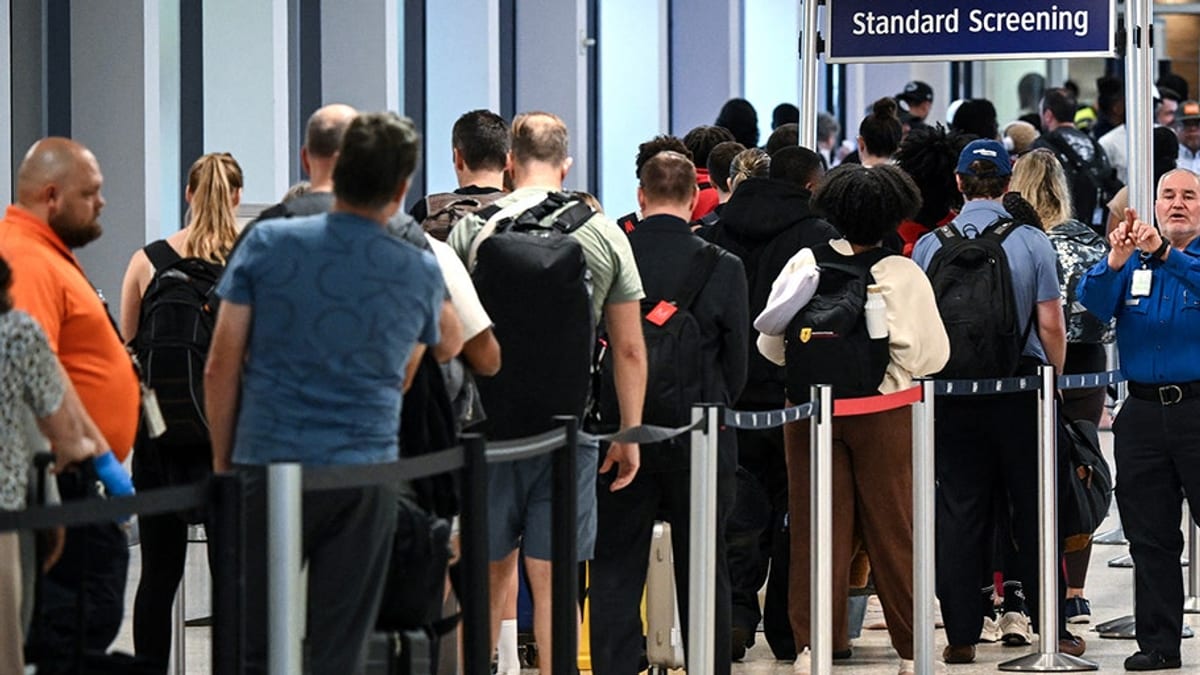
Image by foxnews.com
A Lighthearted Moment in a Heavy Travel Season
The brief video, shared widely across TikTok and other social platforms in late March, shows a passenger producing small bottles of vodka and offering them to weary travelers snaking through a tightly packed security queue. The scene, reportedly filmed at a busy U.S. hub during peak departure hours, struck a chord with viewers who recognized the mix of anxiety, boredom and camaraderie that can emerge when lines stretch far beyond the usual checkpoints.
Comments on the clip describe the impromptu drink service as both a gesture of solidarity and a pointed commentary on the state of U.S. air travel. Many users joked that the traveler had become an unofficial “morale officer” for the line, while others noted that alcohol rules at airports and on airplanes remain strict even as security conditions test passengers’ patience.
The video’s popularity has less to do with the alcohol itself than with what it represents. With images of crowded hallways and looping stanchion lines already a familiar part of this spring’s travel news, a moment of levity inside the system resonated as a coping mechanism for travelers facing hours-long waits and the risk of missed flights.
TSA Lines Under Pressure Amid Government Shutdown
The viral scene comes at a time when security lines have become a flashpoint for broader strains on the U.S. aviation system. A partial federal government shutdown has left the Transportation Security Administration short-staffed, with thousands of officers reportedly quitting or calling out after weeks without pay. Publicly available information indicates that some large airports have warned of waits exceeding four hours during peak periods, particularly at hubs handling heavy domestic and spring break traffic.
Coverage from multiple outlets shows that conditions have varied sharply by airport. Travelers at Baltimore/Washington International Thurgood Marshall Airport reported queues stretching through concourses as security checkpoints were consolidated and passengers were urged to arrive up to four hours before departure. At Houston’s George Bush Intercontinental Airport, reports indicate that lines outside certain terminals grew so long that the airport began broadcasting announcements discouraging passengers from paying strangers to hold places in line.
Other airports, including Dallas Fort Worth International and Minneapolis–St. Paul, have reported comparatively modest wait times even as they acknowledged the same underlying staffing pressures. In those locations, security lines often remained under 30 minutes, underscoring how unevenly the disruption has been felt across the network.
The federal government has moved to mitigate the situation by authorizing emergency pay for TSA personnel. In recent days, several outlets have reported that once paychecks began arriving, bottlenecks eased at some checkpoints and wait times dropped back toward more typical levels. Even so, union representatives and aviation observers have warned that the effects of mass resignations and prolonged financial stress for security workers may linger beyond the immediate shutdown period.
Social Media Highlights Passenger Coping Strategies
The vodka-shot video is only one of many clips documenting how travelers are responding to security delays this season. Social platforms are filled with footage of stretching queues, hallway-floor picnics, improvised games to entertain children and adults timing progress in line with smartphone stopwatches. Some creators offer tips for minimizing stress, from packing snacks to pre-downloading streaming content, while others lean into satire, parodying airport announcements or staging mock award ceremonies for the “longest line of the day.”
Travel experts note that such content doubles as informal reporting, providing real-time snapshots of conditions that can complement official airport and TSA wait-time tools. Posts from Baltimore, Houston and Atlanta have shown crowds wrapped around ticketing halls even before security, while other major hubs have appeared relatively calm on the same days. For many travelers, the viral videos serve as both warning and reassurance: a signal to arrive early, but also a reminder that shared frustration can foster a sense of community.
At the same time, the proliferation of alcohol-themed airport content has prompted reminders about existing rules. Airlines and federal regulations prohibit intoxicated passengers from boarding, and carrying open containers through security is not allowed. While sealed miniatures purchased in duty-free or airport shops are common, airline policies typically restrict passengers from consuming their own alcohol on board. The vodka-shot clip has therefore been framed by commenters as a symbol of exasperation rather than a recommended way to pass the time in line.
Systemic Strains Behind the Viral Moment
Behind the humor of the TikTok clip lies a system under sustained stress. The current security crunch follows years of growth in passenger volumes, uneven staffing levels and periodic weather disruptions. Industry data show that travel demand has recovered strongly, particularly around holidays and school breaks, while hiring and training for security and air traffic control positions have struggled to keep pace.
The ongoing government funding impasse has amplified these structural issues. Publicly available information from the Department of Homeland Security and recent news coverage indicate that hundreds of TSA officers have left their posts since the shutdown began, while many remaining employees reported difficulty covering basic expenses without pay. That attrition has been especially acute at some of the nation’s busiest airports, compounding preexisting staffing challenges and leaving fewer officers to screen growing numbers of travelers.
Airports and airlines have responded with a mix of operational adjustments. Some hubs have consolidated security checkpoints, shifted officers between terminals and expanded the use of canine teams to speed processing. Others have leaned on temporary assistance from immigration enforcement personnel to staff lanes, a move that has drawn scrutiny from civil liberties groups and added an additional layer of complexity to the security experience.
For individual travelers, the result is a landscape where conditions can change quickly from one airport to another, or even hour to hour at the same checkpoint. The viral vodka-shot moment captures how quickly a routine queue can turn into a prolonged test of patience, and how travelers adapt with humor when the system around them falters.
What Travelers Can Expect in the Weeks Ahead
As TSA officers begin receiving retroactive pay and some staffing levels stabilize, several major outlets report that wait times at a number of large airports have already improved compared with the worst days in late March. At hubs such as Houston’s Bush Intercontinental and New York’s John F. Kennedy International Airport, publicly available data and local coverage indicate that lines have at times returned to under 20 minutes during non-peak periods.
Analysts caution, however, that a swift return to consistently short queues is unlikely while the broader government funding dispute remains unresolved. Travel periods around religious holidays, spring break and early summer are expected to continue testing the system, particularly at departure banks with high volumes of leisure travelers and limited staffing reserves. Airlines and airports continue to advise passengers to arrive earlier than usual, with some recommending three to four hours in advance of departure for certain flights.
For travelers, the episode of impromptu vodka shots in a security line may serve as both a lighthearted memory and a reminder to prepare for unpredictability. Checking airport social media channels and official wait-time tools before leaving for the airport, traveling with essentials in carry-on bags and budgeting extra time at security remain among the most practical responses to this phase of U.S. air travel.
Whether future delays inspire more viral gestures of solidarity remains to be seen. For now, the clip stands as a snapshot of a particular moment in American aviation, when a simple shared drink in a crowded line came to symbolize a much larger conversation about what it takes to keep people moving through the nation’s airports.