

More news on this day
Virgin Australia has unveiled its first-ever retro aircraft livery, repainting a Boeing 737 in the bright red colours of its former Virgin Blue brand to celebrate the carrier’s origins in Australia’s early 2000s low-cost boom.
Get the latest news straight to your inbox!
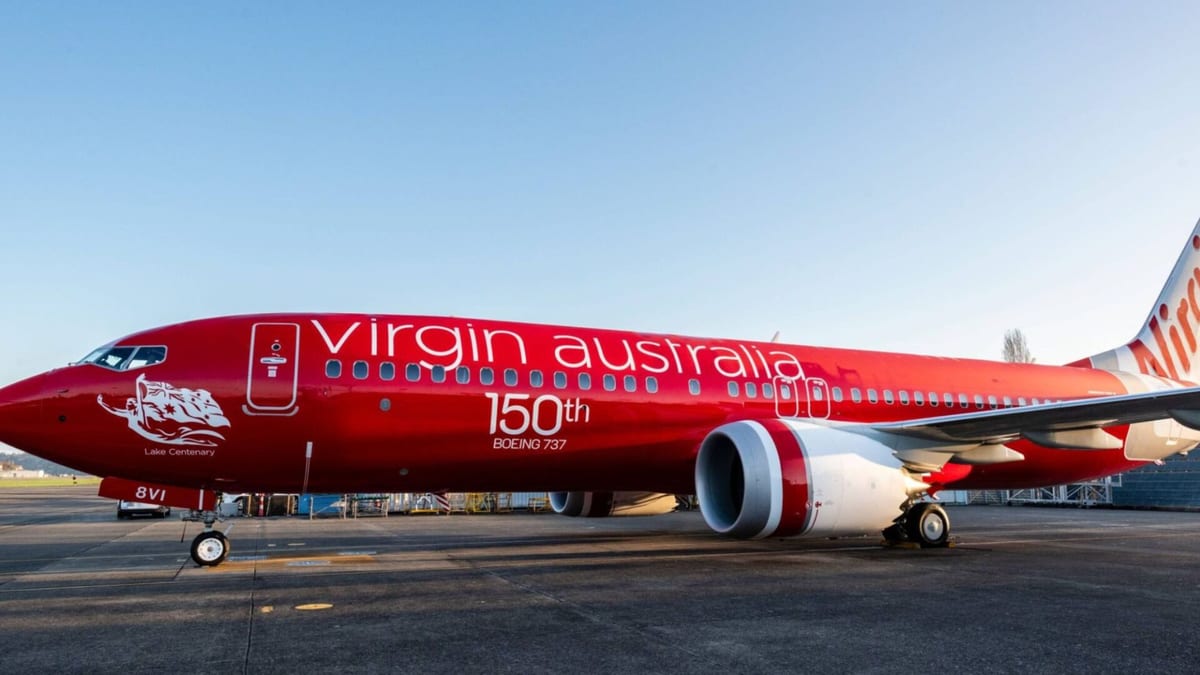
Image by AeroTime
A Nostalgic Nod to the Virgin Blue Start-Up Era
The new retro scheme revives the high-gloss red fuselage, blue tail and classic Virgin script that became familiar across Australian skies during the Virgin Blue years. The updated design is applied to a Virgin Australia Boeing 737, blending the throwback colour palette with the airline’s current branding cues for operational use in today’s fleet.
Virgin Blue launched in 2000 as a low-fare challenger in the Australian domestic market, initially operating a small fleet of Boeing 737s from a Brisbane base. The distinctive red-and-blue paint scheme quickly became part of the airline’s identity, standing out on crowded airport ramps and in marketing that promoted a more relaxed, upbeat style of travel.
Publicly available information shows that Virgin Blue was later rebranded as Virgin Australia in 2011, shifting the carrier toward a more full-service positioning with a new white-and-silver livery. The retro jet now reconnects the modern airline with that early disruptive phase, when low fares and a playful brand helped reshape price expectations on key domestic routes.
The decision to resurrect the Virgin Blue look comes at a time when heritage liveries have become a popular way for airlines worldwide to mark milestones, engage aviation enthusiasts and highlight corporate longevity in competitive markets.
Design Details Blend Heritage and Modern Branding
According to published coverage from aviation and travel outlets, the retro livery closely mirrors the original Virgin Blue design, including the all-red fuselage and blue tail, while adapting certain elements to align with Virgin Australia’s current visual identity. The updated aircraft carries contemporary regulatory markings and branding details but remains immediately recognisable as a tribute to the earlier era.
The original Virgin Blue aircraft featured prominent web addresses and playful slogans along the fuselage, reflecting the airline’s early focus on online bookings and a casual tone. For the retro jet, reports indicate that designers have taken a more streamlined approach, retaining the bold colour blocking and classic Virgin tail logo while keeping the rest of the airframe visually clean and consistent with modern safety and branding standards.
Aviation observers note that the refreshed red scheme is likely to be highly visible on the apron and in social media imagery, which has become an important consideration for branding decisions. Retro liveries often generate strong engagement online, with travellers and spotters sharing photos and tracking aircraft movements across popular flight-tracking platforms.
The aircraft will continue to operate standard Virgin Australia domestic services, meaning passengers may encounter the retro jet on everyday routes rather than on a limited or charter-only schedule. This day-to-day visibility is expected to keep the heritage branding in front of a wide cross-section of travellers.
Why Airlines Are Leaning Into Retro Liveries
Industry analysts highlight that heritage paint schemes have become a strategic marketing tool, particularly for carriers with multi-decade histories or distinct brand phases. By reviving the Virgin Blue look, Virgin Australia joins a group of airlines that use retro jets to tell a story about resilience, evolution and long-standing presence in their home markets.
For many frequent flyers in Australia, Virgin Blue represented their first experience with low-cost domestic travel, and its branding is closely tied to memories of short leisure trips and early online fare sales. Reintroducing those colours can tap into a sense of nostalgia at a time when travel demand is increasingly driven by personal experiences and emotional connection with brands.
Published commentary on airline marketing trends suggests that retro liveries can also act as a bridge between long-time loyal customers and newer passengers who may know only the current brand. Visual storytelling on the fuselage helps communicate the airline’s history without relying on extensive advertising campaigns, turning each airport arrival into a moving billboard for its heritage.
In the broader competitive landscape, where both legacy airlines and newer entrants vie for market share, a distinctive heritage aircraft can serve as a talking point that differentiates a carrier and underscores its role in shaping national aviation over several decades.
Virgin Australia’s Brand Journey Since the Virgin Blue Days
Public records show that Virgin Blue’s launch in 2000 introduced a fresh alternative to Australia’s established incumbents, with a casual culture and simplified service aimed at keeping fares low. Over time, the airline expanded its network, added aircraft and evolved from a pure low-cost model toward a more hybrid offering.
The 2011 rebranding to Virgin Australia marked a significant repositioning, with a new predominantly white livery, upgraded onboard product and a focus on appealing to both corporate and leisure travellers. Partnerships with international carriers and enhancements to the Velocity frequent flyer program deepened its presence in premium and connecting markets.
After a period of financial headwinds and a subsequent restructuring that followed voluntary administration in 2020, the airline emerged under new ownership with a sharpened focus on domestic and short-haul international routes. Recent schedule information and network announcements indicate that Virgin Australia has continued to rebuild capacity and refine its product to compete in a more streamlined form.
The introduction of the Virgin Blue retro jet adds a visual chapter to this trajectory, acknowledging the early low-cost roots while the airline continues to operate as a major full-service player in the Australian domestic market. It underlines the message that, despite changes in business strategy and market conditions, the company’s origins remain central to its identity.
What Travellers Can Expect From the Retro Jet
From a passenger perspective, the main difference on board the retro aircraft will be visual rather than functional. Reports indicate that the interior configuration, seating and inflight services remain aligned with Virgin Australia’s standard 737 product, meaning travellers can expect the same cabin layout, service style and loyalty accrual as on any other aircraft in the fleet.
The most noticeable change will be during boarding, disembarkation and taxi, when travellers can see the bright red fuselage and blue tail from the terminal and apron. Aviation enthusiasts are likely to seek out the aircraft’s rotations using flight-tracking tools, and social media posts of the jet at key airports are already beginning to circulate.
Airline watchers note that retro aircraft often become sought-after by collectors of aviation photography and memorabilia, sometimes prompting the release of limited-edition models or branded merchandise featuring the heritage design. While no such products had been widely reported at the time of writing, the strong visual impact of the Virgin Blue scheme makes it a natural candidate for future tie-ins.
For casual travellers, encountering the retro jet may simply add a moment of novelty to an otherwise routine flight, offering a reminder of how much both Virgin Australia and the wider domestic market have evolved since the early 2000s. For the airline, every appearance of the red-and-blue aircraft reinforces its story of growth from disruptive start-up to established national carrier.