

More news on this day
Virgin Australia has reported a sharp rise in half-year profit to 279 million Australian dollars, and the airline is betting that a deepening partnership with Qatar Airways and a reset in worker conditions will turn that financial momentum into a markedly smoother and more globally connected experience for travellers.
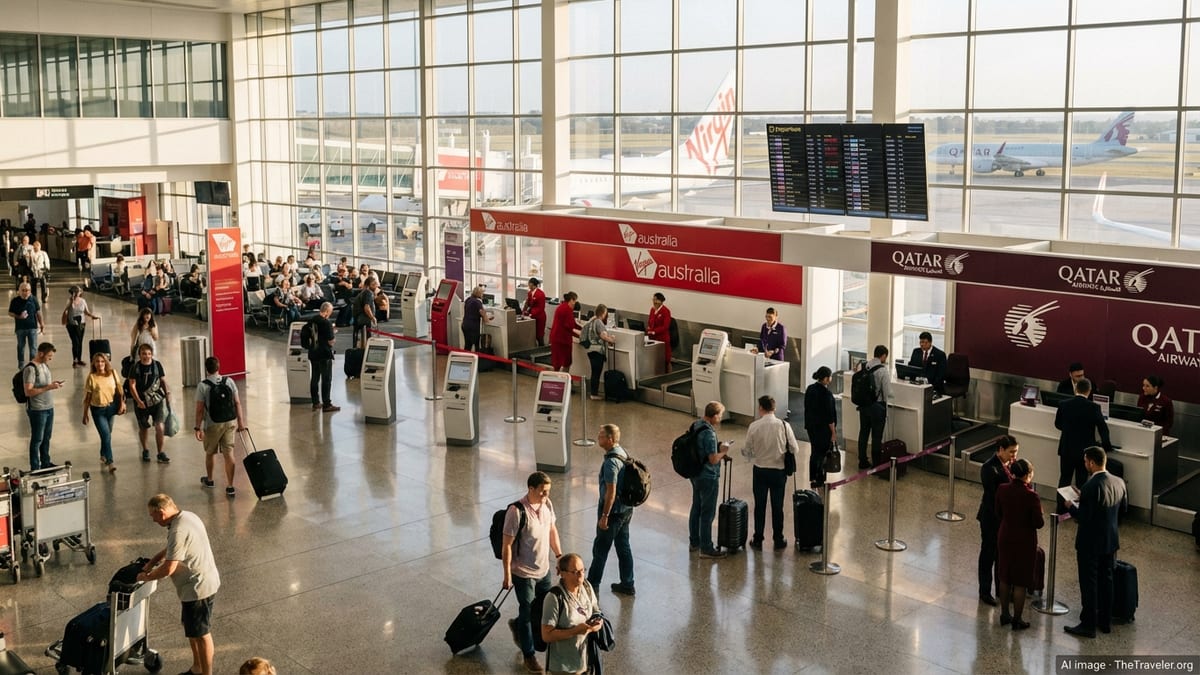
Profit Momentum Puts Expansion Back on the Table
Virgin Australia’s latest half-year result shows underlying net profit climbing to 279 million Australian dollars, up around 21 percent year on year, as strong travel demand and a sweeping transformation program flow through to the bottom line. Revenue rose in the high single digits and earnings margins improved, underscoring that the carrier’s post-administration rebuild is now translating into sustained profitability.
Management has highlighted tighter capacity discipline, smarter revenue management and a more efficient fleet as key drivers of the result. Debt has been pared back to below the airline’s own target range, giving Virgin fresh room to invest in new aircraft, product upgrades and network growth after several years of restructuring and cautious expansion.
For passengers, the numbers matter because they underpin the reliability and scope of future services. A stronger balance sheet allows Virgin to add routes, refurbish cabins and invest in digital tools without the constant pressure to cut corners on service, while also giving it more leverage in negotiations with alliance partners.
The profit surge also strengthens Virgin’s position as a credible challenger to Qantas in the Australian market. With the airline now listed again and meeting or beating market expectations, analysts expect further reinvestment into long-haul capability and loyalty offerings, areas that most directly shape the day-to-day travel experience.
Qatar Airways Partnership Opens New Long-Haul Pathways
Central to Virgin Australia’s growth narrative is its expanding partnership with Qatar Airways, which gives Australian travellers more one-stop links to Europe, the Middle East and Africa via Doha. Under the arrangement, Qatar operates long-haul flights on behalf of Virgin with Virgin flight numbers, connecting major Australian gateways such as Sydney, Brisbane and Perth to Doha, with Melbourne due to follow.
This structure effectively allows Virgin to offer a virtual long-haul network without bearing the full cost and operational risk of running its own widebody fleet on ultra-long sectors. Travellers booking through Virgin gain access to Qatar’s global network of more than 100 onward destinations while earning and redeeming points through the Velocity Frequent Flyer program.
For passengers, the practical impact is increased choice and often better connectivity to secondary European and African cities that traditionally required multiple stops. Timetables have been coordinated to create tighter connections in Doha, and through check-in allows bags to be tagged to the final destination, reducing friction on complex itineraries.
The alliance also raises the competitive stakes in premium cabins. Virgin aims to position itself as a smart alternative for business and premium leisure travellers, pairing Qatar’s onboard product on long sectors with Virgin’s refreshed domestic and short-haul services at either end. If the partnership continues to deepen, travellers can expect more aligned onboard standards, streamlined disruption handling and expanded reciprocal lounge access across the combined network.
Workers Push for a Larger Share of the Gains
The jump in profitability has triggered renewed pressure from unions and staff for Virgin’s private equity owner Bain Capital to channel more of the gains back into the workforce. The Transport Workers’ Union has pointed out that the 279 million dollar result rests heavily on employees who remained with the airline through its administration and subsequent rebuild, often accepting pay restraint and leaner conditions.
Formal bargaining has now begun for ground and cabin crew, with pilots due to enter negotiations later in the year. Worker representatives are seeking significant improvements in rostering practices, staffing levels and work-life balance, arguing that current settings are not sustainable if the airline wants to maintain punctuality and service quality as it grows.
From a passenger perspective, the outcomes of these talks will directly affect the travel experience. Chronic understaffing can lead to longer queues, slower boarding, more frequent delays and stretched cabin service on board. Better rosters and more predictable workloads, by contrast, tend to translate into calmer operations, more consistent on-time performance and staff who are less fatigued and better able to assist when things go wrong.
Virgin’s leadership has acknowledged that maintaining a motivated and stable workforce is a strategic priority. With profitability restored and major growth opportunities emerging through the Qatar alliance and fleet renewal, the airline faces pressure to show that its transformation story now includes tangible gains for the people greeting customers at check-in counters and in aircraft cabins.
What Travellers Can Expect in the Cabin and on the Ground
As Virgin Australia rides its profit upswing, travellers are likely to see a series of incremental but noticeable improvements rather than a dramatic overnight overhaul. On the ground, investment is being directed towards more reliable operations, including tighter on-time performance targets and technology upgrades designed to improve rebooking, notifications and self-service options during disruptions.
Within Australia, the airline is continuing to densify and refresh cabins on its Boeing 737 fleet, seeking to strike a balance between adding seats and maintaining comfort. That typically means newer seats with better ergonomics, refreshed interiors and expanded in-flight connectivity options, especially on key business routes linking cities such as Sydney, Melbourne and Brisbane.
Through its alliance with Qatar Airways, Virgin customers booking long-haul journeys can increasingly expect a more joined-up experience across airlines. That includes coordinated seating options, recognition of frequent flyer status, smoother handling of missed connections and aligned baggage rules, all of which reduce the uncertainty that often accompanies multi-carrier itineraries.
If negotiations with staff deliver the stability unions are seeking, passengers may also notice a less tangible but important shift in service culture. Crews with more predictable rosters and greater staffing support tend to have more time to assist families, business travellers and those needing extra help, turning what can feel like a purely functional journey into a more personalised experience.
A Stronger Challenger Shapes the Next Phase of Competition
Virgin Australia’s 279 million dollar profit surge and its growing partnership with Qatar Airways arrive at a pivotal moment for aviation in the region. After years of pandemic disruption, capacity shortages and high fares, regulators and consumers alike are pushing for more competition and better value on key domestic and international routes.
By leveraging Qatar’s global reach while reinvesting in its own fleet and workforce, Virgin is positioning itself as a more formidable rival to incumbents, including on lucrative Europe-bound traffic from Australia. That added competitive tension could ultimately feed through to sharper pricing, more fare sales and improved product offerings as airlines vie for high-yield corporate and premium leisure travellers.
The challenge for Virgin will be to convert its financial turnaround into durable operational gains without overreaching. Long-haul expansion through partnerships, rather than going it alone, is intended to cap risk while still giving customers global options. Simultaneously, the airline’s response to worker demands will test its ability to balance shareholder expectations with the need for a stable, service-focused front line.
For now, the combination of rising profits, an increasingly powerful alliance with Qatar Airways and mounting calls to lift working standards suggests that the next phase of Virgin Australia’s evolution will be felt most directly in the way Australians and international visitors plan, book and experience their journeys across the network.