

More news on this day
Hungary’s national tourism body is expanding its collaboration with travel technology group Amadeus, using advanced data and media tools to attract more visitors and spread tourism beyond Budapest’s well-trodden highlights.
Get the latest news straight to your inbox!
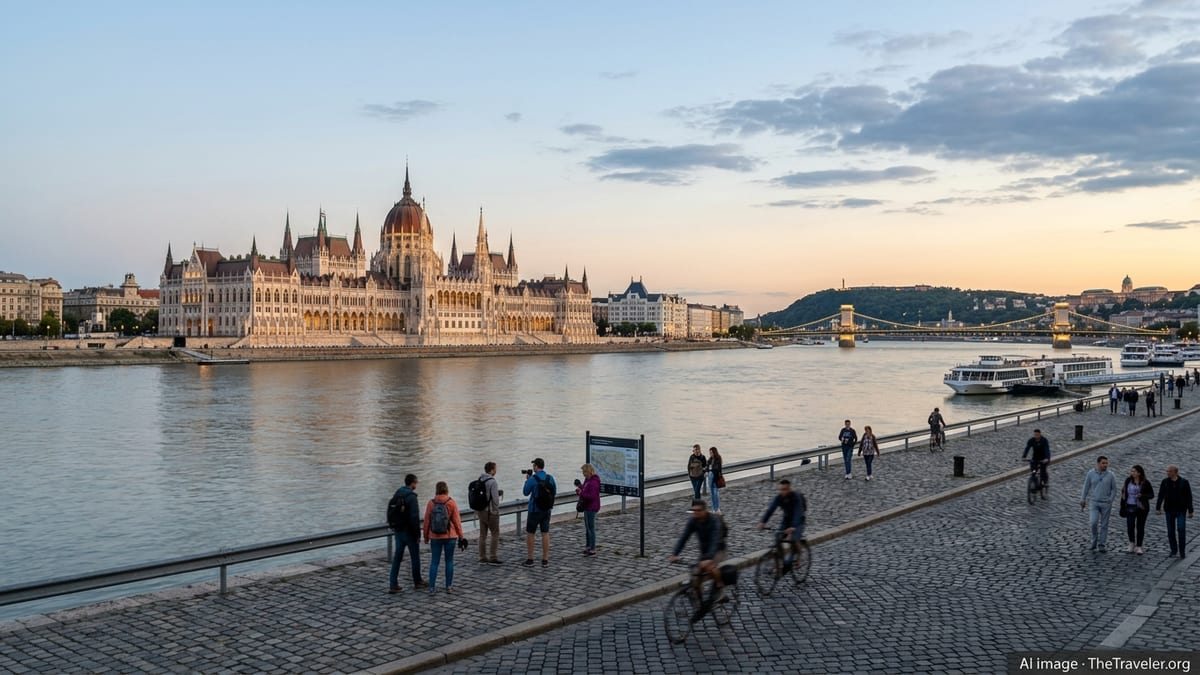
Deeper Collaboration Targets Growth Beyond Budapest
Publicly available information indicates that Visit Hungary is broadening its use of Amadeus platforms to shift demand from classic city breaks toward lesser-known regions. The enhanced partnership builds on earlier work with Amadeus travel intelligence, now adding more sophisticated audience targeting and campaign measurement capabilities.
The goal, according to recent industry coverage, is to drive higher-value stays and increase the share of visitors exploring countryside wine regions, spa towns, and UNESCO-listed cultural landscapes. This reflects a wider strategy within Hungarian tourism to balance record interest in Budapest with more even regional development.
At the same time, the partnership is expected to help the destination react more quickly to changing travel patterns. Granular booking data from Amadeus systems can highlight emerging source markets, preferred routes, and booking windows, allowing Visit Hungary to adjust its marketing in near real time.
For Hungary’s tourism sector, which has seen strong recovery and new air links across Europe and beyond, the expanded agreement reinforces a data-driven approach to destination management and international promotion.
Leveraging Travel Intelligence and Media Solutions
Reports on the collaboration state that Visit Hungary is tapping into Amadeus travel intelligence tools to analyze global search and booking behavior. These solutions aggregate anonymized airline and agency data, helping destinations understand when and how travelers are planning their trips, which competitors they are considering, and what price points are driving conversion.
In parallel, Amadeus media and advertising capabilities are being used to reach travelers directly within the trip-planning journey. Campaigns can be displayed on booking platforms and partner channels at the moment potential visitors are searching for flights or accommodation in Central Europe, increasing the likelihood that Hungary appears in their short list.
This combination of insight and activation is becoming a standard playbook for national tourism organizations seeking to stretch their marketing budgets. By focusing on audiences that have already shown intent to travel, Visit Hungary can prioritize markets and segments that offer the greatest potential for incremental arrivals and spending.
Industry commentary suggests that this kind of targeted media spend also supports seasonality management. Data-led campaigns can be timed to promote shoulder seasons or specific events, helping destinations distribute visitor flows more evenly throughout the year.
Supporting Regional Diversification and Sustainable Tourism
The expanded partnership aligns closely with Hungary’s broader ambitions to diversify its tourism offer and encourage travel outside traditional hotspots. Coverage of Visit Hungary’s recent initiatives points to a growing emphasis on wellness tourism, wine and gastronomy routes, river experiences along the Danube and Tisza, and cultural heritage in historic towns.
By working with Amadeus to identify where prospective visitors are searching and booking, tourism planners can highlight routes and products that lead directly to regional destinations. For example, campaigns can promote itineraries that combine Budapest with thermal spa regions, lake resorts, or lesser-known historic cities reached via domestic rail or short transfers.
This approach supports sustainable tourism objectives by easing pressure on central districts in Budapest, spreading economic benefits more widely, and encouraging longer stays. Data-driven promotion can also be tailored to attract segments that are more likely to respect local culture and environment, such as cultural enthusiasts, wellness travelers, and small-group tour guests.
Hungarian tourism stakeholders have repeatedly signaled interest in improving visitor management and preserving heritage sites, and a more precise understanding of demand patterns is viewed as an important tool for achieving those aims.
Hungary Rides Broader Wave of Tech-Led Tourism Deals
The Visit Hungary and Amadeus collaboration is part of a wider trend of tourism boards and travel technology providers deepening their relationships. Recent announcements in other markets show Amadeus signing multi-year deals with airlines, travel agencies, and destination organizations seeking to upgrade distribution, merchandising, and data capabilities.
Analysts note that national tourism organizations increasingly look to global platforms for insight that would be difficult to gather independently. With booking channels fragmenting and travelers shifting across online agents, airline sites, and meta-search engines, centralized data sets offer a clearer picture of overall demand.
For Hungary, partnering more closely with a major technology group offers additional visibility within international travel networks. The country is competing with established European destinations for long-haul visitors and repeat travelers from within the region, and prominent placement within digital booking environments can help level the field.
The emphasis on measurable outcomes, such as reported double-digit uplift in bookings linked to targeted campaigns, reflects a broader move toward performance-based destination marketing, where budgets are increasingly tied to demonstrated return on investment.
Implications for Travelers and Industry Partners
For travelers, the expanded partnership is expected to translate into more tailored inspiration and easier trip planning. Prospective visitors researching Europe may encounter more Hungary-focused content, dynamic offers, and suggested itineraries embedded into booking journeys, highlighting both Budapest landmarks and off-the-beaten-path experiences.
Industry partners in Hungary, including hotels, tour operators, and regional attractions, may benefit from better-aligned international promotion. As Visit Hungary refines its targeting with Amadeus tools, local stakeholders can coordinate their own campaigns and product development around priority markets and themes identified in the data.
Travel advisors and agencies connected to Amadeus systems could also see improved access to destination information and promotional content, simplifying the process of packaging Hungary into multi-country European trips. This may be particularly relevant for long-haul travelers seeking curated routes that combine major capitals with smaller cultural stops.
Overall, the strengthened partnership underscores how data, media technology, and destination strategy are converging. Hungary’s move to expand its collaboration with Amadeus illustrates how smaller countries can use global platforms to sharpen their competitiveness and spotlight a more diverse range of experiences for international visitors.