

Africa is a vast, endlessly varied continent that can feel both thrilling and intimidating to first‑time visitors. From savannahs and deserts to megacities and tropical coastlines, it offers some of the most memorable travel experiences on earth.
At the same time, crossing multiple borders, understanding health and visa rules, and navigating safety concerns takes more preparation than a quick city break in Europe or North America. This practical guide is designed to help first‑time travelers approach Africa with curiosity, respect, and confidence, and to make informed decisions before and during their trip.
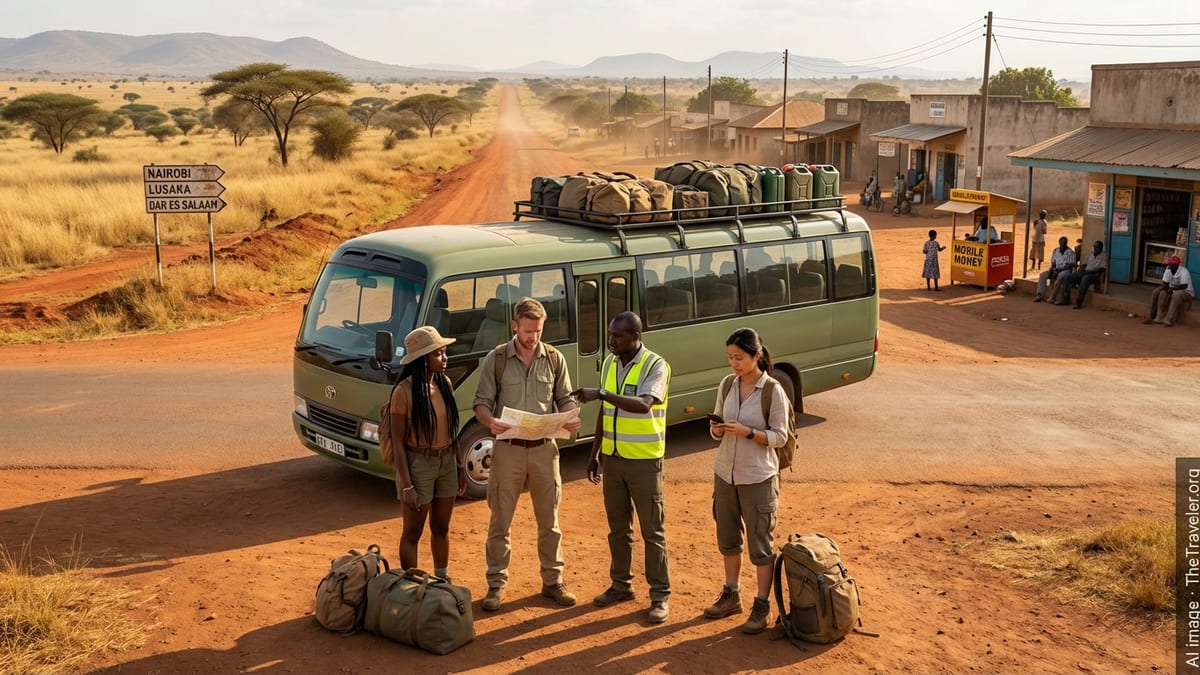
Understanding the Scale and Diversity of Africa
Many first‑time visitors arrive in Africa with a single mental picture: a safari landscape, a desert dune, or a crowded market. In reality, this is the world’s second‑largest continent, with more than 50 countries and thousands of cultures, languages, and ecosystems. Traveling from Morocco to South Africa, or from Senegal to Kenya, involves distances comparable to crossing continents elsewhere. Weather, infrastructure, political conditions, and customs can change dramatically from one country to the next, and even between regions of the same country.
Recognizing that diversity is the first step to a successful trip. A beach holiday in Zanzibar has little in common with a road trip across Namibia, and both are very different from exploring Lagos, Cairo, or Addis Ababa. Expectations around dress, public behavior, tipping, and photography also vary. Before you book, think in terms of specific countries or regions rather than “Africa” as a single destination. Consider what you want most from your journey: wildlife, food, history, music, hiking, beaches, or urban culture, and then narrow your plans around those priorities.
Language is another axis of diversity. English, French, Arabic, Portuguese, and Swahili are widely used in different regions, but most countries have many local languages, each tied to distinct histories and identities. Learning a few phrases, whether in Swahili, Arabic, or a local language like Wolof or Amharic, can transform everyday interactions. It signals respect and often opens doors to conversations and experiences you will not find in guidebooks or tours.
Finally, it is important to arrive with a flexible mindset. Infrastructure can be excellent in some cities and fragile in others. Power cuts, internet outages, and sudden schedule changes are part of travel reality in many places. Treat these as context rather than crisis, and use them as opportunities to slow down, talk to people, or explore what is immediately around you.
Choosing Where to Go and When
For a first visit, most travelers focus on one or two countries rather than trying to move quickly across the continent. Popular introductory routes include southern Africa’s safari and city circuit, East Africa’s wildlife and coast, North Africa’s historic cities and deserts, and West Africa’s cultural capitals and Atlantic beaches. Each region has its own rhythms, best seasons, and types of travel experiences, and your timing will shape what you can realistically do.
In East Africa, the dry season from June to October is generally considered best for classic safaris in Kenya and Tanzania, with many visitors planning around wildlife spectacles such as the Great Migration in the Serengeti and Maasai Mara. Coastal areas like Zanzibar and parts of Kenya’s Indian Ocean shore are also popular during these months and in the December to March window, when seas are usually calm and water visibility is good. The long rains from March to May bring lush landscapes and fewer crowds but can disrupt road conditions and flights in some areas.
Southern Africa has a distinct pattern. Wildlife viewing in countries like South Africa, Botswana, Namibia, and Zimbabwe is often best in the dry winter months from about May to October, when vegetation is thinner and animals gather near water sources. Cape Town and the Western Cape, meanwhile, shine in the southern summer from November to March, when beach weather, outdoor dining, and wine country excursions dominate. If your trip combines multiple climates, such as safari and city breaks, you may need to accept trade‑offs and pack for a wide temperature range.
North and West Africa require separate planning again. North African countries such as Morocco, Tunisia, and Egypt are more comfortable in the cooler months between roughly October and April, especially if you plan to spend time in the desert. West African nations like Senegal, Ghana, and Côte d’Ivoire tend to be hot year‑round, with variations between dry and rainy seasons. Whenever you go, watch local holiday periods and major festivals, which can affect prices and availability but also add rich cultural layers to your visit.
Visas, Entry Rules, and Essential Travel Documents
Visa and entry conditions can be one of the trickiest parts of planning a first trip to Africa, and they change more frequently than many travelers expect. Some countries offer visa‑free entry or visas on arrival to certain nationalities, while others require pre‑arranged visas, e‑visas, or referral visas approved in advance. It is crucial to check the official immigration or foreign affairs website of the country you plan to visit, and to verify rules again shortly before departure in case of policy updates.
Several African countries now operate e‑visa systems that allow travelers to apply and pay online, then enter with digital approval and a printout. Others maintain traditional paper applications processed through embassies or consulates. You may also encounter multi‑country regional visas, such as joint arrangements in parts of East and Southern Africa, which can simplify border crossings on overland routes. Be prepared with clear scans of your passport, passport‑style photos, proof of accommodation, and sometimes a detailed itinerary or return ticket, as these are commonly requested.
Health requirements are another key part of entry rules. Many countries in East, West, and Central Africa require proof of yellow fever vaccination for travelers arriving from or transiting through countries where the disease is present, with some enforcing this even for airport layovers beyond a specified number of hours. Official guidance also evolves around other health issues, from outbreaks of infectious diseases to mandatory insurance in specific regions for visitors. Travelers headed to places like Zanzibar, for instance, should review whether local authorities require proof of travel insurance upon entry and ensure their policy meets any specified standards.
Your passport should typically have at least six months of validity remaining beyond your intended return date and several blank pages for visas and entry stamps. Carry both physical and digital copies of your passport, visa approvals, and insurance documents, storing them separately from the originals. When crossing borders overland, patience is essential, as procedures may mean longer waits and multiple document checks. Staying organized with a folder or travel wallet will help the process feel manageable rather than overwhelming.
Health, Vaccinations, and Staying Well on the Road
Preparing for health issues is part of responsible travel anywhere, but it requires particular attention before a first trip to Africa. Well before you go, schedule an appointment with a travel medicine clinic or a physician familiar with the region you will visit. They can review your routine vaccinations, recommend region‑specific shots such as yellow fever or hepatitis, and discuss malaria prevention if relevant. Start this process several weeks ahead, since some vaccines involve multiple doses or may need time to take effect before you travel.
Malaria risk varies widely between countries and even between areas of the same country. Coastal cities and highland capitals may have different profiles from low‑lying rural areas and game reserves. Your doctor can recommend preventive medication based on your exact itinerary and medical history. You will also want to pack insect repellent with an effective active ingredient, clothing that covers arms and legs in the evenings, and, where appropriate, a treated bed net. While malaria is an understandable concern, thoughtful preparation goes a long way toward reducing risk.
Beyond vaccinations and malaria, think about everyday health maintenance. Food and water safety practices can greatly reduce the odds of stomach illnesses. Many travelers choose bottled or properly filtered water, avoid ice in regions with uncertain water quality, and favor freshly cooked, piping hot dishes over food that has been sitting out. At the same time, street food and local eateries are an important part of the continent’s culinary culture. Look for busy stalls with a fast turnover of food, observe basic hygiene practices, and follow local recommendations to enjoy those experiences more safely.
Travel insurance that includes medical coverage and medical evacuation is highly recommended, especially if you will spend time in remote areas, on safari, or in countries where advanced hospital care may be limited or concentrated in major cities. Carry a small, personalized medical kit with any prescription medications, a copy of your prescriptions, basic pain relief, rehydration salts, and a few first‑aid essentials. If you have allergies or chronic conditions, consider carrying a letter from your doctor summarizing your treatment, and make sure someone traveling with you knows how to respond in an emergency.
Safety, Security, and Responsible Awareness
Safety is often a top concern for first‑time visitors to Africa, and the reality is nuanced. Certain regions and countries currently carry serious government travel advisories relating to conflict, terrorism, or political instability, while many of the continent’s most visited destinations operate stable, well‑regulated tourism industries. Before you commit, read your own government’s travel advisories for each country on your itinerary, paying attention not only to the overall threat level but also to regional differences within a given country.
Major cities such as Johannesburg, Nairobi, Lagos, and others have high levels of crime in specific neighborhoods and at certain times of day, just as large cities do elsewhere in the world. Common‑sense precautions help: avoid displaying expensive jewelry and electronics, be discreet when using your phone in crowded public spaces, take licensed taxis or trusted ride‑hailing services where available, and ask local hosts or hotel staff which areas are safe to walk in and which are better avoided after dark. Many travelers find that booking airport transfers in advance and arriving in daylight hours eases the transition into a new city.
On safari or in wilderness areas, the primary safety risks are different. Wild animals, rough terrain, and long distances from medical care require careful adherence to park rules and guide instructions. Never leave vehicles in game reserves except in designated areas, keep a safe distance from wildlife, and respect any safety briefings regarding activities like walking safaris, boat trips, or swimming. For self‑drive trips, especially in remote parts of southern Africa, plan fuel and rest stops in advance, travel with adequate water, and avoid driving at night on rural roads where livestock, wildlife, and unlit vehicles are common.
Responsible travelers also pay attention to political developments and local tensions. Demonstrations and strikes can occur with limited notice, affecting transport or leading to confrontations with security forces. It is generally wise to avoid protests and large political gatherings, even if they appear peaceful at first. Check local news sources, ask your accommodation for updates, and enroll in your government’s travel registration program if one exists. Overall, a combination of situational awareness, respect for local advice, and realistic itinerary planning can help you stay secure without becoming anxious or closed off to genuine encounters.
Money, Connectivity, and Day‑to‑Day Practicalities
The financial and practical side of travel in Africa can look quite different from a typical trip in Europe or North America. Many countries are still largely cash‑based, particularly in smaller towns and rural areas, although major cities and established hotels increasingly accept cards and digital payments. Before you travel, research the local currency and typical exchange rates, then arrive with a small amount of cash in a widely accepted international currency to cover early expenses until you can reach an ATM or exchange office.
Bank machines are common in big cities and airports, but they may be scarce in remote regions, national parks, or islands. It is wise to withdraw enough local currency in urban centers before continuing to smaller destinations. To reduce the risk of card skimming and theft, use ATMs at reputable banks or inside shopping centers where possible, shield your PIN, and keep bank contact numbers handy in case you need to freeze a card. Carry a mix of cash and cards, distributed in different secure places on your person and in your baggage.
Mobile connectivity is generally improving across the continent, but coverage, speed, and price vary sharply by country and region. In many places, buying a local SIM card with data is easy and cost‑effective, provided your phone is unlocked and you comply with any registration rules such as presenting your passport. In rural areas, national parks, and desert or mountain regions, expect patchy or non‑existent mobile and internet access. Download maps, translation tools, and important documents for offline use before leaving a city, and let family or friends know when you will be out of coverage for extended periods.
Everyday logistics, from transport to tipping, also differ by destination. In some countries, long‑distance travel is dominated by buses and shared minibuses, while in others domestic flights and private transfers are more common for visitors. Ride‑hailing apps may be available in larger cities, but they sometimes operate alongside local taxi associations with their own rules and tensions. Tipping customs vary: some areas include service charges in restaurant bills, while elsewhere gratuities are a significant part of service workers’ income. Asking discreetly at your hotel or from local guides is a respectful way to understand what is appropriate.
Cultural Sensitivity, Etiquette, and Ethical Tourism
Travel in Africa is at its richest when visitors approach communities with curiosity and humility. Cultural norms can differ significantly from what you are used to, particularly around dress, public affection, photography, and discussions of politics or religion. In more conservative regions, especially parts of North and East Africa and some rural communities elsewhere, modest clothing that covers shoulders and knees is expected, particularly in religious sites and family neighborhoods. Even in less conservative areas, dressing with a degree of respect is often appreciated and can influence how you are received.
Photography is another sensitive area. It can be tempting to capture every colorful market or rural scene, but people are not props, and many travelers underestimate how intrusive a camera can feel. Always ask before photographing individuals, and accept no for an answer without argument. Some communities are comfortable with photos if they are asked politely; others may prefer privacy. In certain countries, taking pictures of government buildings, military sites, borders, or critical infrastructure is illegal or strongly discouraged, and can lead to serious trouble. Learn the local rules, and when in doubt, leave the camera down.
Conversations on history, politics, and identity can be complex. Many African countries are still grappling with the legacies of colonialism, post‑independence upheavals, and uneven economic development. Listening more than you speak, avoiding sweeping generalizations, and showing a willingness to learn will go a long way. Supporting local businesses, guides, artisans, and community‑based tourism initiatives helps ensure that money from your trip reaches the people whose cultures and environments you are enjoying.
Finally, consider the environmental and ethical dimensions of activities involving wildlife and vulnerable communities. Choose reputable safari operators and lodges that follow conservation guidelines and contribute to local livelihoods. Be wary of attractions that allow close contact with wild animals or offer entertainment at the expense of animal welfare. When visiting villages or community projects, favor organizations that are locally led, transparent about how funds are used, and respectful of residents’ dignity and privacy.
The Takeaway
Visiting Africa for the first time is a powerful experience, full of moments that can reshape how you see the world. The continent’s sheer variety demands more research and preparation than many other destinations, but that work pays off in smoother travel, safer decisions, and more meaningful encounters. Understanding seasonal patterns, entry regulations, and health requirements gives you a practical foundation. Paying attention to security guidance, local customs, and ethical choices ensures that your presence is as positive as possible for the people and places you visit.
No single trip can “cover” Africa. That is part of its appeal. Treat your first visit not as a once‑in‑a‑lifetime safari or city break but as the beginning of an ongoing relationship with a continent too complex to summarize. Start with a focused, realistic itinerary; travel slowly where you can; and leave space for unplanned conversations and discoveries. With preparation, awareness, and respect, your first journey to Africa can be both safe and unforgettable, opening the door to many return visits in the years ahead.
FAQ
Q1. Is it safe to visit Africa for a first‑time traveler?
Safety varies widely across the continent. Many popular destinations in East, West, North, and Southern Africa receive millions of visitors each year without incident, while some countries or regions currently carry serious travel advisories due to conflict, crime, or political instability. The most important steps are to check up‑to‑date guidance from your own government for each country on your itinerary, follow local advice about neighborhoods and activities, avoid demonstrations and high‑risk areas, and use common‑sense precautions similar to those you would take in any large city or unfamiliar environment.
Q2. Do I need many visas to travel around Africa?
Visa requirements differ by country and by your nationality. Some countries are visa‑free or offer visas on arrival to certain passports; others require an e‑visa or a pre‑approved visa from an embassy. If you are planning to cross several borders, you may need multiple visas and careful timing to avoid overstays. Always rely on official immigration or foreign affairs sources for current rules, and apply early where advance approval is required. It is usually easier for first‑time visitors to focus on one or two neighboring countries rather than a long overland route with many border crossings.
Q3. What vaccinations and health precautions are recommended?
Recommended vaccinations depend on your itinerary and medical history, but travelers are often advised to ensure routine vaccinations are up to date and to consider region‑specific shots such as yellow fever, hepatitis A and B, and typhoid. In many parts of Africa, especially low‑lying rural and coastal zones, travelers may also need malaria prevention tablets. Because requirements and disease patterns change, you should consult a travel medicine clinic several weeks before departure. They can also advise on food and water safety, insect bite protection, and any recent health alerts in your destination countries.
Q4. When is the best time of year to visit Africa?
There is no single best time, because seasons and travel styles differ so much between regions. For classic wildlife safaris in much of East and Southern Africa, the dry months from roughly June to October are favored, while coastal beach areas often have two main good seasons spread across the year. North Africa is more comfortable outside the peak of summer heat, typically between October and April. West African climates are hot year‑round, with shifting dry and rainy seasons. Start by deciding what you want to do most, then look up the best months for those specific activities and countries.
Q5. How much money should I budget for a first trip?
Budgets range widely. Overland backpackers using public transport and guesthouses can travel relatively inexpensively in some countries, while high‑end safaris and fly‑in lodge circuits can be among the most expensive trips in the world. Major costs include international flights, domestic transport, accommodation, guided activities such as game drives, park fees, meals, and travel insurance. As a starting point, decide whether you are aiming for budget, mid‑range, or luxury travel, then research typical daily costs in your chosen destinations. Build in a buffer for unexpected expenses, especially if traveling to remote areas where alternatives may be limited.
Q6. Is it better to book a tour or travel independently?
Both approaches can work, and many travelers combine them. Organized tours or packages can be a good option for first‑time visitors who want to visit remote wildlife areas, cross multiple borders, or have limited time for planning. They may include transport, guides, and park logistics that would be complicated to arrange alone. Independent travel offers more flexibility and can be more affordable in urban and well‑connected regions, where public transport and local guesthouses are widely available. Your decision should reflect your comfort level, travel experience, language skills, and the specific countries you plan to visit.
Q7. What should I pack for a trip to Africa?
Packing depends on your itinerary and season, but some essentials are consistent. Light, breathable clothing suitable for hot climates is useful almost everywhere, along with at least one warmer layer for cool nights or high‑altitude cities. Neutral‑colored clothes work well for wildlife viewing, while modest outfits that cover shoulders and knees are respectful in many communities and religious sites. A wide‑brimmed hat, sunglasses, sunscreen, insect repellent, comfortable walking shoes, and a basic medical kit are important. Because luggage space on small planes and safari vehicles can be limited, soft bags and careful, minimalist packing are often recommended.
Q8. How reliable are internet and mobile phone services?
Coverage is generally good in major cities and tourist hubs, where mobile data and Wi‑Fi in hotels and cafes are widely available. Rural areas, national parks, deserts, and mountain regions often have weak or no signal, and connections can be slow or intermittent even where coverage technically exists. Many visitors buy a local SIM card with data on arrival, which is usually affordable and straightforward with a passport. If you expect to spend time off‑grid, download maps, key documents, and translation tools in advance, and let someone know when you will be difficult to contact.
Q9. How can I be a respectful and ethical traveler in Africa?
Being respectful begins with recognizing that you are a guest in someone else’s home. Learn a few words of local language, ask permission before taking photos of people, dress modestly where appropriate, and be curious rather than judgmental about different customs. Support locally owned businesses, guides, and community‑based tourism projects so that money from your trip stays in the region. Choose wildlife experiences that prioritize animal welfare and conservation over close contact or staged encounters. Avoid giving money directly to children, and instead support reputable organizations if you want to contribute to social projects.
Q10. Is it suitable to travel with children or older family members?
Many families visit Africa together and have rewarding experiences, but extra planning is needed. With children, consider shorter travel days, family‑friendly lodges, and malaria‑free or low‑risk areas if possible. Check age restrictions for certain activities, such as walking safaris, which often have minimum ages. For older travelers or those with mobility or health issues, factor in the distances between destinations, the quality of medical facilities, and the comfort level of road journeys or small aircraft. Choosing a slower, more focused itinerary and discussing needs with operators or hotels in advance can make the trip more comfortable and enjoyable for everyone.