

Arkansas likes to call itself the Natural State, and that label is well earned. From the Ozark and Ouachita mountains to the thermal waters of Hot Springs and the quiet bayous of the Delta, the state offers more variety than many visitors expect. Before you go, though, it helps to understand the seasons, driving realities, safety considerations, and local etiquette that shape travel here. These practical tips will help you enjoy Arkansas at its best while avoiding common missteps.
Understand Arkansas’s Seasons Before You Book
Arkansas has four distinct seasons, and they will shape your trip more than almost anything else. Summers are long, humid and often very hot, with daytime highs commonly in the 80s and 90s Fahrenheit and occasional heat index values that feel much hotter, especially in lowland areas. Outdoor activities are still possible, but you will want to plan hikes and sightseeing in the early morning or evening, and build in time for air conditioned breaks during the afternoon.
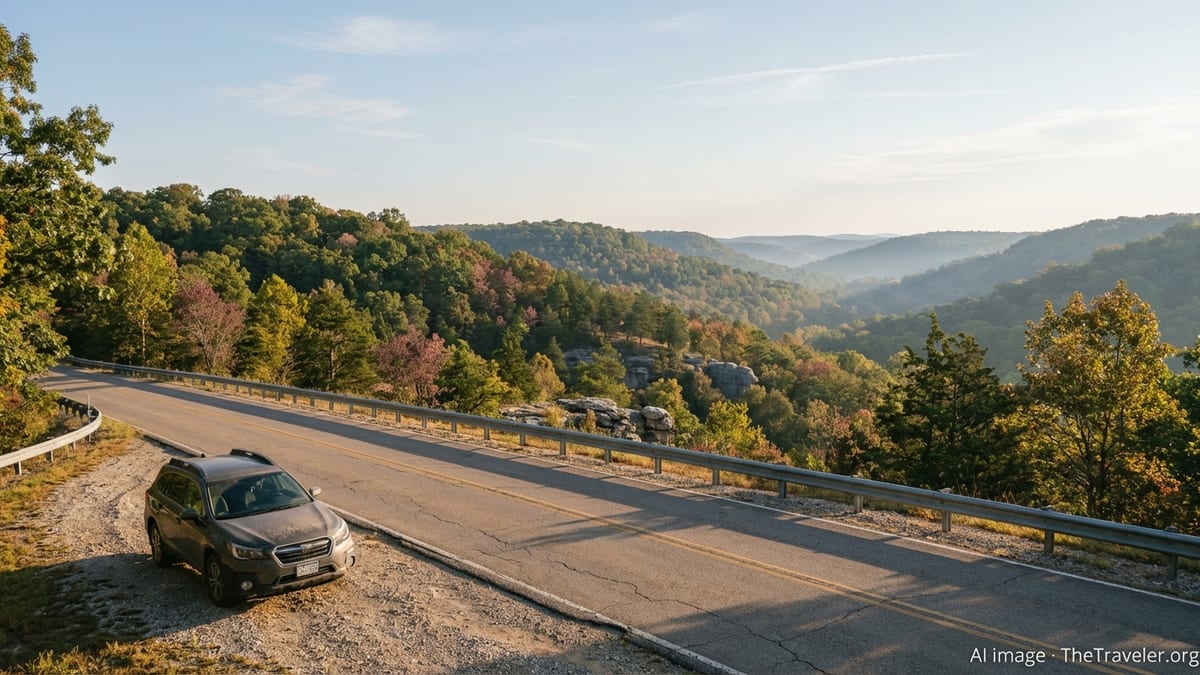
Spring and fall are generally the most comfortable times to visit, especially if you plan to hike state parks or explore Hot Springs National Park. In those shoulder seasons, daytime temperatures are typically mild, humidity is lower than in midsummer, and you are more likely to get clear, pleasant days for driving scenic byways or wandering small downtowns. Spring can bring thunderstorms and sudden weather changes, while fall often offers crisp mornings, warm afternoons and colorful foliage in the Ozarks and Ouachitas.
Winters in Arkansas are usually short and comparatively mild, but cold snaps, ice storms and a dusting of snow are all possible. In places like Hot Springs, winter temperatures can feel much colder when wind and humidity are factored in, and trails can become slick. If you visit between December and February, pack for variable weather and keep an eye on local forecasts, especially if you will be driving mountain roads or hiking.
Because Arkansas sits in a region prone to strong storms, severe weather is something to take seriously year round. Spring and early summer tend to bring the greatest risk of heavy rain, lightning, and the occasional tornado. Check conditions frequently, download a reliable weather app, and be ready to adjust your plans. On the trail, turn back if thunder starts rumbling and avoid exposed ridges or open fields during storms.
Choosing Where to Go: Cities, Small Towns, and the Natural State
Many first time visitors know Arkansas mostly for Little Rock and perhaps the thermal baths of Hot Springs, but the state is far more varied than its modest size suggests. The northwest corner around Fayetteville, Bentonville and Rogers blends a university town atmosphere with a fast growing arts and cycling scene. Here you will find museums, mountain bike trail networks and access to the Ozark foothills. Central Arkansas anchors around Little Rock and North Little Rock, where the Arkansas River corridor, cultural institutions and a growing food scene appeal to urban oriented travelers.
Elsewhere, you will encounter a patchwork of college towns, historic villages and tiny communities that feel frozen in time. Eureka Springs in the northwest is known for its Victorian architecture and steep streets, while Mountain View celebrates folk music and traditional crafts. In the Delta region along the Mississippi River and in the southeast, the pace slows dramatically, with flat agricultural landscapes, small river towns, and emerging rail trails such as the evolving Delta Heritage Trail State Park corridor. These areas reward patient travelers who appreciate quiet drives, subtle scenery and local stories.
If you are visiting primarily for outdoor recreation, you will likely split time between Arkansas’s two major mountain regions and its lakes and rivers. The Ozarks, in the north and northwest, offer rugged karst landscapes, clear streams, and popular destinations like Buffalo National River country and the state parks near Fayetteville. The Ouachita Mountains in the west and southwest tend to be more rolling but still forested and scenic, with lakes, hot springs and long distance trails. Lake Ouachita, DeGray Lake and other reservoirs support boating, paddling and fishing in season.
Because distances in Arkansas can be deceptive, it is wise to group destinations by region rather than trying to crisscross the state on a short trip. Expect to drive two to four hours between major areas, and remember that some of the best places are down slower two lane highways. Build in extra time so you can pull off for scenic overlooks, discover small cafes, or adjust your route if a low water bridge is flooded or a backroad detour appears.
Weather, Packing and Staying Comfortable Outdoors
Packing smart for Arkansas means preparing for humidity, rapid weather changes and a mix of indoor and outdoor experiences. In warm months, breathable, moisture wicking clothing will make hikes and urban exploring far more pleasant. Choose light colored shirts, shorts or hiking pants, and bring a hat, sunglasses and plenty of sunscreen. Expect to sweat, and plan on carrying more drinking water than you think you will need, particularly on exposed trails or during lake days.
In spring and fall, layering is essential. A cool morning in the Ozarks can quickly turn into a warm, sunny afternoon, then cool again after sunset. A lightweight fleece or sweater, a packable rain jacket and comfortable hiking shoes that can handle mud will cover most situations. If you have allergies, consider bringing medication during the spring pollen season, which can be intense in some parts of the state.
For winter trips, especially if you plan to spend time hiking or exploring state parks, pack gloves, a warm hat and insulating layers even if the forecast shows relatively mild temperatures. Wind and damp air can make it feel colder than the thermometer suggests. Icy patches can form on shaded trails and bridges, so traction oriented footwear is a smart addition.
Finally, do not overlook sun and insect protection. Ticks, mosquitoes and chiggers are part of outdoor life in Arkansas, especially from late spring through fall and in brushy or grassy areas. Long, lightweight pants, insect repellent, and doing a thorough tick check after hikes or picnics will reduce your risk of bites. On the water, whether you are paddling a river or out on a lake, carry dry bags for electronics, wear a properly fitted life jacket, and keep an eye on the sky for sudden storms.
Driving, Backroads and Getting Around Safely
Arkansas is very much a road trip state. Outside of a few larger cities, public transit options are limited, and many of the most beautiful or interesting places are reachable only by car. Interstate highways like I 40 and I 30 carry you across the state quickly, but the real charm lies on state highways and forest roads that wind through hills and farmland. Follow the posted speed limits and be prepared for sharp curves, steep grades and the occasional open range livestock or wildlife crossing, especially at dawn and dusk.
Cell coverage in rural Arkansas can be patchy, particularly in deep valleys or remote forested areas. Before you venture onto little traveled backroads, download offline maps and do not rely on a single navigation app to pick your route. It is common for mapping programs to suggest the shortest way that may in reality be a narrow gravel lane, a seasonal low water crossing or a forest road not ideal for standard rental cars. If a road looks rougher than you are comfortable with, backtrack and choose another route rather than pressing on.
Fuel planning matters more here than in densely populated states. Once you leave major highways and urban areas, gas stations can become infrequent, and many close earlier in the evening. When your tank drops to half full in rural country, consider topping off instead of waiting for a more convenient moment. Keep a paper map or a downloaded regional map as a backup, and pay attention to distance signs between the small towns marked on your route.
Finally, Arkansas drivers, like drivers everywhere, have their quirks. You may encounter slow moving farm equipment on two lane roads, pickup trucks traveling fast on rural highways, and occasional aggressive passing maneuvers. Drive defensively, leave extra following distance, and resist the temptation to speed on scenic twisting roads. Taking your time is both safer and more in tune with the relaxed travel pace that suits the state.
Safety, Crime and Staying Street Smart
Arkansas has a reputation for natural beauty but also appears in national conversations about higher crime rates, particularly in some urban and lower income areas. That does not mean you should avoid the state, but you should approach cities and isolated places with the same common sense you would use anywhere. In Little Rock, for example, crime rates vary significantly by neighborhood. Visitor friendly districts along the riverfront, the downtown core and established residential neighborhoods are generally more comfortable for travelers than certain areas farther south or in pockets that locals themselves tend to avoid at night.
Before booking lodging in an unfamiliar area, study the neighborhood using maps and recent traveler reviews rather than only looking at the property itself. In larger cities, choose hotels or rentals in established, well lit areas near other businesses, and prefer secure parking when possible. At night, stick to main streets, avoid wandering far from busy areas, and use licensed taxis or reputable rideshare services rather than walking long distances through unfamiliar neighborhoods.
In smaller towns and outdoor destinations, safety risks are more likely to come from nature and inattention than from crime. Hiking accidents, heat related illness, road incidents on curvy mountain highways, and rare but serious violent crimes in remote parks all underscore the need to stay aware of your surroundings. Let someone know where you are going and when you expect to return if you plan to hike or paddle in remote areas, and check in afterward. Travel with companions when you can, and be cautious about meeting strangers in isolated places.
Across the state, standard precautions will go a long way. Keep valuables out of sight in vehicles, lock your doors, and avoid leaving bags unattended in public places. Trust your instincts; if an area feels uncomfortable, leave and find somewhere busier. Balance the reality that Arkansas, like many states, faces public safety challenges with the equally real fact that millions of residents and visitors go about their days without incident, enjoying parks, city neighborhoods and backroads with basic street smarts.
Parks, Trails and Respecting the Natural State
Arkansas’s network of state parks, national forests and public lands is one of its greatest assets. These places invite hiking, camping, paddling, caving and wildlife watching, but they also demand a measure of preparation and respect. Trails range from short, paved strolls suitable for families to long, rugged routes that require solid fitness and navigation skills. Before heading out, research the difficulty of the trails you have in mind and match them to the least experienced member of your group, not the most adventurous.
Weather can change quickly in the Ozarks and Ouachitas, turning a pleasant walk into a slippery or stormy trek. Check conditions on the morning of your hike and again just before you set out. Carry more water than you think you will need, along with snacks, a basic first aid kit and a flashlight or headlamp, even on trails you expect to finish before dark. In popular parks, start early to avoid mid day crowds and heat, and to improve your chances of spotting wildlife.
Respect for the land is taken seriously by many Arkansans, particularly in rural and outdoor oriented communities. Stay on marked trails to avoid erosion and sensitive habitats, pack out all trash and leftover food, and resist the urge to carve initials into trees or rock formations. Camp only in designated sites where required, obey burn bans, and never leave a campfire unattended. On rivers and lakes, be mindful of other users, keep noise to reasonable levels, and avoid glass containers that can break and injure people or wildlife.
Some of Arkansas’s most beautiful spots are on private land, even if they are well known on social media. Do not trespass to access a waterfall, overlook or swimming hole, no matter how enticing the photos may look. Instead, seek out legitimate public access points and official state parks and recreation areas. You will find more than enough scenery within the rules, and you will help preserve goodwill between landowners and visitors.
Culture, Etiquette and Local Flavor
Arkansas sits at a crossroads of the South and the lower Midwest, with cultural influences from both. Visitors are likely to encounter a mix of small town manners, church centered communities and university or arts driven enclaves. A friendly greeting, a bit of patience and a willingness to listen will take you far. People may strike up conversations at diners, on trails or in line at the grocery store. You are not expected to share more than you are comfortable with, but engaging politely can lead to valuable local tips.
Dress codes are generally casual, even in cities, though you may want slightly nicer attire for upscale restaurants in places like Little Rock, Bentonville or Hot Springs. In rural communities, modest clothing is appreciated in churches or traditional venues, and loud or showy behavior will stand out more than in larger urban centers. Respect local customs by observing how others behave in a given space, whether that is a farmers market, a music venue or a fishing pier.
Food is a major pleasure of traveling in Arkansas. Expect a mix of Southern staples, barbecue, catfish, fried chicken, seasonal vegetables and a growing number of international and contemporary restaurants in the larger cities. When you can, sample local specialties and regional ingredients rather than defaulting only to national chains. In rural areas, hours may be shorter than you are used to, with some restaurants closed on Sundays or early in the week, so plan your meals with that in mind.
Tipping customs generally follow national norms, and card payments are widely accepted, though it is still helpful to carry some cash for small towns, festivals, farmers markets and roadside stands. If you are traveling in hunting or fishing season, remember that many residents take those activities seriously; be respectful around access points, boat ramps and wildlife management areas, and learn basic safety expectations if you will be participating yourself.
The Takeaway
Visiting Arkansas rewards travelers who embrace both its natural beauty and its practical realities. This is a state of dramatic seasonal shifts, winding backroads, lively small cities and quiet rural corners, where an hour’s drive can take you from a downtown riverfront to a trailhead deep in the woods. With a bit of planning around weather, safety, driving and parks etiquette, you can enjoy its mountains, rivers, hot springs and historic towns with confidence.
Give yourself time to move slowly, talk with locals, and discover corners of the Natural State that rarely appear in glossy brochures. Balance city stays with days outside, and choose a season that matches your tolerance for heat or cold. Approach Arkansas with curiosity and respect, and you will likely leave with a richer understanding of a state that is more complex, more beautiful and more welcoming than many outsiders expect.
FAQ
Q1. When is the best time of year to visit Arkansas?
The most comfortable months are usually spring and fall, when temperatures are milder, humidity is lower than in summer, and hiking and driving conditions are generally pleasant.
Q2. Is Arkansas safe for tourists?
Most visitors have trouble free trips, especially when they stick to well known areas and outdoor destinations, use normal street smarts, and avoid unfamiliar neighborhoods late at night.
Q3. Do I need a car to get around Arkansas?
In most cases, yes. Outside of a few larger cities, public transit is limited, and many of the state’s best parks, lakes and small towns are reachable only by car.
Q4. What should I pack for an Arkansas trip?
Pack for changeable weather: breathable clothing for heat, layers for cool mornings and evenings, a light rain jacket, sturdy shoes, sun protection, and insect repellent.
Q5. Are ticks and mosquitoes a big problem?
They can be in warm months, especially in grassy or wooded areas. Long, lightweight clothing, repellent and regular tick checks will greatly reduce your risk of bites.
Q6. How many days do I need to see the highlights?
With three to five days you can sample one region, such as Hot Springs and the Ouachitas or northwest Arkansas. A week or more lets you combine multiple regions at a relaxed pace.
Q7. Can I drink the tap water in Arkansas?
In most cities and towns, tap water is treated and safe to drink. In remote cabins, older wells or rustic campgrounds, follow local guidance and posted notices about water quality.
Q8. What is the dress code like in Arkansas?
Day to day dress is casual almost everywhere, though you may want smart casual outfits for nicer restaurants or cultural events in Little Rock, Bentonville, Fayetteville or Hot Springs.
Q9. Are there any special driving rules I should know?
Rules are similar to the rest of the United States. Take extra care on winding mountain roads, watch for wildlife and slow moving farm vehicles, and avoid attempting flooded low water crossings.
Q10. Do I need to worry about severe weather?
Serious storms can occur, especially in spring and early summer. Check forecasts daily, sign up for weather alerts on your phone, and be prepared to change plans if warnings are issued.