

California is a dream destination packed with national parks, coastal drives, wine regions, tech cities and desert escapes. But the state is also vast, expensive and increasingly shaped by wildfire seasons, new driving laws and high demand for popular parks. A little advance planning goes a long way. If you are visiting California in 2026, here are the key things to know before you go.
Understand California’s Seasons and Regions
California covers more than 800 miles from north to south, with climates ranging from foggy coastline to high Sierra peaks and low desert. That diversity means there is no single “best time” to visit. Summer brings long days and clear skies on the coast and in the mountains, but also higher prices and crowds in places like Yosemite, Lake Tahoe and the Southern California beaches. Winter can be rainy in the north and along the coast, while the Sierra Nevada turns into a major snow destination and the deserts around Palm Springs and Death Valley become pleasantly mild.
Shoulder seasons, typically April to early June and late September to November, often offer the best balance of calmer crowds and comfortable weather. Spring is prime for wildflowers in many regions and waterfalls in Yosemite, while autumn can bring warm days with clearer skies along the coast and in wine country. However, the timing and intensity of rain and heat are increasingly variable, so it is wise to check regional forecasts and recent conditions as you firm up your plans.
Think in terms of regions rather than trying to “do California” in one trip. Northern California highlights include San Francisco, the redwoods and wine areas like Napa and Sonoma. Central California draws visitors with Big Sur, Monterey, Santa Barbara and the farm-rich Central Valley. Southern California is anchored by Los Angeles, San Diego and the deserts. Each region can easily fill a week or more, and travel times between them can be longer than maps suggest due to traffic and winding coastal or mountain roads.
When planning, match your priorities to the season. Skiers and snowboarders will focus on winter and early spring in Tahoe or Mammoth. Beach-focused trips favor late spring through early autumn, particularly in Southern California. If your main goal is hiking and national parks, consider late spring or fall when temperatures are more moderate and certain parks use reservation systems that affect summer access.
Plan Ahead for National Parks and State Parks
California’s national and state parks are among the state’s biggest draws, and many of them now use reservation systems or quotas during peak periods. Yosemite National Park confirmed that for summer 2025 it will require daytime reservations during a defined peak window, in addition to certain holiday weekends, to manage congestion and protect the visitor experience. While details can evolve by year, this reflects a broader trend toward timed entry at heavily visited parks, so travelers should expect some form of advance planning requirement for future peak seasons.
Campgrounds and popular coastal state parks operate on a rolling reservation system, and sought-after sites can be claimed within minutes of becoming available. California State Parks generally open reservations six months ahead on a rolling basis, often at a specific morning release time, and high-demand beach and redwood campgrounds can book out right away. For 2025 and 2026, the state has started experimenting with lottery systems for especially coveted campgrounds, giving more people a chance at limited sites rather than only rewarding those who click fastest.
If camping is part of your California dream, create an account with the official reservation platform well in advance, note the key release dates for your target parks and be online and ready as bookings open. For those not camping, it is still important to check park websites before you travel for any reservation requirements, road construction, seasonal closures or fire-related restrictions. Some popular areas, such as certain waterfalls, groves or alpine roads, can close for snow, repairs or safety concerns that shift year to year.
Do not underestimate how early you need to act. Summer weekends in coastal state beaches, cabins in the redwoods and lakefront campgrounds near Tahoe or the Sierra foothills can require planning many months ahead. If you miss initial releases, cancellations do appear, but you will need flexibility in dates and locations. Outside peak holidays and school vacations, midweek visits and shoulder-season trips still offer more spontaneous options, whether for day visits or overnight stays.
Stay Informed About Wildfire, Air Quality and Natural Hazards
Wildfire is now a year-round reality in many parts of California. While the vast majority of the state is usually open and safe for visitors, conditions can change quickly, particularly late summer into autumn when vegetation is dry and strong winds increase fire risk. State agencies emphasize a “know before you go” approach: check the status of parks and forests you plan to visit, obey all closure signs and advisories, and stay alert to red-flag warnings that indicate heightened fire danger.
California State Parks and CAL FIRE publish wildfire safety tips that apply directly to travelers. They stress avoiding closed areas, respecting restrictions on campfires and stoves, and watching for poor air quality when fires are burning in the broader region. Air quality can be affected even when fires are far away, especially in mountain valleys and inland basins, so be prepared to pivot your plans if smoke significantly reduces visibility or breathing comfort. Bringing a well-fitting mask can be useful if you are sensitive to smoke or spending time outdoors during active fire periods.
When hiking or camping, use particular caution with any potential ignition sources. Follow posted rules on campfires, consider using camp stoves where permitted rather than open flames, and never leave fire rings unattended. If conditions look concerning or you see signs of a new fire, leave the area and alert authorities. California officials have invested heavily in wildfire response and public communication, but they rely on visitors to respect restrictions and avoid risky behavior.
Beyond wildfire, be aware of other natural hazards that are part of California’s geography. Earthquakes can happen without warning, though most are minor. Hotels and public buildings are generally built to modern codes, and basic guidance involves dropping, covering and holding on during shaking. Coastal areas occasionally see strong surf and sneaker waves; stay back from wet rocks and obey any posted warnings. In deserts and the Central Valley, extreme heat is increasingly common in summer, making hydration, shade and early-morning activity especially important.
Navigating California’s Roads and Driving Laws
Many visitors choose to drive in California to experience scenic routes like the Pacific Coast Highway, wine country backroads and mountain passes. Driving can be rewarding but also demanding due to heavy traffic, long distances and strict enforcement of safety laws. In recent years California has tightened rules around distracted driving and adjusted some traffic regulations to address safety concerns, so visitors should familiarize themselves with the basics before getting behind the wheel.
State law has prohibited handheld phone use while driving for several years. A 2025 appeals court decision clarified that even holding a phone to look at a navigation app violates the statute, which aims to reduce all mobile-based distraction. Phones must be used only in hands-free mode, typically via car systems or mounts, and any interaction should be brief and not pull your attention from the road. Law enforcement has highlighted this ruling as a reminder to keep both hands on the wheel and eyes ahead.
California has also moved to update speed-related rules. Beginning in early 2026, a package of traffic law changes is reducing default highway speed limits on some routes and expanding work-zone and “move over” protections. Drivers approaching stationary vehicles or maintenance crews with flashing lights must either change lanes or slow significantly, and automated systems may be used in certain work zones to identify speeders. Exact limits and enforcement approaches vary by roadway, so always follow posted signs rather than relying on general assumptions about freeway speeds.
Parking and congestion can be major challenges in cities like Los Angeles and San Francisco, as well as in popular beach towns on sunny weekends. Allow extra time for traffic, especially on Fridays and Sundays, and consider using public transit, rideshares or walking in dense urban cores. In hilly areas of San Francisco, curb parking may require turning your wheels toward or away from the curb depending on slope, and failing to do so can lead to tickets. If you are uncomfortable driving in intense traffic or on narrow mountain roads, think about limiting your rental to specific trip segments and using trains or buses where convenient.
Budgeting for a High-Cost Destination
California is one of the more expensive destinations in the United States, particularly in coastal cities and major resort areas. Accommodation, car rentals, fuel and dining costs can be noticeably higher than the national average. For 2024 and 2025, state tourism officials reported record visitor spending and strong demand in many regions, trends that typically put upward pressure on prices. To avoid sticker shock, build a realistic budget that accounts for accommodation, transportation, food, activities, fees and a buffer for unexpected expenses.
Hotel rates in cities such as San Francisco, Los Angeles and San Diego can rise steeply during major events, conventions and peak holiday periods. Booking early often secures better options, but also compare different neighborhoods within the same metro area. Staying slightly inland or in adjacent communities can reduce nightly costs while remaining within commuting distance of top attractions. Vacation rentals, where permitted and regulated, may be more economical for families or groups, though cleaning fees and taxes can add up, so read fine print carefully.
Food budgets vary widely. California excels at fresh produce, regional cuisines and farm-to-table dining, which can be enjoyed at both high-end restaurants and casual eateries. Saving money might involve mixing quick, local spots and grocery-store picnics with a few special meals. Many visitors underestimate how quickly daily parking charges, attraction tickets, wine tastings and resort or destination fees accumulate. Look for city passes or bundled admissions where available, and identify a few “must-pay” experiences in advance so you can trim less important extras if needed.
Transportation is another key cost. Gasoline prices in California are typically among the highest in the country due to taxes and environmental policies. Choosing a fuel-efficient vehicle, planning itineraries that limit backtracking and using public transit where practical can keep costs manageable. If you plan extensive driving, factor toll bridges, occasional toll roads and parking fees into your daily budget. Travel insurance that covers trip disruptions, especially during seasons when fire or storms can prompt closures, may also be worth considering for longer or higher-value trips.
Travel Responsibly and Respect Local Communities
California’s landscapes and cities attract millions of visitors each year, and local communities increasingly emphasize responsible travel. After recent wildfire seasons, tourism officials have worked to correct misconceptions that large swaths of the state were destroyed, while also underscoring that tourism dollars play an important role in local recovery. When you visit, you contribute directly to small businesses, workers and public services, but your choices also affect crowded neighborhoods, fragile ecosystems and limited water resources in some regions.
Responsible travel in California starts with basic etiquette. Follow Leave No Trace principles on trails and beaches: stay on marked paths, pack out your trash and never feed or disturb wildlife. In drought-prone areas, be mindful of water use in hotels and rentals by taking shorter showers and reusing towels when possible. Noise travels easily in canyon neighborhoods and along the coast, so keep volumes reasonable, especially late at night. If you are staying in a residential area, respect posted parking signs and driveway access; residents in popular destinations often deal with heavy visitor traffic on otherwise quiet streets.
Cultural sensitivity matters as well. Many of California’s most iconic places, from Yosemite Valley to Point Reyes and much of the Central Coast, sit on lands with deep Indigenous histories. Increasingly, parks and museums highlight Native perspectives and stewardship. Take time to read interpretive panels, visit local cultural centers if available and support community-run ventures where appropriate. When visiting wine regions or agricultural towns, remember that behind the scenic vineyards and orchards are working farms; obey private property signs and keep to designated tasting rooms and visitor areas.
Finally, consider the environmental impact of your trip. California has made major commitments to clean energy and emissions reduction, but long-distance travel and driving remain carbon intensive. You can reduce your footprint by prioritizing longer stays in fewer regions rather than racing across the state, opting for public transit on some days, choosing operators that emphasize sustainability and, if you wish, supporting conservation organizations that protect the very landscapes you came to see.
Make the Most of Cities, Coasts and Backroads
First-time visitors often focus on marquee sights, but California rewards those who slow down and explore beyond the most famous spots. In cities, that might mean spending time in neighborhoods outside the traditional tourist cores: eclectic communities in Los Angeles, distinct districts in San Diego or lesser-known corners of the Bay Area. Each offers its own food scenes, local shops and parks that give a more rounded sense of daily life. Using local transit, walking or biking can reveal details you would miss by car.
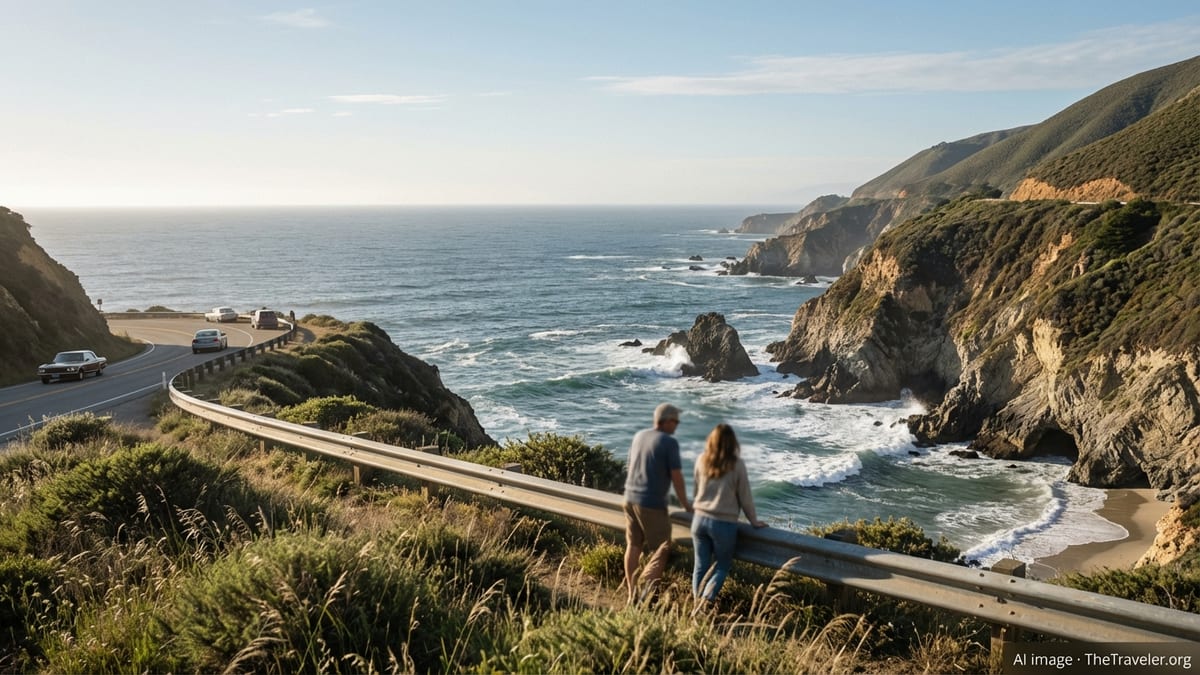
Along the coast, the Pacific Coast Highway and other scenic routes connect beach towns, surf breaks, cliffs and coves. Portions of coastal highways are occasionally affected by storms, landslides or construction, so check current road conditions before setting out, particularly in regions like Big Sur. When you stop, park only in designated areas and be careful near cliffs or bluffs that may be unstable after heavy rains. Beach safety is important even on calm days; rip currents and changing tides can surprise swimmers, and some beaches have no lifeguards outside peak season.
Inland, California’s backroads lead to small Gold Country towns, hot springs, mountain lakes and vast agricultural valleys. Driving these routes can be unforgettable but also slower and more tiring than major freeways. Keep your fuel tank from dropping too low in remote areas, carry extra water and snacks, and download offline maps in case mobile coverage is patchy. If your itinerary includes higher elevations, be aware that even in late spring or early autumn, sudden weather shifts are possible, and tire chains or traction devices may be required around snowstorms.
Balancing major sights with lesser-known stops can make your trip feel both iconic and personal. Rather than trying to see every highlight in one visit, treat this trip as one chapter in an ongoing relationship with California. Many travelers find themselves returning to explore a single region more deeply, whether that is the far north coast’s redwood groves, the Central Coast’s quiet coves or desert towns that blend spa culture with star-filled skies.
The Takeaway
Visiting California in 2026 offers enormous rewards, from world-famous parks and coastlines to creative cities and wine regions. It also requires more planning than in years past, as wildfire seasons, reservation systems, new driving rules and rising costs all shape the travel experience. By understanding the state’s varied climates, booking key parks and accommodations well in advance, staying informed about safety conditions and budgeting realistically, you give yourself the best chance of a smooth, memorable trip.
Equally important is how you travel once you arrive. Respect for local communities, careful driving, responsible behavior in natural areas and a flexible mindset will help you navigate any unexpected closures or weather shifts. Rather than racing to tick boxes, slow down, explore a few regions in depth and leave room for unscripted encounters with California’s landscapes and culture. With thoughtful preparation and a light footprint, your visit can be both unforgettable for you and beneficial for the places and people who call the Golden State home.
FAQ
Q1. Do I need a car to visit California?
Not always, but a car offers the most flexibility, especially for coastal drives, wine regions and national parks. In major cities, you can combine public transit, rideshares and walking if you prefer not to drive the whole time.
Q2. When is the best time of year to visit California?
It depends on your priorities. Summer suits beaches and family trips but is busier and hotter inland. Spring and fall often bring milder weather, fewer crowds and good hiking conditions in many regions.
Q3. How far in advance should I book Yosemite or popular state parks?
For peak summer and holidays, plan to secure reservations as soon as booking windows open, often about six months ahead. If you miss that window, you may still find cancellations, but you will need flexible dates and backup options.
Q4. Should I be worried about wildfires during my trip?
Wildfires are a reality, particularly from late summer into fall, but most of the state remains open to visitors. Check official updates before and during your trip, avoid closed areas and be prepared to adjust plans if fire or smoke affects a region.
Q5. Is it safe to use my phone for navigation while driving?
You can use navigation only in a legal hands-free setup, such as a mounted phone or in-car system. Holding the phone, even just to glance at a map, can be considered a violation under California’s distracted-driving laws.
Q6. How expensive is a California vacation compared with other U.S. states?
California generally costs more than many states, especially for lodging, fuel and dining in major cities and resort areas. Careful budgeting, early bookings and a mix of paid and low-cost activities can keep overall expenses manageable.
Q7. Are there any special rules for beaches and coastal areas?
Rules vary, but common ones include restrictions on fires, alcohol and dogs, as well as guidelines for staying off dunes and fragile bluffs. Always read local signage, obey lifeguard instructions and pack out your trash.
Q8. What should I pack for a trip that includes both cities and nature?
Bring layers, comfortable walking shoes, sun protection and a light jacket, even in summer. California’s microclimates mean you might encounter cool coastal fog, hot inland afternoons and chilly mountain nights on the same trip.
Q9. Do I need travel insurance for a California vacation?
It is not required, but many travelers choose it, especially for complex or higher-cost trips. Insurance that covers cancellations, medical care and disruptions due to events like wildfires or storms can provide peace of mind.
Q10. How can I travel more sustainably in California?
Focus on fewer regions with longer stays, use public transit when possible, choose eco-conscious operators and follow Leave No Trace principles. Small choices, such as conserving water and supporting local businesses, also make a difference.