

Galveston is the kind of place that can surprise first-time visitors. At a glance it is a compact barrier island on the upper Texas Gulf Coast, less than an hour from Houston. Spend a bit of time here, though, and you find a city with Victorian architecture, one of the country’s largest Mardi Gras celebrations, family-friendly attractions and a walkable historic core backed by miles of Gulf-front seawall.
This guide focuses on practical details to help first-time travelers plan a smooth and rewarding visit, from how to get around and where to stay to what to expect from the weather and major events.
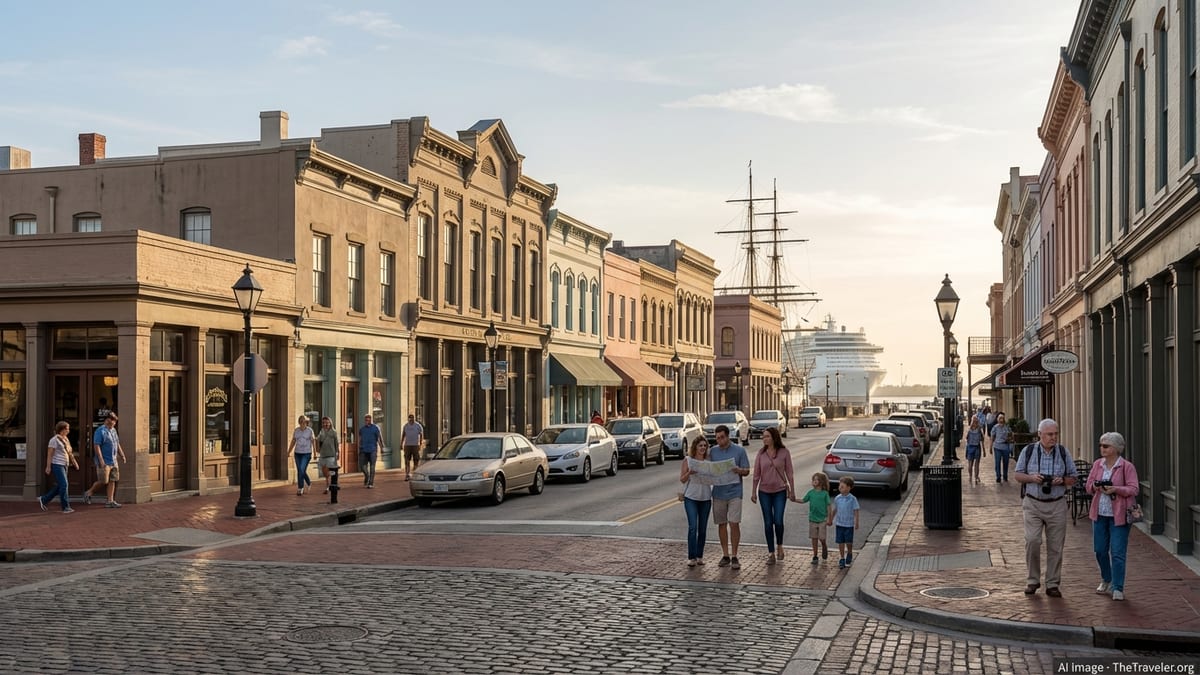
Getting to Galveston and Getting Oriented
Most visitors fly into Houston and then continue by road to the island. Houston’s two major airports, George Bush Intercontinental and William P. Hobby, sit about 70 to 90 minutes from Galveston by car depending on traffic. Hobby is on the south side of Houston and is typically the more convenient choice for Galveston-bound travelers. From either airport, you can rent a car, book a private shuttle service or use a rideshare. There is no direct passenger rail or scheduled public bus service from the airports to Galveston, so plan on a road transfer.
If you are driving, Interstate 45 runs directly from Houston to Galveston and becomes Broadway Avenue as it crosses onto the island. This main artery leads straight toward the historic downtown and the cruise terminals to the north, as well as to the Seawall corridor further south. Traffic can back up on Friday evenings, holiday weekends and during major events such as Mardi Gras, so allow extra time and be patient approaching the causeway bridge.
Cruise passengers experience Galveston a little differently. The island is a major departure point for Caribbean itineraries with several large lines homeporting ships here on a year-round or seasonal basis. The terminals sit on the harbor side near downtown, so if you are in the city just for a pre- or post-cruise stay, it is easy to base yourself within walking or short driving distance. Many local hotels offer cruise parking or shuttle packages, which can simplify logistics if you prefer to leave your car off the terminal grounds.
Once you arrive, it helps to think of the island in three simple zones. The Strand and downtown district anchor the north side near the harbor and cruise port. The Seawall corridor, running along the Gulf-facing edge of the island, holds the main beach access points, restaurants and mid-range hotels. The western part of the island becomes more residential and natural, with vacation rentals, quieter stretches of sand and state parkland. Most first-time visitors will spend the bulk of their time in the Strand and Seawall areas.
When to Visit and What Weather to Expect
Galveston is a year-round destination, but the experience shifts noticeably with the seasons. Spring and fall are often the most comfortable times for a first visit. From March through May, daytime highs are usually warm but not yet intensely hot, and the water steadily becomes more inviting for swimming. Autumn, particularly from late September through early November, offers lingering warmth, cooler evenings and somewhat thinner crowds outside of major weekends.
Summer on the upper Texas coast brings heat, humidity and strong sun. Daytime highs commonly reach the upper 80s and 90s Fahrenheit. The Gulf of Mexico is at its warmest, which many beachgoers enjoy, but you will want to plan around the midday heat by scheduling outdoor activities early and late in the day. Air conditioning is widely available, and casual dress is the norm, but you should be realistic about how much walking or biking you will want to do in the open sun during peak hours.
Winter is milder than in much of the United States, but conditions can vary. Some days are cool and overcast with brisk Gulf breezes, while others are pleasantly sunny with temperatures in the 60s or 70s. Water temperatures in midwinter are generally too chilly for extended swims without a wetsuit, but the season is attractive for budget-conscious travelers who care more about history, food and atmosphere than beach time. It is also a popular time for birding along the Gulf Coast.
The official Atlantic hurricane season runs from June through November, with the highest risk typically from August through October. Storms do not affect the island every year, but they are a reality of Gulf travel. If you book during this window, consider trip insurance that covers weather-related disruptions, and keep an eye on forecasts as your travel dates approach. Local tourism and city sites issue clear advisories if a storm threatens, and cruise lines typically adjust itineraries as needed.
Where to Stay and Neighborhood Basics
First-time visitors typically choose between staying near the Seawall or in and around the historic Strand and downtown district. Each area offers a different feel. The Seawall corridor places you close to the Gulf, with many rooms offering water views across the elevated seawall. This strip is lined with mid-range hotels, beach-centric eateries and access points to the sand. It is convenient if your main priority is time by the water and casual dining.
Downtown and the Strand Historic District, by contrast, sit on the harbor side of the island and showcase Galveston’s Victorian commercial architecture. Here you will find loft-style accommodations, boutique hotels in restored buildings and bed-and-breakfasts tucked into side streets. This area is walkable, especially appealing in cooler months, and offers easy access to galleries, bars, restaurants and museums. It is also close to major cruise terminals, making it a practical choice for pre- and post-cruise stays.
Farther west along the island, you enter a zone of condominium complexes, beach houses and gated communities that often cater to longer stays and larger groups. These areas can be ideal for families or friends who want a kitchen, multiple bedrooms and easy access to quieter beaches. However, you will likely need a car to reach dining, attractions and grocery stores efficiently. Street lighting can be limited in some residential stretches, so driving at night requires a bit more caution.
Across the island, accommodation ranges from budget roadside motels to full-service resort-style properties with pools, spa services and on-site dining. Prices fluctuate sharply with demand. Mardi Gras season, peak summer weekends and major festival dates see high occupancy and elevated rates. If your visit coincides with any of these windows, book early and verify whether your rate is refundable. In quieter periods, you may find packages that include parking, breakfast or attraction passes at competitive prices.
Getting Around Without Stress
Galveston is compact enough that you can often park once and explore on foot, by trolley or via rideshare. That said, traffic and parking management are significant considerations during busy weekends, and planning ahead will keep your visit more relaxed. If you intend to focus on the central parts of the island, you may be able to forgo a car entirely and rely on local transportation options combined with walking.
The Galveston Island Trolley system operates rubber-tired trolleys that connect downtown with the Seawall corridor and attractions such as Moody Gardens and Schlitterbahn. The standard adult fare is currently one dollar, and minors accompanied by an adult ride free. The service typically runs daily with more extended hours on peak days, and trolleys aim to pass each stop roughly every half hour. Exact change is required when you board. For first-time visitors, the trolley doubles as a low-cost sightseeing loop, giving a quick overview of key areas without the hassle of finding parking at each stop.
For broader travel around the island, the city’s Island Transit buses offer additional routes with the same one-dollar adult fare and reduced rates for seniors, children and qualifying riders. Monthly passes are available for those planning longer stays. Service frequencies vary by route and time of day, so it pays to check current schedules when you arrive. Taxis and rideshare services are available on the island, especially around major hotels, the cruise port and busy entertainment districts.
Parking rules are particularly important to understand along the Seawall and downtown. Much of the Seawall corridor uses paid, time-limited parking with enforcement that can include fines for violations and for prohibited overnight parking in certain windows linked to events like Mardi Gras. The city periodically adjusts parking rules around large festivals to manage crowds and maintain access for maintenance and emergency services. Before leaving your vehicle, read posted signs carefully, pay via the designated system and keep screenshots or receipts in case you need to reference them later.
Beaches, Attractions and Classic First-Timer Experiences
For many travelers, the Seawall and beaches are the first introduction to Galveston. The Seawall itself is a long raised promenade overlooking the Gulf with a parallel roadway and sidewalk. Beach access points lead down from the elevated wall to stretches of sand where visitors swim, sunbathe and play. In-season, lifeguards staff key sections, and you can often rent chairs and umbrellas. Sun protection is essential, as sea breezes can mask how strong the sun is, especially in late spring and summer.
Families and groups looking for built-up entertainment often gravitate to shared-use attractions. Moody Gardens brings together an aquarium, a rainforest habitat in a glass pyramid, seasonal water features and a variety of exhibits that blend education and recreation. Elsewhere, theme-park-style attractions on or near the Seawall offer rides and midway games that extend into the evening, which can be a welcome break from the midday heat. These experiences tend to be popular on school holidays and summer weekends, so consider buying tickets early in the day and arriving close to opening times.
On the harbor side of the island, the Texas Seaport Museum and the preserved tall ship Elissa provide a window into Galveston’s maritime history. Exhibits explore the city’s role as a major port of entry in the 19th and early 20th centuries and trace the stories of immigrants who entered through the island. Nearby, historic homes and museums showcase the city’s Victorian-era architecture and the impact of the devastating 1900 hurricane that reshaped both Galveston and American disaster planning.
Simply wandering the Strand Historic District is a worthwhile activity in itself. Warehouses and commercial buildings from the late 1800s now house galleries, specialty shops, bars and restaurants. Side streets hold smaller boutiques and coffee shops. Many first-time visitors are surprised by the density of 19th-century architecture that has survived on a barrier island. Taking a walking tour, whether self-guided or led by a local historian, helps place the sights in context and often reveals hidden courtyards, vintage signage and small museums you might otherwise miss.
Events, Festivals and Mardi Gras
Galveston’s calendar is active year-round, but the period surrounding Mardi Gras is particularly significant. The island’s celebration traces its roots to the 19th century, and today Mardi Gras in Galveston ranks among the largest in the United States, drawing hundreds of thousands of visitors over multiple days. Recent festivities have stretched from late February into early March, featuring more than 20 parades, concerts and themed events.
Parades roll through both the downtown entertainment district and along the Seawall, with different krewes staging elaborate floats, marching bands and walking groups. Some parades are ticketed within a gated entertainment area downtown, while others along the Seawall and in surrounding neighborhoods are free to watch. Family-oriented events such as dedicated children’s parades, pet parades and themed days like Family Gras offer a more relaxed experience, often scheduled during daylight hours with an emphasis on accessibility for all ages.
Evenings in the entertainment district during Mardi Gras can be very busy and are generally geared toward adults. Music stages host regional and national acts, balcony parties line key streets and crowds swell around intersections where beads and trinkets rain down from floats and balconies. If your first visit coincides with Mardi Gras, book accommodation early, expect higher rates and prepare for congestion on main arteries and tighter security controls downtown, including bag checks at checkpointed entrances.
Outside of Mardi Gras, Galveston hosts a range of events including arts festivals, holiday celebrations and seasonal beach activities. While these typically attract smaller crowds than Mardi Gras, they can still influence hotel availability and traffic patterns. Before finalizing your travel dates, it is wise to review an up-to-date events calendar to understand whether your visit will overlap with any major festivals or sports tournaments. Some travelers enjoy timing their trip to attend a specific event, while others prefer quieter weeks when the island has a more low-key atmosphere.
Food, Drink and Local Atmosphere
Galveston’s dining scene reflects its coastal location and its proximity to Houston’s vast culinary landscape. Seafood is naturally prominent. Menus across the island highlight Gulf shrimp, oysters, crab and locally inspired dishes that lean into regional flavors. You will find everything from casual beachside grills and po’boy counters to more formal seafood houses suitable for a celebratory dinner. Oysters in particular are a staple during the cooler months when conditions in the Gulf favor peak quality.
Away from seafood, Galveston offers a mix of Tex-Mex, barbecue, Southern comfort food and contemporary American menus. In and around the Strand district, smaller bistros and cafes cater to office workers at lunchtime and to tourists into the evening, while the Seawall corridor skews toward casual, family-friendly places where beachwear is normal. Coffee shops and bakeries are scattered throughout downtown and along major corridors, providing easy morning options for early risers headed to the beach or a cruise terminal.
Nightlife tends to center on the Strand and nearby streets, where historic buildings house bars with live music, rooftop patios and late-night kitchens. The atmosphere varies from laid-back to lively depending on the evening and proximity to big event dates. During Mardi Gras season, some venues host themed parties and balcony events that require tickets or cover charges. On non-festival weekends, it is usually easy to wander from spot to spot and find live music or a relaxed place for a drink with a view of the harbor or streetscape.
As a first-time visitor, it can be tempting to focus only on beach and bar culture, but taking time to explore local markets and independent shops yields a different sense of the city. Small galleries showcase Gulf Coast art, while antique and vintage stores in historic buildings hold artifacts that echo Galveston’s role as a gateway port. Speaking with proprietors often leads to practical recommendations on where locals actually eat and which spots are particularly pleasant at sunrise or sunset.
Safety, Practical Tips and Responsible Enjoyment
Galveston is broadly visitor-friendly, but first-timers will have a smoother experience if they keep a few practical points in mind. Beach safety is paramount. Pay attention to posted flags and advisories about surf and rip currents, and swim near lifeguard stands when they are staffed. Jellyfish and other marine life can appear at certain times; local advisories or lifeguards can provide current information. Glass containers are typically prohibited on the beach for safety reasons, and open container rules differ by area, so heed local signage.
Sun and heat are another concern, particularly from late spring through early fall. Hydration, frequent sunscreen reapplication and light, breathable clothing are essential. It is easy to underestimate how quickly you can become dehydrated while walking the Seawall or exploring the Strand in the afternoon. Plan indoor breaks in museums, cafes or your hotel during the hottest part of the day, and be cautious about alcohol consumption in direct sun.
In the city, standard urban precautions apply. Keep valuables out of sight in parked vehicles, lock your car and avoid leaving beach gear or coolers unattended for long periods. During crowded events such as Mardi Gras parades, secure your belongings and remain aware of your surroundings, especially in dense crowds near music stages or parade choke points. Families with children may want to agree on meeting points in case anyone becomes separated in the bustle.
Finally, be mindful that Galveston is both a tourism destination and a community. Residential streets near the beach and downtown house year-round residents whose routines intersect with visitor activity. Observing quiet hours in residential zones, disposing of trash properly and respecting posted rules in parks and on the beach all contribute to a more sustainable tourism model. Coastal ecosystems are resilient but vulnerable, and staying on designated paths, avoiding dune trampling and minimizing plastic use help protect the shoreline you have come to enjoy.
The Takeaway
Visiting Galveston for the first time is an opportunity to experience a distinctive slice of the Texas Gulf Coast that blends history, beach culture and big-event energy in a compact, accessible package. With realistic expectations about weather, an understanding of basic logistics and some advance planning for transportation and parking, most travelers find the island easy to navigate and welcoming across a broad range of budgets and travel styles.
Whether you come for a short pre-cruise stay, a long weekend of beach time or to immerse yourself in the spectacle of Mardi Gras, Galveston rewards those who look beyond the obvious. Take a trolley ride rather than driving everywhere. Spend an hour in a small museum or historic home in between time on the sand. Talk with locals about how the city has changed and what remains constant from season to season. These small choices turn a first visit into a more textured experience.
As with any coastal destination, conditions and offerings evolve from year to year, but the essentials remain. The Seawall and beaches, the Strand’s architecture, the maritime heritage and the layering of festivals and daily life give Galveston a character that feels distinct from both Houston and other Gulf Coast resort towns. Plan carefully, stay flexible and allow room for serendipity, and your first trip to Galveston can easily become the start of an ongoing relationship with this Gulf island city.
FAQ
Q1. Do I need a car for a first visit to Galveston?
It depends on your plans. If you stay near downtown or the Seawall and focus on those areas, you can often rely on the trolley, Island Transit buses, walking and rideshares. If you want to explore the western part of the island, state parks or outlying neighborhoods extensively, having a car becomes more convenient.
Q2. How many days should I plan for a first-time trip?
A long weekend of two to three nights is enough to experience the key areas, especially if you are combining your visit with a cruise. If you want time for multiple attractions, several beach days and a more relaxed pace, four to five nights is a comfortable choice.
Q3. When is the best time of year to avoid crowds?
Outside of major events and summer holidays, weekdays in spring and fall are usually less crowded than weekends. Winter, apart from festive periods, can also be quieter. If you want to avoid the largest crowds entirely, steer clear of Mardi Gras dates and peak summer holiday weekends.
Q4. Is Galveston suitable for families with young children?
Yes. Family-friendly beaches, attractions such as aquariums and interactive exhibits, and kid-focused Mardi Gras parades make the island popular with families. Parents should pay close attention to beach safety flags, sun protection and crowd conditions during busy festivals, especially in the entertainment district at night.
Q5. What should I pack for a practical Galveston trip?
Pack light, breathable clothing, a hat, sunglasses, reef-friendly sunscreen, swimwear and comfortable walking shoes or sandals. A light layer for cooler evenings, especially in winter and early spring, is useful. If you plan to visit historic sites and nicer restaurants, include at least one smart-casual outfit.
Q6. How expensive is Galveston compared with other coastal destinations?
Costs vary with timing and preferences, but Galveston generally offers a range of price points. You can find budget motels and casual eateries as well as premium waterfront resorts and upscale restaurants. Prices rise noticeably during Mardi Gras and peak summer weekends, so traveling in shoulder seasons can provide better value.
Q7. Are the beaches public, and do I have to pay to use them?
Most beach areas around Galveston are public, though parking fees and specific access rules can apply in designated zones or managed parks. Some areas west of the Seawall near residential communities have particular guidelines, so always observe posted regulations and pay any required parking or access fees.
Q8. Is Galveston walkable?
The Strand and immediate downtown are walkable, with many sights, shops and restaurants close together. Sections of the Seawall also lend themselves to walking, especially along the promenade. However, distances between some beach access points, attractions and residential areas can be greater than they appear on a map, so combining walking with the trolley or rideshares is often most practical.
Q9. What should cruise passengers know about spending time in Galveston?
If you are cruising, plan to arrive at least one day before departure to buffer against travel delays. Staying near the harbor or in the Strand district simplifies transfer logistics. Many hotels offer cruise-parking packages, but these can fill early for popular sailings, so reserve ahead and confirm details such as shuttle times and parking duration.
Q10. How does hurricane season affect travel plans?
Hurricane season runs from June through November, with the highest storm risk often in late summer and early fall. Many seasons pass without a direct impact on Galveston, but storms can disrupt travel on relatively short notice. If you visit in this window, consider flexible booking terms, monitor forecasts in the days before your trip and follow local guidance if a storm develops in the Gulf.