

More news on this day
Air travelers heading to and from Mexico are facing another wave of disruption as Viva Aerobus and WestJet cancel nearly a dozen additional flights, affecting popular leisure routes to Cancun, Mexico City, Puerto Vallarta, and several Canadian cities including Regina and Gander.
Get the latest news straight to your inbox!
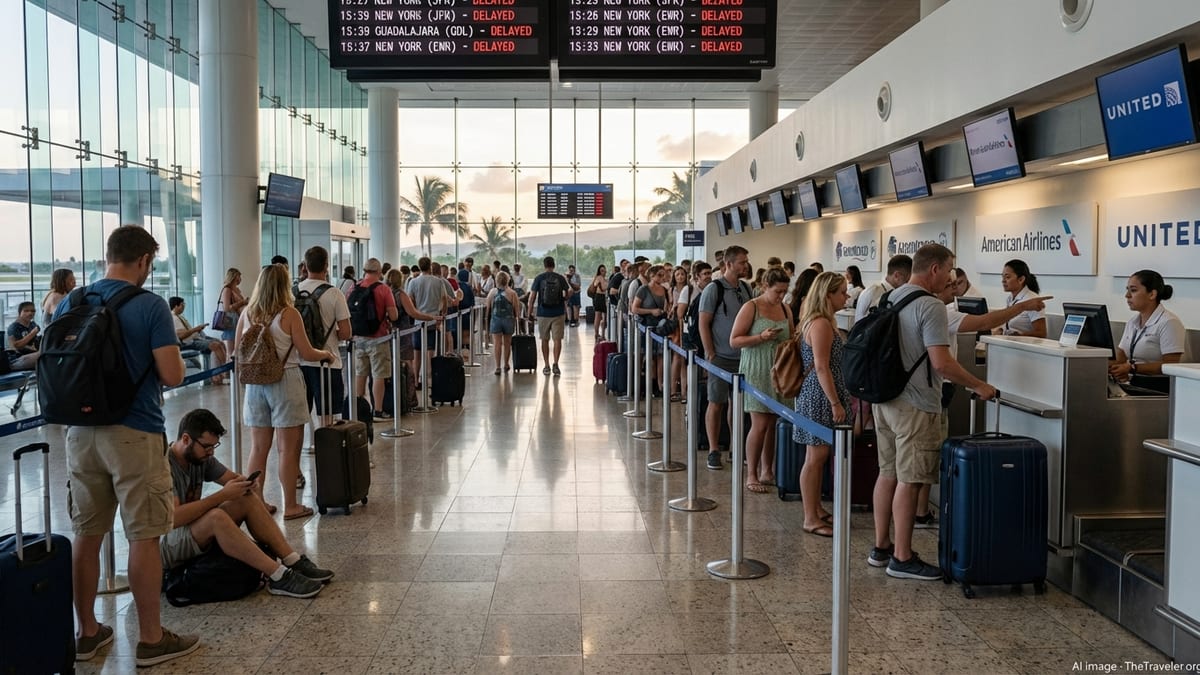
Fresh Cancellations Hit Busy Mexico Leisure Corridors
Newly reported schedule changes show Viva Aerobus and WestJet removing or cancelling close to a dozen flights over recent days, compounding an already turbulent spring for air travel in and out of Mexico. The latest cuts concentrate on high‑demand leisure markets such as Cancun, Mexico City, Puerto Vallarta and other resort gateways, where travelers are already contending with broader operational challenges at Mexican airports.
Published aviation and travel industry reports indicate that operations across major Mexican hubs have been strained by a mix of delays and cancellations in late March, with low‑cost carriers including Viva Aerobus among the most affected. While total numbers across all airlines remain relatively modest compared with peak disruption events, the pattern of repeated single‑day cancellations is creating uncertainty for passengers trying to connect between Mexico and Canada.
Viva Aerobus, a key ultra‑low‑cost player in the Mexican market, has seen several departures scrubbed or rescheduled on short notice around busy holiday and shoulder‑season dates. These adjustments are particularly impactful in cities where the carrier offers limited daily frequencies, meaning one cancelled flight can effectively wipe out an entire day’s connectivity on a route.
WestJet, which serves Mexican sun destinations from multiple Canadian hubs, has simultaneously pulled back on certain flights as it retools its spring schedule. Travelers on routes linking Canada to Cancun and Puerto Vallarta have reported last‑minute itinerary changes and cancellations, adding to the disruption for those relying on nonstop service to reach Mexican resorts.
Canadian Routes to Regina and Gander Also Affected
The fallout is not limited to Mexico’s coastal cities. In Canada, WestJet’s latest round of changes has affected regional routes, including flights serving Regina in Saskatchewan and Gander in Newfoundland and Labrador. Publicly available airport and community discussions point to multiple Regina flights being cancelled or consolidated over a short period, leaving some travelers scrambling for alternatives.
In smaller markets, each cancellation carries outsized consequences. With fewer competing airlines and less frequent service, passengers departing secondary Canadian cities face longer rebooking windows and, in some cases, must accept multi‑stop itineraries through Calgary, Toronto, or Vancouver in place of previously scheduled nonstop or one‑stop flights.
Gander, which relies on a limited number of departures to connect residents and visitors with the wider Canadian network, has seen its own share of schedule volatility. When flights from or to Gander are removed, options can quickly narrow, particularly for travelers hoping to link up with same‑day departures toward Mexico’s beach destinations.
These regional impacts underscore how a relatively small number of cancellations by a single carrier can cascade across a broader network, especially during periods of high leisure demand when spare seats on alternative flights are scarce.
Operational Strain Follows Regulatory And Market Shifts
The cancellations come against a complex backdrop for Mexican aviation. Over recent months, Mexican carriers, including Viva Aerobus, have been navigating regulatory pressure on cross‑border operations, particularly involving services to the United States from Mexico City’s airports. Public information on policy decisions by U.S. authorities shows that approvals for some routes and airport combinations have been limited or withdrawn, restricting growth and forcing airlines to reassess their broader network plans.
At the same time, Viva Aerobus is in the midst of a high‑profile merger process with fellow low‑cost carrier Volaris, as both work toward forming a joint group aimed at consolidating capacity and strengthening their position in Mexico and surrounding markets. Industry coverage of the proposed Grupo Más Vuelos structure highlights expectations of route rationalization, including adjustments to overlapping leisure services and potential shifts in how flights are scheduled across key tourist corridors.
For WestJet, the latest disruptions follow a period of heightened scrutiny over its handling of delays and cancellations. Regulatory filings in Canada show that the airline has recently faced financial penalties related to past operational performance, a context that may be influencing how it approaches capacity planning, spare‑aircraft allocation, and on‑time reliability in its current schedule.
Although neither airline has issued a comprehensive public breakdown of the specific causes behind each of the most recent cancellations, observers in the aviation and travel sector point to a combination of aircraft availability, crew scheduling challenges, congestion at busy Mexican airports, and ongoing strategic restructuring as underlying factors.
What Travelers To Cancun, Mexico City, Puerto Vallarta And Beyond Should Expect
For passengers booked with Viva Aerobus or WestJet on routes touching Cancun, Mexico City, Puerto Vallarta, Regina, Gander, and other affected cities, the immediate reality is a higher risk of last‑minute schedule changes. Industry trackers show that even on days with relatively few outright cancellations, carriers are frequently adjusting departure times or substituting aircraft types, which can knock on to connecting flights.
Travel experts generally advise that passengers monitor their reservations closely in the 48 hours before departure, since many of the recent cancellations have been posted within a day of travel. Rebooking options are often more favorable for those who respond quickly when schedule changes appear in airline apps or email notifications, particularly for peak‑time flights into busy Mexican resorts.
Given the limited seat availability typical of late March and early April holiday periods, travelers may find that preferred nonstops are no longer available after a cancellation and may need to accept longer routings through secondary hubs. This is especially true for those originating in smaller Canadian markets such as Regina and Gander, where alternate carriers may not offer comparable schedules into Mexico.
Observers note that flexible booking policies, where they are available, can help mitigate the impact. Some airlines operating in the Mexican leisure segment continue to allow date changes for a fee or fare difference, making it possible for travelers to shift trips to less congested days if their plans permit.
Growing Calls For Reliability As Peak Season Nears
The accumulation of cancelled and heavily delayed flights involving Viva Aerobus and WestJet is adding to a broader conversation about reliability in the North American leisure market. With Mexico preparing for the busy spring and early summer holiday periods, tour operators, hotels, and local tourism boards are watching airline performance closely, as even moderate disruption can ripple through package bookings and resort occupancy.
In Mexico’s major hubs such as Mexico City and Cancun, airport statistics and travel‑industry reporting have highlighted repeated pockets of delays and cancellations throughout March. While these numbers remain small relative to total daily operations, the concentration of problems on certain carriers and routes magnifies the effect on individual travelers.
As the Viva Aerobus and Volaris merger process advances and WestJet continues to refine its network, market watchers expect further fine‑tuning of schedules connecting Canada and Mexico. That could mean additional short‑notice changes, but also the potential for a more stable timetable later in the year if carriers succeed in aligning capacity with demand and addressing known operational bottlenecks.
For now, passengers headed to Cancun, Mexico City, Puerto Vallarta, Gander, Regina, and other affected destinations are being urged by travel advisers to build extra time into connections, verify flight status repeatedly before leaving for the airport, and be prepared with backup options in case another round of cancellations emerges.