

More news on this day
Viva Aerobus and WestJet have canceled nearly a dozen additional flights across key Mexico and Canada routes, disrupting spring break and business travel to Cancun, Mexico City, Puerto Vallarta, Regina, Gander and other cities as operational and security concerns continue to ripple through airline schedules.
Get the latest news straight to your inbox!
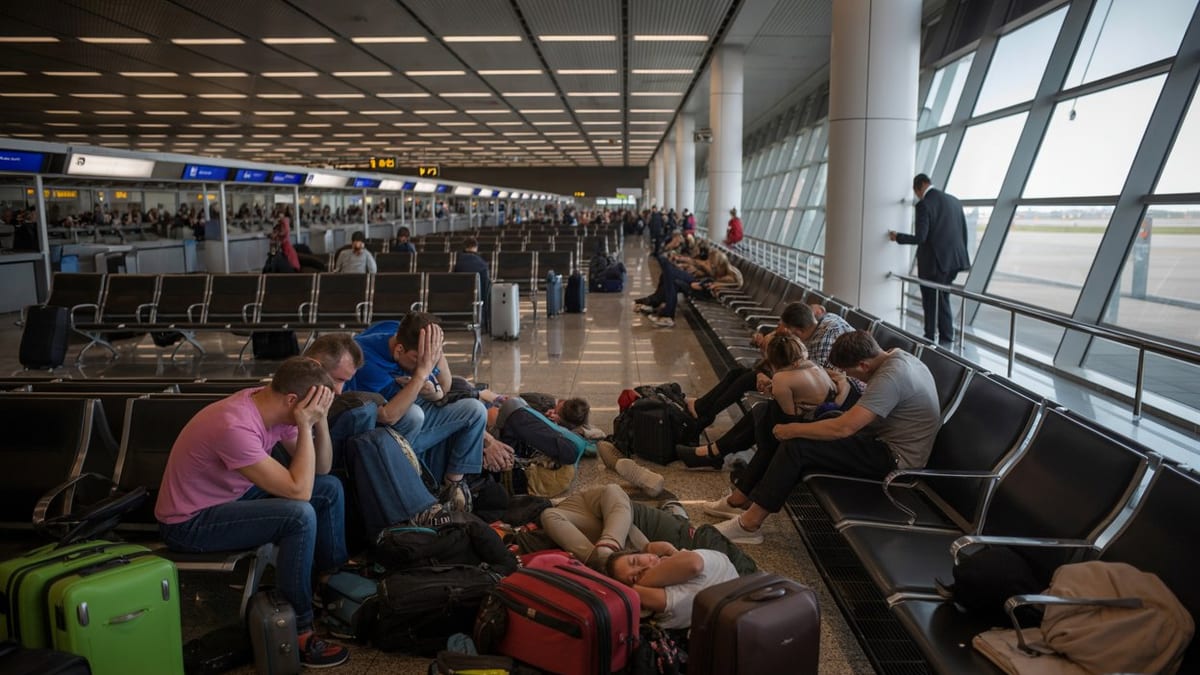
Image by travelandtourworld.com
Latest Wave of Cancellations Hits Mexico and Canadian Gateways
Publicly available schedule data and media coverage show that Viva Aerobus and WestJet have expanded an already noticeable pattern of disruptions, cutting more flights that link Mexican beach destinations with Canadian and domestic Mexican cities. The latest affected services include departures to and from Cancun, Mexico City and Puerto Vallarta, as well as links touching smaller Canadian markets such as Regina and Gander.
Industry monitoring sites indicate that the newest cancellations are clustered over several days rather than concentrated on a single date, creating confusion for travelers who believed earlier schedule changes had already settled. While the total number appears to be just under a dozen additional flights, the impact is magnified because many routes operate only a handful of weekly frequencies outside peak holiday periods.
These adjustments come on top of earlier cuts tied to broader operational pressures, including aircraft utilization constraints, staffing challenges, and security-related disruptions in parts of western Mexico. Together, they are producing a choppy, stop‑start environment for travelers who rely on nonstop links between Canadian cities and Mexico’s most popular resorts.
Because many of the affected flights are leisure oriented, with passengers often traveling on long‑planned vacation packages, even a short‑notice schedule change can trigger complex rebooking scenarios involving airlines, tour operators and travel agencies.
Puerto Vallarta and Cancun Face Ongoing Schedule Volatility
Puerto Vallarta and Cancun, two of Mexico’s busiest resort gateways, continue to bear the brunt of the latest adjustments. Flight tracking and published timetable changes show WestJet trimming more services into Puerto Vallarta from Western Canada, following a period in February when multiple carriers temporarily scaled back or redirected operations in response to security concerns in Jalisco state.
Cancun, traditionally more resilient because of its dense network of airlines and routes, has nevertheless seen incremental cancellations by both Viva Aerobus and WestJet on select dates. Even when alternative flights are available, travelers report longer connection times and reduced choice of departure hours, particularly from secondary Canadian cities.
Viva Aerobus, which has built a business model around low fares and high aircraft utilization on domestic Mexican and cross‑border routes, appears to be fine‑tuning its schedules on Mexico City to Cancun and Mexico City to Puerto Vallarta services. Public booking engines show some flights disappearing from sale or changing times, signaling behind‑the‑scenes capacity shifts that can leave passengers with altered or canceled trips.
For travelers already in resort destinations, the volatility has raised practical concerns over how quickly they can return home if their original flight is cut. Online discussion forums describe cases in which visitors were reprotected on later departures, sometimes with overnight delays or rerouting through Mexico City or other hubs.
Smaller Markets Like Regina and Gander Feel the Pinch
While the headlines often focus on major hubs, the latest wave of changes underscores how vulnerable smaller markets are when a carrier trims just a few flights. WestJet’s network includes seasonal and limited‑frequency services linking cities such as Regina and Gander to Mexican destinations and larger Canadian gateways. When even one or two of those flights are removed, passengers may have no comparable nonstop option.
Route guides and airport schedules show that many of these secondary routes operate only a few times per week. Losing a single rotation can effectively erase an entire travel window for passengers planning weekend trips or tightly timed holiday breaks, forcing them onto multi‑stop itineraries or into different travel dates altogether.
Travel industry specialists note that carriers often adjust these low‑frequency routes first when demand softens or when aircraft are needed elsewhere in the network. In practice, that means travelers from smaller cities are the first to feel the impact and often the last to receive convenient alternatives, especially during busy periods like spring break.
The latest cancellations therefore amplify existing concerns in communities where air service has already been reshaped by post‑pandemic restructuring, higher operating costs and shifting leisure demand between sun destinations.
Operational and Security Context Behind the Disruptions
According to recent news coverage and publicly available aviation data, the cancellations by Viva Aerobus and WestJet are unfolding against a wider backdrop of pressure on Mexico‑bound operations. Episodes of cartel‑linked unrest and highway blockades in western Mexico earlier this year prompted a series of travel waivers and temporary service adjustments by multiple airlines serving Jalisco, including Puerto Vallarta and Guadalajara.
While airports themselves have largely remained open, access issues and security considerations along key approach routes have added complexity to airline planning. Carriers have responded with a mix of outright cancellations, aircraft swaps, and revised departure times, all of which can cascade through their broader networks and affect flights on other days and routes.
At the same time, airlines on both sides of the border continue to navigate cost pressures tied to fuel prices, currency fluctuations and aircraft availability. Any spike in unplanned disruptions can make it harder to maintain thin seasonal routes, especially where demand is highly concentrated on just a few days each week.
For low‑cost operators such as Viva Aerobus, which depend on tight turnaround times and high load factors, even modest operational hiccups can reduce the viability of marginal flights. Full‑service and hybrid carriers like WestJet, which must balance domestic, transborder and sun‑destination networks, face similar trade‑offs when deciding which flights to trim on short notice.
What Affected Travelers Should Do Now
Consumer advocates and travel industry guidance emphasize that passengers booked on Viva Aerobus or WestJet services to or from Cancun, Mexico City, Puerto Vallarta, Regina, Gander and other connected cities should proactively monitor their reservations. It is not always sufficient to rely on a single pre‑departure email or app notification when schedules are changing repeatedly over several days.
Travelers are encouraged to check their flight status directly through airline apps or reservation tools in the 24 to 48 hours before departure and again on the day of travel. If a cancellation or major schedule change appears, contacting the airline or booking agency promptly generally improves the range of rebooking options, including earlier or later flights or rerouting through alternative hubs.
Published policies from both airlines outline what is available in the event of cancellations, typically including rebooking on the next available flight at no additional fare cost, and in some cases vouchers or refunds when the new itinerary no longer meets the traveler’s needs. Package travelers may also have recourse through tour operators or credit card benefits, depending on the terms of purchase.
For upcoming trips, experts suggest building extra time into itineraries, avoiding tight same‑day connections to cruises or long‑haul flights, and considering flexible hotel or ground‑transport reservations in case return flights from Mexico or Canada are rescheduled. With Viva Aerobus and WestJet signaling continued fine‑tuning of their spring schedules, a cautious and well‑informed approach can reduce the risk of being caught off guard by the next round of changes.