

More news on this day
Long haul flights with toddlers are often framed as a nightmare scenario, yet a growing wave of family travelers is reporting a very different reality: with planning, flexible expectations and kid-focused routines, flying halfway around the world with a three-year-old can be not only manageable but genuinely enjoyable.
Get the latest news straight to your inbox!
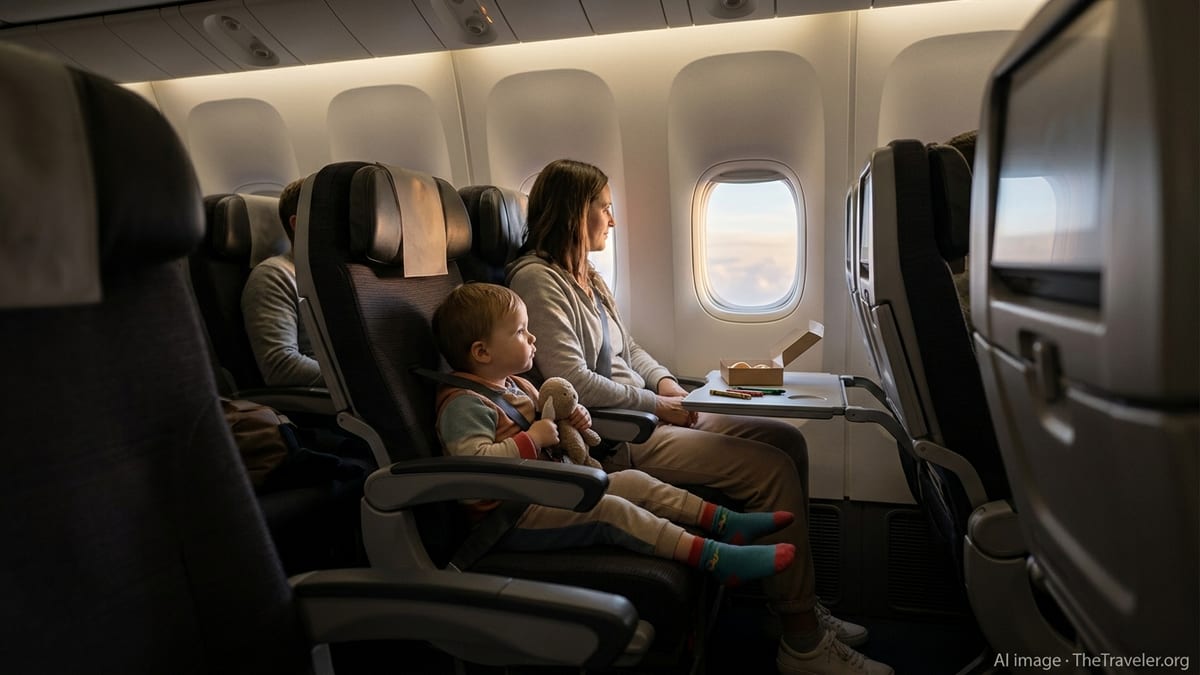
Family Travel Is Rising, Even On Long Haul Routes
Recent family travel surveys indicate that parents are prioritizing shared experiences over material purchases, even when those experiences involve long flights with young children. One national report released in early 2025 found that a clear majority of parents view travel as beneficial for children’s confidence, curiosity and resilience, despite concerns about turbulence, delays and crowded cabins.
As international tourism continues to rebound, airlines and airports have expanded family-focused services. Many major hubs now highlight play areas, quiet rooms and nursing spaces designed to help young children burn off energy or rest before long sectors. On board, carriers increasingly promote children’s meal options, kid-friendly entertainment and simple comfort amenities such as soft blankets and small activity packs aimed at keeping toddlers occupied.
Against this backdrop, stories of smooth long haul journeys with three-year-olds are becoming more common across travel blogs, parenting forums and social platforms. Parents describe flights where young children slept for most of the journey, explored the cabin in short, supervised walks and settled into new routines at 35,000 feet, challenging the idea that long haul and little kids do not mix.
Planning Around Sleep Turns The Cabin Into A Quiet Cocoon
Travel advice published over the past two years consistently highlights timing as one of the most important factors in a successful long haul with toddlers. Many parents now choose overnight or nap-aligned departures whenever possible, reporting that their children fall asleep more easily when the flight coincides with an existing sleep window rather than the most convenient time for adults.
Specialist family travel guides recommend treating the flight like an extended bedtime routine. That can mean boarding in comfortable, layered clothing, offering a familiar snack, brushing teeth in the lavatory, dimming individual reading lights and replicating home rituals such as a favorite story or lullaby. When cabin lights dim and engines settle into a steady hum, the aircraft often becomes a surprisingly soothing environment for a three-year-old accustomed to white noise and darkened rooms.
Parents who report particularly positive experiences tend to emphasize realistic expectations. They anticipate some restlessness during safety checks, meal services or turbulence, but they also describe long stretches of peaceful sleep when their child is securely buckled into a familiar car seat or resting against a supportive travel pillow. Instead of bracing for chaos, they see the overnight sector as a shared chance to unplug, doze and enjoy rare one-on-one time.
Simple Snacks And Low-Tech Play Keep Toddlers Content
Across recent travel features and parenting advice columns, one theme appears repeatedly: on long flights, snacks matter almost as much as toys. Guidance from pediatric nutrition and travel brands suggests packing a steady supply of bite-sized, low-mess foods that can be offered at regular intervals to ease ear pressure during takeoff and landing, support hydration and serve as mini activities in their own right.
Parents posting their experiences from transatlantic and transpacific routes note that compartmentalized snack boxes, reusable pouches and resealable bags help keep toddlers engaged. Many report success with foods that can be sorted, counted or stacked, turning a tray table into a small, contained play surface. This approach reflects a wider trend in family travel towards multi-purpose items that offer both comfort and entertainment without adding bulk to carry-on bags.
When it comes to play, recent long haul travel guides increasingly encourage families to rely on a mix of low-tech activities and carefully curated digital entertainment. Reusable sticker books, compact coloring sets, magnetic puzzles and a single beloved stuffed animal are often cited as reliable staples. Downloaded shows or games, used sparingly and with child-sized headphones tested in advance, are treated as a helpful backup rather than the only strategy for getting through a 10 or 12 hour sector.
Cabin Routines Help Toddlers Feel Secure At 35,000 Feet
Published checklists for long haul flights with toddlers frequently emphasize the value of predictable mini routines to make an unfamiliar environment feel safe. Parents are encouraged to talk through what will happen at each stage of the journey, from security screening to boarding, seatbelts, meal times and sleep. According to widely shared personal accounts, toddlers who know what to expect often cope better with confined spaces and new sensations.
Once in the air, many families report that a loose schedule of quiet play, snacks, short aisle walks and bathroom visits every hour or two can help a three-year-old regulate energy without disturbing fellow passengers. Travel writers also point out that choosing seats strategically, such as near lavatories or in rows with extra legroom where permitted, can make it easier to move around without navigating an entire cabin.
Comfort items drawn from home routines appear to play an outsize role in making long haul flights feel surprisingly calm. A familiar blanket, pillowcase or sleep sack, a small nightlight that clips to the seat pocket and a favorite bedtime book or song list can help signal that it is time to rest, even when the family is crossing multiple time zones. Parents who frame the journey as an adventure, but keep these touchpoints constant, often describe their toddlers settling more quickly and waking in better spirits.
From Dreaded Journey To Highlight Of The Trip
The perception of long haul flights with toddlers is slowly shifting as more families share positive reports. Online forums that once focused heavily on horror stories now feature detailed success narratives alongside honest accounts of challenging trips. Travel commentators note that this more balanced picture may encourage hesitant parents to reconsider distant destinations that previously felt out of reach during the preschool years.
Industry trend pieces suggest that as airlines compete for family travelers, further investment in child-friendly amenities, flexible seating options and clearer guidance around equipment such as travel cots and car seats could make long sectors even more approachable. Some travel planners already highlight routes and schedules that align well with typical toddler routines, framing the flight itself as an integral, potentially enjoyable part of the holiday rather than an ordeal to be endured.
For parents who decide to take the leap, the most consistent insight coming from recent coverage is that preparation, flexibility and empathy for a child’s perspective can transform expectations. When adults accept that a three-year-old will have noisy moments but also long stretches of curiosity, wonder and sleep, a long haul flight can evolve from a dreaded hurdle into an unexpectedly rewarding chapter of the family’s travel story.