

More news on this day
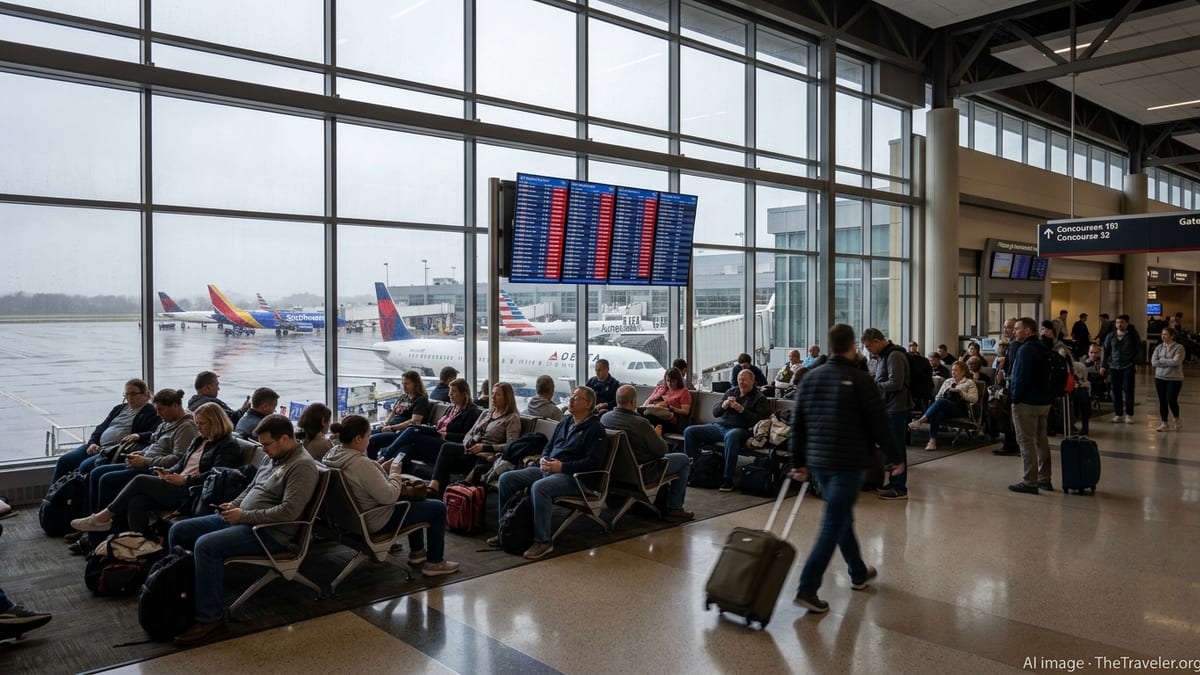
Passengers at Pittsburgh International Airport faced mounting frustration today as a wave of 23 delays and 7 cancellations involving Republic Airways, Endeavor Air, Southwest Airlines, and JetBlue disrupted schedules to and from Dallas, New York, and several other major U.S. cities, according to live flight-tracking data and airline status boards.
Get the latest news straight to your inbox!
Regional Carriers Among Hardest Hit In Pittsburgh Disruptions
Regional operators Republic Airways and Endeavor Air, which fly under major-brand codes for large U.S. network airlines, were among the carriers most affected in the latest round of schedule disruptions at Pittsburgh International Airport. Publicly available tracking information shows a cluster of delayed and canceled departures and arrivals on routes linking Pittsburgh with key hubs, including New York and Midwestern and Southern connecting points.
These regional airlines often operate feeder flights into large hubs, so even a relatively small number of cancellations can create outsized ripple effects for travelers with onward connections. When an early-morning or mid-afternoon regional leg fails to depart on time, passengers bound for longer-haul flights frequently miss their connections and must be rebooked, adding to crowding at customer-service counters and lengthening standby lists across the day.
Recent federal data on on-time performance highlights how sensitive regional operations are to weather and network pressures nationwide. While the current disruption in Pittsburgh is limited in scale compared with major nationwide meltdowns, the involvement of multiple regionals underscores how quickly issues at a single airport can cascade through interconnected schedules, particularly on days when winter weather and thunderstorms are active across several U.S. regions.
Southwest And JetBlue Delays Ripple To Major U.S. Hubs
Southwest and JetBlue services at Pittsburgh also experienced delays and cancellations, affecting popular routes that feed into major hubs such as Dallas, New York, and other large metropolitan areas. Publicly accessible flight-status boards indicated pushed-back departure times, rolling delays, and several outright cancellations across the day, forcing passengers to make last-minute adjustments to their plans.
For Southwest, disruptions involving Pittsburgh typically reverberate quickly through its point-to-point network, particularly when Dallas and other large bases are involved. Aircraft and crews cycling through Pittsburgh may be scheduled to operate several segments in succession, so even a single late departure can throw off rotations and create knock-on delays in cities hundreds of miles away.
JetBlue’s delays and cancellations linked to New York-area airports added additional complexity for travelers. Congestion and weather-related constraints around New York’s major airports often limit flexibility for rescheduling, and when Pittsburgh flights are involved, passengers can find themselves competing for a limited number of remaining seats on a relatively small slate of daily departures.
Weather, Staffing, And Tight Turnarounds Combine To Disrupt Travel
While no single cause has been identified for all 23 delays and 7 cancellations, patterns seen across the U.S. aviation system in recent months suggest a mix of factors. Public reports on recent storms and winter systems indicate that weather remains a central trigger, especially when clouds, strong winds, or precipitation reduce capacity at already busy hubs. When major airports in the Northeast or Texas slow down, regional spokes such as Pittsburgh often experience downstream effects even if local conditions appear manageable.
Industry reporting has also highlighted the persistent challenges of crew availability and tight aircraft turnarounds. Airlines are operating close to pre-pandemic volumes while still working through pilot, flight attendant, and maintenance staffing constraints. When crews time out because of earlier delays, or when aircraft arrive late and require extra checks, flights can quickly slip behind schedule. In some cases airlines cancel selected segments preemptively in an attempt to stabilize the rest of the day’s operation.
The current situation at Pittsburgh reflects this broader national pattern. Travelers to and from Dallas, New York, and other large cities are particularly exposed when multiple carriers confront the same set of operational headwinds at once. Even if each individual airline has only a few problem flights, the combined impact on limited gate space, runway usage, and rebooking options can feel significant to passengers navigating crowded terminals and long customer-service lines.
Impact On Travelers In Pittsburgh, Dallas, New York And Beyond
The operational disruptions at Pittsburgh International translated into very practical consequences for travelers across the country. Passengers connecting through Dallas reported extended layovers and unexpected overnight stays when late-arriving flights from Pittsburgh missed final departures of the evening. In New York, where airport capacity is tightly managed and schedules are dense, travelers arriving from western Pennsylvania faced gate changes and rebookings as airlines worked to fit delayed aircraft into already busy banks of departures.
For those starting their journeys in Pittsburgh, the lack of alternative same-day options proved especially challenging. Many of the routes affected are operated only a few times per day, often by regional partners. When one of those flights is canceled, remaining departures can quickly fill with rebooked passengers, making it harder for new travelers to secure space. Some turned to nearby airports or opted to delay trips entirely rather than accept complex multi-stop routings.
Business travelers and families on time-sensitive itineraries faced financial and logistical complications, including rearranged hotel stays, missed events, and additional ground-transportation costs. Social media posts and informal reports from within the terminal described crowded seating areas, lines at concessions, and passengers clustered around departure screens refreshing status updates as airlines adjusted schedules throughout the day.
Growing Scrutiny Of Reliability As Peak Travel Seasons Approach
The cluster of delays and cancellations involving Republic, Endeavor Air, Southwest, and JetBlue at Pittsburgh comes as airlines brace for the next wave of peak travel periods. Recent seasons have seen high-profile operational breakdowns across the U.S. network, and consumer advocates are increasingly focused on how carriers manage smaller but still disruptive episodes like the one now affecting Pittsburgh and its key connecting cities.
Publicly available data from transportation authorities and industry trackers show that cancellations and prolonged delays tend to spike during major weather events and holiday surges. However, travelers are also expressing concern about routine days when relatively modest disruptions still lead to extended waits, missed connections, and crowded terminals. In this context, a day of 23 delays and 7 cancellations at a mid-sized hub such as Pittsburgh becomes part of a larger conversation about system resilience.
Airlines are promoting schedule adjustments, fleet upgrades, and investments in technology as ways to respond more dynamically when disruption hits. Airport operators, including those at Pittsburgh, continue to highlight terminal modernization and airfield improvements designed to handle peak periods more smoothly. For passengers caught up in the latest round of irregular operations, though, the immediate priority remains straightforward: finding a way to reach Dallas, New York, and other destinations with as little additional disruption as possible.