

More news on this day
Travelers moving through Houston’s George Bush Intercontinental Airport on March 6 faced another difficult day as a cluster of 10 flight cancellations and dozens of rolling delays across United Airlines and its partners SkyWest, Mesa, plus flag carriers Qatar Airways and Air Canada disrupted major domestic and long haul routes.
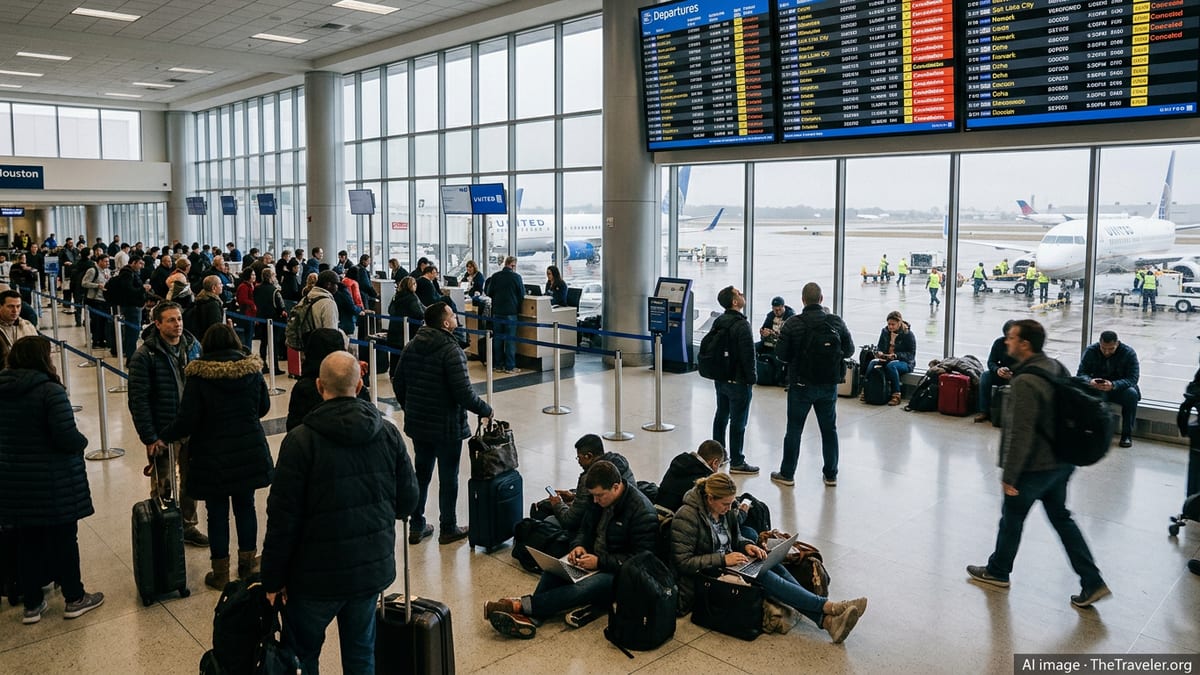
Cluster of Cancellations Hits United and Regional Partners
Operational data and airline tracking sites showed a modest but disruptive wave of cancellations centered on Houston Bush Intercontinental, where roughly 10 departures and arrivals tied to United and its regional affiliates were scrubbed over the course of the morning and early afternoon. While the total number of canceled flights remained well below the levels seen during major national meltdowns, the concentration at a single hub created a cascade of missed connections and rebookings.
United’s position as the dominant carrier at Bush Intercontinental means even a handful of cancellations can ripple widely through the network. Several scrapped flights involved regional jets operated by SkyWest and Mesa on United’s behalf, affecting smaller but strategically important spoke destinations across the Mountain West and Midwest. Passengers booked on these flights often rely on Houston as their primary connection to the broader United network.
Airport system documents list SkyWest and Mesa among the key regional operators feeding United’s Houston hub, underscoring how dependent the carrier is on these partners to maintain schedule density on thinner routes. When one or two regional operators encounter weather, crew, or maintenance issues, the hub can quickly feel the strain as aircraft and crews fall out of position.
Industry analysts note that this kind of mid‑level disruption has become increasingly common as airlines run tighter schedules with fewer spare aircraft and leaner staffing in the wake of the pandemic. Even limited irregular operations can overwhelm rebooking systems and gate capacity at a complex hub like Houston.
Delays Snarl Routes to Aspen, Milwaukee and Salt Lake City
The cancellations and associated delays were particularly painful for travelers heading to leisure and secondary business destinations such as Aspen, Milwaukee and Salt Lake City. These routes are typically served by regional jets and are especially vulnerable when a single aircraft or crew rotation falls apart.
Passengers booked from Houston to Aspen reported extended waits as aircraft were reassigned or flights dropped altogether, jeopardizing tight hotel and ski reservations during one of the last busy weeks of the winter season in Colorado. For many, alternatives required backtracking through Denver or other hubs, significantly lengthening total travel time.
Flights toward Milwaukee and Salt Lake City also saw schedule shuffles as United and SkyWest worked to consolidate loads and preserve core trunk services. Regional operations to these markets are an important link for corporate travelers and connecting passengers alike, and any prolonged disruption can reverberate into onward flights to the East and West Coasts.
Across the concourses at Bush Intercontinental, departure boards showed a patchwork of 30 to 60 minute delays alongside the outright cancellations, a pattern that left some travelers nervously monitoring connection windows while others resigned themselves to overnight stays in Houston.
International Disruptions Touch Doha, Newark and Beyond
The turbulence was not limited to regional flying. Long haul and transborder operations also felt the impact as Qatar Airways and Air Canada, both key international partners at Houston, adjusted schedules in response to weather, congestion and knock‑on effects from earlier delays.
Qatar Airways, which links Houston to Doha and onward destinations across Africa and Asia, faced knockbacks that pushed departure times into less favorable overnight hours for some travelers. Even relatively minor delays on a flight of this length can cause passengers to miss carefully timed connections in Doha to markets like South Asia or the Middle East.
Air Canada, which maintains links from Houston into its Toronto and Montreal hubs, similarly encountered disruptions that complicated cross border itineraries. Travelers with same day connections to Europe reported needing reroutes and overnight stays after missing transatlantic departures in Canada due to late inbound flights from Texas.
United’s own transcontinental and east coast services, particularly to Newark Liberty, also contended with rolling delays tied to congested airspace and crew availability. For many international travelers returning to Europe or South America via Newark, even a short hold on the Houston leg can mean the difference between walking onto a waiting long haul aircraft and spending an unscheduled night in New Jersey.
Weather, Crew Positioning and Construction Add to Strain
Operational specialists pointed to a familiar combination of factors behind the latest round of disruption: unsettled weather patterns across Texas and the central United States, tight crew positioning, and ongoing construction work at Houston Bush Intercontinental. Together, these elements have made the hub more vulnerable to even modest irregular operations days.
Houston’s variable spring weather can bring low ceilings, thunderstorms and shifting wind patterns that slow arrivals and departures. When air traffic controllers reduce arrival rates into the airport, aircraft spend longer in holding patterns or on the ground at upstream airports, which in turn upsets carefully planned crew duty times on both United mainline and regional affiliates such as SkyWest and Mesa.
At the same time, United and the Houston Airport System are in the midst of a multi year redevelopment of Terminal B and related facilities, an overhaul designed to eventually increase capacity and improve the passenger experience. Portions of the terminal and some traditional access routes are temporarily offline, leaving less flexibility to move passengers and aircraft when schedules fray.
Industry observers say this combination of weather, constrained infrastructure and lean staffing is not unique to Houston, but the city’s role as one of United’s largest hubs means the consequences are magnified. When operations slow at Bush Intercontinental, waves of late aircraft and displaced crews can be felt across the airline’s U.S. and international networks.
Stranded Travelers Face Long Lines and Limited Options
Inside the terminals, the day’s statistics translated into long lines at customer service counters and crowded gate areas as travelers scrambled for alternatives. With many of the canceled flights serving smaller markets such as Aspen and secondary cities in the Midwest, same day rebooking options were limited once aircraft and available seats filled up.
Some passengers reported waiting more than an hour to speak with an agent as self service tools struggled to keep pace with changing aircraft assignments and crew legalities. Others turned to airline apps in hopes of securing seats on remaining departures through other hubs, including Denver, Chicago and Washington, even if it meant circuitous routings.
Airport concessions and nearby hotels saw a familiar surge in activity as travelers resigned themselves to extended layovers or overnight stays in Houston. For international passengers on disrupted Qatar Airways and Air Canada itineraries, immigration procedures and the need to retrieve and recheck luggage added extra layers of complexity.
Regular Houston flyers said the latest bout of irregular operations underscores the importance of building extra connection time into itineraries, especially when traveling through the city on peak travel days or during seasons when storms are more likely. With airlines running tighter schedules, even a modest cluster of 10 cancellations and scattered delays can rapidly turn a routine connection into a day long ordeal.