

More news on this day
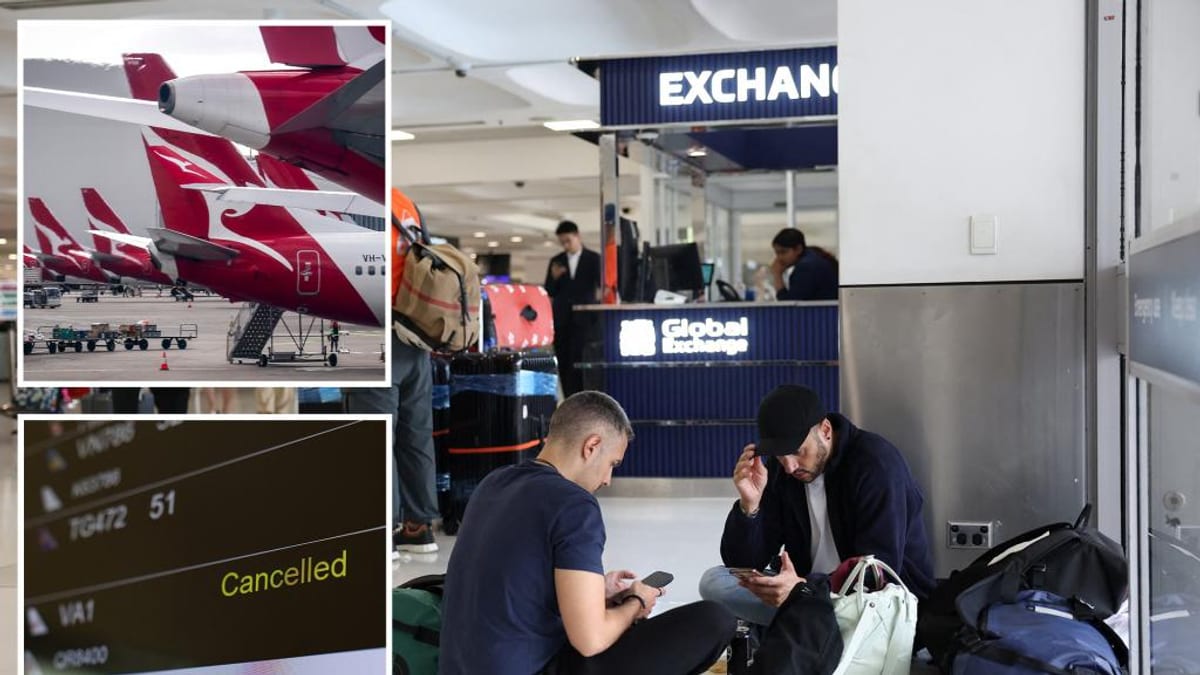
Severe weather sweeping across Australia on April 12 has caused extensive disruption at Sydney Airport, with dozens of flights cancelled and scores more delayed as airlines struggle to keep schedules on track.
Get the latest news straight to your inbox!
Dozens of Flights Scrapped as Conditions Deteriorate
Published coverage and real-time aviation data for April 12 indicate that Sydney is among the hardest hit airports in a fresh wave of disruption affecting major Australian gateways. Across the country, figures point to around 29 cancellations and more than 180 delays, with a significant share concentrated at Sydney and Melbourne as gusty winds and poor visibility force airlines to pare back operations.
At Sydney Airport, the combination of strong crosswinds and low cloud has led to the reduction of runway capacity and tighter spacing between aircraft movements. Reports suggest that both domestic and international services have been affected, with early morning cancellations quickly rippling into the afternoon as aircraft and crews fall out of position.
The situation has been compounded by Sydney’s already stretched schedule. Industry analyses have repeatedly noted that the airport operates near its movement cap during busy periods, meaning even modest weather disruptions can trigger long-lasting delays and cancellations once aircraft queues begin to build.
While airlines have sought to consolidate services and rebook passengers where possible, publicly available tracking data shows many flights departing significantly behind schedule, while others are being removed from the timetable altogether as the weather impact persists through the day.
Passengers Face Long Queues, Missed Connections and Overnight Stays
The knock-on effects for travellers at Sydney Airport have been immediate. Local and regional media reports describe lengthy check in and customer service queues as passengers attempt to rebook flights or seek clarification on revised departure times. With some services cancelled outright, travellers connecting through Sydney to other Australian cities or overseas hubs face a heightened risk of missed onward flights.
Social media posts and travel forums highlight instances of passengers arriving from Perth, Brisbane or international origins only to find their onward domestic connection cancelled or delayed until the following day. In several cases, travellers headed to regional New South Wales destinations have reported being rebooked on early morning services, effectively extending their journey by an unplanned overnight stay in Sydney.
The disruption is particularly acute for families returning from school holiday trips and business travellers with time sensitive commitments. With Sunday often a peak travel day, the loss of capacity due to weather has left fewer spare seats available on alternative flights, limiting the ability of airlines to accommodate everyone on the same day.
Airport information screens and airline apps have been updated frequently throughout the morning and afternoon, but reports from the terminals suggest that information gaps and rapidly changing departure estimates have added to frustration for some passengers waiting at the gates.
Weather and Slot Constraints Expose Structural Vulnerabilities
The latest episode of disruption underscores how vulnerable Sydney Airport remains to adverse weather, even when conditions fall short of major storms. Regulatory material on Sydney’s slot management scheme notes that strong winds, low cloud and reduced visibility can quickly curtail safe aircraft operations and force a cutback in planned movements.
Because Sydney is subject to a legislated hourly movement cap and overnight curfew, there is limited scope to recover lost flights later in the day once severe conditions ease. Once early waves of services are delayed or cancelled, queues of aircraft and passengers can build rapidly, with limited open slots available to re-accommodate postponed departures.
Recent industry commentary has also pointed to how tight aircraft utilisation and ongoing staffing pressures across ground handling and air traffic control can amplify the impact of bad weather. When crews are displaced and aircraft are in the wrong place at the wrong time, delays in Sydney can quickly spread to other cities such as Melbourne, Brisbane and Perth.
Against this backdrop, today’s weather event arrives on the heels of data showing Sydney ranked among the world’s poorer performers for punctuality in recent months, with a notable proportion of services either cancelled or operating late. Analysts argue that this pattern leaves little buffer to absorb fresh shocks when conditions deteriorate.
Nationwide Ripple Effects Across Australia’s Busiest Routes
Although Sydney has borne much of the immediate disruption, reports from aviation tracking platforms and travel industry outlets confirm that the impact on April 12 has extended across Australia’s east coast network. Airports in Melbourne, Brisbane and Perth have all recorded cancellations and a high volume of delayed departures and arrivals linked to the same weather system and flow on congestion.
Key trunk routes between Sydney and Melbourne, Brisbane and Adelaide are among those showing clusters of late running services as airlines contend with aircraft arriving out of sequence. Delays on these core corridors in turn complicate operations on regional links, where smaller fleets and less frequent services provide fewer options to absorb timetable changes.
For travellers heading to or from New Zealand, some services connecting Sydney with Auckland and Wellington have also been reported as delayed, reflecting how a disruption in one hub can quickly affect international schedules. The broader Australasian network is therefore experiencing a day of reduced reliability, even where local weather conditions are more benign.
Industry observers note that this type of cascading disruption is likely to recur while Australian airports and airlines continue operating at high utilisation levels. With limited spare capacity built into the system, severe weather in a major hub like Sydney can produce outsized ripple effects across the region.
What Travellers Can Expect in the Coming Days
Travel industry guidance suggests that passengers booked to depart Sydney or connect through the airport over the next 24 to 48 hours should continue to expect some residual delays, even if weather conditions gradually improve. Aircraft and crew rosters often take time to realign after a day of heavy disruption, and congestion can reappear if subsequent services encounter even minor operational issues.
Consumer advice from regulators and advocacy groups notes that Australian law typically requires airlines to provide refunds or alternative transport options when services are cancelled, although the level of additional assistance offered can depend on whether disruption is deemed to be within the carrier’s control. Weather related problems are often treated as extraordinary circumstances, which can limit entitlements to accommodation or cash compensation.
Publicly available guidance also recommends that passengers monitor airline apps and airport departure boards closely, as automated notifications may arrive faster than information provided at crowded service desks. Travellers who no longer wish to fly may, in some cases, have the option to request credits or refunds, depending on fare rules and the scale of the timetable change.
For now, Sydney Airport remains operational but constrained, with the day’s weather related cancellations and delays providing another reminder of how quickly conditions can deteriorate for Australian air travellers when the skies turn unsettled.