

More news on this day
Dozens of flights at Detroit Metropolitan Wayne County Airport were disrupted on April 11 as thunderstorms across the eastern United States and wider system congestion rippled through one of Delta Air Lines’ largest hubs.
Get the latest news straight to your inbox!
Thunderstorms and System Strain Hit a Major Midwest Hub
Publicly available airline advisories and aviation tracking data show Detroit joining a broader pattern of mid-April travel disruptions across the United States, with weather again emerging as a primary culprit. In recent days, carriers have issued bulletins flagging thunderstorms across the eastern U.S., specifically listing Detroit among airports where customers could change plans without penalty.
On April 4, Delta Air Lines activated a weather waiver for a band of Midwestern and Eastern airports, including Detroit, due to forecast thunderstorms. While that advisory focused on earlier dates, it highlighted a volatile pattern that has continued into the second week of April, setting the stage for further schedule pressure at Detroit on April 11 as new storms moved through the region.
The Detroit disruptions come on the heels of several nationwide days of elevated delays and cancellations at major hubs such as Chicago, Boston, Orlando and Houston. Industry analyses and passenger-rights platforms tracking those earlier events have pointed to convective storms, crew schedule imbalances and aircraft repositioning challenges as key factors, conditions that can continue to affect later days even when local weather briefly improves.
Aviation data services that aggregate airport performance indicate that Detroit Metro, which typically handles thousands of daily passengers, saw a noticeable uptick in both delayed and canceled flights on April 11 compared with a typical spring day, particularly among domestic departures and arrivals tied to already-stressed hubs.
Dozens of Flights Delayed or Canceled Across Major Carriers
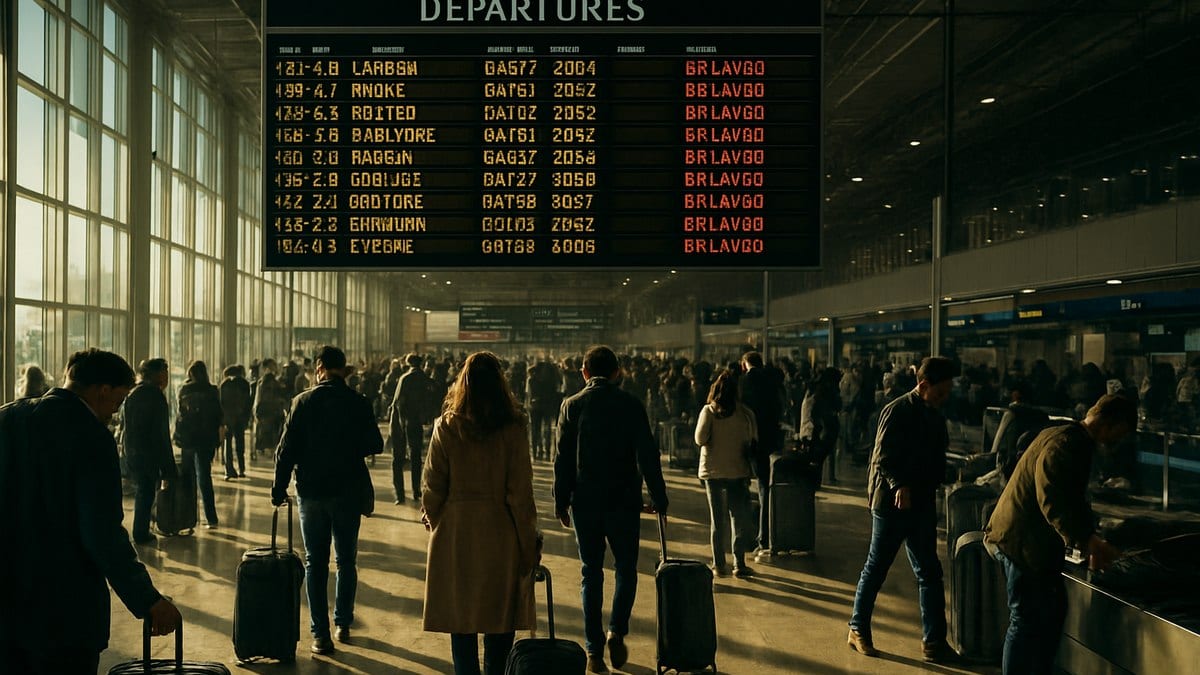
Flight-status boards for Detroit Metro on April 11 showed rows of departures marked delayed or canceled as the day progressed. While exact totals shifted throughout the afternoon and evening, publicly available tracking information pointed to dozens of disrupted flights, with late-arriving inbound aircraft and storm-related air traffic control programs playing a significant role.
Delta Air Lines, which operates a large hub at Detroit, was among the most affected carriers, reflecting its dense schedule of regional and mainline operations through the airport. Delays cascaded through connecting banks to and from cities across the Midwest, East Coast and South. Other U.S. carriers, including low-cost and legacy airlines, also registered schedule changes as they adjusted routings in response to congestion and evolving weather.
National tallies for April have already highlighted multiple days when several thousand flights were delayed or more than a hundred were canceled across the United States. Detroit has periodically appeared in these breakdowns as one of several airports experiencing knock-on effects from storms focused elsewhere, and April 11 followed that pattern as part of a wider day of travel strain rather than an isolated local outage.
For many travelers at Detroit, the most visible impact came in the form of rolling departure time changes. Some flights left late but still operated, while others were scrubbed outright when crew duty limits were reached, aircraft were out of position, or connecting traffic could no longer be accommodated within the available operating window.
Recent Severe Weather Heightens Spring Travel Vulnerability
The disruptions at Detroit on April 11 are occurring against a backdrop of an already turbulent late winter and early spring for U.S. air travel. A significant January winter storm and major March weather systems, including blizzards and severe thunderstorms, have produced multiple nationwide days of elevated cancellations and delays. Detroit has been among airports periodically touched by these events as systems swept across the Midwest and Great Lakes.
Weather and aviation research routinely identifies storms as a leading cause of flight disruptions in the United States, particularly during transitional seasons. Thunderstorms and low ceilings can reduce the capacity of key arrival and departure corridors, forcing air traffic managers to meter flights into affected airspace. Even brief periods of reduced throughput can create long queues, which are then felt hours later in hub airports such as Detroit.
Data compiled by federal agencies and industry analysts show that weather regularly accounts for a significant share of delay minutes nationwide. When storms roll through multiple hub cities in close succession, as has been the case in early April, the result is a fragile network in which a problem in one location quickly reverberates to others, including Detroit, through missed connections and equipment imbalances.
Local residents and travelers who frequent Detroit Metro have also been contending with broader operational variability. Discussions in traveler forums over the past month have described severe-weather alerts affecting the Detroit area, as well as short-notice ground stops or arrival restrictions elsewhere that ultimately reshaped flight schedules at Michigan’s primary international airport.
Passengers Confront Long Lines, Rebookings and Overnight Stays
The impact of April 11’s disruptions at Detroit was most acutely felt by passengers with tight connections or limited flexibility in their travel plans. With dozens of flights pushed back or canceled, travelers faced extended time at the terminal, unexpected overnight stays, or complicated rerouting through other hubs depending on seat availability.
Reports from recent nationwide disruption days indicate that travelers in similar situations have contended with long lines at customer service desks, crowded gate areas and difficulty securing alternative flights on the same day. Detroit’s role as a connecting hub means that missed inbound legs can quickly translate into a cascade of missed outbound connections for passengers heading to smaller markets with only a few daily frequencies.
Standard airline policies give affected customers several options when weather or air traffic control programs trigger major disruptions. Publicly posted guidance from large U.S. carriers outlines possibilities such as free rebooking within a specified travel window, the use of travel credits when trips are abandoned, or, in select cases, refunds when flights are canceled and no acceptable alternatives are available.
At Detroit on April 11, many travelers turned to airline mobile apps and airport information screens to track shifting schedules. Travel advisors and consumer advocates frequently recommend checking both the airline’s status tools and broader flight-tracking platforms to understand whether delays are localized or part of a wider pattern affecting multiple airports.
Preparing for Continued Volatility Through the Spring Travel Season
The April 11 disruptions at Detroit Metro highlight the continued vulnerability of spring air travel to fast-changing weather patterns and lingering systemic strain. With several major carriers already cautioning about the potential for thunderstorms and severe weather across large portions of the country, aviation observers expect more days of elevated delays and cancellations as the season progresses.
Detroit’s position as a key hub in the upper Midwest means it is especially sensitive to ripple effects when storms target major airports in the Great Lakes, Midwest or East Coast regions. Even when conditions in Detroit itself are manageable, knock-on effects from cities such as Chicago, New York or Atlanta can create irregular operations that show up as gaps and bunching in Detroit’s flight schedule.
Travel experts suggest that passengers planning to fly through Detroit in the coming weeks build in additional buffer time, particularly for tight connections, and monitor weather forecasts along their routes. Flexible itineraries, earlier departures and travel insurance policies tailored to disruption risks are among the strategies some travelers use to reduce the impact of days like April 11.
For Detroit Metro, April’s early weather-related disruptions reinforce a familiar pattern at one of the country’s most important connecting hubs. As peak summer travel approaches, how airlines and airport stakeholders manage crew resources, aircraft positioning and customer communication during volatile weather days will play a central role in determining how resilient the network proves to be for passengers moving through southeast Michigan.