

More news on this day
Travelers passing through Salt Lake City International Airport on March 7 faced mounting frustration as 79 flight delays and 9 cancellations rippled through schedules, disrupting connections to Los Angeles, Denver and other major US cities and snarling operations for Delta Air Lines, Southwest Airlines and regional carrier SkyWest.
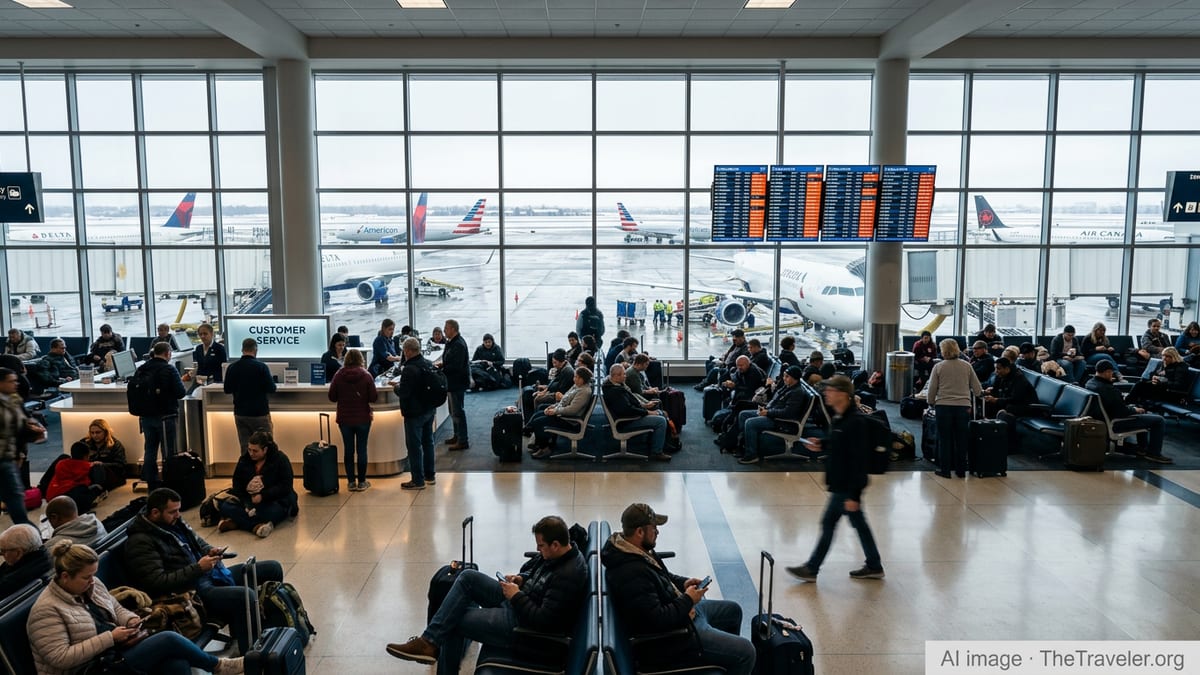
Storm System Over the West Ripples Through Salt Lake City
The disruption at Salt Lake City came as a broader wave of severe weather swept across large parts of the western and central United States on March 7, triggering thousands of delays and hundreds of cancellations nationwide. Thunderstorms, low clouds and lingering mountain snow combined to slow air traffic into and out of several major hubs, including Denver and Chicago, with knock-on effects radiating across the network.
In Salt Lake City, intermittent rain, gusty winds and shifting cloud ceilings contributed to a series of air traffic control flow restrictions, according to aviation tracking services. While conditions never fully shut down the airport, controllers were periodically forced to lengthen spacing between arrivals and departures, cutting the number of aircraft that could move through the system each hour.
Those incremental slowdowns proved enough to push many flights off schedule. By late evening, 79 departures and arrivals at Salt Lake City International were running late, and 9 flights had been canceled outright. The figures, while modest compared with the worst-hit hubs, were significant for an airport that serves as a key Rocky Mountain connecting point between the West Coast and the interior of the United States.
Flights to Los Angeles, Denver and Other Hubs Hit Hard
The heaviest impact fell on high-frequency routes linking Salt Lake City with major domestic hubs, including Los Angeles International and Denver International. Those corridors are especially vulnerable during regional weather events because both ends of the route are often affected by the same storm system, compounding delays and increasing the likelihood of cancellations.
Passengers bound for Los Angeles reported rolling departure times through the afternoon and evening as aircraft arriving from other cities turned up late or were forced to hold outside the terminal area before landing. Several Salt Lake City to Los Angeles flights left more than an hour behind schedule as ground crews worked to reset the operation between bursts of heavy traffic.
Connections to Denver were similarly strained. With Denver itself contending with snow and wintery conditions, some Salt Lake City departures were held at the gate while receiving airports worked through their own backlogs. The resulting congestion left some travelers facing missed onward connections and unexpected overnight stays.
Beyond Los Angeles and Denver, the day’s disruption reached a broad mix of business and leisure destinations around the country, from coastal cities to midwestern hubs. Even where flights ultimately operated, delayed departures shortened connection windows at downline airports, raising stress for travelers with tight itineraries.
Delta, Southwest and SkyWest Grapple With Operational Strain
Delta Air Lines, which maintains a major hub at Salt Lake City, was among the carriers most visibly affected by the day’s irregular operations. With many of its routes at the airport structured around tight banks of arrivals and departures, even relatively minor schedule shifts early in the day cascaded into larger gaps and missed connections later on.
Southwest Airlines, operating a point-to-point network that relies on aircraft cycling through multiple cities per day, also saw the weather-related disruption echo far beyond Utah. Delays encountered on earlier legs into Salt Lake City reduced turn times, forcing later departures to push back behind schedule and squeezing crew duty limits.
SkyWest Airlines, which operates regional flights on behalf of Delta and other major carriers, faced particular challenges coordinating its smaller jets. Because many SkyWest routes link smaller communities to larger hubs such as Salt Lake City, a single canceled regional flight meant some passengers lost their only direct option onto the national network that day. The carrier’s schedule also proved sensitive to shifting crew and aircraft rotations as delays mounted.
Though none of the airlines reported prolonged ground stops at Salt Lake City itself, all three spent much of the day juggling late-arriving aircraft, repositioning crews and rebooking stranded customers. Airport observers noted longer-than-usual lines at customer service counters and heavier congestion around gate podiums as travelers scrambled for alternatives.
Travelers Face Missed Connections and Overnight Disruptions
For passengers, the statistics translated into a long and often confusing day. Those with early morning departures in many cases experienced only modest slowdowns, but travelers booked on mid-afternoon and evening flights encountered the brunt of the disruption as delays compounded.
Some flyers connecting through Salt Lake City en route to the West Coast or the Midwest found their onward flights already gone by the time they landed, especially when inbound aircraft were held en route or sequenced more slowly into the arrival pattern. Airlines worked to rebook customers onto later departures, but limited spare seats during a busy early March travel weekend meant some people were left waiting until the following day.
Families returning from ski vacations in Utah and neighboring states reported particular frustration as delays jeopardized school and work plans back home. Business travelers, meanwhile, described having to reschedule meetings or join them remotely after being stranded in the terminal.
Airport staff and airline agents urged passengers to stay close to gates and rely on official airline apps and departure boards for the latest information, noting that estimated departure times sometimes shifted repeatedly as new air traffic control instructions arrived.
What Passengers Should Know for the Days Ahead
Aviation analysts cautioned that while the worst of the March 7 weather system was expected to move east, residual disruption could linger for at least another day as airlines reposition aircraft and crews back into their normal patterns. That means travelers booked through Salt Lake City and other affected airports on March 8 and possibly March 9 could still encounter isolated delays, even in improving weather.
Experts recommended that passengers with nonessential travel consider flexible timing where possible, aiming for earlier departures in the day when schedules are less burdened by accumulated disruption. They also encouraged travelers with tight connections through Salt Lake City to build in extra buffer time, especially when flying through other weather-prone hubs like Denver or Chicago.
For those already holding tickets, checking flight status frequently and enabling airline notifications remain key steps. Same-day rebooking options, either via the carrier’s app or at self-service kiosks, can sometimes secure better alternatives more quickly than waiting in line at a staffed counter when large numbers of flights are affected.
With late winter and early spring often bringing volatile conditions to the Rockies and the West, the day of disruption at Salt Lake City served as another reminder that even relatively short-lived storms can have outsized effects on complex airline networks, particularly when multiple major hubs are hit at once.