

More news on this day
Along a reclaimed stretch of Victoria Harbour, Hong Kong’s West Kowloon Cultural District is rapidly evolving from construction site to cultural powerhouse, reshaping how the city courts global visitors and redefines its image beyond finance and shopping.
Get the latest news straight to your inbox!
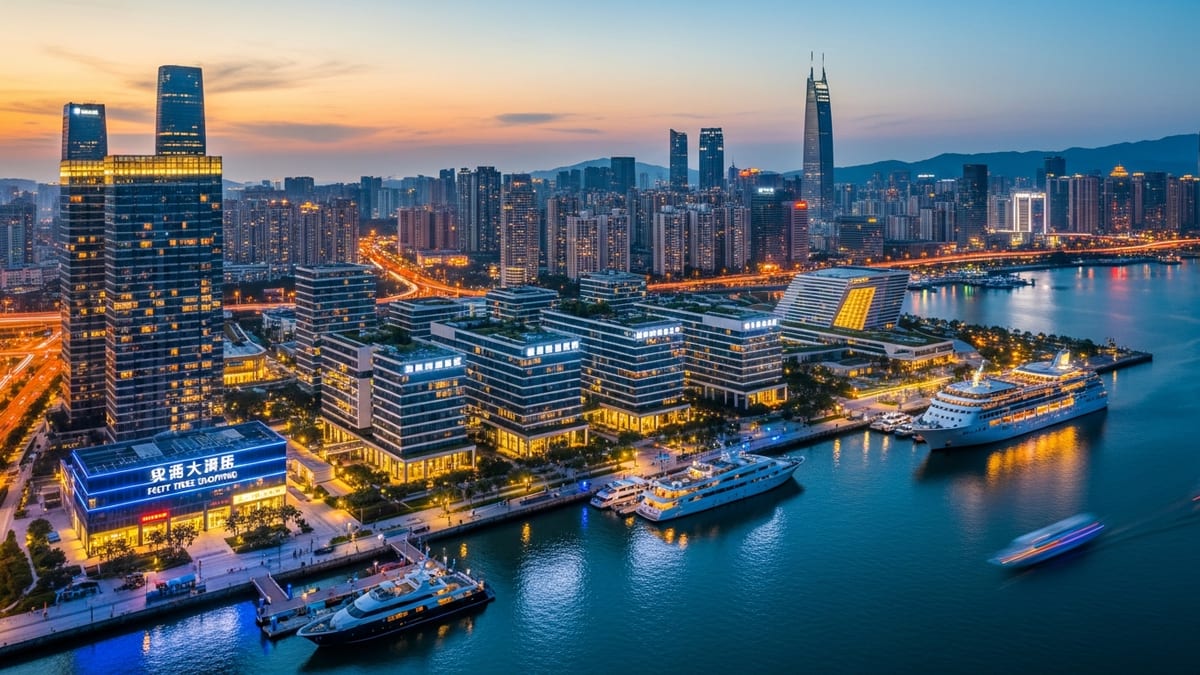
A Waterfront Arts Campus Driving Hong Kong’s Tourism Pivot
The West Kowloon Cultural District, a 40-hectare waterfront precinct facing Hong Kong Island’s towers, has become the centerpiece of the city’s attempt to reposition itself as an international cultural hub. Publicly available information describes a master plan that concentrates museums, performance venues and public parkland in one walkable district, a rarity in space-constrained Hong Kong.
Key institutions now open include M+, a museum of visual culture, the Hong Kong Palace Museum, the Xiqu Centre for Chinese opera and Freespace for contemporary performance. Together with an expansive harbourside art park, they offer a full-day itinerary that tourism marketers increasingly present as a cultural counterpart to long-established attractions like Victoria Peak.
Tourism data indicates that this strategy is unfolding against a broader rebound in visitor arrivals. Hong Kong closed 2024 with about 45 million visitors, approaching pre-pandemic levels and reviving demand for new, experience-led attractions. Within that recovery, West Kowloon’s cluster of venues has given the city a distinctive cultural story to sell to long-haul travelers and short-stay mainland visitors alike.
Reports from tourism authorities highlight West Kowloon as a flagship product in campaigns targeting arts-focused travelers. The district’s location above major rail links and within minutes of key hotel zones has enabled tour operators to integrate museum visits, waterfront walks and evening performances into tightly timed itineraries that previously revolved around shopping streets and theme parks.
M+ and Hong Kong Palace Museum Join the World’s Cultural Heavyweights
M+ has quickly emerged as a headline attraction, with visitor surveys and attendance rankings positioning it among the world’s most visited art museums. Industry reports for 2024 show M+ welcoming more than 2.6 million visitors, placing it in the global top tier alongside long-established institutions in Europe and North America and reinforcing Hong Kong’s claim to a central role in Asian contemporary culture.
The Hong Kong Palace Museum, which opened in 2022, extends this appeal by presenting treasures from Beijing’s Palace Museum in a contemporary harbourside setting. Published attendance data for 2024 indicates close to one million visitors, underlining sustained interest in Chinese imperial art among both local residents and tourists. The ability for travelers to see cutting-edge visual culture at M+ and classical masterpieces at the Palace Museum within a short walk is becoming a defining feature of the West Kowloon experience.
Annual reviews from the district’s institutions also track rapid growth in exhibition programming, from major retrospectives of Asian artists to cross-disciplinary shows linking design, moving image and architecture. This concentration of high-profile exhibitions has encouraged repeat visitation, with museum-goers combining multiple ticketed shows with free access to public spaces along the promenade.
Global art media now routinely reference West Kowloon when ranking emerging cultural destinations. Surveys that list the world’s most visited art museums increasingly feature both M+ and the Hong Kong Palace Museum, reinforcing perceptions of Hong Kong as a serious player in the international museum landscape and strengthening its appeal among culture-focused tourists.
Harbourfront Parkland and Nightlife Reinvent the Visitor Experience
Beyond galleries and stages, the West Kowloon Cultural District offers something Hong Kong has historically lacked at scale: open, car-light public space directly on the harbour. The Art Park, tree-lined lawns and an extended waterfront promenade have become popular with residents and tourists who come for skyline views, outdoor performances and food and beverage outlets that stay open into the evening.
Weekend events range from open-air concerts and film screenings to arts and lifestyle markets that draw families and younger visitors. Publicly available schedules show a steady calendar of festivals, often timed to coincide with major citywide happenings such as Art Basel Hong Kong and other international fairs, allowing visitors to experience both the commercial and public-facing sides of the art world in a single trip.
The district’s nighttime profile is also part of its tourism appeal. Illuminated facades, including the monumental media facade of M+, form a backdrop for selfies and social media posts that tourism promoters leverage in overseas campaigns. Travel industry commentary points to West Kowloon’s evening ambience as helping to diversify Hong Kong’s nightlife narrative beyond bar districts and shopping malls.
As the city promotes longer stays, West Kowloon’s mix of recreation and culture supports multi-day itineraries: morning museum visits, afternoon harbourfront walks and sunset dining with views of the skyline. This integrated offer is seen as particularly attractive for regional visitors seeking short cultural breaks without long-haul travel.
A Flagship Project Grappling With Financial Sustainability
Behind the visitor numbers, the district is also emerging as a high-profile case study in the economics of cultural mega-projects. Legislative papers and local business coverage describe significant operating deficits at the West Kowloon Cultural District Authority, the statutory body managing the site, with revenue in the 2024 to 2025 financial year declining while costs remained high.
Earlier projections warned that the original multibillion-dollar government endowment, approved in 2008, would be exhausted by around 2025. Subsequent reporting indicates that the authority has pursued new income sources, including a large commercial loan from a major regional bank and plans to monetize parts of its prime harbourfront land through long-term leases and property rights sales.
Commentary in regional media frames West Kowloon’s challenge as balancing its public cultural mission with the need to generate stable revenue from retail, dining, events and real estate. Analysts argue that the district’s success as a tourism magnet may depend on completing commercial components that were delayed by construction and the pandemic, enabling cross-subsidy from shops, offices and hospitality to museums and performing arts venues.
Despite the financial strain, cultural commentators note that the concentration of high-profile institutions has already altered perceptions of Hong Kong’s soft power. The debate now centers on how to secure a long-term funding model that maintains public access, supports ambitious programming and avoids over-commercializing what was conceived as a civic arts precinct.
Regional Competition and the Race to Be Asia’s Cultural Capital
West Kowloon’s rise is unfolding amid intense regional competition, with cities such as Seoul, Shanghai, Singapore and Tokyo investing heavily in new museums and performing arts infrastructure. Comparative attendance surveys show several Asian institutions entering global top rankings, underscoring the scale of the race to capture cultural tourism and international prestige.
In this context, Hong Kong’s strategy hinges on a distinctive blend of East Asian and global influences. West Kowloon’s programming connects Chinese heritage, Cantonese performing arts and international contemporary culture in a single district, allowing visitors to move from traditional opera to experimental performance and digital art within minutes.
Education and professional development initiatives in the district, including internships, public talks and partnerships with universities, are seen as building a local talent pipeline that supports Hong Kong’s broader creative economy. Business groups and industry observers describe West Kowloon as a showcase for the city’s creative credentials at a time when multinational companies evaluate regional hubs not only on tax and infrastructure, but also on quality of life and cultural vitality.
Whether Hong Kong can secure the title of Asia’s cultural capital remains subject to debate, but the West Kowloon Cultural District has clearly redrawn the map for visitors. For travelers planning itineraries in the region, the district now sits alongside major temples, skylines and food scenes as a primary reason to stop in Hong Kong, signaling a tourism revolution built around culture rather than commerce alone.