

More news on this day
Western Australia is sharpening its profile as an adventure and nature destination, with new trails, national park upgrades and marine experiences drawing visitors to some of the country’s most remote and dramatic landscapes.
Get the latest news straight to your inbox!
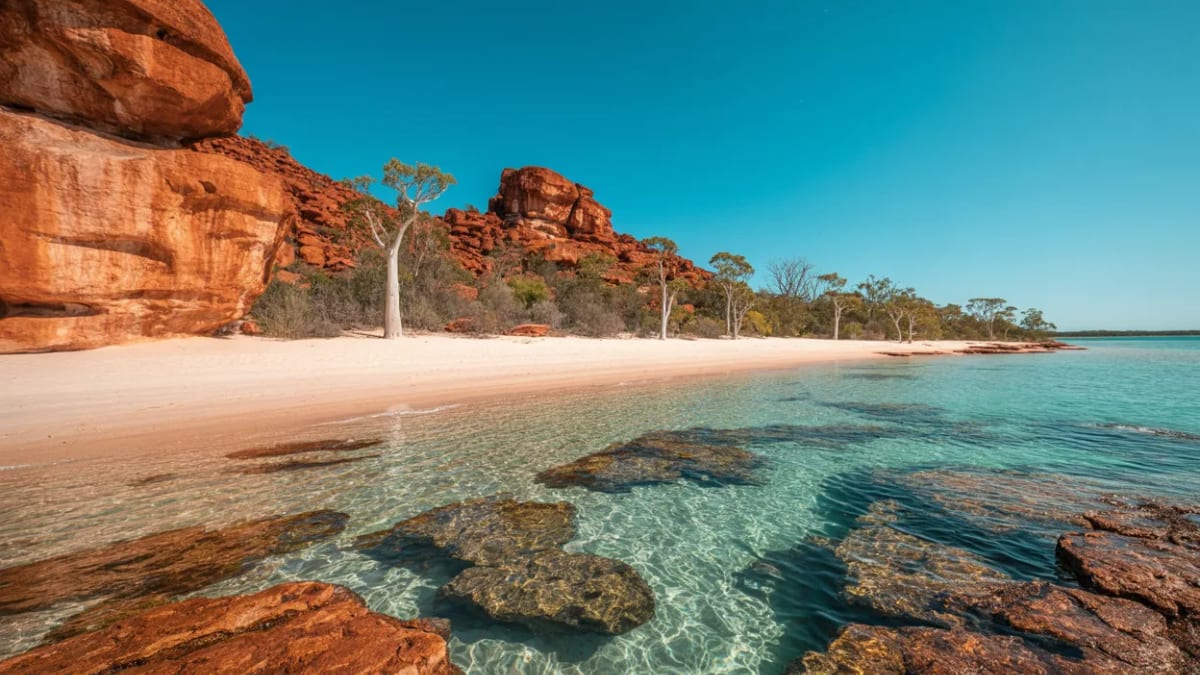
Image by Travel And Tour World
Tourism Momentum Builds Across a Vast State
Publicly available reporting from Tourism Western Australia indicates that the state’s visitor economy has been rebuilding on the back of strong domestic travel and a gradual return of international markets, supported by expanded aviation links into Perth and regional gateways. Recent annual reporting highlights continued investment in marketing and product development designed to disperse visitors beyond the capital and into regional areas including the Kimberley, Pilbara and Coral Coast.
Regional infrastructure spending is also reinforcing that trend. Budget documents and agency updates describe funding for trail centres, national park facilities and access roads, positioning outdoor recreation as a core plank of future growth. Analysts note that this mix of hard infrastructure and experience-led product is becoming a hallmark of Western Australia’s approach to tourism development.
Industry commentary suggests that visitors are increasingly seeking immersive trips that combine coastal relaxation with outback adventure, aligning closely with the state’s geographic strengths. From short breaks in and around Perth to multi-week road journeys north and south, Western Australia is marketing itself as a place where big landscapes and long distances translate into uncrowded, high-impact experiences.
Upgraded Parks and New Trails for Hikers and Riders
On land, a series of trail and park upgrades is reshaping how travellers explore some of Western Australia’s most visited natural areas. The Department of Biodiversity, Conservation and Attractions has reported new day-use facilities and upgraded hiking routes at John Forrest National Park in the Perth Hills, including sealed paths, landscaped picnic areas and purpose-built adventure trails for walkers and off-road cycling. These works are described as part of a broader effort to improve accessibility while protecting sensitive bushland.
Further south, Leeuwin-Naturaliste National Park, which includes popular sites along the Margaret River coast, has been the focus of a multi-million-dollar program to enhance the long-distance Cape to Cape Track and visitor signage. Government releases outline plans to improve track surfaces, address erosion and realign sections to better respect cultural and environmental values, with works scheduled through the mid-2020s. Travel media have pointed to these efforts as evidence of a nationwide push to lift multi-day hiking experiences to international standards.
Budget announcements have also flagged funding for new and upgraded trail hubs in forest and outback regions, including facilities to support mountain biking, trail running and bushwalking. Trade publications report that Western Australia is positioning these projects to tap into a growing global market for soft adventure, where high-quality wayfinding, safe access and nearby accommodation are seen as essential components.
New and emerging routes are gaining attention in consumer travel coverage, which has highlighted Western Australia’s coastal and forest hikes among notable additions to the country’s walking portfolio. These stories often emphasise the appeal of combining established icons with lesser-known sections of trail that give a sense of discovery without sacrificing safety or comfort.
Marine Encounters on Ningaloo and the Coral Coast
Offshore, Western Australia’s Coral Coast continues to trade heavily on its reputation for close-up wildlife encounters. Travel features from specialist outlets describe Ningaloo Marine Park as one of the few places in the world where visitors can swim with whale sharks in clear, warm water close to the shoreline. Tour operators based around Exmouth and Coral Bay are reported to offer day trips during a defined season each year, often from March to early August, when plankton-rich waters attract the giants of the reef.
These seasonal swims are increasingly packaged alongside snorkelling on coral gardens, manta ray interactions and turtle-viewing experiences, creating multi-day marine itineraries that appeal to both families and experienced divers. Destination guides stress the importance of booking in advance during peak periods, reflecting the limited capacity of licensed tours and strong demand from interstate and overseas travellers.
Further north, the Kimberley coast remains a drawcard for expedition cruising and scenic flights, with published coverage showcasing horizontal waterfalls, tidal phenomena and remote archipelagos. Promotion from regional tourism organisations encourages visitors to link coastal experiences with inland gorges and Aboriginal cultural tours, supporting longer-length stays and higher regional spend.
Along the broader coast, public information points to ongoing efforts to balance increased visitation with conservation, including managed access to turtle nesting beaches and guidelines for responsible wildlife interaction. Commentators note that this emphasis on stewardship is becoming a competitive advantage for destinations seeking eco-conscious travellers.
Iconic Outback Adventures in the Pilbara and Kimberley
In the interior, Western Australia is foregrounding rugged landscapes and red-earth scenery as a counterpoint to its beaches. Travel articles focused on the Pilbara highlight Karijini National Park, where newly sealed roads and upgraded facilities have been promoted as making it easier for visitors to reach key gorges and lookouts. Regional tourism bodies have framed these improvements as a way to lengthen the travel season and make self-drive itineraries more accessible to standard vehicles, while still rewarding those with four-wheel-drive capability.
The Kimberley, meanwhile, continues to feature prominently in national and international lists of bucket-list road trips. Publicly available tourism materials encourage travellers to follow iconic routes that link boab-studded savannah, sandstone gorges and remote river systems, often incorporating station stays and Indigenous-led tours. New and expanded national parks, such as Bunuba National Park near Fitzroy Crossing, are being presented as part of a broader move to protect significant river corridors while opening up opportunities for low-impact tourism.
Media reports and community updates from the region also underscore the volatility that can affect remote travel, from weather-related road closures to the cancellation of popular events. This context has led many operators and tourism agencies to emphasise the importance of planning, flexible itineraries and checking the latest local information before heading into remote areas.
Despite these challenges, travel publishers continue to promote Western Australia’s outback as one of the country’s most powerful drawcards, citing the combination of starry night skies, swimming holes and cultural narratives as reasons for its enduring appeal among repeat visitors.
City Gateways, Festivals and Wildlife Moments
Perth remains the primary gateway for most visitors, and its evolving infrastructure is shaping how travellers begin and end their Western Australian journeys. Transport updates show the opening of new rail connections, including the Ellenbrook line linking outer suburbs and attractions such as Whiteman Park with the broader metropolitan network. Local tourism messaging positions these improvements as part of a wider effort to make car-free exploration more feasible for international visitors.
Within the city, event calendars compiled by local tourism organisations highlight an expanding line-up of arts, culture and food festivals across the year. Coverage in lifestyle and travel sections points to large-scale celebrations in central Perth and Fremantle, complemented by regional events that showcase seasonal produce, wildflowers and coastal lifestyles. This programming is often framed as a way to encourage repeat visitation outside traditional school holiday peaks.
Wildlife remains a central thread across both urban and regional experiences. Travel features continue to spotlight Rottnest Island, a short ferry ride from Perth, where visitors seek out quokkas and car-free cycling. Farther afield, guides from youth and budget travel brands list opportunities to see marine turtles, reef sharks, dolphins and emus in their natural habitats, positioning Western Australia as a state where chance encounters with wildlife can occur across a broad swathe of itineraries.
As Western Australia layers these city, coast and outback offerings with upgraded infrastructure and new signature experiences, industry observers suggest it is solidifying its status as a destination for travellers willing to go further for big landscapes and low-crowd adventures.