

More news on this day
Air travel networks are under acute strain as airspace closures over the Gulf and cascading technical and labor disruptions at major hubs from Dubai to Frankfurt and Paris leave thousands of passengers stranded and force Western airlines to redraw their route maps in real time.
Get the latest news straight to your inbox!
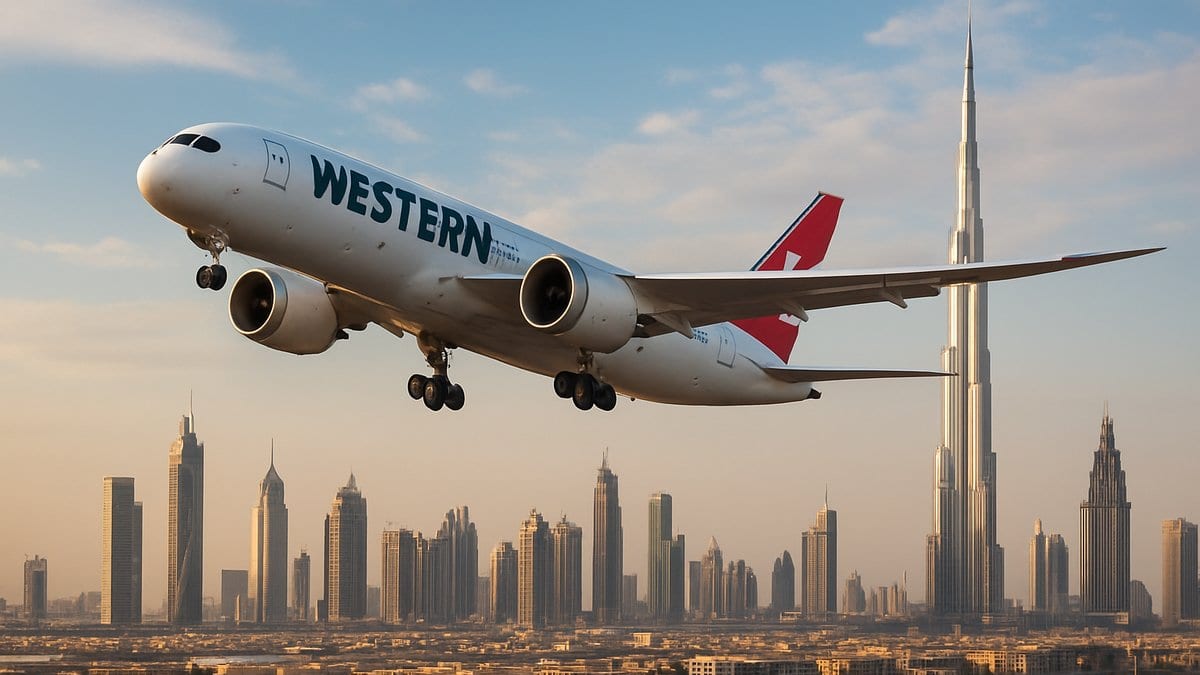
Gulf Airspace Closures Ripple Across Global Networks
The most immediate shock to global aviation has come from the closure of Qatari airspace and the effective shutdown of Doha’s Hamad International Airport, one of the world’s most important transfer hubs. Publicly available flight-tracking data and travel industry reports indicate that scheduled commercial operations in and out of Doha have been suspended or reduced to a fraction of normal levels since late February 2026, with only limited repatriation and special services operating.
That disruption has coincided with continued sensitivity around routings over Iran and neighboring states, which have periodically restricted overflights or imposed tighter controls amid regional tensions. Industry analyses note that when large swathes of Gulf airspace are effectively removed from the map, long-haul connections between Europe, Asia and Africa must detour by hundreds or even thousands of kilometers, putting pressure on alternative corridors through Turkey, the Caucasus and the eastern Mediterranean.
Dubai and Abu Dhabi, normally pillars of reliability in the Middle East network, have also faced repeated shocks over the past two years. Earlier flooding and storm events in the United Arab Emirates triggered mass cancellations and diversions at Dubai International, demonstrating how quickly local disruption at a mega-hub can reverberate across continents. The latest Gulf-wide airspace constraints have revived those vulnerabilities on a far larger scale, as multiple hubs face operational limits at the same time.
Analysts tracking daily schedules estimate that when the full impact of the Gulf closures, diversions and knock-on delays is counted, as much as 15 percent of global scheduled air traffic has experienced some form of disruption in recent days, from outright cancellations to lengthy reroutes and missed connections.
European Hubs Confront Technical Failures and Strike Fallout
While Gulf airspace issues have seized headlines, Europe’s major hubs have been battling their own crises. In Germany, a one-day national strike across 13 airports in March 2025, including Frankfurt, Munich and Berlin, led to the cancellation of thousands of flights and affected more than half a million passengers. Frankfurt, Germany’s busiest airport and a key intercontinental gateway, saw nearly all of its scheduled movements scratched in a single day, creating a backlog that took days to unwind.
More recently, technical disruptions have tested the resilience of European aviation infrastructure. At Paris-Orly, France’s second-busiest airport, a breakdown in air traffic control systems in 2025 forced authorities to slash the evening flight program by around 40 percent. Reports from that episode describe thousands of travelers stranded in terminals and on grounded aircraft as radar issues cascaded into widespread schedule chaos.
These incidents have come on top of earlier IT failures and power outages at major European hubs, including a shutdown at London Heathrow in 2025 that left terminals packed with passengers and airlines struggling to reposition aircraft and crews. Together, they underscore how dependent modern air travel has become on complex digital and energy systems, and how quickly a single point of failure can paralyze multiple airports simultaneously.
Frankfurt, Paris-Charles de Gaulle and other continental hubs have also been absorbing spillover from the Gulf. As routings via Doha and key Gulf corridors vanish or shrink, European airports have seen surges in connecting passengers, particularly on flights linking Europe with South and Southeast Asia. That added complexity increases the risk that any local disruption, whether a technical fault or labor stoppage, can ripple across already stressed global timetables.
Western Airlines Pivot Capacity Away From the Gulf
With Gulf carriers forced to curtail operations and connection banks across Doha and parts of the United Arab Emirates severely disrupted, Western airlines have begun reshaping their schedules to capture displaced demand and protect their own networks. Schedule updates from major transatlantic and Asia-bound carriers show a mix of added frequencies, upgauged aircraft and new one-stop options that avoid the most volatile airspace.
Several European and North American airlines have increased capacity on routes linking their home hubs directly to South Asia and Southeast Asia, bypassing traditional Gulf stopovers. Industry commentators point to additional flights from cities such as London, Paris, Frankfurt and Istanbul to destinations in India, Thailand, Malaysia and beyond, often relying on longer great-circle routings that skirt restricted zones. These changes partially offset the loss of Qatar Airways and other Gulf carriers on key trunk routes, but they can also lengthen travel times and tighten aircraft utilization.
At the same time, some Western carriers are adding short-notice services into secondary European hubs to relieve pressure on the most congested airports. Extra rotations to cities like Rome, Madrid and Zurich are being used as alternative connection points for passengers who would previously have transited through Doha or Dubai. Airline planning data indicates that this rapid redeployment is stretching fleets and crews, leaving little slack to absorb further shocks if new disruptions arise.
US carriers, which had already been expanding their footprints in India and the broader Asia-Pacific region, now find their strategies accelerated by necessity. The collapse of a large share of Gulf-supplied connecting capacity has opened room for more nonstop or single-stop itineraries via European partners. However, these gains come with higher operating costs on longer routes and continued exposure to any deterioration in European airport reliability.
Passengers Face Marathon Journeys and Patchwork Solutions
For travelers, the convergence of Gulf airspace closures, European technical failures and labor unrest has translated into long queues, missed trips and complex rebooking challenges. Social media posts and travel forum accounts over recent weeks describe passengers sleeping on terminal floors in Doha as they wait for scarce repatriation flights, while others recount multi-leg odysseys involving last-minute diversions to cities they never intended to visit.
Typical itineraries that once involved a single stop in Doha, Dubai or Abu Dhabi are now being replaced by patchwork journeys routed through a combination of European and regional hubs. A traveler bound from South Asia to North America, for example, might find themselves rerouted via Mumbai, Istanbul and a major European gateway before crossing the Atlantic on an overbooked flight. Each additional segment increases the chance of missed connections and lost baggage, compounding frustration.
Travel agents and online booking platforms are reporting sharp spikes in schedule changes and refund requests as airlines adjust their timetables day by day. Many carriers are offering voluntary rebooking options, waiving change fees or allowing passengers to reroute away from the Gulf and other affected airports. However, with aircraft and crews already heavily committed, alternative seats during peak periods remain limited and often command higher fares.
Airport operations teams in cities such as Paris, Frankfurt and Istanbul are also contending with the human side of the disruption. Passenger information channels, from terminal displays to public announcements, have struggled at times to keep pace with rolling changes, leaving travelers uncertain about whether to clear immigration, collect bags or wait at departure gates. In some cases, local authorities have opened dedicated areas in terminals to accommodate stranded passengers overnight, underscoring the scale and duration of the crisis.
Industry Braces for a Prolonged Period of Volatility
Airline and airport planners now face the prospect that Gulf airspace constraints and heightened geopolitical risk could persist for weeks or months, rather than days. Forecasts from aviation consultancies suggest that carriers may need to embed longer routings and reduced reliance on certain hubs into their schedules for upcoming seasons, not just as emergency measures.
That shift is likely to accelerate existing trends toward network diversification. Before the current crisis, many airlines had already been rebalancing away from a heavy dependence on single mega-hubs, spreading traffic across a wider range of connection points. The latest disruptions are reinforcing that logic, encouraging carriers to invest more in secondary hubs in Europe, South Asia and the eastern Mediterranean that can serve as alternates when primary nodes are compromised.
Yet the short-term costs are substantial. Longer flight paths raise fuel burn and carbon emissions, complicating both financial and sustainability targets. Aircraft and crew imbalances created by sudden hub closures also generate additional expense, as airlines reposition resources and provide accommodation and care for stranded passengers. Insurers and regulators are likely to scrutinize the events in the Gulf and Europe closely as they reassess risk models for overflights, cyber resilience and critical airport infrastructure.
For travelers planning trips in the coming weeks, publicly available guidance from airlines and travel organizations emphasizes flexibility. Passengers are being urged to monitor their bookings frequently, allow extra time for connections, and consider routing options that avoid the most heavily affected hubs. As Western carriers expand alternative routes and Gulf operators work to restore capacity, the industry is engaged in an ongoing effort to rebuild a coherent global network from an increasingly fragmented sky.