

From Ohio’s roller coaster coast to quiet Pennsylvania beaches and Ontario wine country, Lake Erie packs a surprising amount of vacation variety into one relatively compact shoreline. It can also be one of the more affordable Great Lakes escapes, provided you understand where the big costs hide and how to keep them in check. Here is a practical, price-focused look at what a Lake Erie vacation really costs today, from lodging and transportation to activities and food.
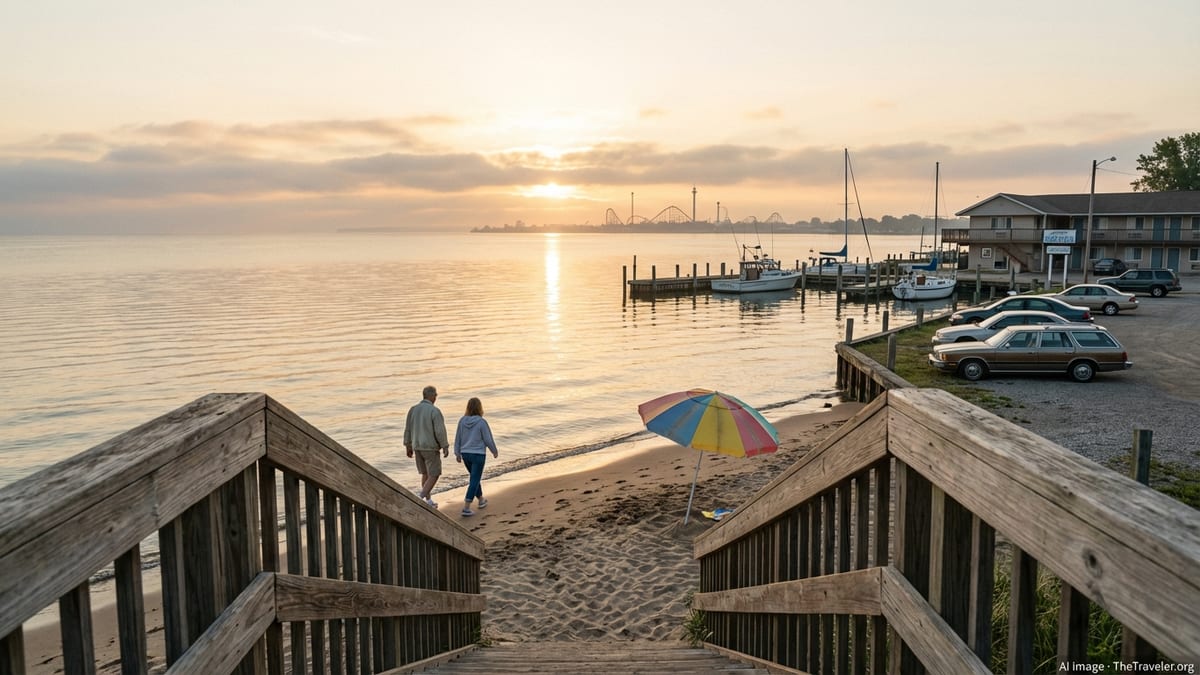
How Lake Erie Vacation Costs Compare
Lake Erie is often less expensive than headline Great Lakes destinations such as Lake Michigan or Lake Ontario, but prices can still spike during peak summer, festival weekends, and holidays. Travelers will find that the overall cost of a trip depends heavily on three choices: which part of the lake they stay on, whether they visit major attractions such as Cedar Point, and how close they want to be to the water. Inland towns and smaller state parks are generally friendlier to tight budgets than island hubs or high-demand beach neighborhoods.
Across the region, nightly lodging for a couple commonly ranges from budget motels under about 100 dollars inland to several hundred dollars a night for waterfront hotels or in-demand vacation homes in July and August. Food and drink are usually moderate by national resort standards, with casual meals in the 15 to 25 dollar per person range in many towns, and higher tabs at waterfront bars, wineries, and fine-dining spots. Activities span everything from free public beaches and hiking trails to theme park days that can be the single biggest line item of a Lake Erie vacation.
Seasonality is a major driver of price. Late June through mid August is typically the most expensive time to visit, followed closely by fall weekends if you are targeting Halloween events or winery harvest seasons. Travelers who can time trips for late May, early June, or September often see noticeably lower room rates and lighter crowds, especially midweek, while still enjoying warm enough weather for most outdoor activities.
Lodging Around Lake Erie: Hotels, Cabins, and Rentals
Accommodation is usually the largest part of a Lake Erie vacation budget, and prices vary substantially between the busy amusement and island corridor in northern Ohio, the more low-key Pennsylvania shore, western New York, and the Ontario side. In Erie, Pennsylvania, for example, recent analyses of hotel bookings show an average nightly rate in the low 120 dollar range, with budget hotels closer to about 80 dollars and higher-end properties often around 200 dollars or a bit more. Those averages climb in peak summer, when a three-night stay can easily run in the mid 300 dollar range or higher before taxes.
On the Ohio shores near Sandusky, Port Clinton, and the Lake Erie Islands, proximity to Cedar Point and the ferries pushes rates up. Simple motels along the highway or a few miles inland can still hover near 100 dollars per night on many dates, but waterfront hotels, condo-style resorts, and island stays more commonly run from roughly 150 to 300 dollars per night in July. Vacation rentals suitable for families or groups can range widely, from modest cottages under 200 dollars per night in shoulder seasons to several hundred dollars per night for larger or more luxurious homes during midsummer or event weekends.
On the Canadian side, in places like Port Stanley or the wine regions along Ontario’s Lake Erie North Shore, visitors will find a mix of small inns, bed-and-breakfasts, and lakeside cottages. Prices are influenced by both the lakefront setting and broader Canadian travel demand, with many midrange stays commonly priced in the equivalent of 150 to 250 US dollars per night in high season. Budgets should account for exchange rates, which can help or hurt depending on broader currency trends, as well as any added fees for cross-border travel such as tolls or parking in busier towns.
To trim lodging costs, consider staying a short drive away from the water, traveling midweek, or planning a shoulder-season getaway. Many properties around Lake Erie adjust prices dynamically, so booking in advance for popular periods or watching for last-minute deals in quieter weeks can both pay off. Travelers who are flexible on location often save most, for example by basing in Erie or inland Ohio and day-tripping to islands or amusement parks instead of staying directly in those premium zones.
Getting There and Getting Around
Transportation costs for a Lake Erie vacation are shaped by how far you are traveling, whether you are flying or driving, and how much island-hopping you plan to do. For many visitors from the Midwest and Northeast, the lake is reachable within a day’s drive, making fuel and any highway tolls the main expenses. Driving also makes it easier to access state parks, remote beaches, and smaller lake towns that lack reliable public transportation.
On the water, ferry fares quickly become a noticeable part of the budget for those heading to islands like Put-in-Bay or Kelleys Island. One of the main ferry operators to Put-in-Bay lists one-way adult fares just under 10 dollars per person for a basic crossing, or slightly higher for faster passenger-only services, where round-trip adult tickets are commonly in the low 30 dollar range from mainland ports. Taking a car over is significantly more expensive, with vehicle charges that can easily add 20 dollars or more each way, not including the driver’s passenger fare. Many travelers choose to leave the car on the mainland and rent golf carts or bicycles on the islands to keep costs down.
Within lake communities, parking fees can range from free lots at some public beaches and parks to paid parking in downtown districts or at marinas and private beaches. Visitors should plan for several dollars per hour in busy tourist zones and higher flat fees near major attractions. Ride-share availability is mixed outside larger cities such as Cleveland or Erie, so those planning to sample wineries or breweries may want to budget for local taxis, designated driver services where they exist, or organized tours that roll transportation and tastings into one price.
If you are flying into the region, airports in Cleveland, Detroit, Buffalo, and Erie provide access to different stretches of the lake. Airfare fluctuates widely with general travel demand, so those costs tend to dwarf local ground expenses. Rental cars in peak summer often command higher daily rates, so it can be worth comparing airport rentals with local agencies away from terminals and factoring in parking costs at hotels and attractions when modeling your total transportation spend.
Cedar Point and Other Big-Ticket Attractions
For many travelers, a day or two at Cedar Point in Sandusky is the headline event of a Lake Erie vacation, and it is also the most concentrated expense. Recent reporting and park guides indicate that single-day admission to Cedar Point now typically starts around 50 dollars for basic tickets when purchased in advance and can climb into the 80 to 90 dollar range or more on peak summer dates, especially when bought close to the visit date. Third-party guides and enthusiast sources describe 2025 ticket ranges for standard single-day admission around the mid 80 to upper 90 dollar mark at the gate during peak periods, with notable savings when buying online ahead of time.
Season passes can be attractive if you plan multiple visits or are combining Lake Erie with trips to other parks in the same chain. In recent seasons, Gold-level passes have been promoted in some sales periods around the 100 dollar mark, while more premium passes that include extras such as preferred parking, VIP zones, or early entry have reached several hundred dollars. In 2025, the park introduced an All Park Passport option that, for an additional fee, extends entry to a large network of related parks across North America, which can shift the value equation if your Lake Erie vacation is part of a bigger theme-park year.
Costs at Cedar Point do not stop at the gate. On busy days, many visitors opt for Fast Lane line-skipping passes, which current park and enthusiast sources suggest often add anywhere from roughly 85 dollars on a quieter date to well over 150 dollars per person in peak periods. Families should also budget for 20 dollars or so for parking, plus on-site food that can easily run 15 to 20 dollars per meal per person for quick service options. Special events, such as Halloween haunted attractions, increasingly come with separate upcharges even for passholders, so it is wise to confirm what is and is not included at the time you plan your visit.
Beyond Cedar Point, Lake Erie offers a full menu of paid attractions that can add variety without always matching big theme-park price tags. Aquariums, small amusement parks, boat excursions, fishing charters, lighthouse climbs, and water parks often charge anywhere from about 10 to 60 dollars per adult depending on duration and inclusions. Wine tours in Ontario and Ohio typically price tastings or guided tours per stop, sometimes rolling several pours into a fee under 20 dollars, while private or chauffeur-driven wine-country tours cost more but eliminate the need for a designated driver. By mixing one major splurge day with lower-cost local experiences, many travelers find they can enjoy a richer Lake Erie itinerary without losing control of their budget.
Everyday Spending: Food, Drinks, and Groceries
Daily food costs around Lake Erie rarely reach the premium levels of major coastal resort towns, but they do add up, particularly in hot spots that rely on tourism for much of the year. In many lake communities, casual dinners at pubs, diners, or family restaurants fall in the 15 to 25 dollar per person range before tax and tip, assuming a main dish and a nonalcoholic drink. Upscale waterfront venues, wine-country bistros, and hotel restaurants can easily push dinner closer to 30 to 50 dollars per person or more when starters, desserts, or cocktails enter the picture.
Breakfast and lunch are generally more forgiving. Grab-and-go bakeries, coffee shops, and fast-casual spots can keep morning costs near 10 to 15 dollars per person, especially if you are comfortable with simple sandwiches or pastries. Many travelers save by leaning on hotel breakfasts where included, cooking in rental kitchens, or packing picnic lunches for days at state parks and beaches. Local grocery stores and big-box retailers are plentiful in most Lake Erie metro areas, so stocking a cooler is straightforward and significantly cheaper than buying every meal at a restaurant.
Alcohol is one category where spending can vary dramatically. Lakeside bars and winery tasting rooms make it easy to linger, and tabs grow quickly when ordering specialty cocktails or several glasses of wine. A single drink at a waterfront bar can commonly reach the low teens, and tasting flights are often priced similarly. Visitors who want to enjoy the local craft beer or wine scene without overspending may find it useful to pick a small number of paid tastings and then buy bottles or cans from shops to enjoy later at their lodging where permitted.
For budgeting purposes, many couples find that a moderate daily food and drink allowance falls somewhere around 75 to 150 dollars depending on how many meals they eat out and how often they indulge in drinks or desserts. Families with children can often keep restaurant costs a bit lower by taking advantage of kids’ menus, sharing larger portions, or leaning heavily on self-catered breakfasts and snacks. Regardless of budget level, it is wise to build a small buffer for unplanned ice creams, lemonade at the beach, or that extra round at a lakeside bar with a sunset view.
Free and Low-Cost Fun Around the Lake
One of the best ways to balance out the cost of lodging and occasional big-ticket days is to tap into Lake Erie’s many free or low-cost activities. Public beaches, state parks, and metro park systems ring large stretches of the shoreline, offering swimming, walking and biking trails, birdwatching, playgrounds, and scenic overlooks at little or no cost beyond parking. In many spots, a small day-use or parking fee of just a few dollars opens up miles of shoreline, picnic areas, and nature programs, making these some of the best value experiences on the lake.
Fishing is another mainstay. Shore fishing requires only a license, basic gear, and patience, while charter trips run higher but split well across a group. Charter rates vary by port, vessel, and season but often sit in the several-hundred-dollar range for a half- or full-day private outing that can accommodate multiple anglers, so a full boat of friends or family can bring the per-person cost down to a manageable level. Kayak rentals, stand-up paddleboards, and small sailboats can typically be hired by the hour or day, with prices that remain modest compared with mechanized water sports in more heavily commercialized destinations.
Many Lake Erie towns have revitalized waterfront districts with seasonal festivals, open-air concerts, farmers markets, and outdoor movie nights. Entry is often free, with costs limited to food, drinks, or crafts you decide to buy. Museum admissions in smaller communities are frequently budget-friendly, focusing on maritime history, lighthouses, or local culture. Walking historic neighborhoods, touring lighthouses for a small fee, and browsing local shops all deliver a strong sense of place without approaching the spend of a theme-park ticket.
Because so much of Lake Erie’s charm comes from its natural setting, the most memorable days on the lake sometimes cost next to nothing. Sunrise walks on the beach, sunset picnics, skipping stones, or watching a storm roll across the water do not require reservations or credit cards. Building these simple experiences into your itinerary helps counterbalance the more expensive outings and can make the overall trip feel both richer and more sustainable for your wallet.
Sample Budgets and Money-Saving Strategies
To understand what a Lake Erie vacation might cost, it helps to sketch out basic budgets for different travel styles. A frugal weekend for a couple based in a budget hotel or modest rental a short drive from the shore might run something like this: two or three nights of lodging around 100 to 150 dollars per night, modest fuel and parking costs, primarily self-catered breakfasts and packed lunches, and simple dinners at diners or fast-casual spots. With one or two low-cost activities such as small museum admissions, kayak rentals, or a lighthouse tour, a long weekend could stay in the several-hundred-dollar range for two people, particularly outside of the highest-demand weeks.
A midrange, activity-focused trip for a family of four centered around the Ohio coast might look quite different. Four or five nights in a midrange hotel or vacation rental at 200 to 300 dollars per night, one full day at Cedar Point with advance-purchase tickets for everyone, ferry rides and a golf cart rental for a day on Put-in-Bay, restaurant dinners most nights, and a couple of paid excursions such as a boat tour or aquarium visit can easily push the total cost into the low to mid four figures before travel to and from the region. Careful planning, discount hunting, and choosing either islands or multiple theme-park days rather than both can keep this from escalating further.
At the higher end, couples or groups seeking lakeside luxury, multi-day park-hopping, charter fishing, and winery touring can spend significantly more. Waterfront inns or large homes at several hundred dollars per night, premium park passes or Fast Lane add-ons, private tours, and frequent restaurant meals contribute to a per-trip cost that can rival or exceed more famous coastal getaways. For these travelers, the key is often not to reduce costs, but to ensure that spending closely matches personal priorities, whether that is riding every roller coaster, fishing trophy walleye, or sipping wine at sunset.
Regardless of budget level, several tactics consistently help Lake Erie visitors save money. Traveling outside peak dates, especially midweek in late spring or early fall, often reduces lodging rates and ticket prices. Buying attraction tickets online in advance, seeking out package deals that bundle hotels and theme-park admissions, and comparing ferry operators and departure points can all yield meaningful savings. Above all, mixing free outdoor time with a small number of carefully chosen paid experiences makes the region feel both affordable and deeply rewarding.
The Takeaway
A Lake Erie vacation can be anything from a shoestring camping trip with beach days and state parks to a high-energy, high-budget getaway packed with theme parks, island nightlife, and waterfront dining. The same body of water supports quiet family retreats, fishing weekends, wine-country escapes, and roller coaster pilgrimages, and each version of the trip comes with its own price tag. What ties them together is that, with a little planning and realistic expectations, most travelers can shape an itinerary that fits both their interests and their budget.
Understanding where the main costs lie is the first step. Lodging and headline attractions like Cedar Point typically consume the largest share, while food, transportation, and smaller activities fill in the rest. By choosing when and where to splurge, taking advantage of shoulder-season pricing and advance-purchase discounts, and weaving in plenty of free or low-cost lakeshore fun, you can enjoy a memorable Lake Erie vacation without financial surprises. The lake’s mix of accessibility, variety, and relative affordability continues to make it one of the most flexible fresh-water escapes in North America.
FAQ
Q1. Is Lake Erie generally an affordable vacation compared with other Great Lakes?
Lake Erie is often more affordable than some larger or more famous Great Lakes destinations because many communities still price lodging, food, and activities at moderate levels, especially outside peak summer weekends.
Q2. How much should I budget per night for lodging near Lake Erie?
Many visitors can expect to spend roughly 100 to 250 dollars per night for typical hotels or rentals, with lower rates inland and higher prices for waterfront properties and island stays in midsummer.
Q3. What does a day at Cedar Point usually cost?
A single day at Cedar Point can cost from around 50 to nearly 100 dollars per person for admission alone, with parking, food, and optional Fast Lane passes increasing the total, especially for families.
Q4. Are the Lake Erie islands expensive to visit?
Island visits often add costs through ferry fares, higher seasonal lodging rates, and golf cart or bike rentals, but day trips without overnight stays can keep spending manageable.
Q5. How much should I plan for food each day on a Lake Erie trip?
A moderate daily food budget might fall between 75 and 150 dollars for two adults, depending on how often you dine out, whether breakfast is included, and how many drinks or desserts you order.
Q6. When is the cheapest time to vacation on Lake Erie?
Late spring and early fall, especially midweek in May, early June, or September, usually bring lower lodging prices and fewer crowds while still offering pleasant weather in many areas.
Q7. Do I need a car for a Lake Erie vacation?
Having a car is very helpful, as public transportation is limited outside major cities, and driving keeps costs lower than relying on taxis or tours for reaching beaches, parks, and smaller town centers.
Q8. Are there many free things to do around Lake Erie?
Yes, there are numerous free or very low-cost activities, including public beaches, state parks, trails, scenic overlooks, community festivals, and simple shoreline walks at sunrise or sunset.
Q9. How can families keep Lake Erie vacation costs under control?
Families often save by staying slightly inland, visiting major attractions only once, cooking some meals, taking advantage of kids’ pricing, and focusing on beaches and parks for most days.
Q10. Is travel insurance worth it for a Lake Erie trip?
Travel insurance can be valuable if your plans include nonrefundable lodging, pricey attraction tickets, or air travel, especially during stormy seasons when severe weather could disrupt flights or activities.