

Endicott Arm, a steep-walled fjord southeast of Juneau that ends at Dawes Glacier, has become one of the signature experiences on Alaska’s Inside Passage. Yet for many travelers the real question is not whether the ice-choked waterway is worth seeing, but what it actually costs to get there. Prices span from mainstream cruise fares that quietly include a scenic sail through the fjord to premium small-ship expeditions and add-on glacier excursions that can rival the cost of the cruise itself. Understanding these layers of pricing is the key to planning an Endicott Arm trip that fits both your sense of adventure and your budget.
Understanding Where Endicott Arm Fits in an Alaska Itinerary
Endicott Arm lies within the Tongass National Forest, about 50 miles southeast of Juneau. Most travelers do not visit it as a stand-alone destination. Instead, the fjord is typically one scenic day inside a larger cruise itinerary that might also include Juneau, Skagway, Ketchikan and other Inside Passage highlights. In cruise brochures, you will often see it listed as Endicott Arm and Dawes Glacier, Dawes Glacier, Tracy Arm or Tracy Arm Fjord and Endicott Arm, since some lines alternate between fjords based on ice conditions.
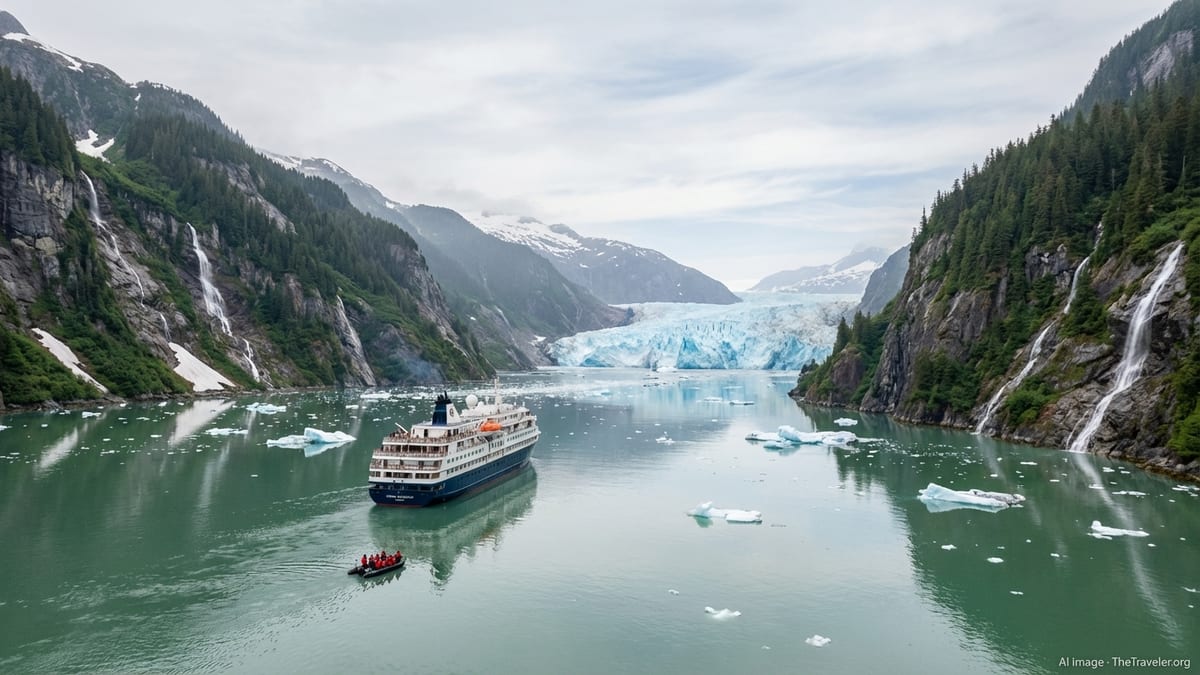
For big-ship passengers, the baseline experience is a slow sail up the arm, often in the early morning, with commentary over the loudspeakers and time on deck to watch for waterfalls, harbor seals and calving ice from Dawes Glacier. This sail is usually included in your cruise fare. Additional cost only appears if you choose an optional small-boat or helicopter excursion that gets you closer to the ice. Small-ship expedition cruises, on the other hand, tend to build Endicott Arm into itineraries that prioritize time in narrow fjords and off-ship exploration as the main attraction.
Because Endicott Arm days are so tightly woven into broader Inside Passage routes, the price you pay to reach the fjord is often hidden inside a cruise that may not even list Endicott in the headline marketing. That makes it easy to underestimate the cost of seeing Dawes Glacier, or to assume that all Endicott visits are roughly equivalent when in reality the price and intensity of the experience can vary dramatically.
Before you drill into individual excursion prices, it helps to separate the core categories of spending. First comes the cruise or small-ship fare that physically gets you into Endicott Arm. Then there are optional glacier-focused tours by catamaran, kayak, Zodiac or helicopter. Around those core elements sit flights to and from Alaska, pre- or post-cruise hotels, onboard extras such as drinks and Wi-Fi, and standard travel costs like insurance and tipping. Thinking of costs in these layers gives you a clearer sense of what you can dial up or down.
What Mainstream Cruises That Visit Endicott Arm Cost
The most common and often most economical way to see Endicott Arm is on a mainstream seven-night Alaska cruise that includes a scenic day in Tracy Arm or Endicott Arm. Sample fares for Inside Passage sailings that call at Tracy Arm or Endicott Arm frequently start around the upper hundreds to low thousands of dollars per person for an inside cabin during shoulder season, rising into the middle or high thousands for balcony cabins in peak summer or on newer ships. Some publicly listed example fares for week-long Inside Passage itineraries that sail to Dawes Glacier show entry-level prices in the ballpark of 1,200 to 1,600 dollars per person before taxes and fees, with veranda and suite categories climbing substantially higher.
Across lines and seasons, industry aggregators that track Endicott Arm and Dawes Glacier cruises often describe a broad range of approximately 1,500 to 3,500 dollars per person for a mainstream one-week cruise in an entry-level or mid-range cabin, while top-end suites or luxury lines can easily exceed 8,000 dollars per person. Those figures generally exclude government taxes and port charges, which can add a few hundred dollars per person, and do not reflect airfare or pre-cruise hotels. When you factor in all those elements, a couple could reasonably expect a total trip budget in the mid to high four figures for a standard balcony cabin cruise that includes Endicott Arm.
Season and timing are major variables. Early May and late September typically bring the lowest advertised fares but also the highest chance of chilly, wet weather and less stable ice conditions in the fjords. Late June through mid-August is peak season, when both prices and demand tend to reach their high points. Booking many months in advance can lock in lower fares, but close-in discounts sometimes appear on less popular sailings or cabin types. Airfare to embarkation ports such as Seattle, Vancouver or Anchorage can quietly add several hundred dollars per person, especially for peak season departures, so it should be folded into any realistic Endicott Arm cost estimate.
Within any given cruise, your cabin choice has a direct impact on how you experience Endicott Arm. Balcony cabins and suites command a premium, often hundreds or thousands of dollars more per person than interior staterooms, but they allow you to watch the fjord from your own private space. If glacier day comfort and photography are top priorities, spending extra for an outside or balcony cabin may deliver more value than piling on multiple add-on excursions.
Small-Ship Expeditions and How Their Pricing Works
At the higher end of the market sit small-ship expedition cruises that focus intensively on fjords, glaciers and wildlife. These vessels typically carry fewer than 100 passengers, sail closer to shore and make frequent use of kayaks, inflatable skiffs and shore landings. Because of their scale and inclusive approach, they carry a distinctly different price tag from big-ship cruises. Sample published rates for eight-day Inside Passage itineraries that feature fjords such as Dawes Glacier and Misty Fjords, operated by small-ship lines, commonly start around 4,400 dollars per person in shoulder season and rise to approximately 6,800 dollars or more per person in the height of summer, based on double occupancy.
Other expedition-style trips in Southeast Alaska that include Tracy Arm or Endicott Arm list one-week rates around the mid- to high four thousands per person in spring, climbing to well over 5,000 dollars per person once summer is underway. Premium naturalist operators that blend Endicott-style fjords with other remote areas quote similar ranges, with some departures topping 7,000 dollars per person for certain cabin classes. These fares usually bundle in most shore excursions, guided hikes, kayaking sessions and park fees, which is why the line item for excursions is far smaller once onboard, but the initial outlay can be two or three times that of a mainstream cruise.
Inclusions are an important part of the value calculation. Many expedition lines advertise that their prices cover all or nearly all meals, daily guided activities, use of equipment like kayaks, and, in some cases, alcoholic beverages. Port taxes and fees may or may not be included in the headline rate but are typically spelled out in the fine print. What is often not included is airfare to the embarkation city, extended land tours before or after the voyage, and optional gratuities. When you tally the inclusive nature of these trips, the gap between a mainstream cruise with lots of add-ons and a small-ship expedition can narrow a bit, but expeditions are still a premium product.
The choice between a mainstream cruise and an expedition ship for Endicott Arm often comes down to your priorities rather than a simple price-per-day calculation. If your main goal is a brief but impressive sail up the fjord without breaking the bank, a big-ship cruise with an included scenic day will do the job. If, however, you want to maximize time in narrow fjords, step into kayaks below glacier-carved cliffs and travel with specialist naturalists, the higher fare for a small-ship expedition may be justified. Either way, booking early and watching for promotions such as free or discounted airfare or onboard credit can significantly change the overall cost picture.
What You Can Expect to Pay for Glacier and Fjord Excursions
Once you are on an Alaska cruise that includes Endicott Arm, you will likely be offered optional excursions that promise closer views of Dawes Glacier or more active ways to experience the fjord. The most common is a dedicated small-boat or catamaran tour that meets your ship near the mouth of the fjord or in Juneau, travels deep into Endicott Arm and lingers near the glacier face. Prices for these dedicated glacier boats vary by cruise line and operator, but recent listings and traveler reports put many of them in the low hundreds of dollars per person, with sample prices around 270 dollars for adults on some itineraries.
Windstar Cruises, for example, has recently advertised an Endicott Arm Dawes Glacier kayaking outing at about 289 dollars per person for a roughly two-hour guided paddle, alongside a Zodiac tour option priced around 369 dollars per person for a shorter but more motor-focused experience. Those figures are consistent with broader pricing patterns across lines, where kayak or Zodiac excursions in the fjords often run from the high 100s to the 300-plus dollar range, depending on length and group size. Helicopter tours that land on glaciers in the Juneau area, while not exclusive to Dawes Glacier itself, frequently sit at the top of the price scale, with some recent examples and traveler anecdotes citing per-person prices in the several-hundred-dollar to four-figure range.
Independent operators selling long day trips from Juneau into Tracy Arm or Endicott Arm on small tour vessels also tend to price their excursions at a premium relative to more common whale-watch or city tours. Full-day fjord explorations that last ten to twelve hours, including glacier viewing, wildlife watching and transfers, often fall somewhere in the middle to upper hundreds of dollars per person. These rates generally include lunch or snacks and guided commentary, though add-ons such as hotel pick-up, photo packages or gear rental can occasionally carry extra fees.
Compared with walking city tours or short sightseeing drives, glacier-focused excursions are expensive, but they are also the experiences many visitors later describe as the highlight of their trip. Demand stays high enough that prices have in some cases risen significantly between initial booking and sailing dates. It is not unusual for a fjord catamaran tour that cost under 300 dollars when purchased early to be priced considerably higher closer to departure. Booking as soon as you are comfortable with your overall trip plan can help you avoid that upward drift, and it also reduces the risk of sold-out departures on peak dates.
Onboard Extras, Taxes and the Hidden Costs of Visiting Endicott Arm
The headline price of your cruise and any specific Endicott Arm excursion rarely tell the whole story. Port taxes and government fees are usually added on top of the advertised fare. These can reach a few hundred dollars per person on a week-long Inside Passage itinerary, particularly if your ship visits multiple ports and scenic cruising areas. Some small-ship and expedition operators bundle these charges into their base prices, while many mainstream lines show them separately during booking. When estimating your overall cost to visit Endicott Arm, it is safer to assume that total cruise charges will land noticeably above the lead-in fare advertised in brochures.
Onboard spending is another area where costs can creep up. Drinks packages, specialty dining, Wi-Fi, spa treatments and photo packages are not specific to Endicott Arm, but they are part of almost every modern cruise. A typical beverage package, for instance, can add a substantial daily per-person charge if you opt in, and even casual pay-as-you-go consumption of cocktails and specialty coffees can add up by the end of a week. Specialty restaurants are often priced by a fixed cover charge or a la carte menu, with higher-end venues commanding premium pricing.
Gratuities deserve special attention. Most cruise lines either automatically add daily service charges to your onboard account or include an estimated gratuity amount in the advertised fare. These charges support the crew who, among other roles, help facilitate your glacier-viewing experience by keeping decks clear, serving warm drinks and managing logistics. When you layer in additional tipping for tour guides, drivers, kayak leaders and small-boat captains on Endicott Arm excursions, the gratuity line of your budget can become significant. Planning for it in advance prevents unwelcome surprises when your final bill arrives.
There are also gear and preparation costs that are easy to overlook. While you do not need technical mountaineering clothing for a scenic fjord visit, investing in waterproof outerwear, warm layers, gloves and hats can make or break your comfort level on a windy deck. Some travelers purchase or rent binoculars or upgraded camera equipment specifically for glacier viewing, representing another potential few hundred dollars in pre-trip spending. None of these costs are unique to Endicott Arm, but the cold, damp conditions of a glacial fjord make them particularly impactful here, and they should be part of your overall budget picture.
How to Build a Realistic Budget for an Endicott Arm Trip
Creating a realistic budget for Endicott Arm starts with an honest assessment of your travel style. A budget-conscious couple looking for an introduction to Alaska might prioritize an early-season Inside Passage cruise in an inside or oceanview cabin, skip the pricier helicopter or small-boat add-ons and rely on the included scenic sail through Endicott Arm for their glacier fix. For that pair, the core expenses would be cruise fare, airfare, taxes and fees, modest onboard spending and essential gear, keeping the overall trip cost in a more contained range.
At the other end of the spectrum, travelers who view Endicott Arm as a once-in-a-lifetime experience might select a peak-season cruise with a balcony cabin, book a dedicated Dawes Glacier catamaran tour, add a helicopter glacier landing out of Juneau and indulge in a specialty dining package and inclusive drink plan. When you layer those choices onto baseline cruise and airfare costs, total spending can easily climb into the high four or five figures for a small group or family. Neither approach is inherently better. They simply reflect different priorities and comfort with discretionary costs.
One practical way to frame your budget is to think in tiers. Start by fixing the non-negotiables: transportation to and from the embarkation port, a cruise or expedition that includes Endicott Arm, basic insurance and essential cold-weather clothing. Then decide how much you can allocate to glacier-centric experiences beyond the included scenic sail. If a small-boat excursion into the fjord is high on your wish list, pencil in a realistic per-person price based on current listings, allow for gratuities and build the rest of your onboard spending around that anchor experience rather than treating it as a last-minute add-on.
Flexibility also has a financial payoff. If your schedule is open, consider traveling in shoulder season, when fares can be noticeably lower while conditions in the fjords may still be excellent. Watch for promotions like reduced deposits, onboard credit that can be applied to excursions or bundled air-and-cruise offers that cut your flight costs. Keep in mind, though, that the most desirable Endicott Arm sailings and glacier excursions in mid-summer often sell out far in advance. Building your budget and booking strategy at the same time increases your chances of securing the experience you want at a price you are comfortable paying.
The Takeaway
Visiting Endicott Arm is not a single, fixed-price purchase. It is a layered experience built on cruise fares, optional fjord and glacier excursions, and the familiar ecosystem of modern cruise spending. Broadly speaking, mainstream Inside Passage cruises that include Endicott Arm can start in the low thousands per person, with small-ship expeditions several thousand dollars higher and premium suites or luxury lines rising beyond that. Once on board, glacier-focused tours by catamaran, kayak, Zodiac or helicopter often sit in the low to high hundreds of dollars per person, reflecting the demand and logistical complexity involved in getting travelers safely close to Dawes Glacier.
If the idea of sailing between vertical green walls and blue ice while harbor seals lounge on drifting floes is what draws you to Alaska, the costs can feel steep but often prove memorable in hindsight. The key is to align your spending with what matters most to you, whether that is a private balcony, an adrenaline-charged helicopter landing or simply time at the rail with a warm drink in hand. By understanding how cruise fares, excursions and extras interact, you can design an Endicott Arm trip that delivers the glacier experience you want without veering past your financial comfort zone.
FAQ
Q1. How much does a typical cruise that visits Endicott Arm cost?
For mainstream seven-night Alaska cruises that include Endicott Arm or Dawes Glacier, entry-level fares commonly start around the low thousands of dollars per person before taxes, with balcony cabins, newer ships and peak-season departures often pushing prices into the mid to high thousands. Luxury or suite-heavy itineraries can cost significantly more, particularly on smaller or more all-inclusive ships.
Q2. Are Endicott Arm glacier excursions included in my cruise fare?
The scenic sail up Endicott Arm itself is usually included in your cruise fare, but closer-view glacier excursions are typically optional and priced separately. Small-boat or catamaran tours into the fjord, kayak outings and helicopter trips tend to be sold as add-ons, especially on large mainstream ships, while some small-ship expeditions bundle more of these experiences into the base fare.
Q3. What do small-boat or catamaran tours to Dawes Glacier usually cost?
Dedicated small-boat or catamaran excursions that travel deep into Endicott Arm and linger near Dawes Glacier generally fall in the low to mid hundreds of dollars per person, with sample listings and traveler reports often clustering around the 250 to 350 dollar range. Prices vary by cruise line, trip length and how early you book.
Q4. Are kayaking and Zodiac tours in Endicott Arm more expensive?
Glacier-area kayaking and Zodiac tours tend to be priced similarly to or slightly above catamaran outings, reflecting their smaller group sizes and more intensive logistics. Recent examples show kayaking sessions around the high 200 dollar range per person and Zodiac cruises into the fjord in the low to mid 300 dollar range, though exact figures depend on the operator and season.
Q5. How much should I budget for a helicopter glacier landing near Endicott Arm?
Helicopter tours that land on glaciers in the Juneau region, which many travelers pair with Endicott Arm cruises, are among the most expensive excursion options. While prices shift over time and by operator, it is prudent to expect a per-person cost in the several-hundred-dollar range at minimum, with some premium or longer-duration flights approaching or exceeding four figures.
Q6. Are small-ship expedition cruises to Endicott Arm worth the higher price?
Small-ship expeditions that feature Endicott Arm and nearby fjords often start around the mid four thousands of dollars per person for a week and climb to roughly 6,000 dollars or more in peak season, but they usually include most guided activities, use of kayaks and skiffs, and in-depth naturalist programming. For travelers who prioritize time off the ship, close wildlife encounters and a more immersive fjord experience, the higher fare can deliver strong value compared with piecing together many add-on excursions on a large ship.
Q7. What additional costs beyond the cruise and excursions should I plan for?
In addition to cruise fares and glacier excursions, factor in airfare to and from your embarkation port, pre- or post-cruise hotels, government taxes and port fees, daily onboard gratuities, travel insurance and discretionary spending on drinks, specialty dining, spa visits and souvenirs. Cold-weather clothing and basic gear such as waterproof jackets, gloves and hats may also require upfront purchases if you do not already own them.
Q8. When is the most cost-effective time of year to visit Endicott Arm?
Early-season sailings in May and late-season voyages in September often offer lower cruise fares than peak summer departures while still providing access to Endicott Arm. However, shoulder season comes with a higher chance of variable weather and chillier conditions. Peak months from late June through mid-August typically bring higher prices but also long daylight hours and a strong chance of active glacier and wildlife viewing.
Q9. Can I save money by booking Endicott Arm excursions independently?
In some ports and on certain itineraries, booking excursions directly with reputable local operators rather than through the cruise line can yield savings, especially for common activities such as whale watching or city tours. For specialized fjord and glacier trips that are timed tightly with your ship’s schedule, many travelers still prefer ship-sponsored options because of their built-in guarantees around late returns and cancellations. The potential savings need to be weighed against the additional coordination and risk.
Q10. Is visiting Endicott Arm suitable for budget travelers?
Budget travelers can absolutely experience Endicott Arm by choosing an early- or late-season cruise, selecting an interior or oceanview cabin, limiting onboard extras and focusing on the included scenic sail rather than multiple high-priced excursions. While glacier-specific tours and premium cabins add significant cost, a carefully planned itinerary that prioritizes essential experiences can keep Endicott Arm within reach without sacrificing the drama of sailing through a glacial fjord.