

Reaching the Keweenaw Peninsula, the rugged fingertip of Michigan that juts into Lake Superior, feels like traveling to the end of the road. It is remote, beautiful, and surprisingly affordable if you understand where the big expenses really are. From gas to get up the spine of Michigan to lodging, meals, and outdoor activities, knowing what to budget can make the difference between a stress-free escape and a trip that runs over cost.
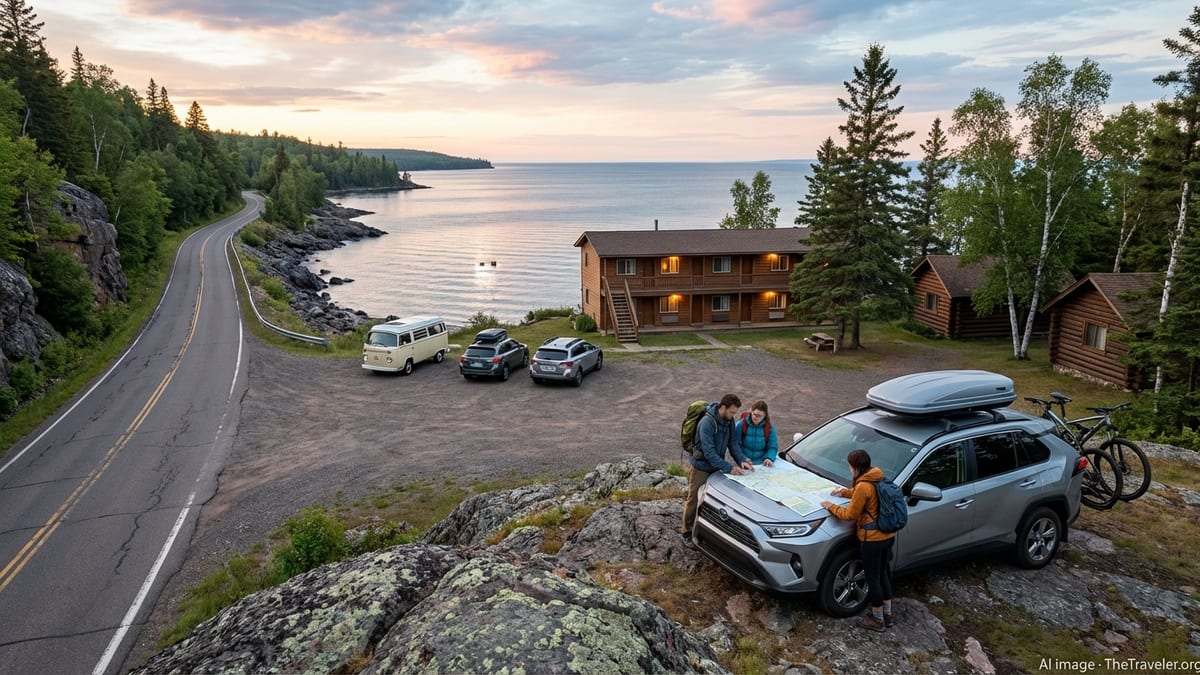
Understanding the Keweenaw: Location, Season, and How It Affects Cost
The Keweenaw Peninsula sits at the northern tip of Michigan’s Upper Peninsula, several hours from the nearest major cities. That remoteness is part of its appeal, but it also shapes the cost of a visit. Expect higher prices than in many Midwestern small towns for some basics, particularly lodging and restaurant meals, simply because everything must travel a long way to get there and the visitor season is fairly short.
Travelers usually arrive via U.S. Highway 41 or M-26, passing through Houghton and Hancock before continuing north toward smaller communities like Calumet, Mohawk, Eagle River, and Copper Harbor. Driving distances are substantial for many visitors. From Detroit, the trip is roughly 550 miles one way; from Chicago it is about 400 miles to Houghton. That means fuel is a major line item in any realistic Keweenaw budget.
Season matters for both cost and availability. Summer and early fall, roughly from late June through mid-October, bring the highest lodging rates and the most visitors, especially around holidays and peak color in late September and early October. Winter attracts snowmobilers and backcountry skiers between December and March, with some properties and restaurants closing in November and April, the shoulder months. Travelers who can come midweek in June, early September, or deep winter often find lower hotel rates and better availability.
Because of the peninsula’s isolation and smaller permanent population, visitors should not expect dense competition that drives prices down as in some more developed resort towns. Gas prices, groceries, and dining can be modestly higher than in larger Midwestern cities. Building some cost flexibility into your budget helps, especially if weather keeps you indoors or sends you in search of last-minute gear.
Getting There: Fuel, Driving Costs, and Local Transportation
For most visitors, reaching the Keweenaw means a long drive. Air service into Houghton County Memorial Airport is limited and often priced at a premium compared with flying into larger regional hubs, so many travelers choose to fly to a city such as Green Bay or Milwaukee and then rent a car for the remaining drive. Whether you are driving your own vehicle or a rental, fuel is one of the largest fixed costs of a Keweenaw trip.
If you are driving from Detroit, the round trip is around 1,100 miles. From Chicago, expect roughly 800 miles round trip. In a vehicle that averages about 30 miles per gallon on the highway, that equates to around 27 to 37 gallons of fuel for the round trip. With Midwest gasoline prices often sitting in the middle of the national range, you can estimate your fuel cost by multiplying required gallons by a current average price per gallon and adding a comfortable margin for local driving.
Once in the Keweenaw, you will use your car more than you might in a compact coastal town. Distances are not huge, but attractions are spread out along the peninsula. Houghton to Copper Harbor, the northernmost village, is about 50 miles one way, and there are side trips to places like Eagle Harbor, the Gay sand beach, and trailheads throughout Copper Country. Building in an extra 75 to 150 miles of local driving over the course of your stay is realistic for most visitors who want to explore.
Rental car prices fluctuate based on season and demand. Summer and fall weekends tend to be the most expensive. Advance booking usually brings better rates, and compact cars are often significantly cheaper than SUVs, though an all-wheel-drive vehicle can be reassuring in winter. If you visit in snow season, factor in slower travel times and potentially higher fuel use in cold conditions, but you will still likely find that the car is the most cost-effective way to reach and enjoy the peninsula.
Lodging: From Rustic Cabins to Waterfront Inns
Where you stay will probably be your biggest single expense in the Keweenaw Peninsula. Options range from budget motels in Houghton and Hancock to historic inns in Calumet, lakeside cabins near Eagle River, and boutique lodges in and around Copper Harbor. Nightly rates vary widely by season, view, and amenities, but even basic rooms tend to cost more at the height of summer and fall than in early spring or late autumn.
In and around Houghton and Hancock, chain hotels and family-owned motels provide the widest selection. Rates are often more moderate here compared with the very tip of the peninsula, and you are close to grocery stores and more dining options. University events at Michigan Technological University, such as orientation, homecoming, and Winter Carnival in February, can push up demand and prices, so it pays to check the academic calendar if your dates are flexible.
As you head north toward Calumet, Eagle River, and Copper Harbor, lodging becomes more seasonal and often more character-driven. Historic hotels, bed-and-breakfasts, small lakefront inns, and cabin resorts cater to travelers seeking scenery and quiet. Prices usually peak between July and early October, with a noticeable bump over holiday weekends and prime fall color. Properties that offer kitchenettes or full kitchens may cost more per night but can help you save by cooking some meals instead of eating every one in restaurants.
Camping is a popular and more economical way to stay in the Keweenaw, especially in summer. State parks, national forest campgrounds, and private campgrounds offer sites for tents and RVs. Nightly campsite fees are typically far lower than hotel rates, but you should factor in the cost of a Michigan recreation passport or park entry fees, as well as any firewood, propane, and campground shower charges. Backcountry or rustic sites may be cheaper but require more self-sufficiency and advance planning.
Food, Groceries, and Dining Out
Food spending in the Keweenaw Peninsula can range from very budget-friendly to fairly indulgent, depending on how often you dine out versus cook for yourself. In the larger communities of Houghton, Hancock, and Calumet, you will find a mix of college-town eateries, cafes, pubs, and family restaurants, along with standard chain grocery stores. Prices for basic groceries are often somewhat higher than in large urban supermarkets, reflecting distance and distribution costs.
Breakfast at a local diner or cafe is often one of the better values, especially if you keep it simple with eggs, toast, and coffee. Lunch costs climb if you opt for sit-down meals every day, particularly if you add appetizers or craft beer. Many visitors choose to pack picnic lunches from grocery stores or delis when heading out for hikes or beach days, which can be considerably cheaper than buying meals in high-traffic tourist spots.
Dinner offers the widest spread in pricing. In summer and fall, restaurants in places like Copper Harbor and Eagle River can be bustling, and entrees that feature fresh fish or specialty items are typically priced accordingly. If you are traveling with a family, costs rise quickly when ordering full dinners plus beverages and dessert. Strategies to keep the budget manageable include sharing larger dishes, choosing restaurants with hearty but simple fare, or planning one or two special dinners balanced by more home-cooked meals at your lodging.
Visitors with dietary restrictions or particular preferences should plan ahead. While there are vegetarian and gluten-conscious options in the region, choices are more limited than in big cities, and specialty products can cost more. Bringing a small selection of favorite snacks or ingredients with you can reduce both stress and spending once you arrive, especially if your trip includes multiple days in smaller, more remote communities.
Activities and Attractions: What You Might Spend
One of the most appealing aspects of a Keweenaw trip is that many of the highlights cost little or nothing. Scenic drives along M-26 and U.S. 41, watching the sunset over Lake Superior, beachcombing for agates, hiking forest trails, and visiting waterfalls are all free aside from potential parking or park entry fees. If you are content with self-guided outdoor exploration, your daily activity costs can remain quite low.
That said, some of the region’s signature experiences do come with price tags. Historic copper mine tours, for example, typically charge admission for guided underground or surface tours, often with different rates for adults, children, and seniors. These fees can add up for families, particularly if you want to visit more than one site. Museums that interpret local heritage, maritime history, or the famed winter snowfall also commonly request admission fees or donations.
On the water, kayak rentals, guided paddles, and charter fishing trips provide memorable ways to experience Lake Superior but usually count as splurges in a travel budget. Rates are influenced by trip length, group size, and equipment quality. Short, guided paddles close to shore are generally the most affordable; full-day fishing charters or backcountry adventures cost significantly more and should be reserved and budgeted for in advance.
In winter, visitors often spend on snowmobile rentals, trail permits, and guided backcountry ski or snowshoe outings. The Keweenaw is known for heavy snowfall, which draws enthusiasts but also requires gear. If you need to rent snowmobiles or downhill ski equipment, or if you plan to purchase specialized winter clothing locally, build substantial room into your budget. Trail access itself is sometimes free but may require state trail permits or club passes, which are relatively modest costs compared with motorized equipment rental.
Seasonal Variations: When Your Money Goes Further
The time of year you visit the Keweenaw Peninsula can have as much impact on your total trip cost as how far you drive. High season for lodging and many activities runs from roughly late June through early October, when the weather is mild, attractions operate at full hours, and Lake Superior is at its most inviting. During these months, you will generally see the highest nightly room rates and the greatest competition for sought-after waterfront properties.
Visiting in shoulder seasons can stretch your budget. Early June, before schools fully let out, and late September after peak color weekends, often bring lower accommodation prices and fewer crowds. Some restaurants and attractions may shorten their hours, but the trade-off is a calmer experience and more flexibility to negotiate longer stays or midweek discounts. The weather at these times can be variable, so budgeting for an extra layer or a rain jacket is wise even if it does not add much monetary cost.
Winter in the Keweenaw is a specialized season. Snowmobile riders, cross-country skiers, and backcountry enthusiasts flock to the area between December and March, and certain dates related to holidays or major local festivals can see a surge in demand and prices. At the same time, some purely summer-oriented businesses close or switch to winter operations, which can slightly reduce dining and lodging choices. If you are traveling for snow-based recreation, it can be worth paying higher rates at properties with reliable winter access, on-site parking for trailers, and proximity to trailheads.
The least expensive times to visit in terms of nightly lodging are often late October into early November and late March into April, but these months can be challenging in other ways. Some businesses close entirely during these shoulder periods, and weather can be raw, with rain, wet snow, and short daylight hours. If your goal is a quiet retreat focused on reading, photography, or solitude, this can work, but you should research seasonal closures and confirm what will be open before banking on bargain rates.
Sample Budgets for Different Types of Travelers
Because individual travel styles vary widely, it is helpful to think in rough ranges rather than precise numbers when budgeting for a Keweenaw trip. A frugal solo traveler camping or sharing a basic motel room, cooking most meals, and focusing on free outdoor activities can keep daily on-the-ground expenses relatively low. This type of traveler might allocate money mainly for gas, campsite or motel fees, a few restaurant meals, and one or two paid attractions over the course of several days.
A midrange couple staying in a standard hotel or cabin, dining out once a day, and mixing free hikes with a handful of paid experiences will spend more. For a long weekend, their biggest line items will likely be lodging and fuel, followed by restaurant meals. By shopping for midweek stays, choosing accommodation with a kitchenette to handle breakfasts, and prioritizing a few special outings instead of many small purchases, they can still keep the overall bill manageable.
Families and small groups often see costs climb quickly, especially when lodging requires multiple rooms or a larger rental house. Admission fees to attractions, mine tours, and museums multiply with each additional person, and restaurant bills rise proportionally. Planning ahead with shared accommodations, such as vacation homes with multiple bedrooms, and cooking more meals at home can help flatten the curve. Spacing out the big-ticket activities, like charter trips or guided adventures, instead of clustering them into a single trip, also softens the budget impact.
At the upper end, travelers seeking a more luxurious experience in the Keweenaw can choose waterfront or boutique accommodations, book private guided tours, dine at the most sought-after restaurants, and add experiences such as scenic flights or full-day charters. While the peninsula does not have the density of high-end resorts found in some coastal destinations, it is possible to plan a trip that emphasizes comfort and convenience at a corresponding price. These travelers will typically focus less on trimming costs and more on ensuring availability and quality, especially in peak months.
The Takeaway
Visiting the Keweenaw Peninsula is less about chasing low prices and more about understanding where and why costs arise. Distance and remoteness mean that fuel and lodging dominate most trip budgets, while food and activities can be dialed up or down depending on personal priorities. Many of the peninsula’s defining experiences, from hikes in hardwood forests to sunsets over Lake Superior, remain free or low-cost, allowing even budget travelers to enjoy the region deeply.
Careful planning pays off. Choosing travel dates just outside peak season, booking lodging early, considering accommodations with kitchen facilities, and deciding in advance which paid attractions matter most can keep your trip within a comfortable financial range. A realistic fuel estimate, some flexibility for weather-related changes, and a small cushion for unexpected expenses will help you avoid surprises once you are on the road.
Ultimately, the Keweenaw rewards visitors who value scenery, history, and a slower pace more than constant entertainment. While it may require a longer drive and a bit more per night for a room than some inland Midwest destinations, the trade-off is access to one of the most unspoiled corners of the Great Lakes. With a thoughtful budget and clear expectations, you can experience the peninsula’s rocky shorelines, quiet forests, and copper-tinged heritage without overspending.
FAQ
Q1: Is the Keweenaw Peninsula an expensive place to visit?
It can be moderately priced compared with other Great Lakes destinations. Lodging and fuel are the main costs, while many outdoor activities remain free or low-cost.
Q2: How many days should I budget for a first trip to the Keweenaw?
Three to five days is a good starting point, giving you time for scenic drives, hikes, a mine tour, and unhurried exploration without rushing.
Q3: When are lodging rates typically highest in the Keweenaw?
Rates generally peak from late June through early October, especially around holiday weekends and during fall color season in late September and early October.
Q4: Can I visit the Keweenaw on a tight budget?
Yes, by camping or choosing basic motels, cooking many of your own meals, and focusing on free outdoor activities, you can keep costs relatively low.
Q5: Do I need a car once I reach the Keweenaw Peninsula?
Yes, a car is highly recommended. Attractions and trailheads are spread out, and public transportation options within the peninsula are very limited.
Q6: Are restaurant prices higher than in other parts of Michigan?
They can be slightly higher, especially in smaller, seasonal towns, due to the remote location and shorter visitor season. Simple diners and cafes are more budget-friendly.
Q7: What are some low-cost activities in the Keweenaw?
Hiking, beachcombing, waterfall viewing, scenic drives, photography, and exploring small towns are all low-cost or free aside from parking or park fees.
Q8: How does visiting in winter affect my budget?
Winter can mean similar lodging costs but additional spending on snowmobile rentals, ski gear, trail permits, and cold-weather clothing if you do not already own it.
Q9: Should I book tours and activities in advance?
In peak summer and fall, it is wise to reserve mine tours, charters, and guided outings ahead of time to secure your spot and plan your budget accurately.
Q10: Is travel insurance worth it for a Keweenaw trip?
For longer trips, winter visits, or plans that include nonrefundable reservations and pricier activities, travel insurance can provide useful financial protection.