

California promises golden beaches, snowcapped peaks and marquee cities, but even seasoned travelers stumble into avoidable mistakes here. From underestimating distances to mishandling wildfire warnings and leaving valuables in parked cars, certain missteps can turn a dream itinerary into a logistical or even safety headache. Understanding what not to do in California will help you navigate its vast landscapes and complex cities with more confidence and respect.
Underestimating California’s Size and Driving Culture
One of the most common mistakes visitors make is treating California like a compact weekend escape. On a map, Los Angeles, San Francisco and Yosemite seem within easy reach of one another. In reality, distances are long, traffic can be grinding and public transport rarely links major sights in a straightforward way. Trying to “do” the state in a few days by racing between cities often leaves travelers exhausted, jet-lagged and stuck in gridlock instead of enjoying the coastline or wine country.
Visitors also misjudge drive times because they rely on ideal conditions shown in navigation apps. Those estimates may not account for rush-hour bottlenecks in Los Angeles, Bay Area bridge traffic, or mountain roads slowed by weather and roadworks. A drive marketed by tour brochures as a simple half-day outing can stretch into a full day once you add lunch stops, viewpoint detours and congestion. Building slack into your schedule and limiting one-way drives to a manageable distance makes California far more enjoyable.
Driving culture is another surprise. Locals are accustomed to multilane freeways, fast merges and frequent lane changes. Tourists often hesitate at on-ramps, linger in the left lane or brake suddenly when they realize they are about to miss an exit. These behaviors can be dangerous on busy interstates. If you are not confident in high-speed freeway driving, consider focusing on a smaller region, using trains between some cities, or renting a car only for day trips rather than for the entire itinerary.
Parking rules can trip up unfamiliar drivers too. Street signs indicating sweep days, time limits or residential permits are strictly enforced in many cities. Do not assume you can quickly duck into a café without checking restrictions. Fines are steep, and in some locations cars may be towed for blocking driveways, bike lanes or hydrants. Taking a minute to read the signs or using paid garages near busy districts reduces the risk of an expensive surprise.
Ignoring Urban Safety Basics in Big Cities
California’s major cities remain popular, but visitors sometimes arrive with outdated impressions. San Francisco, Los Angeles and Oakland share many of the same issues that affect other large urban centers, including property crime in tourist areas. Car break-ins targeting visible luggage and electronics have been widely reported in San Francisco in particular, especially near scenic overlooks and popular neighborhoods. Treat your vehicle as if it has no secure storage: avoid leaving anything visible, and ideally avoid leaving bags in the car at all.
Travelers occasionally make themselves easy targets by spreading out cameras, laptops and shopping bags inside rental cars before walking away. Some even open the trunk at a crowded parking lot to move valuables out of sight, inadvertently signaling to onlookers that something worth stealing is inside. A safer strategy is to check in to your hotel before sightseeing and leave your possessions there, or to carry important items with you in a discreet daypack. If you must leave something in the trunk, load it before you arrive at your final parking spot.
Walking around downtown districts after dark requires the same common sense you would use in any large city. Do not flaunt expensive watches or large wads of cash, and avoid scrolling on your phone while walking along unfamiliar streets. Some districts that feel lively by day can empty quickly at night, leaving you isolated. Ask hotel staff which areas are lively and well lit in the evening, and favor main corridors rather than cutting through deserted side streets or alleys because they appear shorter on the map.
Public transit varies in reliability and safety. In Los Angeles, the metro network is limited compared with the size of the city, so tourists sometimes end up waiting on isolated platforms late at night. In San Francisco, iconic cable cars and the waterfront F-line are typically busy and heavily touristed, while some late-night bus routes feel less comfortable. Using rideshare services or licensed taxis for late-night returns, especially if you have luggage or are traveling alone, can provide an extra margin of safety.
Misreading Nature: Wildfires, Weather and Outdoor Risk
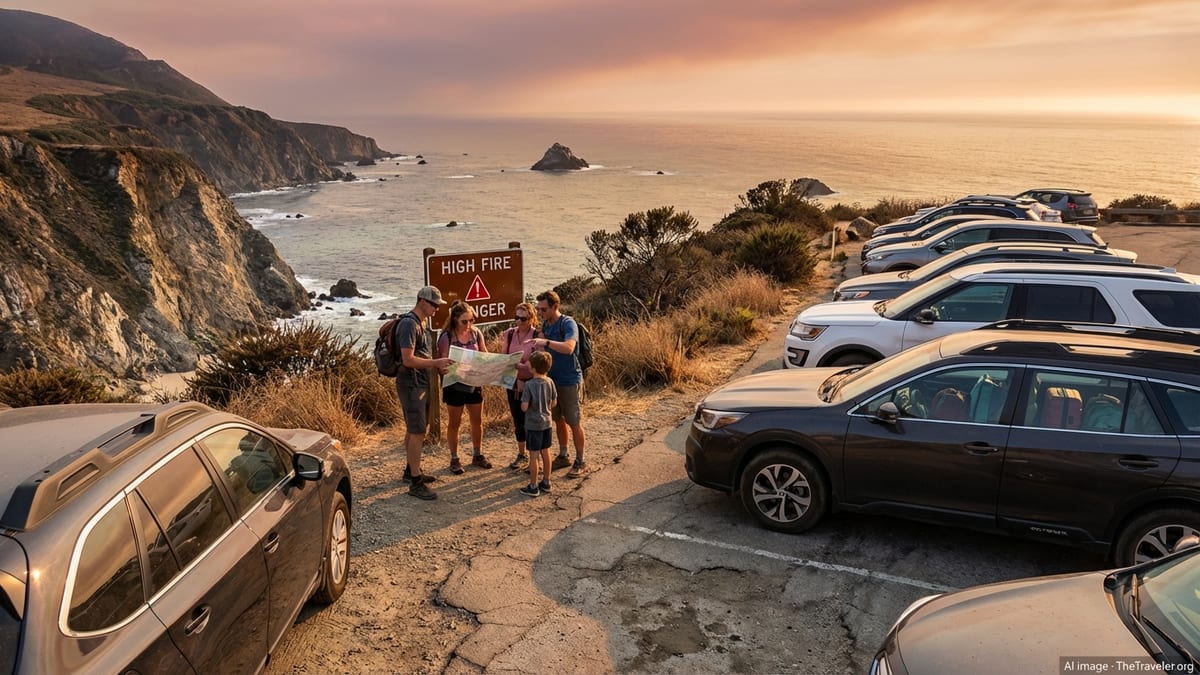
California’s natural beauty is a major draw, but visitors sometimes underestimate the seriousness of environmental risks. Wildfire season has become longer and less predictable, and fire danger can be high even outside the traditional summer peak. Travelers occasionally ignore red flag warnings, continue with backcountry hikes despite heavy smoke or camp in high-risk zones during dry, windy conditions. Doing so not only endangers personal safety but can also complicate firefighting and evacuation efforts.
Another frequent misstep is treating wildfire closures as suggestions rather than rules. When parks, forests or trails are closed due to fire activity or heightened risk, some visitors still attempt to enter closed areas for “one quick photo.” This can interfere with emergency operations and can result in fines or rescue costs. Respect closure notices, be prepared to change plans on short notice and keep an eye on official updates for the region you are visiting.
Beyond fire, California’s weather can be surprisingly harsh. Coastal travelers expecting endless sunshine may encounter heavy fog, chilly winds and sudden temperature drops, especially along the central and northern coasts. In the Sierra Nevada, storms can bring snow or icy roads well into spring or arrive suddenly in autumn. Underestimating mountain conditions is a recurring mistake. Visitors head to high-elevation hikes in shorts and sneakers, without extra layers, water or a proper map, then find themselves cold, disoriented or struggling with altitude.
Ocean conditions present their own hazards. Rip currents along the Pacific coast can be powerful even when the water looks calm from shore, and water temperatures are colder than many visitors expect. Some travelers, especially those used to warm tropical beaches, dive in without understanding local conditions. Always swim near lifeguard stations, heed posted warnings and remember that “beach weather” does not always mean “swimmable water.” When in doubt, ask lifeguards or local authorities before entering the ocean or venturing onto rocks near crashing surf.
Overcrowding Icons and Skipping Reservations
California’s star attractions can become victims of their own success, and failing to plan ahead is one of the costliest errors visitors make. Yosemite National Park is a prime example. In recent years, the park has used various reservation systems to manage peak-hour congestion, particularly in summer and during holiday periods. On popular weekends, those reservations can sell out quickly, leaving last-minute travelers facing long queues at entrance stations or being turned away during peak hours.
A similar story plays out at other icons, from Alcatraz tours in San Francisco to studio tours in Los Angeles and wine tastings in Napa and Sonoma. Some visitors assume they can simply walk up and buy same-day tickets. In high season or on weekends, that often is not realistic. Failing to reserve means either paying inflated last-minute prices through resellers or missing out entirely. Building a core set of prebooked experiences helps anchor your itinerary while still allowing some flexibility around the edges.
Even when reservations are not mandatory, crowds can erode the experience if you arrive at the wrong time of day. Tour buses and day-trippers tend to converge midmorning to midafternoon, especially at coastal viewpoints, theme parks and popular downtown districts. Travelers who sleep in, then wander out around 11 a.m., often spend more time queuing than exploring. An early start can transform the same attractions. Arriving at opening time, visiting midweek when possible and being prepared to explore lesser-known trails or neighborhoods can all help ease the crush.
Another pitfall is expecting an untouched wilderness around every bend. Many of California’s famous spots, from Big Sur turnouts to Instagram-famous viewpoints in national parks, are heavily photographed and well known. Travelers who arrive expecting solitude may feel disappointed when they meet traffic jams instead. Adjusting expectations helps: accept that marquee sights will be busy, savor them for what they are and seek quieter experiences nearby rather than insisting on the postcard moment exactly as you imagined it.
Disregarding Local Laws, Etiquette and Communities
California’s laid-back reputation sometimes misleads visitors into thinking rules are loosely enforced. In reality, many regulations, particularly those tied to environmental protection and public behavior, are actively monitored. Smoking restrictions, for example, can be strict in public parks, beaches and urban centers, due in part to wildfire risk and air-quality concerns. Lighting a cigarette or other smoking device on a dry hillside or along a forest trail is not just discouraged; it may be illegal and heavily fined.
Short-term vacation rentals are another sensitive area. In some cities, neighborhoods have pushed back against large numbers of rentals, citing noise, parking challenges and rising housing costs. Guests who treat residential streets like resort complexes, holding loud late-night gatherings on balconies or in backyards, may encounter frustrated neighbors and law enforcement. Respecting quiet hours, parking only where permitted and keeping group sizes within posted limits can help maintain a positive relationship between travelers and locals.
Cultural etiquette matters too. California is culturally diverse, with communities shaped by Indigenous heritage, long-established Latino neighborhoods, Asian American enclaves and more recent arrivals from around the world. Reducing these communities to backdrops for social media, or entering places of worship or community spaces without permission, can feel intrusive. When visiting murals, cultural districts or local markets, ask before photographing individuals, be discreet with cameras and patronize local businesses rather than treating neighborhoods as open-air sets.
Environmental stewardship extends beyond official rules. Leaving trash at beaches, trails or campgrounds, feeding wildlife for close-up photos or blasting music from portable speakers in otherwise quiet natural areas are all behaviors that may be legal in some circumstances but are deeply frowned upon. Pack out what you bring in, keep a respectful volume and remember that other visitors, as well as local residents, are sharing those spaces with you.
Mishandling Money, Tipping and Cannabis Laws
California can feel expensive, and tourists sometimes react by cutting corners in ways that cause awkwardness or legal trouble. One common pitfall is misunderstanding tipping norms. In most service settings, from sit-down restaurants and bars to guided tours and rideshares, tipping is customary and often a significant part of workers’ income. Failing to tip after good service, or leaving only a token amount, may not incur a fine, but it does run counter to local expectations and can create tension, especially in smaller communities where staff remember repeat visitors.
At the same time, visitors sometimes overpay for add-ons that are unnecessary. For example, rental car counters may push expensive extras that duplicate coverage travelers already have through credit cards or travel insurance. Signing contracts without reading the details and then being surprised by fees for toll devices, second drivers or refueling is a frequent complaint. Taking a few minutes to review terms, photograph the car on pickup and drop-off and keep fuel receipts can prevent disputes later.
Another area ripe for confusion is cannabis. California law allows recreational cannabis sales to adults within regulated frameworks, but that does not mean it is permitted everywhere or in any quantity. Visitors occasionally assume they can consume cannabis in public parks, on beaches or inside rental cars, only to learn that public consumption rules mirror alcohol restrictions in many places. Additionally, transporting cannabis across state or federal borders remains illegal, and it is banned in national parks and on most federal land, regardless of state law. Informing yourself before purchasing or consuming avoids unpleasant encounters with law enforcement.
Cash versus card usage rarely poses major problems in cities, where card payments and contactless transactions are widely accepted. However, travelers who rely exclusively on a single credit or debit card risk complications if fraud protections trigger a hold. Carrying a backup card or some cash for smaller businesses, farmers markets or roadside stands is wise. At the same time, be cautious about withdrawing from stand-alone ATMs in isolated locations, where fees may be high and security less robust.
Overplanning the Itinerary and Skipping Rest
The temptation to see “everything” in one trip is strong, particularly for long-haul visitors. The result is often an itinerary packed with early mornings, late nights and multiple long drives back to back. Travelers rush from breakfast in San Diego to sunset photos in Joshua Tree, then push on to Las Vegas or the Central Coast the next day. By the end of the week, they have a camera full of images and a hazy memory of what they actually experienced. Exhaustion can also lead to poor decisions on the road, such as driving while drowsy or pressing on in bad weather to stay on schedule.
Another side effect of overplanning is missing out on spontaneous opportunities. California rewards curiosity, whether that means a roadside fruit stand, a local festival or a detour to a beach you have never heard of. If every hour is prebooked with tickets, timed entries and restaurant reservations, there is little room to linger when you stumble upon something compelling. Building in rest days and leaving some afternoons unstructured gives your trip space to breathe.
Travel fatigue can be compounded by jet lag, especially for visitors arriving from Europe or Asia. Landing in Los Angeles or San Francisco and immediately driving several hours to another destination is risky. Attention spans shrink, reaction times slow and the unfamiliar rules of the road become harder to process. A gentler approach is to spend the first night near your arrival airport, adjust to the time zone, then begin longer drives the following day.
Finally, some visitors attempt to combine city nightlife with dawn hikes or long scenic drives, leaving themselves short on sleep. While sunrise at a canyon rim or coastal viewpoint is undeniably beautiful, it is not worth compromising safety. Better to choose a few experiences to prioritize and enjoy them fully than to chase every sunrise and sunset on the state map.
The Takeaway
California remains one of the most rewarding regions in the United States for travelers, but its size, environmental challenges and urban complexities call for thoughtful planning. Avoiding common pitfalls starts with respecting distances, staying informed about wildfire and weather conditions, securing your belongings in cities and understanding local expectations around laws, etiquette and tipping. Flexibility is as important as preparation; wildfire alerts, coastal fog or temporary closures may require a quick change of plans, and being able to pivot gracefully often leads to unexpected discoveries.
When in doubt, err on the side of caution and courtesy. Ask locals for advice, follow posted rules in parks and neighborhoods, and remember that communities across California are balancing tourism with day-to-day life and growing climate pressures. If you give yourself enough time, plan key reservations in advance and leave space for rest and spontaneity, your California trip is far more likely to be memorable for the right reasons.
FAQ
Q1. Is it safe to leave luggage in my rental car while sightseeing in California cities?
It is safer to assume that any visible luggage or valuables in a parked car could attract theft, especially in busy tourist areas, so keep important items with you or stored securely at your accommodation.
Q2. Do I need to worry about wildfires when visiting California outside the summer months?
Wildfire risk can appear at almost any time of year, particularly during dry, windy periods, so you should monitor local alerts and be ready to adjust plans even in spring or autumn.
Q3. Are reservations really necessary for Yosemite and other popular parks?
Reservation policies can change and often apply during peak seasons, so you should check current requirements before traveling and secure any necessary entry or camping slots well in advance.
Q4. Can I rely on public transportation to get around California without renting a car?
Public transit works well in some urban corridors, but coverage between major attractions is limited, so many visitors find a car essential outside a few city-focused itineraries.
Q5. Is recreational cannabis legal to use anywhere in California?
Recreational cannabis is legal under state law for adults in regulated settings, but public consumption, use on federal lands and transporting it across state lines remain prohibited.
Q6. How much should I tip in California restaurants and for services?
In sit-down restaurants, many locals tip around 15 to 20 percent for good service, with smaller amounts customary for bars, taxis, rideshares and guided tours.
Q7. What is the biggest mistake people make when planning a California road trip?
A common error is squeezing too many distant stops into a short period, underestimating drive times and arriving too tired to truly enjoy the places they visit.
Q8. Is it safe to swim at California beaches without checking conditions?
Conditions vary widely, and cold water plus rip currents can be hazardous, so you should always look for posted warnings and swim near lifeguard stations when possible.
Q9. Are there areas of California cities I should avoid altogether as a tourist?
Like any major city, some neighborhoods experience more crime or feel less comfortable at night, so it is wise to ask local hosts or hotel staff for current advice rather than relying on stereotypes.
Q10. How can I show respect for local communities while visiting popular California neighborhoods?
Keep noise down, obey parking rules, support local businesses, avoid blocking doorways or driveways for photos and be mindful that residents share these spaces with visitors every day.