

Duluth, Minnesota rewards travelers who come prepared for its working harbor, steep hills, and serious Lake Superior weather. It is a friendly city, but it is also a port town on a vast inland sea at the edge of the North Woods. To enjoy Duluth at its best, it helps to know not just what to do, but what to avoid. From underestimating winter and the big lake, to misreading local norms in Canal Park and beyond, here are the key missteps smart visitors skip in the Zenith City.
Do Not Underestimate Lake Superior
For many visitors, Duluth is synonymous with Lake Superior, and the pull of the water is strong. The lake looks like an ocean, and in important ways it behaves like one. Travelers sometimes stroll onto harbor piers in stormy weather, climb over railings for a better photo, or launch small craft without checking conditions. Local safety agencies consistently warn that the lake’s cold water, strong currents, fog, and fast-changing winds can turn a casual outing into an emergency in minutes. Treat the shoreline, the shipping canal, and all piers as working waterfront, not a theme park backdrop.
Another avoidable mistake is assuming any water activity on Lake Superior is equivalent to a small inland lake. Paddling close to Duluth’s harbor entrances or out along the open shoreline demands ocean-style preparation. The water is often cold enough for hypothermia most of the year, and fog and wind can come up fast. If you are renting a kayak, paddleboard, or charter boat, do not ignore safety briefings, and avoid pressing operators to go out in marginal conditions. If a local guide says it is a day to stay on shore, follow their lead.
In winter, ice along the Duluth shoreline can look deceptively solid. Fire officials and rescuers have repeatedly stressed that ice on Lake Superior is inherently unstable compared with smaller, protected lakes. Currents and wind can break and shift ice sheets, and conditions can vary dramatically in a short distance. Visitors should avoid walking, skating, or fishing on the lake ice near Duluth unless they are with experienced locals following current guidance, and even then, they should be cautious. Inland lakes and the St. Louis River backwaters are typically safer options when properly checked.
Even on shore, do not climb on unstable ice formations, breakwalls, or icy rocks during wave events. When large waves pound the lakefront, they can easily sweep people off piers and boulders. Photographs and videos of storms in Duluth are dramatic, but the safest way to capture them is from well back, behind railings and barriers, using a zoom lens rather than your feet.
Avoid Treating Duluth Winters Casually
Travelers who arrive in Duluth between late fall and early spring sometimes underestimate the intensity of local winters. Snow, lake effect squalls, and freezing drizzle can arrive quickly, and temperatures along the lakefront often feel colder due to wind and humidity. Visitors who pack as if they were heading to a milder Upper Midwest city often end up cutting outings short or taking unnecessary risks. Instead of light urban coats and fashion boots, plan on insulated footwear with traction, a proper winter jacket, a hat that covers your ears, gloves, and layers you can add or remove.
Driving in Duluth’s winter conditions is another area where overconfidence causes problems. The city is built on a steep hillside above Lake Superior, and many avenues run sharply uphill or downhill. Locals know that even short bursts of ice or packed snow can make those grades treacherous, especially for motorists without snow tires or all-wheel drive. Travelers unused to hill driving in snow should avoid steep residential routes during storms, stick to main plowed arterials, and be prepared to delay trips if conditions deteriorate. Watching when local bus service is reduced or suspended is a helpful signal; if the buses are struggling on the hills, visitors should be extremely cautious.
Pedestrians also need to take winter seriously. Sidewalks and parking lots can stay slick long after a storm, and lake winds can turn a damp chill into hazardous cold. Do not treat a winter stroll along the Lakewalk or up the hillside as a casual city walk if temperatures and wind are extreme. Traction devices that slip over boots, slow and deliberate steps, and frequent indoor warm-up breaks can prevent falls and frostbite. If a winter storm warning or blizzard advisory is in effect, consider postponing scenic drives and long outdoor excursions until plows and sanders have had time to work.
Finally, do not assume every back road or trailhead parking area is immediately plowed. Some secondary roads and recreation access points are maintained on a lower priority schedule, especially after major snowfalls. Before heading to a state park, trail system, or outlying scenic overlook in winter, check the latest advisories, verify that access roads are open, and let someone know your plans and timing.
Do Not Rely Only on Last-Minute Planning
Duluth is compact, and it can be tempting to show up with only a loose idea of what to see and do. While serendipity has its place, a purely last-minute approach often leads visitors to miss out. Popular attractions and tours can sell out, seasonal hours vary widely, and weather shifts can close certain options while making others ideal. Travelers who do not check ahead sometimes arrive to find that museums, historic sites, or outdoor tours have limited off-season hours or require advance booking.
Accommodation is another area where a casual attitude can backfire. During peak summer weekends, fall color season, and major events such as large tournaments or festivals, hotel and vacation rental availability in Duluth can tighten quickly. Waiting to book until arrival day can mean higher rates, limited choices, or needing to stay farther from Canal Park or the Lakewalk than planned. The same is true for certain restaurants and breweries that are especially popular with visitors; if you have your heart set on a particular place for dinner, call ahead or use reservation systems where available.
Transportation details also reward early attention. While Duluth has a local transit system and rideshare options, service can be less frequent at night, in certain neighborhoods, or during severe weather. Visitors arriving without a car who assume they can effortlessly reach trailheads, state parks, or ski areas may find their options more limited than expected. Looking up seasonal shuttle services, bus routes, and taxi availability ahead of time, and building a realistic daily radius around your lodging, can prevent long waits or expensive last-minute solutions.
In addition, do not overlook local information sources. Duluth’s official tourism organization, visitor centers, and chambers can provide up-to-date details on events, construction detours, trail conditions, and harbor schedules. Skipping these resources in favor of outdated guidebooks or generic search results often leads to confusion about current hours, costs, or accessibility. A short stop at a visitor center early in your trip, or a quick phone call ahead of arrival, can make the rest of your stay noticeably smoother.
Avoid Treating Canal Park as the Only Neighborhood
Canal Park, Duluth’s waterfront entertainment district, is understandably the first stop for many visitors. The Lakewalk, ship viewing near the lift bridge, and a cluster of shops, restaurants, and hotels make it convenient. The misstep is not visiting Canal Park, but assuming that it is Duluth. Travelers who never venture up the hill or into other districts miss much of the city’s character, history, and scenery. Limiting yourself to one compact zone can leave the impression that Duluth is only a row of harbor-side patios and gift stores.
It is also easy to be caught off guard by Canal Park’s daily rhythm. Many small shops keep daytime-oriented hours and may close by early evening, especially outside of peak summer or on quieter weekdays. Visitors who arrive late expecting a full slate of open galleries and boutiques can end up wandering a largely shuttered district. Planning Canal Park browsing and ship-watching for earlier in the day, then heading to other neighborhoods or events at night, typically yields a better balance.
To avoid the “Canal Park bubble,” build time into your itinerary for Duluth’s hillside and western neighborhoods. Driving or riding up the hill to overlooks and parks provides sweeping views of the harbor and lake that you will not see from the shoreline alone. Historic districts, university areas, and local business corridors offer more everyday Duluth life, from coffee shops and bookstores to music venues. Travelers interested in industry and shipping may prefer time near the working docks and rail yards, viewed from designated public areas, rather than only watching freighters from tourist benches.
By broadening your sense of place beyond Canal Park, you are less likely to feel you have seen a staged version of Duluth. The city’s charm lies in the interplay between port, hillside, river valleys, and neighborhoods. Focusing too narrowly on one waterfront entertainment zone sells both Duluth and your own experience short.
Do Not Ignore Duluth’s Industrial Side and Local Norms
Part of Duluth’s appeal is that it remains a functioning port and industrial city, not solely a resort town. Visitors who expect a fully polished, resort-style waterfront sometimes misinterpret the presence of ore docks, rail yards, and working terminals as signs that they are in the wrong place. Others wander too close to restricted areas in search of unconventional photo angles. Respecting that the harbor is a live workplace is essential: do not trespass beyond fences, climb on equipment, or linger in active loading zones. These spaces are governed by safety rules not only for workers but for the public.
Noise, rail traffic, and industrial activity are part of the Duluth soundscape. Late-night train horns or early-morning loading operations can surprise travelers who booked waterfront lodging expecting total quiet. When choosing accommodations, do not assume silence simply because you have a lake view. Ask about nearby rail lines, event venues, and seasonal construction, especially if light sleep is an issue. Conversely, complaining loudly in public spaces about normal port activity can come across as dismissive of the city’s working identity.
Visitors should also be mindful of everyday local routines, especially in winter and shoulder seasons. Clearing snow, sanding sidewalks, and navigating hilly streets is a shared effort for residents. Do not block driveways while searching for a better harbor view, park in ways that obstruct plows, or crowd into narrow sidewalks while people are shoveling. In residential areas, give neighbors space to work, keep noise respectful late at night, and remember that you are moving through someone’s home environment, not just a scenic backdrop.
Finally, Duluth’s culture around the outdoors leans practical and prepared. Locals often keep extra gear in their cars, check forecasts closely, and adjust plans around lake effect weather and road conditions. Approaching your own activities with similar pragmatism is both safer and more in tune with local expectations. Arriving unprepared for a backcountry hike, attempting technical trails in street shoes, or ignoring trail closure signs in pursuit of a social media shot is likely to draw quiet disapproval and can endanger rescuers if something goes wrong.
Avoid Overloading Your Itinerary
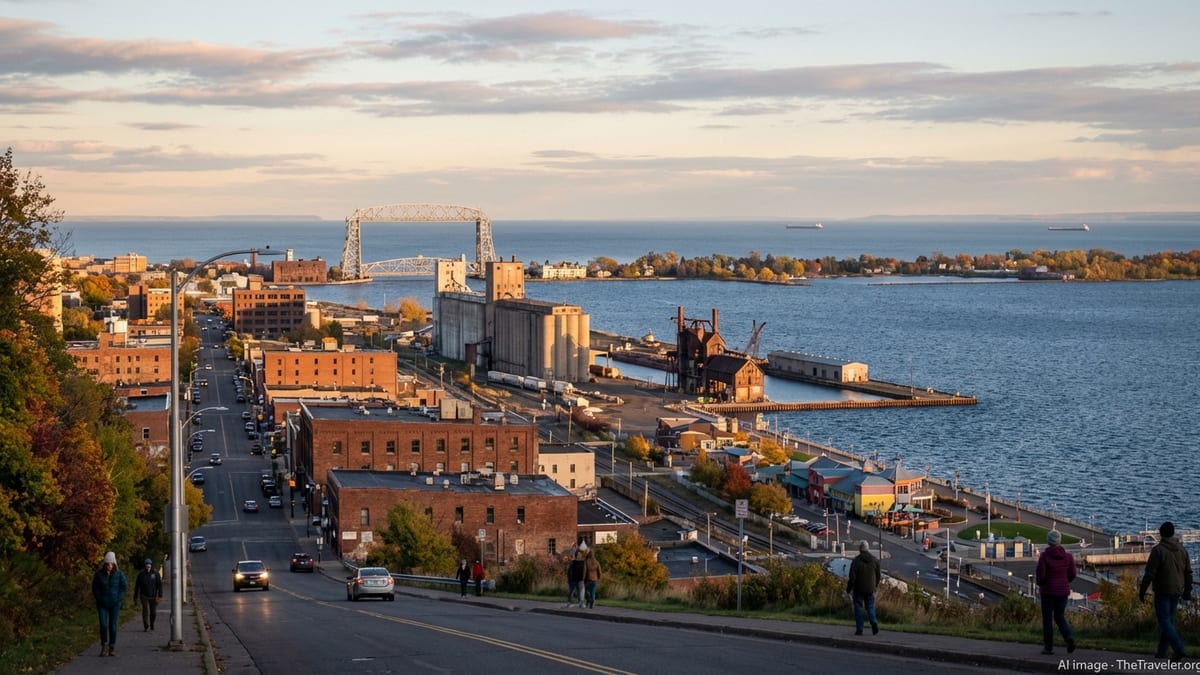
Standing on the hillside above the harbor, it is easy to imagine squeezing every attraction, hike, drive, and meal into a short visit. The most common planning mistake is trying to do too much in too little time. Distances to nearby state parks, river valleys, and scenic byways can be longer than they look on the map, especially in winter when road conditions slow travel. Adding in weather delays, ship schedules, and the natural desire to linger over views or a warming drink, a packed schedule can quickly become stressful.
Instead of booking every hour, leave open blocks for weather-dependent choices. A foggy or rainy morning might be better suited to museums, aquariums, or mansion tours rather than exposed overlooks. A clear, calm afternoon may be your only chance during a visit to walk the Lakewalk comfortably or watch a freighter transit the canal. Keeping flexibility allows you to match activities to conditions rather than forcing a plan that made sense only on paper.
Travelers with children or multi-generational groups should resist stringing together too many outdoor stops without rest. Even short hikes in cool, windy lake air can be tiring, and Duluth’s steep streets demand more exertion than flat urban strolls. Layered clothing means more time putting on and taking off gear, and parking near popular lakefront or trailhead spots can require patience. Building in midday downtime at your lodging, a leisurely cafe break away from the wind, or a light indoor activity can keep everyone’s energy and mood steadier.
Finally, do not underestimate how quickly dusk arrives outside of summer, or how darkness changes both driving and walking around a hilly lakeside city. Planning to finish long drives, unfamiliar trail walks, or icy stair-climbing well before dark reduces the risk of wrong turns and slips. If you are set on capturing twilight or night photography by the harbor, plan your route back in advance and carry proper lights instead of relying on a phone with a low battery.
The Takeaway
Duluth is at its best when visitors approach it with a mix of curiosity and respect. The biggest missteps to avoid are underestimating the power and cold of Lake Superior, taking winter weather lightly, assuming everything revolves around Canal Park, and treating a working port like a polished resort. Travelers who slow down, plan ahead, and give themselves time to adjust to the city’s rhythms tend to discover more of what makes Duluth memorable.
By packing appropriate gear, checking forecasts and local advisories, and venturing beyond the most obvious visitor zones, you can experience Duluth’s blend of harbor, hillside, and North Shore scenery without unnecessary stress. The city’s character lies in its contrasts: industrial and wild, steep streets and sweeping water, bracing winds and warm interiors. Avoiding a handful of common mistakes leaves you freer to enjoy those contrasts and to see Duluth as residents know it: a place that rewards preparation, but also invites you to linger.
FAQ
Q1. Is it safe to swim in Lake Superior near Duluth?
Swimming is possible in designated areas during warmer months, but the water is often very cold and conditions can change quickly, so it is safest to follow posted guidance and stick to lifeguarded or popular local swimming spots.
Q2. Do I need special clothing for a winter visit to Duluth?
Yes, proper winter gear is strongly recommended, including an insulated coat, warm boots with good traction, hat, gloves, and layers you can add or remove as conditions change.
Q3. Can I walk on the ice on Lake Superior in front of Duluth?
Ice conditions on Lake Superior are unpredictable and often unsafe near Duluth, so visitors are generally advised to avoid walking on lake ice and instead choose safer, well-checked inland lakes with local guidance.
Q4. Is it necessary to rent a car in Duluth?
A car is not strictly required, especially if you stay near Canal Park or downtown, but having one makes it much easier to reach state parks, trailheads, and outlying viewpoints on your own schedule.
Q5. Are Duluth’s hills difficult to drive in winter?
They can be challenging during snow and ice events, particularly for drivers without winter experience or snow tires, so it is wise to favor main plowed routes and avoid steep side streets in bad conditions.
Q6. Does everything in Canal Park stay open late at night?
Many restaurants and bars are open later, but shops and some attractions often close by early evening, especially in the off-season, so plan most browsing and casual exploring for daytime hours.
Q7. How far in advance should I book lodging in Duluth?
For busy summer weekends, fall color season, and major events, it is prudent to book lodging weeks or even months ahead to secure preferred locations and better rates.
Q8. Can I rely on cell service on hikes around Duluth?
Cell coverage is generally good in and near the city but can become spotty in some river valleys, forests, and more remote park areas, so you should not rely entirely on your phone for navigation or safety.
Q9. Are there areas of the harbor I should avoid as a visitor?
Yes, you should stay clear of fenced or posted industrial zones, loading docks, and rail yards, and observe all barriers and signage, viewing ships and operations only from designated public areas.
Q10. What is the biggest mistake first-time visitors to Duluth make?
Many first-time visitors try to see everything in a short stay while underestimating weather, hills, and travel times, so giving yourself flexibility and dressing for conditions usually leads to a better experience.