

Malaysia’s tropical landscapes, multilayered history and famously good food make it an easy country to fall for. It is also a place where several cultures, religions and legal systems overlap, which means visitors can sometimes stumble into trouble without realising it. Understanding what not to do is just as important as knowing what to see, and a bit of homework will help you move confidently between a mosque in Kuala Lumpur, a Chinese temple in Penang and a beach bar in Langkawi without giving offense or breaking the law.
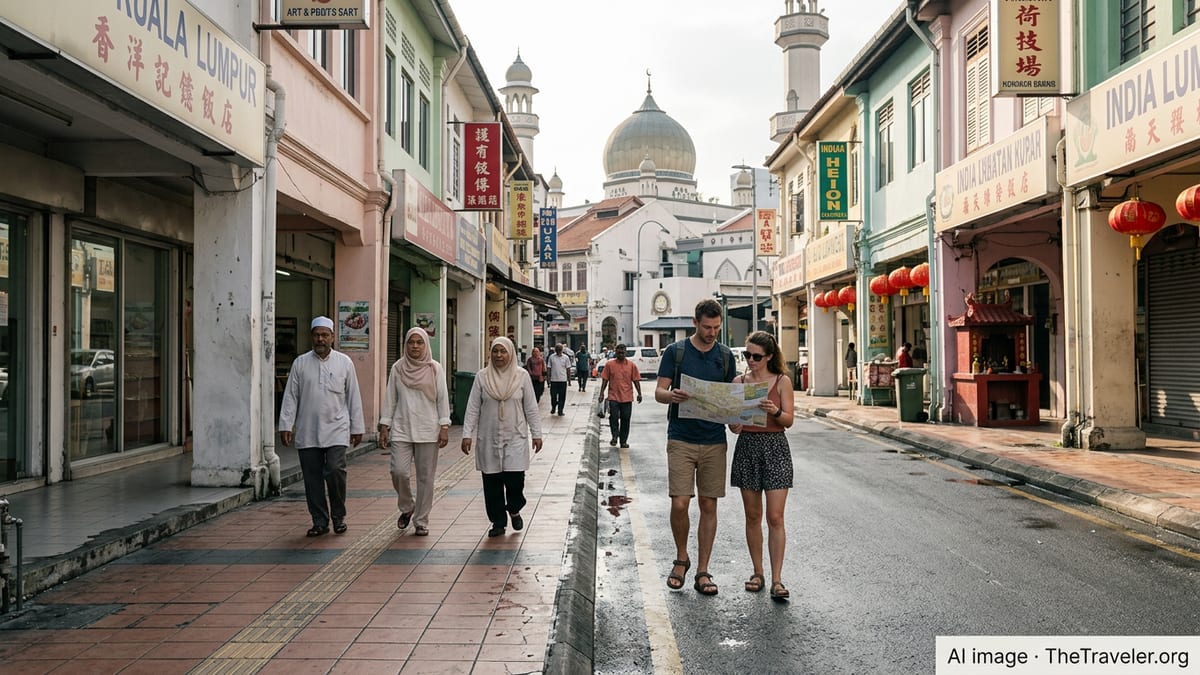
Do Not Ignore Entry Requirements and Local Regulations
Malaysia is steadily tightening its border procedures, and turning up unprepared is one of the first mistakes visitors can make. Most nationalities receive a short-stay stamp on arrival, often for up to 90 days, but that is not guaranteed and immigration officers have wide discretion. In 2024 the Malaysia Digital Arrival Card became mandatory for most foreign travelers entering by air or sea, and failing to complete it in advance has already led to delays and denied boarding for some passengers. Treat immigration forms, return tickets, proof of accommodation and basic onward plans as non‑negotiable paperwork, not optional extras you will improvise at the counter.
Once inside the country, do not assume rules are the same as at home, especially where visas and length of stay are concerned. Overstaying, even by a few days, can result in fines, detention and possible blacklisting from future entry. Visa runs, where people hop briefly over the border to Thailand or Singapore to reset their stay, are increasingly scrutinised and can raise suspicions that you are working illegally. If you plan to remain in Malaysia longer than a normal holiday, or to study or take up employment, make sure you hold the appropriate pass and understand its conditions before you arrive.
Travelers should also avoid brushing aside routine instructions from officials, whether at airports, roadblocks or ferry terminals. Malaysia’s security agencies remain alert to smuggling, terrorism and cross‑border crime, especially in certain coastal regions. Being casual with baggage checks, declining to show identification or trying to record confrontations with officers on your phone can escalate a minor inconvenience into a serious issue. A calm, cooperative approach goes a long way, even when procedures feel slow or repetitive.
Another thing not to do is treat safety advisories as theoretical. Coastal parts of eastern Sabah, for instance, periodically appear in government travel advisories because of kidnapping risks. While many visitors pass through without incident, ignoring local guidance on where and when to travel, or hiring unlicensed boats to reach remote islands, can expose you to avoidable danger. In all cases, ask local operators about current conditions and respect temporary closures or restrictions, especially during monsoon seasons.
Do Not Disrespect Religious Sensitivities or Dress Codes
Malaysia is a Muslim‑majority country with large Buddhist, Christian, Hindu and other communities, and religion is visible in daily life. One of the fastest ways to cause offense is to treat mosques, temples and churches as purely visual attractions. You should never enter a prayer hall or shrine wearing revealing clothing, and shrugging off dress codes as “just guidelines” is a mistake. In practice, that means covering shoulders and knees at a minimum for both men and women, and wearing looser, non‑transparent fabrics that do not cling to the body. At mosques, women are usually expected to cover their hair and may be asked to wear a provided robe, while both sexes should remove their shoes at the entrance to prayer areas.
Visitors sometimes assume that what they see in liberal neighbourhoods of Kuala Lumpur or Penang applies everywhere. That is not the case. In coastal towns on the east coast peninsula, in rural areas of Kedah and Perlis, and in parts of Sabah and Sarawak, expectations around modest clothing remain more conservative. Walking through a village market in a string vest and very short shorts, or wearing swimwear away from the beach, will draw unwelcome attention and is likely to be read as disrespectful rather than simply carefree. The safest approach is to keep beachwear for the beach, carry a light shawl or shirt to cover up when leaving the sand, and err on the side of modesty in small towns and during religious holidays.
Inside all places of worship, do not behave as if you are in a photo studio. Loud conversation, posing in front of altars or mihrabs, recreating social media trends, or using flash photography during prayers are widely disliked. Some mosques and temples now restrict access or photography because of previous bad behaviour by visitors. Before you lift your camera, check for signs that specify what is allowed, ask a caretaker if in doubt, and be prepared to put the camera away during rituals or sermons. Remember that for local worshippers, these are sacred spaces first and tourist attractions a distant second.
Finally, avoid casual misuse of religious symbols and words in Malaysia. Recent controversies over products perceived as disrespectful toward Islam highlight how quickly such issues can become national news. Foreigners wearing clothing with religious phrases in the wrong context, or joking about sacred terms, have found themselves apologising publicly. Even if your intention is innocent, treat any script or imagery linked to Islam, Hinduism, Buddhism or Christianity with care, and think carefully before buying or wearing novelty items that incorporate them.
Do Not Forget Everyday Cultural Etiquette
Cultural etiquette in Malaysia is influenced by Malay, Chinese, Indian and Indigenous traditions, and some shared norms can surprise first‑time visitors. One of the most basic is the view of the head and feet. The head is considered the most respectful part of the body, while the feet are regarded as symbolically unclean. You should not touch someone’s head, including that of children, unless you know them very well and are sure it is welcome. Equally, it is best to avoid pointing at people or religious objects with your feet, resting your feet on tables or chairs, or sitting in a way that exposes the soles directly toward others, especially elders.
Hands matter too. The right hand is traditionally used for eating, giving and receiving items, while the left is associated with washing and is less acceptable in social interactions. When offered something by a shopkeeper or host, try to accept it with your right hand, or with both hands for something important like a business card or gift. Pointing with an extended index finger can feel aggressive; instead, Malaysians often gesture with an open hand or with the thumb tucked over the fingers. These fine details send signals about respect, and ignoring them can make you seem abrupt even if you feel you are being friendly.
When greeting people, visitors sometimes go wrong by being either too familiar or too distant. A simple “hello” or “salam” with a light handshake is widely understood, but very firm grips, backslaps or hugs may feel excessive, particularly with older people or between men and women who do not know each other. Some conservative Muslim women may prefer not to shake hands with men at all. If you are unsure, allow the other person to take the lead. A small nod, hand over heart or friendly smile are perfectly acceptable alternatives and will rarely cause offense.
Conversation topics are another area where “what not to do” matters. Malaysia is a multiethnic country where issues of race, religion and language are closely tied to politics, and debates can quickly become tense. As a foreign visitor, launching into critical commentary on local politics, minority rights, religious rulings or the royal families is unwise, particularly with people you have just met. Locals themselves may raise sensitive topics, but that does not mean they expect you to criticise or take sides. When in doubt, steer the discussion back to food, travel, culture or sport, which are safer and often more enjoyable subjects for everyone.
Do Not Treat Public Behavior, Alcohol and Relationships Casually
Public behaviour that might pass with a shrug in some Western cities can draw negative attention or legal consequences in Malaysia. Public drunkenness is frowned upon and can attract police action if it disturbs others. Alcohol is legally available to non‑Muslims in many hotels, bars and licensed shops, but regional rules and community attitudes vary. In some states, especially those that emphasise conservative Islamic governance, alcohol sales and promotion are more tightly controlled, and drinking openly in streets or public parks can be seen as offensive even if it is not everywhere illegal. A good rule of thumb is to keep alcohol consumption discreet, stay within licensed venues and avoid loud, disruptive behaviour when you leave.
Visitors should also know that penalties for drink‑driving are increasingly strict, with lower blood‑alcohol limits introduced in recent years. Random breath tests and roadblocks are common in major cities and around holiday periods. Assuming that enforcement will be lax because you are a foreigner is a serious mistake. If you are planning a night out, arrange a taxi, ride‑hailing car or designated sober driver in advance, and do not pressure local friends or guides to “take the risk” of driving after they have been drinking.
Public displays of affection are another area where visitors can misjudge the local mood. Holding hands between couples is generally tolerated in urban areas, but prolonged kissing, embracing or physical intimacy in public can prompt disapproving looks, reprimands from security staff or worse. Attitudes tend to be more conservative in smaller towns and during major religious observances such as Ramadan. Same‑sex intimacy faces additional legal and social constraints, as both federal and state‑level laws have been used to criminalise same‑sex acts. Travelers in LGBTQ+ relationships often choose to be discreet in public and avoid overt displays of affection to reduce the risk of harassment.
Casual talk about sex, jokes that veer into explicit territory and flamboyant flirting with service staff can come across as crude rather than charming. Hospitality workers are trained to be polite and accommodating, but they are not obliged to tolerate harassment. A respectful, low‑key tone in nightlife districts, combined with awareness of where you are and how others around you are behaving, will help you enjoy Malaysia’s bars, karaoke lounges and seaside shacks without crossing social lines.
Do Not Misuse Cash, Transport or Environmental Rules
Malaysia is generally an easy country to navigate, with modern infrastructure in the cities and a dense network of buses and domestic flights. Problems often arise when visitors underestimate distances, rely on unlicensed transport or ignore basic safety. Cutting corners by accepting unofficial taxi offers inside airports, or jumping into unmarked cars at bus terminals, might seem like a way to save a little money or time. It also exposes you to the risk of inflated fares, scams or unsafe driving. Using registered taxis, reputable ride‑hailing apps or clearly licensed tour vans is a safer choice, even if the initial price appears higher.
On the financial side, tourists sometimes forget that Malaysia remains a largely cash‑friendly society once you leave high‑end malls. Street food stalls, small guesthouses and rural ferries may accept only cash, and counting on mobile payments everywhere can leave you stranded. At the same time, walking around with large amounts of cash visible, or flashing thick wads of notes when paying, is unnecessary and unwise. Petty theft and pickpocketing do occur in busy areas such as night markets and transport hubs. Keep sums in different pockets, use hotel safes for passports and spare cards where available, and avoid leaving bags unattended at restaurant tables or beach bars.
Environmental rules are another area where visitors should avoid careless behaviour. Malaysia is home to fragile ecosystems, from coral reefs around the Perhentian Islands to rainforests in Borneo. Some destinations now cap visitor numbers or restrict activities such as feeding marine life, collecting coral or using harmful sunscreens. Ignoring briefings from dive masters, snorkel guides or park rangers because you “just want a quick photo” damages not only the environment but also local livelihoods that depend on sustainable tourism. Littering, leaving cigarette butts on beaches or taking shells and sand as souvenirs may seem minor but collectively cause serious harm.
On the road, do not underestimate traffic conditions, especially for self‑drive trips or motorcycle rentals. Speeding, weaving through traffic, riding without helmets or skipping seatbelts are still common problems. Foreign visitors who copy this behaviour, or assume that informal local habits will protect them from enforcement, are taking real risks. Police and insurance companies will rarely accept “I didn’t know” as a defence if something goes wrong. Take standard precautions: buckle up, wear helmets, respect speed limits and avoid driving long distances at night in unfamiliar rural areas.
Do Not Film or Photograph People Carelessly
Modern Malaysia is a highly photographed country, but that does not mean everyone is happy to be part of a stranger’s travel album. One common misstep is taking close‑up shots of individuals, especially in markets, village communities or religious settings, without asking permission. Some people may be shy, others may have cultural or religious reasons for avoiding cameras, and still others may feel that their image is being used without respect. A simple hand gesture, smile and “okay to photo?” in English or basic Malay is often enough to gauge comfort. If someone hesitates or declines, respect their choice and move on.
Children need particular care. In rural areas and traditional longhouse communities, foreign visitors sometimes pull out cameras as soon as they see groups of children playing, treating them as picturesque subjects. Parents may not appreciate this, and there are good safeguarding reasons globally to be cautious. If you are joining an organised tour, ask the local guide about norms and follow any community guidelines, which may include avoiding identifiable photos of minors or sharing images on social media without consent.
Filming security infrastructure, government buildings, military sites or immigration counters can also be sensitive, and in some cases prohibited. While it may be tempting to record every moment of your journey, pointing your camera at passport control or police checkpoints can be perceived as suspicious and may lead to questions or orders to delete footage. When in doubt, put phones away in official areas, and keep any necessary documentation photos limited to your own paperwork rather than the surroundings.
Lastly, do not assume that people will be wholly comfortable being live‑streamed even in casual environments like cafes, hawker centres or queues. Broadcasting strangers in real time without their knowledge can feel intrusive, especially if you are speaking about them to your audience. If your trip involves vlogging or content creation, be transparent about what you are doing, avoid mocking or singling out individuals, and focus your lens on landscapes, food and architecture rather than unwitting bystanders.
The Takeaway
Malaysia rewards attentive travelers. It is a country where you can eat breakfast in a Malay nasi kandar shop, explore a Chinese clan house at midday and watch sunset over a Hindu temple, all within a single day. Navigating that diversity with grace means knowing not only what to do, but what to avoid. From respecting dress codes and religious sensitivities to staying within visa rules, keeping public behaviour moderate and treating people’s privacy and customs with care, a little foresight goes a long way.
None of these cautions should discourage you from visiting. Instead, they offer a framework that lets you relax into the experience without constant second‑guessing. Ask questions politely when you are unsure, watch how locals behave and follow their lead, and remember that most Malaysians are hospitable and happy to help visitors who show genuine respect. If you steer clear of the main cultural and legal missteps, you are free to focus on what draws people to Malaysia in the first place: lush landscapes, layered histories and some of the most memorable meals you are likely to have anywhere.
FAQ
Q1. Do I need to cover my hair as a woman everywhere in Malaysia?
Outside of mosques and some religious events, women are not required to cover their hair, though modest clothing is appreciated in conservative areas.
Q2. Is it illegal for non‑Muslims to drink alcohol in Malaysia?
No, alcohol is legal for non‑Muslims in licensed venues and shops, but public drunkenness and drink‑driving are taken seriously and can lead to penalties.
Q3. Can I wear shorts and sleeveless tops in Kuala Lumpur?
Yes, in most urban and tourist areas shorts and sleeveless tops are common, but you should dress more modestly for religious sites and rural communities.
Q4. Is it safe to talk about politics with locals?
Light questions are usually fine, but detailed criticism of Malaysian politics, religion, ethnic issues or the royal families is sensitive and best avoided.
Q5. How should I behave during Ramadan as a non‑Muslim visitor?
You are not legally required to fast, but it is respectful to avoid eating, drinking or smoking in public during daylight in very conservative areas and near mosques.
Q6. Is tipping expected in Malaysia?
Tipping is not mandatory, but rounding up the bill or leaving small change for good service in restaurants, taxis or tours is appreciated and increasingly common in cities.
Q7. Can I show tattoos or body art without offending anyone?
Visible tattoos are widely accepted in cities, but large or explicit designs, especially with religious imagery, may cause discomfort in conservative or rural settings.
Q8. Is it acceptable to bargain at markets?
Bargaining is normal at many street markets and souvenir stalls, but haggling aggressively over small amounts or in fixed‑price shops is considered rude.
Q9. What should I avoid photographing in Malaysia?
Avoid photographing people without consent, sensitive government or security sites, and religious rituals where signs or staff indicate that cameras are not allowed.
Q10. How can I show respect when visiting someone’s home?
Remove your shoes at the door, dress modestly, accept offered drinks or snacks with your right hand and consider bringing a small gift such as sweets or fruit.