

Niagara Falls is one of those rare places that lives up to its reputation. The roar of the water, the shimmering mist, and the scale of the gorge can be overwhelming in the best possible way. Yet many first-time visitors leave wishing they had planned differently, packed smarter, or simply known what not to do. Avoiding a few common missteps can turn a rushed, stressful day into the kind of immersive experience you remember for years.
Do Not Underestimate Safety Around the Falls
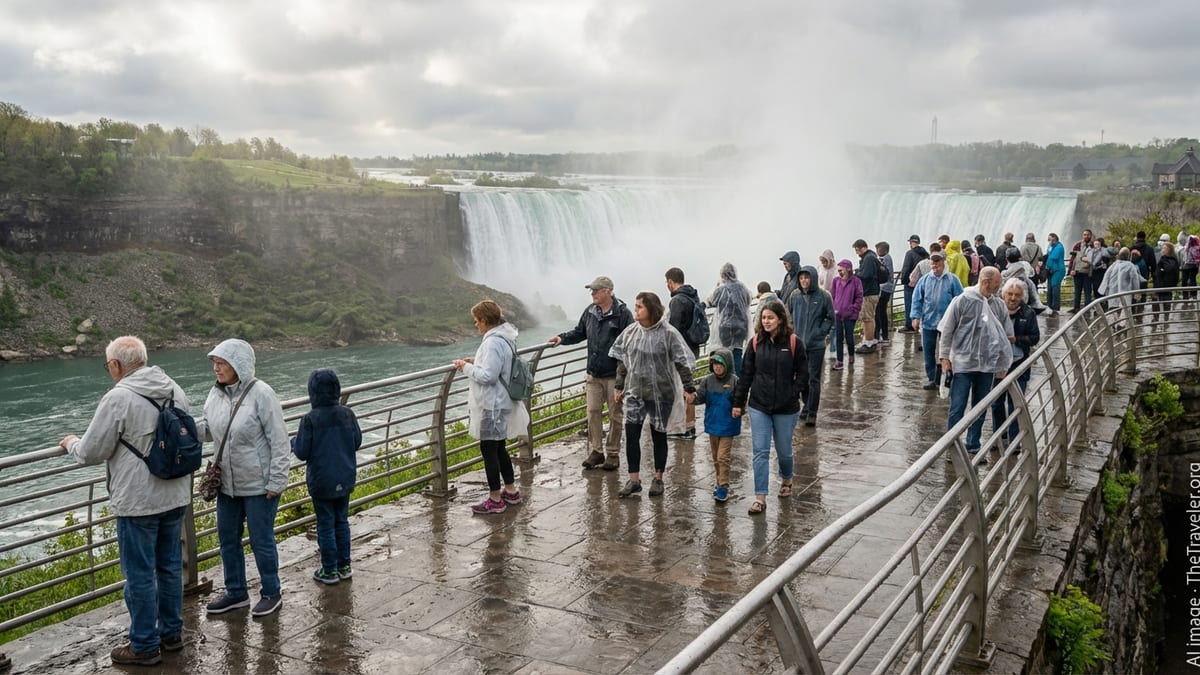
For all its postcard beauty, Niagara Falls is a powerful natural system with fast currents, slippery walkways, and exposed viewpoints. First-time visitors sometimes treat it like a theme park backdrop for photos rather than a serious landscape with real hazards. The most important mistake to avoid is ignoring barriers, warning signs, and simple common sense near the gorge. Railings are not props to lean over, sit on, or climb for a better shot. The mist that makes those dreamy photos possible also makes surfaces slick, and a small lapse in balance near the edge can have serious consequences.
Another safety misstep is walking while distracted, especially when filming or taking selfies. Paths near the river and observation decks can be congested, and people suddenly stopping or backing up for a photo create chain reactions in tight spaces. Take photos from a stable position, then put your phone away while walking. If you are visiting with children, avoid letting them run ahead or press against railings. Keeping young kids within arm’s reach around viewing points and stairways is far more important than capturing every moment on video.
First-time visitors also underestimate how quickly weather can change conditions around the falls. Strong winds near the gorge can push spray across walkways, sudden showers make steps treacherous, and in colder months, ice forms along railings and paths. Treat closure signs and roped-off viewpoints seriously; they are usually in place because surfaces have become unstable or visibility is too low. Respecting these limits will not diminish your experience, but ignoring them can cut your trip short for the wrong reasons.
Finally, do not assume personal belongings are safe simply because the area feels touristy and secure. Crowds bring opportunity for pickpockets and bag snatchers. Avoid setting phones, bags, or cameras on railings while you pose. Use zipped pockets or a small crossbody bag worn in front, and keep valuables minimal. A little vigilance means you can focus on the falls instead of replacing documents or devices after an avoidable incident.
Do Not Visit Without Considering Timing and Seasons
Many first-time visitors to Niagara Falls pick a date based only on personal schedule, without understanding how dramatically the experience changes with seasons and time of day. One of the biggest mistakes is arriving at the height of midday crowds in peak summer and expecting a calm, contemplative visit. From late spring through early fall, bus tours, school groups, and independent travelers converge at popular viewpoints, and lines for attractions can grow long. If you arrive late in the morning with several big sights on your list, you may spend more time queuing than watching the water.
To avoid this, plan your key viewpoints and major attractions for early morning or later in the evening whenever possible. Early hours offer softer light, cooler temperatures, and thinner crowds, which means better views and more time to linger without pressure from the line behind you. Evening brings a different kind of magic, with illumination of the falls and, during warmer months, fireworks displays on scheduled nights. Many first-time visitors leave immediately after sunset and miss this atmospheric side of the destination.
Another common oversight is ignoring how seasonal closures affect what you can do. While the main viewpoints in Niagara Falls State Park on the U.S. side and Queen Victoria Park on the Canadian side are open year-round, some boat tours and seasonal attractions typically shut down in late autumn and reopen in spring. If riding into the mist at the base of the falls is a priority, do not assume those boats operate in the depths of winter. Check weeks ahead of your trip which experiences are running in the month of your visit and adjust expectations accordingly instead of being disappointed at the ticket counter.
Weather planning also matters more than many first-timers realize. The constant spray near the falls can make cool days feel colder and hot days feel more humid. Dense fog, thunderstorms, or strong winds occasionally lead to temporary closures of platforms and trails. Building flexibility into your schedule, with a second possible window for major attractions, means you are not stranded if your chosen time coincides with a sudden weather disruption. The more you tailor your timing to conditions, the less likely you are to feel that the falls were hidden behind chaos or cloud.
Do Not Pack or Dress as if You Are Staying Dry
One of the most universal first-time mistakes at Niagara Falls is dressing for a typical city stroll rather than a wet, changeable environment. Visitors repeatedly underestimate how far the mist can travel, how long they will be outside, and how much their comfort depends on the right layers. While many boat tours and close-up platforms provide basic ponchos, these are often thin, short, and not designed for a full day of walking. Relying on them alone can leave you with soaked shoes, damp clothing, and a chill that lingers long after you have left the water’s edge.
Instead, think in terms of light, quick-drying layers and footwear with traction. Avoid smooth-soled sandals or dress shoes that become slippery when wet. Closed-toe walking shoes or hiking-style trainers with good grip are far safer on damp stairs and platforms. A compact, higher-quality waterproof jacket or poncho that covers more of your legs and arms will keep you comfortable as you move between attractions. Even in summer, carrying a thin extra layer is wise, as the temperature near the mist can be noticeably cooler than inland streets or hotel lobbies.
Another packing misstep is carrying either too much or too little. Overloaded backpacks quickly become a burden when you are climbing steps, boarding boats, and weaving through crowds. On the other hand, arriving without basics such as water, a small snack, or a power bank for your phone can leave you dehydrated, hungry, or unable to capture the views you came for. Aim for a small day bag containing essentials: refillable bottle, light snack, compact rain protection, sun protection in warmer months, and a way to keep electronics dry, such as a simple resealable plastic sleeve.
Lastly, visitors often forget sun and weather protection because the sky may look overcast near the falls. Ultraviolet exposure reflects off the water and mist, so a hat and sunscreen help even on cool days. In colder seasons, lightweight gloves, a warm hat, and moisture-resistant outer layers transform what might feel like a punishing, damp walk into a brisk and memorable outing. Dressing for both wet and variable conditions ensures the roar of the falls is the most intense thing you notice, not the chill in your bones or blisters on your feet.
Do Not Assume You Can See Everything in a Few Hours
Many first-timers treat Niagara Falls as a simple quick stop: arrive, walk to a viewpoint, snap photos, and move on. In reality, the area includes multiple perspectives, walking paths, islands, and attractions on both the U.S. and Canadian sides. Rushing through in a tight half-day window is one of the most common regrets. When you compress everything, you are more likely to spend time in queues, skip quieter viewpoints, and feel pressured to move on just as you start to appreciate the scale of the gorge.
A better approach is to avoid overpacking your schedule and instead identify a small number of must-do experiences that fit your time frame. For some visitors, that might be a classic boat ride and a walk around Goat Island on the U.S. side. Others prioritize the panoramic views and promenade on the Canadian side, with a tunnel or behind-the-falls experience. Trying to do every possible attraction in one day can leave you exhausted and oddly disconnected from the landscape itself. It is perfectly acceptable to choose two or three highlights and spend the rest of your time simply exploring viewpoints and green spaces at a relaxed pace.
Another planning mistake is underestimating walking distances and transition times. Even with shuttles and trolleys operating, moving between attractions can involve hills, stairs, and crowded pathways that slow the pace, especially during busy periods. If you have mobility concerns or are traveling with very young children or older relatives, block extra time for getting from place to place. It is far better to enjoy fewer activities fully than to drag a tired group across the park in a race against closing times.
First-time visitors also forget to leave room for the unexpected. A rainbow forming over the falls, an especially dramatic cloud of mist, or a moment of quiet at an overlook can be the highlights of your trip. If your schedule is packed down to 15-minute increments, you are more likely to march past these moments than pause to absorb them. Plan your day with deliberate spaces where nothing is scheduled except simply watching the water and listening to the sound that has made this place famous for generations.
Do Not Ignore the Cross-Border and Practical Logistics
Because Niagara Falls straddles the border between the United States and Canada, one of the most significant mistakes first-time visitors make is treating it as a single, barrier-free destination. If you intend to experience both sides in one trip, you must account for border requirements, identification, and crossing time. Showing up at the Rainbow Bridge without proper documents is a surefire way to disrupt your plans. Travelers need valid identification accepted at the U.S.–Canada border, and those arriving from abroad should check visa and entry rules well in advance, not on the morning of their visit.
Even when your documents are in order, failing to factor in the time it takes to cross between countries leads to disappointed itineraries. On quieter days, the vehicle and pedestrian crossing can be relatively quick. At busier times, lines grow longer, and you will need to budget extra time for customs checks, traffic congestion, and simple walking distance. If you book timed tickets on both sides of the border without a realistic gap in between, you may find yourself choosing which reservation to forfeit.
Another commonly overlooked logistical detail is transportation and parking. Drivers sometimes arrive assuming they will find an inexpensive space steps from the main viewpoints. In reality, parking costs vary by season and proximity, and prime locations can be more expensive than people expect. On the busiest days, lots fill early, sending late arrivals farther away from the falls. Researching where you plan to park, what it is likely to cost, and how you will move from your car to the viewpoints avoids frustration on arrival. If you prefer not to drive, learn the basics of local trolleys, shuttles, or rideshare options in advance.
Finally, do not disregard currency and mobile connectivity. While cards are widely accepted on both sides of the border, it is still practical to carry a small amount of local cash for minor purchases, tips, or places that prefer it. International visitors should check roaming charges and consider temporary data plans or offline maps. Few things are more exasperating than trying to locate a specific overlook or attraction when your phone has no service and you have not picked up a paper map. A bit of preparation for these fundamentals frees you to focus on the falls rather than logistics.
Do Not Fall for Every Tourist Trap and Overpriced Add-On
With millions of visitors arriving each year, it is no surprise that the Niagara region has built up a dense layer of commercial attractions, souvenir shops, and themed experiences. The mistake many first-timers make is assuming they must purchase every ticketed add-on to “do Niagara properly.” This mindset can lead to high costs and a day dominated by indoor attractions that could exist almost anywhere, instead of time spent with the unique landscape you came to see. Not every neon-lit activity or themed ride offers real value, especially if it pulls you away from the gorge during ideal viewing light.
One of the easiest ways to overspend is through impulse purchases at souvenir stands near the main walkways. These shops often carry generic items at premium prices. While a memento can be meaningful, there is no need to buy at the first rack of T-shirts or novelty mugs you encounter. Take time to compare, or better yet, look for goods that reflect local crafts or regional specialties rather than mass-produced trinkets. A well-chosen item from a quieter shop away from the main strip often has more lasting appeal than the cheapest plastic keepsake.
Another trap is overbooking expensive aerial or novelty experiences without considering whether they match your interests. Helicopter flights, specialty viewpoints, or bundled attraction passes can be worthwhile for some travelers but unnecessary for others who primarily want to walk, photograph, and absorb the falls at their own pace. Before you commit, be clear about what is included, how long you actually spend near the water, and whether the timing fits into your broader plan. Buying a high-priced package on the spot because it is presented as a once-in-a-lifetime deal is rarely the wisest choice.
Eating and drinking purely in the most obvious tourist corridors can also drain your budget without necessarily improving your experience. Some scenic restaurants charge a premium for views, which can be worthwhile for a special meal, but you do not need every snack or drink to come with a view surcharge. Exploring a short distance beyond the busiest streets can reveal more relaxed options and, often, better value. The key is not to avoid all commercial offerings but to make deliberate choices rather than defaulting to the first or flashiest option you see.
Do Not Neglect Local Rules, Etiquette, and Environmental Respect
In the excitement of a first visit, it is easy to forget that Niagara Falls is both a protected natural area and a community where people live and work year-round. A frequent mistake is treating walkways, viewing platforms, and surrounding parks as staging grounds solely for personal photos, without regard for others. Blocking entire railings with tripods, sprawling across benches with gear, or playing music loudly from speakers diminishes the experience for fellow visitors who have traveled just as far for their moment with the falls. Keeping your footprint modest, your volume low, and your time at prime photo spots reasonable shows basic courtesy.
Another area where first-time visitors slip up is treating litter casually. The combination of wind, water, and steep drops means that items tossed aside do not simply disappear. Plastic bottles, food wrappers, and dropped masks can end up in the gorge or river, where they are difficult to retrieve and harmful to wildlife and the broader ecosystem. Always carry your trash out to proper bins, and be especially careful with lightweight items that the breeze can easily lift from railings or open bags.
Respecting wildlife and plant life is equally important. Feeding birds or other animals for close-up photos encourages aggressive behavior and dependence on human food, which is unhealthy for them and disruptive for visitors. Straying from marked paths to get a slightly different angle can damage fragile vegetation or contribute to erosion along the gorge. The paths, viewing areas, and fences are designed not only for your safety but also to protect the environment that draws people from around the world.
Finally, pay attention to local rules and staff instructions. Whether it is a request to clear a section for cleaning, a reminder to step back from a railing, or a notice about a temporary closure, these guidelines are in place to keep the site safe and sustainable. Ignoring them for the sake of a single photo or a slightly closer vantage point does not just put you at risk; it can impact operations for everyone. Treating the falls and their caretakers with respect ensures that future first-timers will enjoy the same powerful encounter with the water that you did.
The Takeaway
A first visit to Niagara Falls is a milestone travel experience, and the difference between a rushed, stressful day and a memorable, moving encounter often comes down to what you avoid as much as what you do. Do not underestimate the power and unpredictability of the environment, and do not assume you can simply drop in, grab a quick photo, and move on without missing something essential. By planning around seasons and timing, dressing for wet and variable conditions, and giving yourself enough time to appreciate both sides of the border if that fits your plans, you set the stage for a richer experience.
Resisting the pull of every tourist trap, staying alert to safety and etiquette, and remembering that this is a shared natural wonder will help you connect more deeply with the place. Think of your visit less as a checklist and more as a series of moments to inhabit fully: the first glimpse of the water thundering into the gorge, the fine spray catching a shaft of afternoon light, the low rumble that follows you along the paths. If you can remain flexible, thoughtful, and prepared, your first trip to Niagara Falls will feel less like something to get through and more like the experience you came for.
FAQ
Q1. Is it safe to visit Niagara Falls with young children?
Yes, it is generally safe, provided you supervise children closely, keep them away from railings, and follow all posted safety signs and staff instructions.
Q2. How much time should a first-time visitor plan for Niagara Falls?
Many travelers find that a full day is a comfortable minimum, with two days allowing time to explore multiple viewpoints and attractions without rushing.
Q3. Do I need special clothing for the boat tours and close-up platforms?
Simple waterproof layers and shoes with good traction are usually sufficient, but expect to get wet and avoid smooth-soled sandals or dress shoes.
Q4. Can I see both the U.S. and Canadian sides of Niagara Falls in one visit?
Yes, but you must bring proper identification, allow time for border crossing, and build a realistic schedule so you are not rushing between timed attractions.
Q5. Are the falls worth visiting in winter, even if boat tours are limited?
Winter visits can be beautiful, with frozen mist and quieter paths, but you should expect cold temperatures, icy surfaces, and some seasonal closures.
Q6. How expensive is parking near the main viewpoints?
Parking fees vary by season and location, and spaces closest to key viewpoints are often the most expensive, so it helps to research options in advance.
Q7. Do I need to book Niagara Falls attractions in advance?
During busy months, advance booking is wise for popular boat tours and special experiences, while general park access and many viewpoints remain open without reservations.
Q8. Is tap water safe to drink, or should I buy bottled water?
Tap water on both sides of the border is generally safe to drink, and carrying a refillable bottle is more economical and reduces plastic waste.
Q9. Are there quieter spots to enjoy views away from the biggest crowds?
Yes, exploring side paths, islands, and less-publicized overlooks often reveals calmer viewpoints where you can linger longer with fewer people.
Q10. What is the most common mistake first-time visitors make?
The most common mistake is trying to do too much in too little time, which leads to rushing, long lines, and less opportunity to simply enjoy the falls themselves.