

Florida’s food story stretches from citrus groves and sugarcane fields to shrimp trawlers and Keys fish shacks. The state’s cuisine is shaped by subtropical farms, Gulf and Atlantic fisheries, and waves of Caribbean, Latin American, Southern, and Indigenous influences. Whether you are road tripping the Panhandle, exploring Miami, or unwinding in the Keys, knowing what to eat will turn any Florida itinerary into a memorable culinary journey.
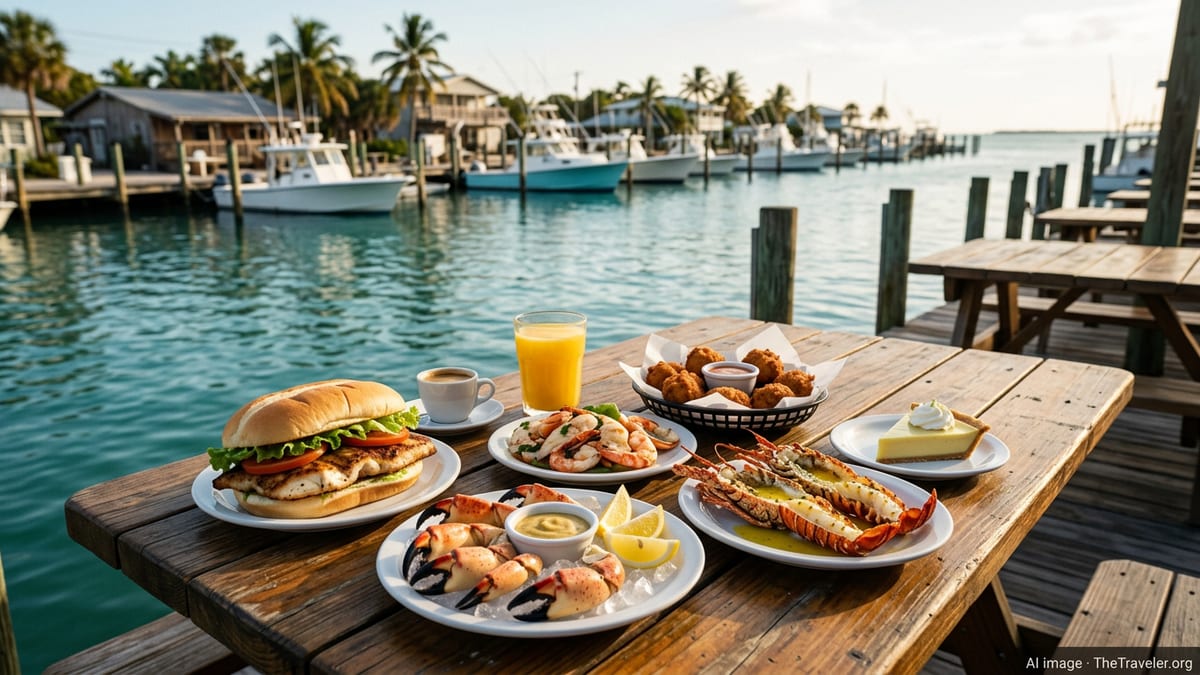
The Flavor of the Sunshine State
Florida’s geography makes it one of the country’s most varied food destinations. The state leads the United States in production of oranges and other citrus, ranks near the top for fresh vegetables, and remains a major player in commercial fishing. Citrus, tomatoes, sweet corn, sugarcane, and cattle all shape the way Floridians eat, while coastal waters yield species like grouper, snapper, shrimp, stone crab, and spiny lobster.
Equally important is the state’s cultural mix. Native Seminole and Miccosukee ingredients such as swamp cabbage and game meats intersect with Spanish, Cuban, Bahamian, Haitian, and wider Caribbean traditions. Add in Southern comfort food from North Florida, modern "Floribbean" fusion in South Florida, and a strong farm-to-table movement, and you have a food landscape as diverse as the state’s beaches and cities.
For travelers, this means that "eating local" in Florida is less about a single signature dish and more about understanding regional specialties. The must-try foods in the Panhandle are not the same as in Miami or the Keys, and the freshest catch in spring may differ from what you will find in late autumn. The best strategy is to follow the seasons, pay attention to what appears on daily specials boards, and ask locals what they order.
From beachside grouper sandwiches and Cuban coffee to Key lime pie and boiled peanuts, the dishes below offer a practical guide to what you should seek out across the state, and where each one shines brightest.
Essential Florida Seafood Classics
Seafood is the backbone of Florida’s coastal cuisine. The Gulf of Mexico and Atlantic Ocean support a commercial fishing and aquaculture industry that keeps local fish, shrimp, and shellfish on menus statewide. Travelers who focus on what is fresh and locally landed will eat very well almost anywhere along the coast.
Grouper is one of the state’s marquee fish, especially along the Gulf Coast. Mild, flaky, and sturdy enough for grilling or frying, it shows up as fillets, tacos, and, most famously, the grouper sandwich. A classic version features a thick grilled, blackened, or fried fillet on a soft bun with lettuce, tomato, and tartar sauce. Look for it at casual waterfront spots in places like Clearwater, St. Pete Beach, and the Panhandle, where boats often unload just miles away.
Snapper, mahi-mahi, cobia, pompano, and amberjack are other common local catches. They are typically served grilled or blackened, often with sides that highlight Florida’s produce, such as corn on the cob, coleslaw made with local cabbage, or tomato and cucumber salads. Because Florida’s coastal fisheries are highly seasonal, many restaurants post chalkboard specials listing that day’s catch. When in doubt, asking what was landed locally and recently is a good way to avoid imported fish.
Shellfish lovers should pay attention to how the state’s different coasts specialize. Apalachicola oysters, Fernandina Beach shrimp, and stone crab from Southwest Florida each represent regional seafood traditions that are worth planning meals around.
Stone Crab, Spiny Lobster, and Oysters
Few foods say "Florida" as clearly as stone crab claws. Harvested mainly along the Gulf Coast from roughly mid-autumn through spring, stone crabs are unique because only the claws are taken, and the crabs are returned to the water to regenerate. Claws are typically boiled, chilled, cracked, and served with a mustard sauce. The meat is sweet, rich, and firm, making them a special-occasion splurge that many visitors associate with trips to South Florida coastal towns.
Further south in the Keys and around South Florida, Florida spiny lobster is a highlight during its own season, which typically runs from late summer into spring. Unlike the clawed lobsters of New England, spiny lobsters have no large claws, so almost all the meat is in the tail. You will find it grilled with garlic butter, tucked into tacos, or served simply with drawn butter at dockside restaurants. Keys communities celebrate the local lobster with festivals that underscore how central it is to the area’s food identity.
On the Panhandle’s Forgotten Coast, Apalachicola Bay has long been known for oysters that develop a plump, briny-sweet flavor thanks to nutrient-rich river water mixing with Gulf tides. While wild oyster harvests have fluctuated in recent years and strict protections have been put in place, oysters remain a signature food in this part of Florida. Travelers can enjoy them raw on the half shell, baked with toppings, or chargrilled with butter and garlic at low-key bars and seafood shacks.
Along the Atlantic coast, especially around Fernandina Beach and other North Florida towns, shrimp has deep historic roots. The area is sometimes called the birthplace of modern American shrimping and still celebrates its heritage with festivals. Local white and brown shrimp are often served peel-and-eat, fried on platters, or piled into po’boy-style sandwiches, making them one of the most satisfying and accessible seafood options for visitors.
Cuban Sandwiches, Cafecito, and Miami’s Latin Flavors
Florida’s food cannot be understood without Miami and Tampa’s Cuban and wider Latin American influence. The Cuban sandwich, or Cubano, is now considered one of the state’s definitive dishes. A traditional version layers roast pork, sliced ham, Swiss cheese, pickles, and mustard inside a long loaf of Cuban bread, then presses it on a plancha until the outside is crisp and the interior hot and melty. Different cities argue over the "correct" formula; Tampa famously adds salami, while Miami purists usually do not.
Beyond sandwiches, Cuban restaurants introduce travelers to ropa vieja (shredded stewed beef), lechon asado (garlicky roast pork), and vaca frita (crispy shredded beef), typically served with rice, black beans, and sweet plantains. These dishes reflect the flavors of Havana transplanted to South Florida, and they sit comfortably alongside Puerto Rican, Dominican, Colombian, Peruvian, Haitian, and Nicaraguan specialties on the same city blocks.
A key ritual in Miami is cafecito, or Cuban coffee. This intensely sweet, strong espresso shot, often topped with a layer of sugar foam, fuels the city from walk-up coffee windows and ventanitas. Travelers can order a colada, a larger portion served with tiny cups for sharing, or a café con leche, which resembles a latte. Pairing a mid-morning cafecito with a pastelito (a flaky pastry filled with guava and cheese or savory meats) is a simple way to experience local life between sightseeing stops.
In recent decades, chefs have woven these Latin and Caribbean influences into what is sometimes called Floribbean cuisine. This style blends tropical fruits, citrus, chili heat, and Asian-inspired seasonings with Florida seafood and produce, creating dishes such as mango-glazed grouper, citrus-marinated ceviches, or salads with hearts of palm, avocado, and lime. Many contemporary restaurants in Miami, the Keys, and coastal resort towns draw on this fusion, so menu descriptions that name-check local fruit and regional fish are a promising sign.
Florida Keys Staples: Conch, Key Lime Pie, and Dockside Dining
The Florida Keys have a food culture shaped by their island geography and Bahamian and Cuban connections. Conch, a large marine mollusk, is the star of one of the Keys’ most iconic appetizers: conch fritters. The meat is minced and folded into a batter with herbs and spices, then deep-fried into savory bites, usually served with a dipping sauce. Done well, they balance a gentle chew with a crisp exterior, and they are almost obligatory for first-time visitors.
Conch salad is another classic, often compared to ceviche. Small cubes of conch are marinated in citrus juice with onions, bell peppers, and hot peppers, creating a refreshing, spicy dish that suits the Keys’ tropical climate. Because conch populations have been under pressure, Florida has restrictions on harvesting queen conch in state waters, so most conch used in restaurants is sourced from elsewhere in the Caribbean. Travelers who care about sustainability can ask staff where the conch comes from and consider enjoying it in moderation.
No discussion of Florida food, and especially Keys food, is complete without Key lime pie. Made from tart Key lime juice, sweetened condensed milk, and egg yolks in a graham cracker or pastry crust, it is traditionally topped with whipped cream or, less commonly, meringue. The pie’s signature flavor comes from Key limes, which are smaller and more aromatic than standard Persian limes. While not every slice you encounter will use authentic Key lime juice, the dessert remains a beloved symbol of the state and is widely available in bakeries, diners, and waterfront restaurants.
Dining in the Keys is often as much about setting as about the plate. Casual, open-air spots that overlook marinas or back bays offer grilled mahi-mahi, blackened snapper, and peel-and-eat shrimp, sometimes accompanied by live music and sunset views. Choosing restaurants that highlight "local catch" and seasonal specials is the best way to taste the island chain’s seafood at its freshest.
From Swamp Cabbage to Boiled Peanuts: Old Florida Comfort Foods
Away from the big cities and tourist corridors, Florida maintains an older style of cooking rooted in Southern and Indigenous traditions. These dishes offer insight into how people ate before interstate highways and resorts reshaped the state’s economy, and many remain beloved in rural communities and small towns.
Swamp cabbage, also called hearts of palm or cabbage palm, comes from the tender inner core of the sabal palmetto, Florida’s state tree. Historically used by Seminole and other Indigenous people as a staple vegetable, it can be stewed, sautéed, or served in salads. Today, cultivated hearts of palm appear on menus statewide, often in composed salads with citrus or avocado, offering travelers a gentle introduction to a traditional ingredient with a mild, slightly nutty flavor.
Boiled peanuts are a roadside institution in North Florida and the Panhandle. Fresh green peanuts are simmered for hours in salted water, sometimes with spices, until they take on a soft, almost bean-like texture. Sold from large pots at produce stands and gas station parking lots, they make for a warm, salty snack on long drives. While the concept may be unfamiliar to many visitors, boiled peanuts are a quintessential taste of the inland South that happens to flourish in Florida’s peanut-growing areas.
Game meats and freshwater fish also appear on some Old Florida menus. Dishes like fried catfish, mullet, and occasionally gator tail, often served with grits or hushpuppies, echo the days when subsistence fishing and hunting were common. Travelers should not feel obliged to seek out more adventurous items, but those curious about regional foodways may find them in independently owned restaurants away from the coasts.
Citrus, Tropical Fruit, and Farm-Fresh Produce
Florida’s reputation as a citrus powerhouse shapes everything from breakfast tables to cocktail menus. Oranges, grapefruits, tangerines, and tangelos all grow well in the state’s mild winters, and fresh-squeezed juice is as close to a daily ritual as you will find. Travelers can enjoy it at hotel buffets, roadside stands, and farmers markets, often alongside jars of local orange blossom honey and marmalades.
Beyond citrus, Florida ranks near the top nationally for many warm-season crops, including tomatoes, bell peppers, cucumbers, squash, snap beans, watermelon, and sweet corn. From roughly late fall through spring, when much of the country lies under snow or frost, Florida fields are still producing. This means that winter visitors can find salads and side dishes made with ripe local tomatoes, corn on the cob, and colorful peppers long before those ingredients come into season farther north.
South Florida’s subtropical climate also supports a wide array of tropical fruits. Mangoes, papayas, avocados, lychees, longans, guavas, and passionfruit appear in salsas, desserts, smoothies, and cocktails, especially in Miami and the agricultural areas of Homestead and the Redland. Seasonal farm stands often sell fruit varieties that rarely appear in national supermarkets, and some orchards open for u-pick or tasting experiences when crops are abundant.
For travelers, the key is to pay attention to seasonality. Winter and early spring are prime time for citrus and many vegetables, while late spring and summer bring stronger tropical fruit offerings. Asking what is grown locally at farmers markets and reading menu notes about regional sourcing are easy ways to orient your eating around what Florida’s farms are producing during your visit.
How and Where to Eat Like a Local in Florida
To truly experience Florida’s food culture, it helps to think beyond resort buffets and national chains. Independent seafood shacks, Cuban cafeterias, citrus stands, and family-run barbecue joints often provide the most memorable meals, especially when they highlight specific local ingredients or fishing traditions.
On the coasts, waterfront restaurants that advertise local catch and list the species they serve are usually a better bet than generic "seafood" spots that rely heavily on imported products. In the Panhandle, that might mean grouper, red snapper, or Gulf shrimp; on the Southwest coast, look for stone crab in season; in the Keys, ask about mahi-mahi, yellowtail snapper, or spiny lobster. Many establishments operate with chalkboard menus that change according to what boats bring in.
In cities, neighborhoods with strong immigrant communities are ideal places to sample regional Latin American and Caribbean cuisines. In Miami, this could involve a morning stop at a ventanita for cafecito, a lunchtime Cuban sandwich at a long-standing cafeteria, and Peruvian ceviche or Haitian griot for dinner. In Tampa and Orlando, Colombian bakeries, Brazilian steakhouses, and Puerto Rican restaurants reflect more recent migration and add to the state’s evolving food mix.
Travelers who enjoy food markets and farm experiences will find farmers markets in many mid-sized cities and tourist towns, often featuring local produce, prepared foods, and small-batch products like hot sauces and jams. Agricultural regions in Central and South Florida sometimes offer u-pick operations for strawberries, blueberries, or citrus in season. Building one or two of these stops into a road trip can provide context for the ingredients that appear on restaurant plates.
The Takeaway
Florida’s must-try dishes and seafood are best understood as a tapestry of regional specialties rather than a single, unified cuisine. The grouper sandwich that defines a beachside lunch in the Panhandle is quite different from the Cuban sandwich you will crave in Miami, just as stone crab claws in Southwest Florida feel worlds away from conch fritters and Key lime pie in the Keys.
What ties these foods together is a reliance on the state’s natural abundance: rich fishing grounds, citrus groves, vegetable farms, and tropical orchards, all seasoned by waves of migration from the Caribbean, Latin America, and the American South. Eating widely, asking a few questions about sourcing, and leaning into seasonal offerings will reward travelers with a deeper sense of place.
Whether you are cracking stone crab claws at a waterfront table, sipping fresh orange juice at a roadside stand, or sharing a colada with new friends in Miami, the flavors of Florida offer a vivid and enduring way to remember the Sunshine State.
FAQ
Q1. What seafood should I prioritize trying in Florida?
Focus on what is local and seasonal where you are. Gulf Coast visitors should look for grouper, snapper, shrimp, and stone crab in season, while travelers in the Keys and South Florida can prioritize spiny lobster, mahi-mahi, and yellowtail snapper.
Q2. When is stone crab season in Florida?
Stone crab season typically runs from mid-autumn into late spring, with many restaurants featuring fresh claws during the cooler months. Outside that window, claws are more likely to be frozen rather than freshly harvested.
Q3. Is Florida spiny lobster available year-round?
Florida spiny lobster has a defined season that generally begins in late summer and continues into spring. Availability can vary slightly by year and region, so it is worth asking local restaurants if it is in season during your visit.
Q4. Do all Key lime pies use real Key limes?
Not always. Some bakeries and restaurants use standard lime juice for convenience, while others emphasize authentic Key lime juice. If the flavor matters to you, ask whether the pie is made with true Key limes.
Q5. Are conch dishes in the Florida Keys made from locally harvested conch?
Because wild queen conch in Florida waters is protected, most conch served in the Keys is imported from other Caribbean regions. Travelers who are concerned about sustainability can ask where the conch is sourced and enjoy it in moderation.
Q6. Where is the best place to try a Cuban sandwich?
Miami and Tampa are the classic cities for Cuban sandwiches. Miami versions usually include roast pork, ham, Swiss cheese, pickles, and mustard, while Tampa versions often add salami and reflect the city’s longer Cuban and Italian heritage.
Q7. What are some uniquely "Old Florida" foods to look for?
Old Florida specialties include swamp cabbage or hearts of palm, boiled peanuts in North Florida and the Panhandle, fried mullet or catfish, and occasional dishes made with game meats or gator tail, usually in small-town or rural restaurants.
Q8. Is Florida a good destination for fresh fruit and vegetables?
Yes. Florida’s mild winters allow farmers to grow citrus and many warm-season vegetables when other regions are dormant. Winter and early spring are ideal times to enjoy local oranges, grapefruit, tomatoes, sweet corn, and other field-grown produce.
Q9. How can I tell if a restaurant is serving local seafood?
Look for menus that name specific species and note that they are locally caught, or ask staff what came in fresh that day. Coastal restaurants with chalkboard specials and references to nearby waters are more likely to feature local catch.
Q10. Are there good options for travelers who do not eat seafood in Florida?
Absolutely. Cuban and other Latin American restaurants serve hearty meat and vegetarian dishes, barbecue spots specialize in pork and beef, and farm-to-table restaurants highlight Florida vegetables and tropical fruits. You can eat very well without ordering seafood at all.