

Germany’s food culture is hearty, regional, and rooted in tradition, yet it keeps evolving with modern tastes. Whether you are wandering cobbled old towns, lingering in beer gardens, or warming up at Christmas markets, knowing what to order will transform every stop into a memorable meal. From famous sausages and pretzels to lesser known regional specialties and beloved cakes, this guide walks you through the traditional German dishes you should seek out on your next trip.
Savoring Germany’s Sausages and Street Food Classics
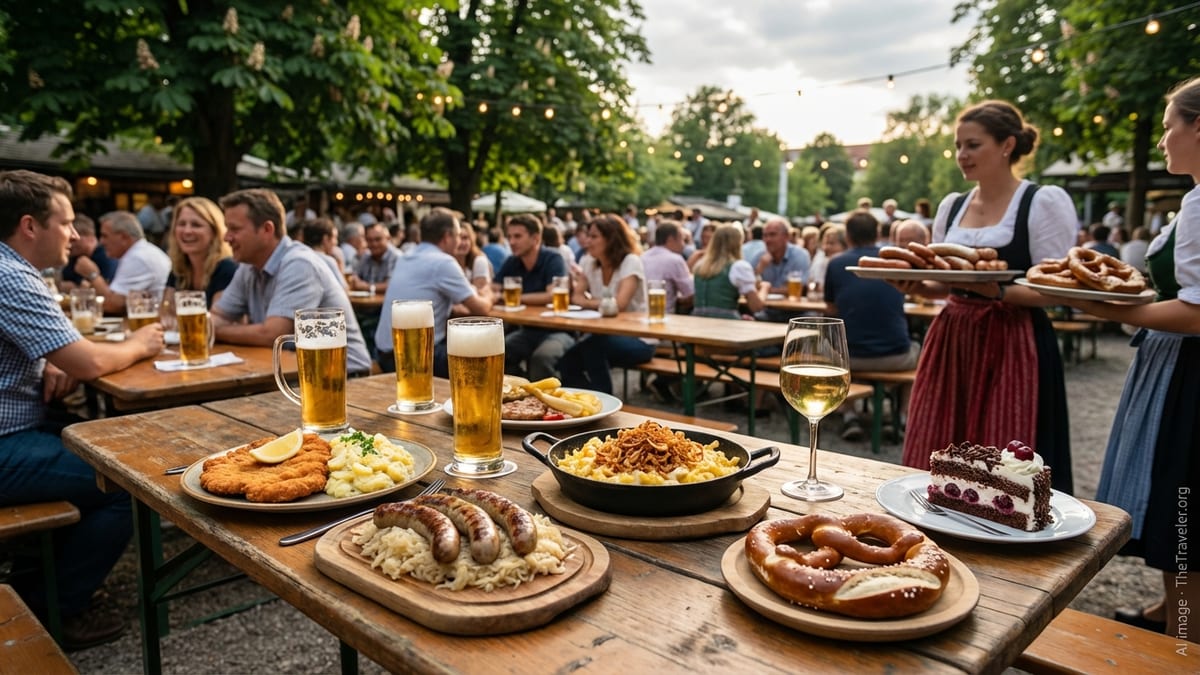
If there is one food most travelers associate with Germany, it is sausage. Across the country, hundreds of regional varieties exist, but a few have become icons. Bratwurst is the go to order almost everywhere. These pork or mixed meat sausages are usually grilled over open flames and served in a soft roll with mustard or alongside sauerkraut and potatoes. In Thuringia and Franconia, you will find slimmer, finely ground bratwursts seasoned with marjoram, while Nuremberg is famous for its tiny Nürnberger Rostbratwürste, often served by the half dozen on a plate or three at a time in a roll.
In Berlin, currywurst is the undisputed street food star. This postwar invention consists of sliced grilled or steamed sausage smothered in a tangy tomato based curry sauce and dusted with curry powder. It is typically served with fries or a crusty roll and eaten with a small wooden fork. Almost every city has its own preferred sausage snack at markets and late night stands, so use these casual spots as an easy way to taste local flavors without a big commitment or reservation.
Beyond these headline names, keep an eye out for regional specialties such as Weisswurst in Bavaria, a pale veal and pork sausage traditionally eaten before noon with sweet mustard and a pretzel, or bockwurst, a seasoned sausage often enjoyed with beer in spring. Ordering a mixed sausage plate in a traditional Wirtshaus or at a beer garden is a practical way to sample several types at once and discover which style you like best.
Comforting Meat Dishes and Cozy Tavern Favorites
Germany’s traditional main courses are built for comfort. One of the most famous is schnitzel, a breaded and fried cutlet usually made from pork, though veal and turkey versions are also common. It arrives at the table golden, crisp, and often larger than the plate, with a wedge of lemon and a side of potato salad or fries. Variations include Jägerschnitzel with a mushroom sauce or Zigeunerschnitzel with a pepper based tomato sauce, but the plain version is a reliable benchmark for how carefully a kitchen cooks.
Another classic to look for is sauerbraten, a pot roast that has been marinated for several days in a mixture of vinegar, wine, and spices before being slowly braised. The long marinating and cooking give the meat a tender, slightly tangy character that pairs beautifully with red cabbage and potato dumplings. In some regions, especially around the Rhineland, the sauce can have a subtle sweetness from raisins or a touch of sugar, which balances the acidity of the marinade.
Stuffed and rolled meats also play a key role in traditional menus. Rinderroulade, or beef roulade, features thin slices of beef wrapped around bacon, onions, mustard, and pickles, then braised until meltingly soft. In Swabia, Maultaschen are large square pasta pockets filled with minced meat, spinach, onions, and herbs, often dubbed “German ravioli.” They can be served in broth like a soup, pan fried with onions, or sliced into egg dishes, making them a versatile option if you want something satisfying but not too heavy.
These dishes are at their best in long standing taverns and family run inns where recipes have been refined over generations. Portions are substantial, so consider sharing or planning a light lunch if you know you are headed to a traditional Gasthaus in the evening.
Potatoes, Dumplings, and the Art of German Side Dishes
Side dishes in Germany are more than afterthoughts. Potatoes, in particular, appear in countless forms. Kartoffelsalat, or German potato salad, varies significantly by region. In the south, it is typically dressed with a warm broth and vinegar mixture seasoned with onions and mustard, resulting in a light, tangy side that complements schnitzel and grilled meats. In other parts of the country, you may find a creamier style with mayonnaise, especially at barbecues or casual gatherings.
Potato pancakes, known as Reibekuchen or Kartoffelpuffer, are another must try. Made from grated potatoes mixed with egg and flour, then fried until crisp, they are sold at street stalls, markets, and festivals. They are usually served with applesauce or sour cream and can be enjoyed as a snack, side dish, or even a simple meal on the go. During Christmas markets, the aroma of frying pancakes often drifts between the wooden stalls, making them hard to resist.
Dumplings, or Knödel, are a defining component of many traditional plates. Kartoffelklöße, soft potato dumplings, soak up rich gravies alongside roasts, while Semmelknödel, made from bread rolls, are a staple in Bavaria and the Alpine regions. Textures range from fluffy to pleasantly chewy, and some versions hide a crouton or bacon center. Learning to appreciate these dumplings helps you understand why German meals are so genuinely filling, especially during the colder months.
Egg noodles round out the carbohydrate comfort category. Spätzle are short, irregular noodles made from a simple egg batter and boiled until tender. On their own, they accompany saucy meat dishes. When layered with tangy mountain cheeses and topped with crispy onions, they become Käsespätzle, a beloved vegetarian main course that resembles a richer, deeply flavored cousin of macaroni and cheese.
Breads, Pretzels, and Everyday Bakery Delights
For many visitors, the simple act of walking into a German bakery in the morning becomes a highlight of the trip. Germany is famous for its bread culture, with hundreds of varieties of loaves and rolls based on rye, wheat, spelt, and seeds. Rustic Mischbrot, a mix of rye and wheat, is dense, flavorful, and designed to be eaten with cold cuts, cheese, or spreads. Dark Vollkornbrot showcases whole grains and seeds and is particularly satisfying at breakfast or as part of a cold evening meal known as Abendbrot.
The most recognizable baked good for many travelers is the pretzel. In the south, especially Bavaria and Baden Württemberg, you will find large, dark brown Brezeln with a glossy, chewy crust sprinkled with coarse salt and a soft interior. They pair perfectly with Weisswurst at breakfast, with beer in the afternoon, or simply with butter as a snack. Many bakeries also sell smaller pretzel rolls, cheese topped variations, or pretzels split and filled with spreads and cold cuts.
Beyond pretzels, look for crusty Brötchen, the small breakfast rolls that form the backbone of many hotel buffets and casual meals. These rolls can be topped with everything from ham and salami to cheese, spreads, and sliced vegetables, making them a flexible and affordable way to start the day. In major cities and train stations, you will also come across quick snacks like Leberkäse in a roll, a baked meatloaf style sausage loaf sliced thick and tucked into bread with mustard.
Sampling different breads and baked items as you travel is a subtle but rewarding way to notice regional differences. Coastal towns may feature more fish sandwiches, while southern bakeries lean into pretzels and seeded rolls. Asking staff for their favorite local specialty often leads to discoveries you might have walked right past.
Sauerkraut, Pickles, and Germany’s Love of Fermented Flavors
No discussion of German food is complete without sauerkraut. At its simplest, it is finely shredded white cabbage preserved through natural fermentation with salt. The result is a pleasantly sour, crunchy side dish that pairs especially well with pork, sausages, and hearty roasts. Depending on the region and the cook, sauerkraut can be served simply warmed or gently stewed with ingredients such as onions, apples, or a splash of white wine to add sweetness and depth.
Fermented and pickled flavors show up far beyond sauerkraut. You will see an array of pickles and preserved vegetables on menus and at markets, from gherkins to pickled peppers. In some regions, particularly in the north and along rivers, pickled herring and rollmops, cured fish wrapped around onions or pickles, are popular. These tangy bites are often enjoyed with bread and beer, especially in traditional harbor taverns.
Cabbage in general occupies an important place on the plate. Besides sauerkraut, red cabbage cooked slowly with apples, spices, and vinegar is a common companion to game dishes, goose, and festive roasts. In winter, you may also encounter kale based dishes such as Grünkohl with sausages in northern Germany, showcasing how local ingredients are adapted to regional climates and traditions.
For travelers interested in health benefits as much as flavor, these fermented foods offer a natural source of probiotics and fiber. Many contemporary restaurants highlight this aspect, updating traditional sides with lighter touches while still honoring their roots.
Sweet Treats, Cakes, and Festive Market Specialties
Germany’s dessert and cake culture is as important as its savory dishes. Kaffeeklatsch, the tradition of meeting for coffee and cake in the afternoon, remains strong, and almost every town features bakeries and cafés with enticing glass cases. Among the classics you are likely to encounter is Schwarzwälder Kirschtorte, better known as Black Forest cake. Originating from the Black Forest region, this indulgent creation layers chocolate sponge with whipped cream and cherries, often flavored with cherry brandy and finished with chocolate shavings.
Apple strudel, or Apfelstrudel, is another favorite. Although strongly associated with Austria, it is widely enjoyed in southern Germany. Thin layers of pastry are wrapped around a filling of spiced apples, sometimes with raisins and nuts, then baked until crisp and golden. It is frequently served warm with vanilla sauce or ice cream. In Frankfurt, sweet lovers should seek out Frankfurter Kranz, a ring shaped sponge cake layered with buttercream and coated in crunchy caramelized nuts, which reflects the city’s historical status as a center of trade and festivities.
The winter holiday season brings its own set of specialties to Christmas markets and bakeries. Dresdner Christstollen, a rich fruit bread dusted with powdered sugar, is so valued that it enjoys protected status tied to the city of Dresden. Nuremberg is famous for Lebkuchen, spiced gingerbread style cookies often glazed or coated in chocolate, a tradition linked to the city’s historical spice trade. Markets across the country serve warm drinks like Glühwein, a spiced mulled wine, and regionally distinctive snacks such as flammkuchen, a thin crisp flatbread topped with cream, onions, and bacon, or local cheese spreads served with pretzels.
Exploring these sweets offers insight into how strongly food and celebration are linked in German culture. Time your travel around festivals or weekends if possible, and plan an afternoon pause at a café to sample at least one cake while watching local life unfold.
Regional Specialties You Should Seek Out
One of the pleasures of traveling in Germany is how much the food changes from region to region. In Bavaria and Swabia, robust mountain dishes dominate. Besides Weisswurst and Käsespätzle, you will find hearty plates of Linsen mit Spätzle, lentils served with noodles and sausages, which are considered by many locals a defining dish of Swabian home cooking. In these southern regions, beer gardens serve roasted pork knuckles with crisp crackling, paired with sauerkraut or potato dumplings, providing a feast that easily feeds two.
Head north and west, and you step into different food traditions. Around Frankfurt and Hesse, Grüne Soße, or green sauce, is a signature item. This chilled, herb packed sauce is made from a specific blend of local herbs mixed with dairy products such as sour cream or yogurt and served with boiled potatoes and hard boiled eggs or cold meats. Another regional favorite is Handkäse mit Musik, a pungent sour milk cheese marinated with onions and caraway, typically enjoyed with bread and a glass of local apple wine.
In Saxony and around Leipzig, vegetable dishes such as Leipziger Allerlei highlight spring produce like peas, carrots, and asparagus, sometimes enriched with butter, dumplings, or even crayfish tails. Along the coasts of the North and Baltic Seas, fresh and smoked fish take center stage, from herring and mackerel to local shrimp, often served simply with bread or potatoes. Each of these specialties reflects local landscapes and histories, rewarding travelers who venture beyond the largest cities.
As you move from region to region, ask restaurants what they consider a typical local dish rather than defaulting to the same few national standards. This approach not only broadens your palate but also supports smaller producers and helps keep regional recipes alive.
How to Eat Like a Local in Germany
To get the most out of Germany’s food culture, it helps to pay attention to when and how locals eat. Traditional warm dishes are commonly eaten at midday, particularly in smaller towns, where lunch menus offer generous plates at fair prices. In the evening, many people opt for a lighter cold meal built around bread, cheese, sliced meats, and pickles. Restaurants in larger cities have adapted to more flexible dining habits, but planning a bigger cooked meal for lunch can still be a practical way to enjoy regional dishes without crowds.
Seasonality plays an important role. In spring, “Spargelzeit,” or asparagus season, becomes almost a national obsession, with menus featuring white asparagus in soups, salads, and as a main course with hollandaise and potatoes. Autumn brings game dishes, mushrooms, and harvest festivals, while winter menus highlight roasts, stews, dumplings, and kale, along with Christmas market treats. If you visit during these periods, look for seasonal sections on menus or chalkboard specials outside taverns.
When ordering, do not be shy about asking for explanations. Many restaurants provide English menus in tourist areas, but staff are usually happy to describe dishes or recommend something typical for the area. Asking for a Tagesgericht, or daily special, is often a cost effective way to try what the kitchen does best that day. Finally, consider pairing your meal with local beverages, whether it is a regional beer, a Riesling from nearby vineyards, or apple wine in Hesse, to round out the experience.
FAQ
Q1. What are the top traditional dishes I should try on my first trip to Germany?
For a first visit, focus on bratwurst or currywurst, schnitzel with potato salad, sauerbraten with dumplings, Käsespätzle, pretzels, sauerkraut, and a slice of Black Forest cake.
Q2. Is German food always heavy and meat focused?
Many classic dishes are hearty, but you can find lighter and more plant forward options such as grilled fish, salads, vegetable sides, soups, and dishes centered on potatoes, dumplings, or pasta.
Q3. What should vegetarians look for on German menus?
Vegetarian friendly staples include Käsespätzle, various potato dishes, pretzels and breads, salads, vegetable soups, cheese plates, and seasonal specials like white asparagus or mushroom dishes.
Q4. Are there good options for people who eat gluten free?
Gluten free travelers can usually enjoy grilled meats, fish, salads, many potato dishes, and sauerkraut, but should ask about hidden flour in sauces, breading, and dumplings, which often contain wheat.
Q5. What time of day is best for trying traditional German meals?
Lunch is a great time to try substantial regional dishes, as many restaurants offer a main hot meal then. Evenings often feature similar dishes, but locals may eat lighter at night.
Q6. How much should I expect to pay for a typical traditional meal?
Prices vary by city and setting, but in many midrange restaurants a main dish such as schnitzel or sauerbraten with sides typically falls in the moderate range compared with other Western European countries.
Q7. Can I find traditional German food at street markets and festivals?
Yes. Street stalls, weekly markets, and festivals are excellent places to sample sausages, potato pancakes, pretzels, sweets, and seasonal specialties like Christmas market treats.
Q8. Do German restaurants accommodate food allergies and special diets?
Awareness has improved in recent years. Many menus mark common allergens and vegetarian or vegan dishes, but you should always inform staff of serious allergies and confirm ingredients.
Q9. What desserts are considered must tries in Germany?
Look for Black Forest cake, apple strudel, regional cakes like Frankfurter Kranz, fruit tarts, Berliners, and at Christmas time, stollen and Lebkuchen.
Q10. How can I discover lesser known regional specialties while traveling?
Ask locals or restaurant staff what they would serve a visitor who wants something typical for the area, check daily specials, and visit smaller taverns and market stalls beyond the busiest tourist streets.