

Idaho’s landscapes may be rugged and wild, but its food is all about warmth, comfort and a surprising amount of Old World influence. Beyond the famous potatoes, the state is home to one of the largest Basque communities in the United States and to hillsides covered in tart wild huckleberries. Together they create a distinctive food culture where steak fingers share menus with hearty lamb stews and huckleberry milkshakes. Whether you are road tripping through small towns or eating your way across Boise, knowing what to order will turn an ordinary visit into a delicious deep dive into Idaho life.
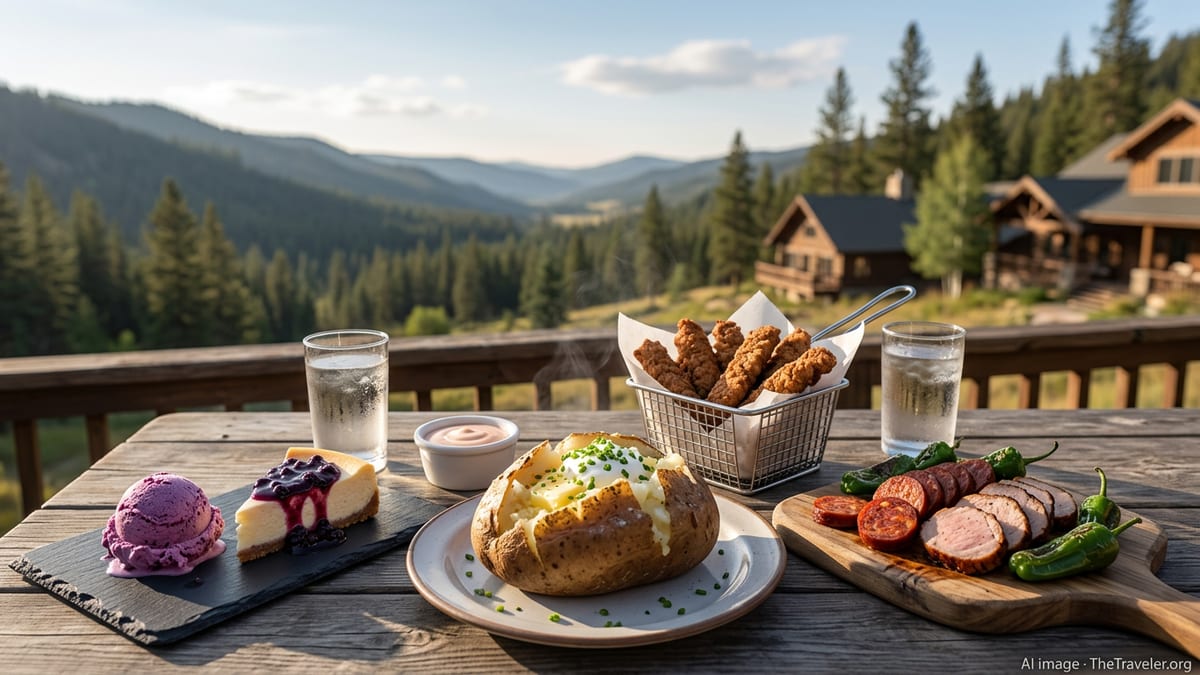
Idaho’s Food Story: From Fields to Family Tables
Idaho’s culinary identity begins in the soil. Vast stretches of volcanic, mineral rich ground and snow fed irrigation canals make the state one of the country’s most productive potato regions, especially for russet varieties that bake up with crackling skins and fluffy interiors. Potatoes appear on just about every menu, but locals also point with pride to regional beef, trout, morels and other mountain ingredients that anchor traditional comfort dishes.
Food in Idaho has always been tied to work and weather. Generations of ranchers, loggers and miners needed hearty meals that could fuel long days in cold conditions, so dishes often lean rich and filling rather than fussy. That is part of the charm. Even in cities like Boise or Coeur d’Alene, you will find an easygoing tone in dining rooms and a willingness to experiment with familiar ingredients in new ways, from gourmet fry houses to elevated interpretations of church potluck classics.
Layered onto this agricultural backbone is the distinctive influence of immigrant communities, especially Basque families who arrived from the Pyrenees region of Spain and France to herd sheep in Idaho’s interior. Over time they built boarding houses, boardinghouse style restaurants and social clubs, bringing with them chorizo, lamb stews and a culture of long, convivial meals. Their cooking has become so woven into everyday life that a Basque sandwich or a plate of croquetas now feels as “Idaho” as a loaded baked potato.
Finally there are the wild foods that still define the seasons, none more beloved than huckleberries. In summer, families head for the mountains with buckets while roadside stands and ice cream shops fill their cases with berry flavored treats. When you add those sweet tart desserts to the state’s Basque heritage dishes and potato innovations, you get a food scene that is far more varied than the old potato jokes suggest.
Potato Culture: Classics, Comfort Dishes and Clever Twists
No trip to Idaho is complete without eating potatoes in more than one form. The simplest is often the most satisfying: a large russet baked until the skin is crisp and the inside is almost cloudlike, then split open and piled with butter, sour cream, chives and sometimes local bacon. Roadside diners, steak houses and even museum cafes take pride in doing this basic dish well, and you will quickly see why Idaho’s state vegetable has a near mythic status.
Beyond the baked potato, restaurants throughout the state lean into potato based comfort dishes. Scalloped and au gratin potatoes are common on holiday and Sunday dinner tables, with layers of thinly sliced tubers baked in cream, cheese and onions until the top turns golden and bubbly. Hash brown casseroles and “funeral potatoes” built on shredded or cubed potatoes, cheese and a crunchy topping often show up at family gatherings and potlucks, and several cafes serve them year round as stick to your ribs breakfast sides.
There is also a playful streak in how Idaho uses its signature crop. Fry centric eateries offer a choice of potato variety, cut and dipping sauces, letting you compare thick hand cut russets with thinner shoestrings or curly fries paired with flavored aiolis. Potato skins loaded with cheese, green onions and bacon are a nostalgic starter that still appears on many pub menus. In some towns, wedges known as “jojos” are fried to order in deli kitchens and served alongside fried chicken, a Pacific Northwest tradition that Idaho has happily embraced.
Travelers willing to explore a little will find even more inventive takes, from potato beignets and gnocchi to pies built on layers of scalloped potatoes and cheese. The Idaho Potato Museum’s café in Blackfoot underscores just how far creativity can go, with potato bread, chocolate dipped potato chips and other themed items that play up the state’s signature ingredient. Taken together, these dishes make it clear that in Idaho the potato is not a side note but a canvas.
Finger Steaks, Fry Sauce and Other Only in Idaho Bites
While potatoes get most of the national attention, locals will tell you that finger steaks are just as essential to the Idaho experience. Often credited to mid century Boise restaurants, these are strips of beef, usually from tender cuts, that are breaded or battered and deep fried until golden. Think of them as Idaho’s answer to chicken tenders. They are typically served with French fries and a dipping sauce, sometimes a creamy cocktail style blend, sometimes the ubiquitous fry sauce that shows up with many fried foods in the state.
Fry sauce itself is another regional hallmark. At its simplest, it is a mix of mayonnaise and ketchup, but Idaho versions often add spices, pickle brine or a touch of sweetness. Burger joints, drive ins and even gas station counters stock squeeze bottles or serve cups of the pinkish sauce alongside baskets of fries, tater tots and finger steaks. Ordering a side of fry sauce is a small but satisfying way to eat like a local, especially if you grew up somewhere that only offered ketchup.
Idaho’s appetite for deep fried novelties does not end there. Rocky Mountain oysters, or deep fried bull testicles, appear on some small town bar menus as a kind of culinary dare that turns out to be less intimidating than it sounds, with a texture somewhere between calamari and a firm sausage. Diners also encounter oversized chicken fried steaks, house made sausages and hearty burgers that lean into local beef. Throughout, you will notice a preference for generous portions and unfussy presentation, a reflection of the state’s working class roots.
On the sweet side, the state has developed a sense of humor about its potato reputation. The best known example is the “ice cream potato,” a dessert that mimics the look of a baked potato right down to the dusting of cocoa “skin” and whipped cream “sour cream.” It is built on scoops of vanilla ice cream shaped into an oval, rolled in cocoa powder or cookie crumbs and served in a dish with toppings like chocolate sauce, nuts and cookie crumbles. Several Boise spots are known for serving this treat, and visitors often describe it as both kitschy and genuinely delicious.
Inside Idaho’s Basque Food Heritage
Basque food is one of the most distinctive threads in Idaho’s culinary fabric, especially in and around Boise. Beginning in the late nineteenth and early twentieth centuries, Basque immigrants arrived from Spain and France to work as sheepherders, ranch hands and laborers. Many settled in boarding houses that provided not only beds but also hearty meals built around lamb, beans and sturdy breads. Over time, these boarding houses evolved into restaurants and social centers that preserved language, music and recipes.
Today Boise’s Basque Block and surrounding neighborhoods remain at the heart of this tradition. Restaurants and bars serve a mix of traditional Old World dishes and Idaho specific adaptations, often in a relaxed, tavern like setting. You might find yourself seated at a long communal table with locals tucking into family style platters, or at the bar sharing small plates known as pintxos. The food tends to be robust but not overly complex, with straightforward preparations that let good ingredients and olive oil, garlic and peppers shine.
Signature Basque inspired Idaho dishes include chorizo sandwiches made with locally produced sausages, often seared and tucked into crusty rolls with grilled onions and peppers. Solomo, marinated pork loin seasoned with paprika and garlic, is another staple, sometimes served as a sandwich and sometimes sliced alongside roasted peppers. Lamb features prominently too, in slow braised stews and roasted cuts that pay homage to the sheepherding past. At many establishments, croquetas filled with béchamel and bits of ham or chicken arrive at the table hot and crisp, an ideal introduction for first time visitors.
Equally important is the way meals unfold. Basque feasts in Idaho are as much about conversation and community as they are about what is on the plate. Multi course dinners might start with soup and salad, move to paella or a grilled meat course and finish with simple desserts and coffee. At festivals and gatherings, large outdoor grills and paella pans fill courtyards with smoke and laughter as families catch up. For travelers, sharing one of these meals offers insight into how an immigrant community helped shape the broader food identity of the state.
Basque Specialties to Seek Out in Boise and Beyond
If you are planning a food focused visit, it helps to know the Basque specialties that appear most often on Idaho menus. Chorizo is the most omnipresent. Idaho producers make links that are typically milder than some Spanish versions yet still rich with paprika and garlic. Restaurants serve them grilled on their own, sliced over beans, tucked into sandwiches or paired with eggs for breakfast. Order at least one chorizo dish during your trip to understand why locals speak of it with such affection.
Another must try is solomo, the marinated pork loin that has become an Idaho Basque classic. Slices of pork are seasoned, often overnight, then grilled until just cooked through and served with peppers or onions. In sandwich form, solomo combines nicely with a swipe of aioli or simple mustard. On a plate, it might be accompanied by fried potatoes or pimientos, those blistered green peppers tossed in olive oil and salt that add a pleasant smoky bitterness to the meal.
For something more communal, look for restaurants that offer paella or family style dinners. While paella is not unique to Idaho, it takes on local character when made for large gatherings on the Basque Block or in small town Basque halls, sometimes paired with Idaho wines or regional beers. Traditional bean dishes also make frequent appearances, including red beans cooked slowly with chorizo or white beans with cured ham, both perfect on cold evenings.
Do not skip the smaller bites either. Croquetas, tortilla de patata (a thick potato and egg omelette cut into wedges), marinated olives and simple bocadillos or small sandwiches make excellent introductions if you are short on time or appetite. Pair them with a glass of Basque cider or a house red wine and you will get a compact yet vivid taste of this community’s imprint on Idaho dining.
Huckleberries: Idaho’s Wild Treasure
Ask Idaho residents what flavor best represents their state and many will answer huckleberry. These small, intensely flavored wild berries thrive in the mountain regions of Idaho, often at higher elevations where cool nights and acidic soils suit them. They look similar to blueberries but tend to be darker, with a more complex, winey flavor that balances sweetness and tang. Because they grow wild rather than in large scale commercial farms, their availability can feel fleeting and special.
Huckleberry season in much of Idaho typically runs from mid June through August depending on elevation and yearly conditions. During those months, families and foragers head for the hills with buckets, keeping favorite picking spots a closely guarded secret. Regulations vary by forest and region, and in some areas commercial harvesting is restricted, which helps keep the focus on personal use and traditional gathering rather than large scale sales. For visitors, this means that fresh huckleberries often show up first in mountain towns, farm stands and small local markets rather than big supermarkets.
The aura around huckleberries goes beyond flavor. They are woven into stories of summer camping trips, foraging outings and multi generational traditions. Parents teach children how to recognize the shrubs, watch out for wildlife and leave enough berries on each bush to support birds and bears. Even if you never pick them yourself, you will quickly notice how the word “huckleberry” appears on roadside signs and café boards once the season begins.
Because supply can be inconsistent and weather dependent, many Idaho businesses freeze berries or turn them into sauces and syrups to serve year round. This means that even if you visit in shoulder seasons, you are still likely to encounter huckleberry flavors in desserts, drinks and breakfast items. When you see them, make a point of ordering; these dishes capture a taste of Idaho’s high country that is difficult to find elsewhere.
Huckleberry Desserts and Sweet Treats You Should Try
The most common introduction to huckleberries for travelers is ice cream. Scoop shops across the state, especially in resort towns and tourist centers, serve huckleberry ice cream swirled with whole berries or ripples of jam. The color ranges from pale lavender to deep violet, and the flavor stands out even among more familiar fruit options. Milkshakes and soft serve twists are just as popular, and during peak season you may see temporary signs advertising limited runs of huckleberry cones.
Restaurants and bakeries also fold huckleberries into more elaborate desserts. Cheesecakes topped with glossy huckleberry sauce, shortcakes layered with berries and whipped cream, and rustic pies or crisps made with huckleberry fillings all appear on menus throughout the state. In mountain lodges, it is common to find huckleberry cobblers served warm with a scoop of vanilla ice cream, the berries bubbling under a biscuit or crumble topping. These desserts highlight the fruit’s natural tartness and create a satisfying contrast with sweet, rich bases.
Beyond baked goods, huckleberries flavor syrups, jams, cordials and candies. Gift shops often stock jars of huckleberry jam and jelly, perfect for spreading on breakfast toast or stirring into yogurt. Huckleberry honey blends, fruit syrups for pancakes and waffles, and even huckleberry infused caramels or chocolates give travelers easy ways to bring the taste home. Some distilleries and breweries incorporate the fruit into liqueurs, ciders or seasonal beers that echo the same mountain berry character.
For a uniquely Idaho experience, look for spots that combine the state’s food icons. A huckleberry topping on an ice cream potato, for instance, or huckleberry sauce drizzled over a slice of Basque style burnt cheesecake nods to multiple local traditions in a single dessert. Even a simple huckleberry lemonade or Italian soda at a café can create a lasting sensory memory of your time in the Gem State.
Planning Your Idaho Food Trip
Putting all of these elements together into an itinerary is part of the fun. Boise is the most obvious starting point, with its dense cluster of Basque restaurants, food focused neighborhoods and playful takes on potato and huckleberry dishes. Spend time on the Basque Block sampling chorizo, solomo and croquetas, then seek out diners or drive ins known for finger steaks and ice cream potatoes. Coffee shops and bakeries in the city also lean into huckleberry flavors when the season allows, whether in pastries or specialty drinks.
From there, expanding into smaller cities and rural areas offers a different perspective on Idaho food. Eastern Idaho gives you proximity to the heart of potato country and attractions like the Idaho Potato Museum, where café menus pay homage to the state’s best known crop. Northern and central Idaho bring you closer to mountain huckleberry habitat and to river towns and resort communities that celebrate the berry with annual festivals, markets and dessert specials.
Regardless of where you go, the key is to pay attention to local recommendations. Ask servers which dishes their kitchen is proudest of, and do not be shy about ordering something unfamiliar like Rocky Mountain oysters, a Basque lamb stew or a new riff on funeral potatoes. In many cases, these are the plates that tell the clearest story about where you are. Keep an eye out, too, for seasonal specials involving morels in spring, fresh corn and tomatoes in late summer and hearty stews and casseroles in fall and winter.
Because Idaho’s food culture has grown out of family recipes, church suppers and neighborhood taverns as much as from high end restaurants, some of your most memorable meals may happen in modest surroundings. A small town bar serving impeccable finger steaks, a roadside stand selling huckleberry milkshakes or an unassuming café with perfect baked potatoes can be as revealing as any fine dining reservation. The reward for curiosity is a deeper connection to the places and people you meet along the way.
The Takeaway
Idaho’s food scene is a blend of agricultural abundance, immigrant heritage and wild mountain flavor. Potatoes remain at the center of the story, but they share the stage with Basque chorizo and solomo, deeply rooted comfort dishes and an entire universe of huckleberry desserts. Eating your way across the state means moving from steaming baked potatoes and crisp finger steaks to communal Basque feasts and berry stained summer treats, all within a landscape that feels both expansive and intimate.
What stands out most is the sincerity behind the food. Whether you are biting into a chorizo sandwich on Boise’s Basque Block, tackling an ice cream potato at a drive in or savoring a slice of huckleberry pie in a mountain café, you are tasting the result of long traditions adapted to a particular place. Idaho’s famous foods are not just marketing slogans. They are everyday favorites that locals return to again and again and that travelers remember long after the trip is over.
FAQ
Q1. What foods is Idaho best known for?
Idaho is most famous for its russet potatoes, but locals also highlight finger steaks, Basque dishes like chorizo and solomo, and huckleberry desserts as essential tastes of the state.
Q2. What exactly are Idaho finger steaks?
Finger steaks are strips of beef, usually from tender cuts, that are breaded or battered and deep fried. They are typically served with fries and dipping sauces such as fry sauce and are considered a uniquely Idaho bar and diner specialty.
Q3. Where can I try Basque food in Idaho?
The strongest concentration of Basque restaurants is in Boise, especially around the Basque Block, but Basque influenced dishes and boardinghouse style meals can also be found in several smaller Idaho towns with historic Basque communities.
Q4. What Basque dishes should I order first?
First time visitors often start with a grilled Basque chorizo sandwich, solomo or marinated pork loin with peppers, croquetas, and a hearty lamb or bean stew. These plates give a good overview of Idaho’s Basque flavor profile.
Q5. When is huckleberry season in Idaho?
Huckleberry season usually runs from mid June through August, depending on elevation and yearly weather. During that time you will see fresh berries, pies and ice creams featured in mountain towns and local cafés.
Q6. Can I pick my own huckleberries while visiting?
In many parts of Idaho, individuals can forage small amounts of wild huckleberries for personal use, but rules vary by forest and region, and some areas restrict commercial level picking. Always check local guidelines and practice responsible foraging.
Q7. Are huckleberry desserts available year round?
Fresh huckleberry desserts are most common in summer, but many Idaho businesses freeze berries or turn them into jams and sauces, allowing them to serve huckleberry cheesecakes, syrups and ice creams into the cooler months.
Q8. What is an ice cream potato?
An ice cream potato is a playful Idaho dessert that looks like a baked potato. It is made by shaping vanilla ice cream into an oval, rolling it in cocoa or cookie crumbs to resemble potato skin and topping it with whipped cream and other garnishes.
Q9. Is Idaho food suitable for vegetarians?
Yes. While many signature dishes feature beef or pork, Idaho’s potato focus means there are plenty of vegetarian options, including baked potatoes with various toppings, scalloped potatoes, Basque tortilla de patata, salads, vegetable sides and some huckleberry desserts.
Q10. How can I plan a food focused road trip in Idaho?
Start in Boise for Basque food, finger steaks and inventive potato dishes, then head east toward potato country and north into huckleberry regions. Ask locals for their favorite diners, drive ins and cafés, and look for seasonal specials that showcase regional ingredients.