

Eating in India is as memorable as visiting the Taj Mahal or watching the Ganges at sunrise. The country’s food culture is vast, layered and deeply regional, ranging from buttery North Indian curries to coconut-laced coastal stews and tangy street snacks served at crowded corners. For travelers, knowing what to order and how to eat safely can transform every meal into a highlight rather than a gamble.
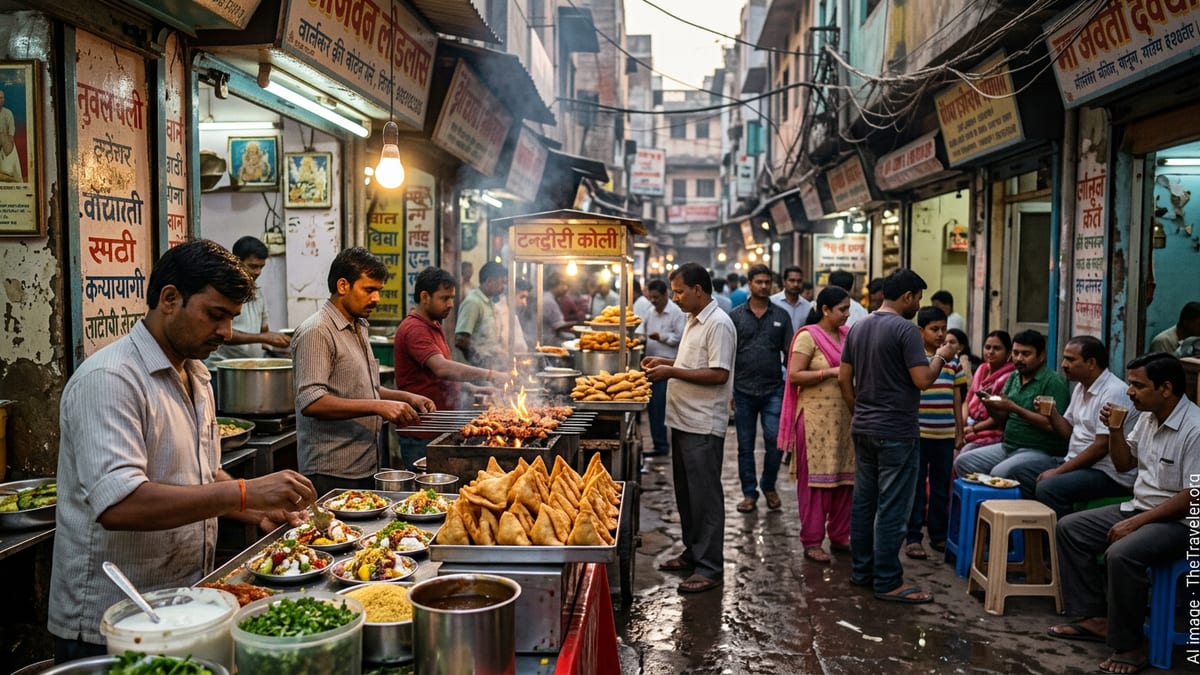
Understanding Indian Food Culture as a Traveler
For visitors, the first surprise in India is often that there is no single “Indian food.” The country’s cuisines shift dramatically from state to state and even city to city, shaped by climate, religion, history and local produce. A Punjabi thali in Amritsar, a seafood feast in coastal Kerala and a vegetarian platter in Gujarat can feel like entirely different culinary worlds. Approaching India as a mosaic of regional food cultures helps you make sense of menus and street stalls while traveling.
Dining in India is also strongly tied to hospitality. Guests are often encouraged to eat more, plates are refilled frequently and meals are shared rather than individually plated. In many homes and some traditional restaurants, food is still eaten with the right hand, particularly in the South and East, while the left hand is kept away from the plate. Cutlery is common in most urban restaurants, but understanding these customs and being open to them can enrich the experience.
Spice is another aspect that shapes expectations. Indian food is not always extremely hot, but it is almost always richly seasoned. Spices like cumin, coriander, turmeric, cardamom, cinnamon and cloves are used to build layers of flavor rather than simply add heat. If you are sensitive to chili, you can politely ask for food to be made “less spicy,” though in busy establishments this request is not always guaranteed.
For many travelers, concerns about food safety sit alongside curiosity. While there is genuine risk of stomach upsets, especially when your digestive system is adapting to new microbes, that does not mean you must avoid local food. Choosing where and what you eat with care, starting slowly and following basic hygiene rules will usually allow you to enjoy India’s full spectrum of tastes without losing days of your trip to an upset stomach.
Must-Try Classic Indian Dishes
Across India you will encounter a handful of dishes that have become staples on restaurant menus at home and abroad. Sampling them in their home country provides a useful starting point, even if they are not always the most adventurous choices. In the North, dishes such as butter chicken, dal makhani, palak paneer and chole bhature are emblematic of Punjab and Delhi, centered on wheat breads, slow-cooked lentils and creamy, tomato-based gravies. Eaten with pillowy naan or layered parathas, they offer comforting flavors that are rich without being overwhelmingly hot.
Travelers heading south soon encounter a very different set of classics. The South Indian dosa is a paper-thin, fermented rice-and-lentil crepe, often filled with spiced potatoes and served with sambar, a tangy lentil stew, and coconut chutneys. Idli, soft steamed rice cakes, are another breakfast staple, especially in Tamil Nadu and Karnataka, and are gentler on sensitive stomachs. Vada, savory fried fritters, often accompany morning coffee at bustling neighborhood stalls. These dishes rely more heavily on rice, lentils, curry leaves and coconut, with flavors that range from mild to assertively tangy.
In western India, particularly Maharashtra and Gujarat, travelers soon learn the names pav bhaji and vada pav. Pav bhaji consists of a buttery, mashed vegetable curry served with toasted bread rolls, while vada pav is sometimes described as a vegetarian burger: a spiced potato patty tucked into a bun with chutneys and fried chilies. In the East, especially West Bengal and Odisha, classics such as fish curry cooked with mustard and yogurt, fluffy luchi (fried bread) and sweets like rasgulla and sandesh showcase a pronounced love of river fish, dairy and desserts.
Vegetarian food deserves special note. Large parts of India, notably Gujarat, Rajasthan and many pilgrimage towns, have predominantly or entirely vegetarian restaurant scenes. Far from being limiting, this opens up an enormous range of lentil dishes, paneer preparations, vegetable curries and snacks that feel complete and satisfying. For travelers wary of meat handling practices at small stalls, choosing vegetarian dishes is also a practical way to reduce risk while still eating locally.
Street Food in India: What to Try and How to Stay Safe
Indian street food is one of the country’s great joys. From chaat vendors in Mumbai and Delhi to dosa carts in Chennai and jhal muri sellers in Kolkata, much of India’s liveliest cooking happens outdoors, in front of your eyes. Street snacks are usually affordable, intensely flavored and deeply rooted in local neighborhoods, making them a powerful window onto daily life. Many travelers describe their first bite of pani puri, their first plate of aloo tikki or their first cup of street-side chai as defining trip memories.
The key question for visitors is how to enjoy these foods without falling ill. Food safety experts and experienced travelers tend to repeat a few consistent principles. First, choose stalls that are busy with local customers and where food is cooked or assembled to order, rather than sitting in large trays. High turnover usually means fresher ingredients and less time for bacteria to multiply. Second, pay attention to basic cleanliness: how the vendor handles money, whether utensils look reasonably clean and whether food is covered between orders.
Water is a primary source of stomach trouble for visitors, so treat anything involving untreated water with caution. That includes the flavored water used in some pani puri, ice in drinks, fresh juices diluted with tap water, and raw salads that may have been washed in it. Many seasoned travelers stick to hot beverages like masala chai and coffee at street stalls, since boiling reduces risk, and choose street foods that are thoroughly cooked and served piping hot. If you are tempted by pani puri or similar snacks, look for vendors known for good hygiene and do not hesitate to walk away if something feels off.
It is also worth pacing yourself, especially in your first days in India. Even perfectly safe food can upset a stomach that is adjusting to new spices, fats and microbes. Start with less complex dishes, avoid overloading on very oily or deep-fried items and carry basic medication recommended by your doctor for mild stomach upsets. If you have a sensitive gut or specific health conditions, you may prefer to explore street food via reputable food tours, which often vet their vendors and build in hygiene checks while still offering an authentic experience.
Regional Flavors: North, South, East, West and Beyond
India’s size and diversity mean that regional food differences are among the most striking in the world. In the North, particularly Punjab, Haryana, Himachal Pradesh and parts of Uttar Pradesh, wheat is a staple and dairy is abundant. You will encounter rich gravies made with ghee, cream and yogurt, tandoori breads cooked in clay ovens, hearty lentils and kebabs influenced by Mughal and Persian traditions. Cities such as Amritsar, Delhi and Lucknow are especially famous for their food, from stuffed kulcha to slow-cooked biryani and melt-in-the-mouth kebabs.
Move south into Tamil Nadu, Karnataka, Kerala and Andhra Pradesh, and the plate shifts to rice, fermented batters, coconut, curry leaves and tamarind. Coastal areas, particularly in Kerala and along the Konkan coast, feature seafood prepared with coconut milk, black pepper and local spices. Inland, vegetarian temple cuisines flourish, often avoiding onion and garlic and focusing on subtle seasoning. Andhra and Telangana are known for some of the country’s fieriest dishes, so spice-sensitive travelers may want to ask about heat levels before ordering.
To the west, Rajasthan, Gujarat and Maharashtra offer yet another palette. Rajasthan’s arid climate historically limited fresh produce, so dishes evolved to make use of pulses, ghee and dried ingredients, such as dal baati churma and gatte ki sabzi. Gujarat is largely vegetarian and favors a distinctive balance of sweet and sour in everyday dishes, often pairing mild spicing with jaggery or sugar. Maharashtra’s cuisine spans from the coastal Konkan region, with its coconut-rich fish curries, to the street foods and home-style vegetables of Mumbai and Pune.
Eastern India, including West Bengal, Odisha, Assam and other Northeastern states, tends to be less familiar to many visitors yet is richly rewarding. West Bengal is noted for its fish cooked in mustard oil, soft milk-based sweets and subtle use of whole spices. Further northeast, tribal and hill cuisines rely more on fermenting, smoking and steaming, with dishes centered on local greens, bamboo shoots and meats. Because these regions are more sparsely visited, you may find fewer English-language menus, but homestays and local guides can be particularly helpful in navigating their food scenes.
Breakfast, Lunch and Dinner: How Indians Eat Through the Day
Understanding typical meal patterns in India helps you plan your eating strategy. Breakfast is often hearty, especially in the South and West, where dosa, idli, poha and upma are common. In the North, stuffed parathas with yogurt and pickles, chole bhature and simple bread with eggs or tea are frequent options. At hotels and guesthouses, you may find both Indian and continental breakfasts, offering a choice between local dishes and milder options like toast, eggs and fruit.
Lunch in many parts of India revolves around the thali, a complete meal on a single plate featuring rice or bread, several vegetable preparations, lentils, pickles and often yogurt or buttermilk. Thalis can be vegetarian or include meat or fish, depending on region and restaurant. For travelers, they are a practical introduction to multiple flavors in one sitting and can be shared if portions feel large. Office-goers in big cities may opt for lighter lunches ordered via tiffin services, but visitors will typically find restaurant thalis or simple rice-and-curry sets easy to navigate.
Dinner in India is frequently eaten later than in many Western countries, often starting around 8 or 9 p.m., especially in cities. Evening is also prime time for snacks: people may meet for chaat, samosas, pakoras or rolls, washed down with tea or soft drinks, before or instead of a full meal. As a traveler, you can build a flexible rhythm of one major meal, a lighter meal and a substantial snack, depending on your schedule and tolerance. In hotter months it can be pleasant to eat a more modest lunch and a fuller dinner after the heat eases.
Between meals, tea culture is pervasive. Masala chai, usually made with milk, tea leaves, sugar and spices like ginger and cardamom, is served in small glasses or clay cups at stalls and cafes throughout the day. Coffee is especially popular in southern states, where filter coffee made with chicory blends is poured theatrically between metal tumblers for a frothy finish. Sampling these daily beverages at modest, crowded shops often feels less risky than diving straight into complex street snacks and offers a gentler entry point into local everyday life.
Practical Food Safety and Hygiene Tips
Concerns about “Delhi belly” are understandable, but with a few practical habits you can dramatically lower your chances of serious food-borne illness. The most fundamental rule is to treat water carefully. Drink only from sealed bottled water or water you are certain has been filtered and boiled. Avoid ice in drinks unless you trust the establishment, and be cautious with fresh juices and lassis from small street stalls, which may be diluted with tap water or stored without refrigeration.
When choosing where to eat, look for indicators of good practice rather than perfection. Busy restaurants and stalls with constant turnover are safer than quiet places where food sits for long periods. Food that is cooked thoroughly and served hot is generally safer than items that are only warmed or served at room temperature. Buffets, while convenient, can sometimes pose higher risk if food is not kept at proper temperatures, so plated meals made to order are often a better bet in mid-range restaurants.
Your own habits matter as well. Washing or sanitizing your hands before eating is especially important in India, where you may often touch food directly. Avoid uncooked salads and pre-cut fruit from street vendors unless you can peel it yourself; fruits like bananas, oranges and mangoes that you peel are less risky than grapes or apples that may have been washed in untreated water. If you decide to experiment with street food, start with vegetarian items and small portions, monitor how you feel and adjust accordingly.
Listening to local advice can be invaluable. Hotel staff, homestay hosts, guides and even fellow passengers on trains often have strong opinions about which stalls and small restaurants are both delicious and trustworthy. They know which places maintain a good reputation and which to avoid. Combine their guidance with your own judgment about cleanliness and crowd patterns. Finally, consult your doctor before travel about carrying basic medication and, where appropriate, preventive measures for travelers’ diarrhea, so that mild issues do not derail your trip.
How to Order and Eat Like a Local
Navigating menus and dining customs in India can feel intimidating at first, but a few pointers make it easier. At restaurants, dishes are commonly served “family style” to share, with rice or breads ordered separately. A classic approach is to choose one or two curries, a lentil dish, bread or rice and perhaps a side of vegetables or a dry fry. In busy places, staff are often happy to suggest portions for your group size and recommend house specialties; letting them know your spice tolerance at the outset can help steer you toward suitable options.
In more traditional settings and many South Indian eateries, you may be served on a stainless steel plate or a banana leaf with multiple small portions arranged around rice. Eating with your right hand is standard here. The basic technique is to mix a bit of curry with rice or tear off a piece of bread, use your fingers to gather a bite-sized portion and gently push it into your mouth with your thumb. It may take a little practice, but locals generally appreciate the effort and you can always ask for a spoon if you are uncomfortable.
Language need not be a major barrier in most tourist areas, as staff in many restaurants speak at least some English. Still, you will occasionally encounter menus without descriptions or staff with limited English. In these situations, it helps to learn a few key dish names in the region you are visiting and to observe what others at nearby tables are eating. Pointing politely and asking, “What is that dish?” or “Is this vegetarian?” is widely understood.
Finally, remember that tipping practices in India are modest by some international standards but still appreciated. In many restaurants, especially in larger cities, a small tip of around 5 to 10 percent on top of the bill is considered courteous if service has been good. At small street stalls, tipping is not expected, but leaving a few extra rupees or expressing genuine appreciation can go a long way toward positive interactions, especially if you plan to return to the same vendor during your stay.
The Takeaway
Eating in India is a journey through a vast and intricate food landscape rather than a simple checklist of famous dishes. From North Indian tandoori grills and rich lentils to South Indian dosas and coastal fish curries, from western street snacks to the subtle sweets and fish of the East, each region offers something distinct. Approaching that variety with curiosity, respect and a few sensible precautions allows you to experience the country at its most vivid and intimate.
If you prioritize busy, clean-looking places, favor freshly cooked and piping-hot food, treat water with care and start gradually with both spices and street snacks, you can greatly reduce the risk of serious stomach issues. At the same time, allowing yourself to taste beyond the most familiar dishes, trying thalis, regional breakfasts and neighborhood specialties, will reward you with the kind of memories that linger long after monuments and museums fade.
In the end, what you eat in India shapes how you remember it. Sitting on a plastic stool under flickering lights while a vendor assembles chaat, sipping morning filter coffee in a crowded South Indian cafe or sharing a thali with new friends are all part of the story. With informed choices and a flexible appetite, India’s food can become the most compelling chapter of your trip.
FAQ
Q1. Is it safe to eat street food in India as a foreign traveler?
It can be reasonably safe if you choose busy stalls, focus on freshly cooked food served hot, avoid risky items involving untreated water and start slowly to see how your body reacts.
Q2. What are some beginner-friendly Indian dishes if I am not used to spicy food?
Milder options often include butter chicken, dal tadka, palak paneer, idli with sambar, plain dosa, simple vegetable pulao and yogurt-based dishes like raita or kadhi.
Q3. How can I tell if a restaurant or stall is hygienic?
Look for steady crowds of local customers, clean-looking cooking surfaces and utensils, food that is covered between orders and dishes cooked to order rather than left sitting out.
Q4. Should I avoid meat and seafood while traveling in India?
You do not have to, but choosing vegetarian dishes at small stalls and reserving meat or seafood for reputable restaurants with good turnover is a cautious approach many travelers follow.
Q5. Can I drink tap water in India if it looks clear?
No, visitors are generally advised to drink only sealed bottled water or water they know has been properly filtered and boiled, regardless of how clear tap water looks.
Q6. What Indian breakfast dishes are gentle on the stomach?
Steamed idli, plain dosa with sambar, upma made from semolina, poha with minimal chili and simple curd rice are often considered relatively light and easy to digest.
Q7. How do I ask for less spicy food in India?
You can say “less spicy please” or “no chili please” when ordering; many staff understand these phrases, especially in tourist areas, though results can vary by kitchen.
Q8. Are desserts and sweets in India safe to try?
Most cooked sweets from established shops are generally safe, though it is wise to buy from popular places with high turnover and to be cautious with dairy-based items in very hot weather.
Q9. What should I do if I get an upset stomach from the food?
Rest, hydrate with safe fluids, eat very plain foods and use over-the-counter medication recommended by your doctor; seek medical care promptly if symptoms are severe or persist.
Q10. Is it rude if I prefer using a fork and spoon instead of my hands?
Not usually; many restaurants provide cutlery and are used to foreign guests. In more traditional places you can politely ask for a spoon or simply follow the local style if you feel comfortable.