

In Indiana, food is as much about identity as it is about appetite. From oversized pork tenderloin sandwiches that spill far beyond their buns to humble slices of sugar cream pie served in small-town diners, the Hoosier State has built a distinctive table out of Midwest staples and immigrant traditions. Travelers who look beyond the interstates and chain restaurants will find a surprisingly rich food culture, rooted in farm country and shaped by generations of home cooks, church suppers, county fairs, and mom-and-pop cafés.
The Flavors That Define Indiana
Indiana rarely shouts about its food, but it quietly delivers some of the most memorable plates in the Midwest. This is a state where cornfields stretch to the horizon, pork is a point of pride, and dessert might be something as unassuming as a slice of custard pie. What sets Indiana apart is the way local cooks take basic ingredients and transform them into dishes that feel deeply comforting yet instantly distinctive.
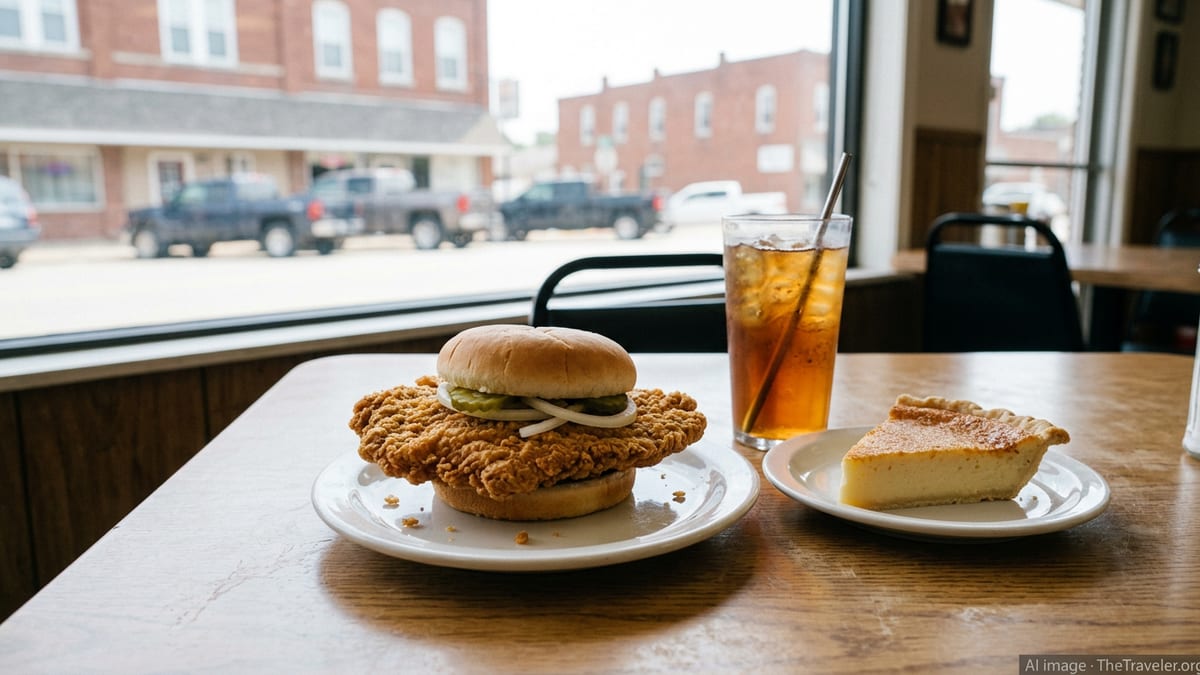
Two specialties stand above the rest: the breaded pork tenderloin sandwich and sugar cream pie. The first is Indiana’s unofficial state sandwich, a golden pork cutlet pounded thin and fried crisp, typically served on a bun that looks comically undersized. The second is a simple, rich, vanilla-scented pie that has become synonymous with Hoosier hospitality. Together, they capture the state’s love of generous portions, straightforward flavors, and unfussy presentation.
Beyond these classics, Indiana offers a broader repertoire that reflects its agricultural heritage and diverse communities. From pork and sweet corn in summer to chili ladled over spaghetti in winter, the Hoosier table follows the seasons and leans on locally grown produce and regionally raised meat. For travelers, that means no matter the time of year, there is a distinctly Indiana dish waiting to be tried.
Exploring Indiana through its food is as much about the journey as the destination. The best bites are often found in small-town diners, taverns on courthouse squares, drive-ins along two-lane highways, and family-owned bakeries that have served the same recipes for decades. Plan on slowing down, asking locals where they eat, and being ready to adjust your route for a highly recommended sandwich or slice of pie.
Pork Tenderloin Sandwiches: Indiana’s Unofficial State Icon
If there is one dish you cannot leave Indiana without trying, it is the breaded pork tenderloin sandwich. Locals consider it an essential rite of passage. The sandwich traces its origins to the early 1900s, when a German American cook in Huntington began serving a schnitzel-style pork cutlet on a bun, a smart adaptation of Old World techniques to New World ingredients. Over time, the sandwich spread across the state, turning up on menus from gas station grills to city taverns.
At its core, the sandwich is deceptively simple. A boneless pork loin or tenderloin is sliced, pounded thin until it nearly covers a dinner plate, then soaked in a light marinade or seasoned milk and egg mixture. It is dredged in flour, coated in crumbs, and deep-fried until the exterior is crisp and golden while the meat stays juicy. The breading is usually made with saltine or cracker crumbs, which creates a coarse, shattering crunch that many Hoosiers consider nonnegotiable.
Part of the sandwich’s charm is its unbalanced proportion. In a classic Indiana version, the bun is smaller than the cutlet, leaving large arcs of fried pork hanging over the edges. The effect is both amusing and inviting. Diners typically dress the sandwich with pickles, onion, mustard, and sometimes lettuce and tomato. Ketchup and mayonnaise are popular, though purists may debate the proper condiments over a basket of fries.
No two tenderloin sandwiches are exactly alike, which turns eating your way across Indiana into a kind of informal trail. Some restaurants serve them so thin they crunch like a giant pork chip, while others keep a bit more thickness for a meatier bite. A few places grill rather than fry the tenderloin for a slightly lighter take. Wherever you go, the combination of pork, crunch, and Midwestern hospitality is what makes this sandwich feel uniquely Hoosier.
How Hoosiers Make and Eat a Pork Tenderloin Sandwich
For travelers eager to understand why this sandwich inspires such devotion, it helps to look at how it is prepared. In many independent diners and taverns, the process starts early in the morning. Cooks trim whole pork loins, slice them into medallions, and pound each piece until it reaches the characteristic plate-sized shape. Some kitchens soak the pork overnight in buttermilk or seasoned brine, adding moisture and a subtle tang before the meat ever touches hot oil.
The breading stage is crucial. Most Hoosier-style tenderloins use a three-part process: flour, egg wash, then crumbs. The crumbs might be made from crushed saltine crackers, bread crumbs, or a combination of both, often seasoned with a straightforward mix of salt, pepper, and sometimes a hint of garlic or paprika. The goal is not complex flavor, but a clean, savory crunch that highlights the pork rather than hiding it.
Once breaded, the cutlets are fried to a deep golden color and drained briefly so the crust stays crisp. The bun is usually a soft hamburger-style roll, sometimes toasted lightly. Toppings are kept traditional: dill pickles, sliced white onion, yellow mustard, shredded lettuce, and tomato in season. Many Hoosiers will tell you to eat the sandwich by folding or breaking off the overhanging edges first, almost like savoring a basket of pork fritters before you ever reach the actual sandwich center.
Eating a tenderloin in Indiana is a social experience as much as a culinary one. Locals will swap notes on their favorite spots and debate which county fair, roadside diner, or small-town bar serves the best version. For visitors, following those recommendations through different corners of the state offers a flavorful way to see Indiana’s landscapes, from city neighborhoods to rural crossroads where time seems to move more slowly.
Sugar Cream Pie: The Hoosier State’s Signature Sweet
After a hearty tenderloin, dessert in Indiana often means a slice of sugar cream pie. Frequently called Hoosier pie, it is widely regarded as Indiana’s unofficial state pie and is deeply tied to the state’s agricultural and religious history. Food historians trace its origins to Quaker communities that settled in east-central Indiana in the nineteenth century, where resourceful cooks created a satisfying dessert from pantry staples when fruit or other fresh ingredients were scarce.
Sugar cream pie is both simple and distinctive. The filling typically combines sugar, cream or whole milk, butter, and a bit of flour or cornstarch for thickening, often flavored with vanilla. Some versions are cooked on the stovetop before being poured into a blind-baked crust, while others thicken directly in the oven. The top may be dusted with nutmeg or cinnamon, which bakes into a speckled, fragrant layer. When done well, the texture is silky and custard-like without using eggs, an unusual characteristic that sets it apart from many other cream pies.
Unlike elaborate bakery showpieces, sugar cream pie looks modest in the case. Its attraction lies in the first bite: rich but not cloying, with a creamy filling that feels both indulgent and familiar. Many Hoosiers describe it as the taste of childhood, recalling slices served at family gatherings, church potlucks, or community suppers. For visitors, that understated character is part of the charm. It feels like being welcomed into a local tradition rather than being sold a trend.
Today, sugar cream pie appears everywhere from roadside diners and small-town bakeries to classic family restaurants in cities across Indiana. A handful of commercial bakeries specialize in the pie and ship it throughout the region, but there is still something special about ordering a slice in the state where it was born. If you spot it listed on a dessert board, consider it an invitation to experience a quietly iconic taste of Indiana.
Beyond Tenderloin and Pie: Other Essential Hoosier Dishes
While pork tenderloin sandwiches and sugar cream pie may headline Indiana’s culinary story, the supporting cast is just as important for understanding how Hoosiers eat. Many local dishes reflect the state’s farming roots and the influence of German, Eastern European, and Southern cooking traditions that took hold here over generations. Exploring these foods rounds out the picture of Indiana as both a classic Midwest state and a place with its own distinct flavors.
In summer, sweet corn becomes a seasonal obsession. Roadside stands pop up along rural highways and on the outskirts of towns, selling ears picked that same morning. At cookouts and festivals, corn appears grilled in its husk, boiled and slathered in butter, or shaved into salads and casseroles. Paired with local pork and fresh tomatoes, it forms the backbone of many warm-weather meals across the state.
Hearty, one-bowl comfort foods are staples when temperatures drop. Many Hoosiers grow up on chili served over spaghetti or macaroni, topped with shredded cheese and onions, a style that bridges Midwestern practicality and regional chili traditions. Chicken and noodles over mashed potatoes is another beloved dish, especially at church suppers and small-town restaurants. Although the combination can surprise visitors, it delivers the kind of stick-to-your-ribs satisfaction that defines cold-weather eating in Indiana.
Sausages, smoked meats, and dishes like pork schnitzel or fried chicken also reflect Indiana’s German and Central European heritage. At county fairs and fall festivals, you may encounter local specialties such as breaded pork fritters, corn dogs made with Indiana pork, and plates piled with potatoes and sauerkraut. Taken together, these dishes show how local cooks have long favored resourceful, filling recipes that make the most of what the land provides.
Where and How to Eat Like a Local
Finding Indiana’s best regional dishes is less about chasing famous names and more about tuning into local rhythms. In many towns, the most beloved pork tenderloin sandwich comes from an unassuming bar on a corner near the courthouse or a family restaurant tucked beside a state highway. Locals know which places hand-batter their tenderloins, which bakeries make sugar cream pie from scratch, and which diners still follow long-standing recipes.
For travelers, that means the most reliable guide is often conversation. Ask your server where they go for a tenderloin, mention to a hotel clerk that you are looking for sugar cream pie, or strike up a chat with someone sitting at the counter of a small-town café. Hoosiers are generally proud of their food traditions and happy to point visitors toward favorite spots, sometimes even debating among themselves about which tenderloin or pie is truly “the best.”
Regional differences add another layer of interest. Northern Indiana, with its mix of manufacturing towns and rural communities, is rich in drive-ins, diners, and fairgrounds that serve oversized tenderloins and hearty sides. Central Indiana, anchored by Indianapolis and its surrounding counties, tends to have the greatest variety, from neighborhood bars to modern gastropubs that put a contemporary spin on classics. In the south, you may find more overlap with Southern cooking traditions, including barbecue and skillet-fried chicken, often served alongside corn, green beans, and other local produce.
Time your visits with local events whenever possible. County fairs, town festivals, and seasonal gatherings are ideal opportunities to sample regional dishes in one place. You might follow the aroma of frying oil to a stand turning out fresh tenderloin sandwiches, then end the evening at a church booth selling slices of homemade sugar cream pie. These settings showcase not only the food itself but also the community spirit that sustains Indiana’s culinary traditions.
Seasonal Eating and Farm-to-Table Traditions
Indiana’s food culture is deeply seasonal, shaped by the rhythms of planting and harvest. Farmers markets in cities and small towns alike brim with produce from spring through fall, and many local restaurants build menus around what is most abundant at the moment. Travelers who pay attention to these cycles will often find the freshest, most flavorful versions of classic dishes.
Spring brings tender greens, asparagus, and early strawberries, which may appear in specials at diners and cafes alongside pork chops or grilled chicken. By midsummer, tomatoes, sweet corn, cucumbers, and peppers dominate farm stands, making their way into salads, side dishes, and daily blue-plate specials. Many cooks take advantage of this bounty by pairing fresh vegetables with pork in various forms, from tenderloin medallions to sausage links.
Autumn is a particularly rewarding season for food-focused travel in Indiana. Apple orchards, pumpkin patches, and harvest festivals offer cider, apple dumplings, pies, and cakes, often served with scoops of ice cream. At the same time, cooler nights call for heartier fare: pot roasts, stews, and the kind of rib-sticking dishes that make Indiana winters more bearable. In many communities, fall also marks the peak of pork processing, reinforcing the state’s long connection to hog farming and pork-based specialties.
Winter menus lean even more heavily into comfort food. Restaurants may spotlight chili, chicken and noodles, and casseroles, while bakeries double down on pies, including sugar cream versions that travel well for holiday gatherings. Throughout the year, farm-to-table restaurants and chefs who work directly with local growers add a modern layer to the state’s food landscape, showcasing familiar ingredients in new ways without losing sight of their Hoosier roots.
The Takeaway
Indiana’s food scene may not always dominate national headlines, but for travelers willing to look beyond the obvious, it offers a rich, satisfying story told through everyday dishes. The breaded pork tenderloin sandwich, with its generous proportions and crackling crust, reflects the state’s agricultural strength and German heritage. Sugar cream pie, modest in appearance yet deeply comforting, speaks to the ingenuity of early settlers and the enduring appeal of simple desserts made from basic ingredients.
Surrounding these headliners is an entire supporting cast of regional favorites, from sweet corn and chili-topped spaghetti to church-basement chicken and noodles. Together they create a portrait of Indiana as a state that values practicality, hospitality, and flavor over fuss. Eating your way across the Hoosier State means pulling up a chair at local diners, listening to recommendations, and staying open to dishes that might not be familiar but quickly feel like old favorites.
Whether you are road-tripping from Chicago to Louisville, catching a game in Indianapolis, or wandering between small towns and state parks, make time for a plate-sized pork tenderloin and a slice of sugar cream pie. These dishes are more than regional curiosities. They are edible introductions to Indiana’s history, landscape, and sense of community, served one sandwich and one slice at a time.
FAQ
Q1. What exactly is an Indiana-style pork tenderloin sandwich?
It is a boneless pork cutlet pounded very thin, breaded in a cracker or breadcrumb coating, deep-fried until crisp, and served on a relatively small bun with classic toppings like pickles, onion, mustard, and sometimes lettuce and tomato.
Q2. How is sugar cream pie different from other cream pies?
Sugar cream pie is usually made without eggs, using sugar, cream or milk, butter, and a thickener, often flavored with vanilla and topped with a light dusting of nutmeg or cinnamon for a silky, custard-like texture.
Q3. Is sugar cream pie officially recognized as Indiana’s state pie?
It is widely regarded as Indiana’s unofficial state pie and has been honored in state resolutions and tourism promotions, even though it is not written into law as an official state symbol.
Q4. Where can visitors typically find good pork tenderloin sandwiches in Indiana?
Look for independent diners, taverns, drive-ins, and small-town family restaurants, especially those that advertise hand-breaded tenderloins and have a long-standing local reputation.
Q5. Are there grilled versions of the pork tenderloin sandwich, or is it always fried?
Fried, breaded tenderloin is the classic version, but some restaurants offer a grilled pork tenderloin sandwich as a leaner alternative while still highlighting local pork.
Q6. What should I look for in a great sugar cream pie slice?
Seek a flaky or sturdy crust, a smooth, creamy filling without lumps or graininess, balanced sweetness, and a gentle flavor of vanilla and spice rather than heavy, sugary intensity.
Q7. Besides tenderloin and sugar cream pie, what other local dishes should I try in Indiana?
Travelers often enjoy sweet corn in season, chili served over pasta, chicken and noodles over mashed potatoes, pork schnitzel, sausages, and various fairground pork dishes.
Q8. When is the best time of year to explore Indiana through its food?
Late spring through fall offers the widest range of local produce, outdoor festivals, farmers markets, and county fairs, but comfort foods like tenderloin and sugar cream pie are served year-round.
Q9. Are Indiana’s regional foods suitable for families and picky eaters?
Yes, most Hoosier dishes feature familiar ingredients like pork, potatoes, noodles, and mild seasonings, making them approachable for children and travelers who prefer straightforward flavors.
Q10. Can I experience Indiana’s food culture without leaving major cities like Indianapolis?
Absolutely. Cities host many spots that serve classic tenderloins, sugar cream pie, and other regional dishes, though adding side trips to small towns and rural diners deepens the experience.