

Colorado’s reputation for big mountains and blue-sky days is well earned, but the culture that has grown up around those peaks is more nuanced than powder days and craft beer. Before you book a flight to Denver or a cabin in the Rockies, it helps to understand how Coloradans see their home, what they value, and how visitors can fit in respectfully. From outdoor etiquette and cannabis laws to local food, history and small-town norms, here is what to know about Colorado culture before you visit.
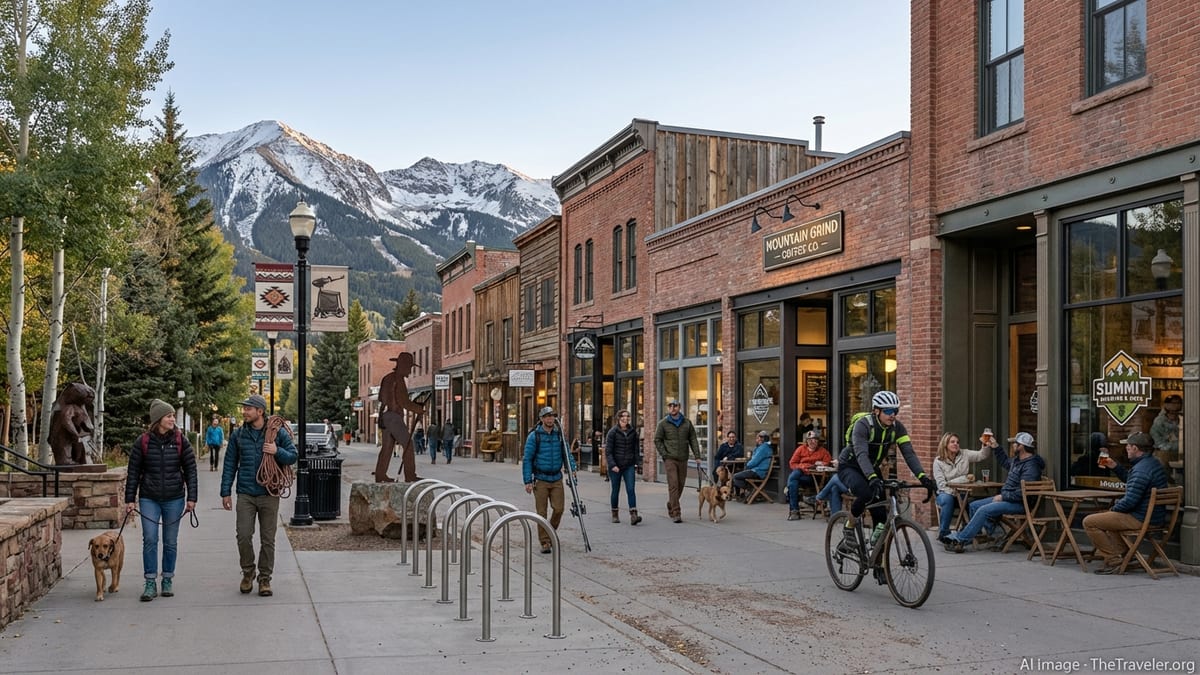
High Country Attitude: Relaxed but Not Careless
Colorado is often described as laid-back, and on the surface that is true. People dress casually, even in cities, and it is common to see residents head from the office straight to a trailhead or brewery in the same clothes. In many places, nobody will blink if you show up to dinner in hiking pants or a ski jacket. That relaxed appearance, though, hides a culture that values punctuality, personal responsibility and thoughtful planning, especially when it comes to the outdoors and winter weather.
Visitors sometimes mistake the easygoing vibe for a lack of structure. In reality, most Coloradans juggle work, family and recreation on very tight schedules. If you make plans with locals, show up on time and be prepared for them to leave promptly for their next activity, whether that is a climbing session or a child’s soccer game. The same expectation applies to guided tours or restaurant reservations, where no-nonsense efficiency runs beneath the friendly small talk.
That blend of calm and competence is partly a product of living with dramatic weather and terrain. In winter, storms can roll over the Rockies quickly, and in summer, afternoon thunderstorms are common in the high country. Residents learn to check forecasts, carry extra layers and think ahead about transportation and safety. Visitors who mirror that mindset tend to have better experiences and fewer surprises.
Outdoor Obsession and Trail Etiquette
Outdoor recreation is central to Colorado culture. From Denver’s front-range suburbs to small mountain towns, daily life is organized around access to trails, rivers and ski areas. Hiking, mountain biking, skiing, snowboarding, fly-fishing and climbing are not niche hobbies but mainstream ways to spend time with friends and family. The result is a strong sense of shared ownership of public lands, along with clear expectations about how people should behave outdoors.
On multi-use trails, basic etiquette is taken seriously. The common rule is that downhill users yield to uphill hikers or bikers, and cyclists yield to pedestrians and equestrians. Many communities reinforce norms such as staying to the right, passing on the left and announcing “on your left” when overtaking someone. Cities and counties increasingly post speed guidelines on paved paths and ask users to keep dogs leashed, pick up waste and avoid blocking narrow sections of trail.
Leave No Trace ethics are widely promoted, from state and federal land managers to local trail organizations. Coloradans expect visitors to stay on marked paths, pack out trash, avoid picking wildflowers and respect seasonal closures that protect wildlife or muddy routes. During spring runoff or after heavy rains, some trails may be closed or strongly discouraged for use to prevent damage, and it is considered respectful to choose an alternative rather than pressing ahead for the perfect photo.
Because many of Colorado’s most visited landscapes are public lands managed at the federal, state or county level, rules can vary from place to place. Checking local signage or parks department websites before heading out is part of being a good guest. In general, if a behavior might disturb others, harm wildlife or leave visible impact, it is better to skip it.
Weather, Altitude and Health Norms
Altitude is one of the defining realities of life in Colorado, and locals are accustomed to adjusting for it. Denver sits at roughly one mile above sea level, while many popular mountain towns and ski resorts are far higher. Visitors often underestimate how quickly thinner air can affect them, leading to headaches, fatigue or shortness of breath. Coloradans commonly advise out-of-state guests to take the first day relatively easy, drink more water than usual and avoid heavy drinking until their bodies adjust.
Hydration and sun protection are cultural habits as much as health advice. You will see residents carry reusable water bottles, apply sunscreen year-round and wear brimmed hats or sunglasses even on cold days. The dry climate and high UV exposure are simply part of daily life. Packing lip balm, moisturizer and layers is considered normal, not fussy. If you follow suit, you will blend in and feel better.
Weather also shapes local expectations around preparedness. Sudden temperature swings are common, especially in the shoulder seasons. It might be sunny and mild in Denver while snow is falling in nearby foothills, or a warm morning on a trail can turn into a chilly afternoon when clouds build. Residents dress in layers and keep extra clothing, snacks and an emergency kit in their cars. Travelers who rely solely on fashion-forward outfits or light jackets sometimes stand out more for impracticality than style.
Health-conscious culture extends beyond the outdoors. Many Coloradans prioritize fitness, whether through running clubs, yoga studios or casual cycling. The state consistently ranks near the top nationally for physical activity. Visitors will find menus that cater to vegetarians, vegans and people who prefer lighter fare, often alongside hearty mountain comfort food. Joining in on a morning run, a community hike or a yoga class can be an easy way to connect with locals.
Cannabis Culture and Responsible Use
Legal recreational cannabis is one of the first things many travelers associate with Colorado. Dispensaries are now part of the urban and small-town landscape, and cannabis tourism companies offer packages that combine tours, classes and lodging for adults who are interested. For residents, however, cannabis is simply one regulated industry among many, and the social expectation is that visitors will use it discreetly and legally, if they choose to use it at all.
Colorado law permits adults 21 and over to purchase and possess limited amounts of cannabis, but consumption is tightly controlled. Public use is illegal, including on sidewalks, in parks, on ski slopes and at most concert venues. Many hotels prohibit smoking or vaping in rooms, and short-term rentals may have specific house rules. Some cities allow licensed hospitality venues where on-site consumption is permitted, but availability varies widely. The safest approach is to ask hosts or lodging staff directly and never assume that balconies, patios or rental cars are acceptable places to smoke.
Driving under the influence of cannabis is treated seriously and can lead to the same kinds of penalties as drunk driving. Locals are accustomed to planning transportation in advance if they expect to consume, using rideshare services, designated drivers or walkable neighborhoods. If you are new to cannabis, Coloradans often encourage starting with a low dose and waiting to feel the effects before taking more, especially with edibles, which can take longer to work.
Socially, attitudes toward cannabis range from enthusiastic acceptance to quiet indifference. Many residents do not use it at all, and some communities have voted not to allow retail sales within their borders. Being respectful means not assuming everyone is comfortable talking about it and avoiding use around families, in shared condo hallways or anywhere the smell might bother others. The general standard is similar to alcohol: legal, common and unremarkable when used responsibly, but unwelcome when it disrupts other people’s experience.
Food, Drink and the Craft Scene
Colorado’s food culture reflects both its frontier past and its contemporary focus on fresh, locally sourced ingredients. Traditional staples such as green chile, bison, lamb and trout appear on menus in diners and high-end restaurants alike. In many places, you will also find influences from New Mexico, Texas and Mexico, particularly in the use of chiles and slow-cooked meats. Farm-to-table kitchens, neighborhood bakeries and coffee roasters have spread far beyond Denver and Boulder, making quality food a key part of the travel experience statewide.
Craft beer is a point of pride. Colorado ranks among the leading states in the number of breweries, and small taprooms are fixtures in both cities and rural communities. Tasting flights, seasonal releases and limited-edition collaborations are part of local conversation in many social circles. Visitors are welcome to sample widely, but moderation is smart, especially at altitude, where alcohol can feel stronger. Staff are generally happy to explain styles, ingredients and brewing techniques if you show interest.
Beyond beer, Colorado has a growing wine and spirits scene, particularly on the Western Slope, where vineyards benefit from high-elevation sunshine. Distilleries produce everything from bourbon and rye to craft gin, often highlighting local grains or botanicals. Non-alcoholic options are also increasingly visible, from kombucha and craft sodas to zero-proof cocktails. The common thread is experimentation anchored by a desire to use regional ingredients and support nearby producers.
Dining norms lean toward casual and social. Reservations are wise at popular spots, especially during ski season or major events, but dress codes are generally flexible. Splitting small plates, trying the daily special or asking servers for local recommendations is common. Tipping around the standard U.S. range is expected in restaurants, bars and on guided tours, where gratuities make up a significant part of workers’ income.
Diversity, History and Contemporary Identity
Colorado’s current culture is layered on a much older history. Long before statehood, the region was home to Indigenous peoples, including the Ute, Arapaho, Cheyenne and other tribes whose presence continues in place names, cultural events and ongoing efforts to preserve language and tradition. Many institutions now acknowledge that much of modern Colorado sits on ancestral Indigenous lands, and visitors will encounter exhibits, museums and public art that invite reflection on that past.
The state’s identity was also shaped by mining booms, railroad construction, ranching and waves of migrants and immigrants who came west in search of opportunity. You can see this history in preserved main streets, Victorian-era mining towns and working ranches scattered across the plains and mountain valleys. Contemporary festivals often blend old and new, pairing rodeos and heritage celebrations with live music, food trucks and modern art markets.
Demographically, Colorado has grown more diverse over the last several decades. The Latino population, rooted in centuries of presence in the Southwest, plays a central role in the state’s cultural and political life. Larger cities have significant communities of recent arrivals from across the United States and the world, contributing to a widening range of restaurants, religious centers and neighborhood events. At the same time, many rural counties remain small, tightly knit and relatively homogeneous, with strong traditions around church life, high school sports and seasonal agricultural work.
Understanding this mix can help visitors navigate conversations and expectations. In some communities, topics like water rights, land use, wildfire risk and housing affordability are pressing concerns. Listening more than you speak, especially at first, is appreciated. When local residents express pride in their town or frustration with rapid change, they are often speaking from personal experience of how tourism, migration and climate have transformed their surroundings.
Small-Town Manners and Urban Rhythms
Colorado’s cities and towns differ significantly in pace and personality, but certain social habits are surprisingly consistent. Greeting people on trails, in elevators or in small shops is common, especially outside the largest urban centers. A quick “hi,” nod or smile is a simple way to show you recognize the shared experience of living or traveling in the same place. In mountain towns, where year-round populations can be small, locals often know each other, and visitors who are friendly but not intrusive tend to be welcomed.
At the same time, many residents value personal space. Lines at coffee shops or ski lifts are orderly, and cutting in or crowding strangers is frowned upon. Driving etiquette reflects this balance: people generally respect speed limits in residential areas and are patient when weather slows traffic, but they also expect others to be decisive and aware. On narrow mountain roads, using designated pullouts to let faster vehicles pass is considered a courtesy, and it is wise for visitors in rental cars or RVs to follow that norm.
Denver, Colorado Springs and other growing cities have developed distinct neighborhood cultures. Former warehouse districts now house art spaces, brewpubs and live-music venues, while historic residential areas balance longtime residents with newer arrivals. Street art, public markets and food halls have become gathering points that highlight local entrepreneurs and creators. Urban Coloradans are accustomed to interacting with a mix of tourists, newcomers and longtime neighbors, and a polite, open demeanor generally goes a long way.
For travelers, one of the simplest ways to connect is to show genuine interest in local recommendations without assuming every community exists solely to serve visitors. Asking a bartender about their favorite hike, a barista about a lesser-known gallery or a shop owner about the best time to avoid weekend traffic can lead to more authentic experiences and a warmer welcome.
Respecting the Environment and Shared Resources
Environmental awareness is deeply woven into Colorado life, in part because the landscape feels both vast and fragile. Residents live with visible reminders of drought, wildfire seasons and changing snow patterns. Water is an especially sensitive topic across the state, from agricultural regions to fast-growing suburbs. Travelers may notice public messaging about conservation, lawn-watering rules or wildfire restrictions, and participating in those efforts is an important way to show respect.
Simple actions such as turning off taps, reusing towels in hotels, staying on designated campsites and adhering to fire bans are not just bureaucratic rules but reflections of community priorities. During dry periods, you may encounter temporary closures of certain forests or trails, as well as restrictions on campfires or outdoor smoking. These measures are responses to real risks, and locals expect visitors to take them seriously, especially when winds are strong and humidity is low.
Recycling and composting infrastructure varies by city and county, but where it exists, participation is encouraged. Farmers markets, community-supported agriculture programs and local food campaigns are common, and many restaurants highlight partnerships with nearby farms and ranches. Supporting those businesses is one more way to connect with the culture while reinforcing the economic value of protecting land and water.
Ultimately, the unspoken agreement in Colorado is that everyone shares responsibility for keeping mountains, rivers and plains healthy for future generations. Travelers are not exempt from that pact. Approaching your visit with an attitude of stewardship rather than consumption will align you with the values many Coloradans hold most dear.
The Takeaway
Colorado culture is more than mountains and microbreweries. It is a layered mix of Indigenous history, frontier resilience, contemporary creativity and everyday pragmatism shaped by altitude, weather and rapid growth. Locals may dress casually, but they think carefully about safety, resource use and community life. Visitors who take time to learn basic outdoor etiquette, respect cannabis and alcohol laws, and listen to the stories behind historic towns and modern neighborhoods will find a richer experience than any postcard view alone can offer.
As you plan your trip, remember that you are not just passing through a scenic backdrop. You are entering places where people live, work, raise families and care deeply about their surroundings. By arriving prepared, staying curious and acting with consideration, you can enjoy Colorado’s beauty while becoming, for a little while, part of its culture rather than just an observer.
FAQ
Q1: Do I need to worry about altitude sickness when visiting Colorado?
Altitude affects people differently, but visitors often feel more tired, thirsty or short of breath at higher elevations. Plan an easy first day, drink plenty of water, avoid excessive alcohol and consider spending a night in a lower-elevation city like Denver before heading to very high mountain towns.
Q2: Is it legal to use cannabis anywhere in Colorado if I am over 21?
No. Adults 21 and over may legally purchase and possess cannabis, but consumption is restricted. Public use is illegal, and many hotels and rentals ban smoking or vaping indoors. Always check local rules and your lodging’s policies, and never consume in cars or on federal lands.
Q3: What are the basic trail etiquette rules I should follow?
Stay on marked trails, keep right and pass on the left, yield to uphill users, keep dogs under control, pack out all trash and be courteous to other hikers and riders. Obey any posted closures or seasonal restrictions to protect wildlife and prevent erosion.
Q4: How casual is clothing in Colorado cities and mountain towns?
Dress is generally very casual. Outdoor gear, jeans, fleece jackets and sneakers are common even in urban restaurants. Some upscale venues may prefer smart-casual attire, but you rarely need formal clothing unless you are attending a special event.
Q5: Is tipping expected in Colorado like in the rest of the United States?
Yes. Tipping norms are similar to other U.S. destinations. In restaurants, 15 to 20 percent before tax is standard for good service. It is also customary to tip bartenders, rideshare drivers, hotel staff and guides on tours or outdoor activities.
Q6: How do locals feel about tourists in popular mountain towns?
Many communities depend on tourism and welcome visitors, but they also deal with crowding, housing pressure and traffic. Being patient, following local rules, supporting small businesses and visiting during less busy periods where possible are good ways to show respect.
Q7: Can I drink alcohol in public places like parks or downtown plazas?
Open-container rules vary by city, but in many areas it is illegal to drink alcohol in public spaces that are not designated for it. Some neighborhoods have special entertainment districts with different regulations. When in doubt, keep alcohol consumption to licensed venues or private spaces.
Q8: What should I know about winter driving in Colorado?
Winter storms can make roads icy and visibility poor, especially on mountain passes. Rental cars may not automatically come with snow tires. Check forecasts, allow extra time, carry warm layers and snacks, and be prepared for traction or chain requirements on certain highways.
Q9: Are there cultural norms around interacting with wildlife?
Yes. Residents are used to seeing deer, elk, foxes and sometimes bears or moose, but the norm is to observe from a distance, never feed animals and secure food and trash. Approaching wildlife for close photos is strongly discouraged and can be dangerous.
Q10: How can I engage respectfully with Colorado’s Indigenous history?
Look for museums, cultural centers and public programs that highlight Indigenous perspectives, read interpretive signs at historic sites and support Native artists and businesses where available. Approach the subject with humility and a willingness to learn, recognizing that these communities are contemporary, not just historical.