

Kingston, Jamaica’s capital, is intense, creative, and unforgettable. It is a city of sound systems and street food, hillside views and hectic traffic, where world-famous music culture rubs shoulders with very real urban challenges. Visiting Kingston for the first time can be deeply rewarding if you arrive informed, prepared, and ready to embrace its rhythm on local terms. Here is what you should know before you go.
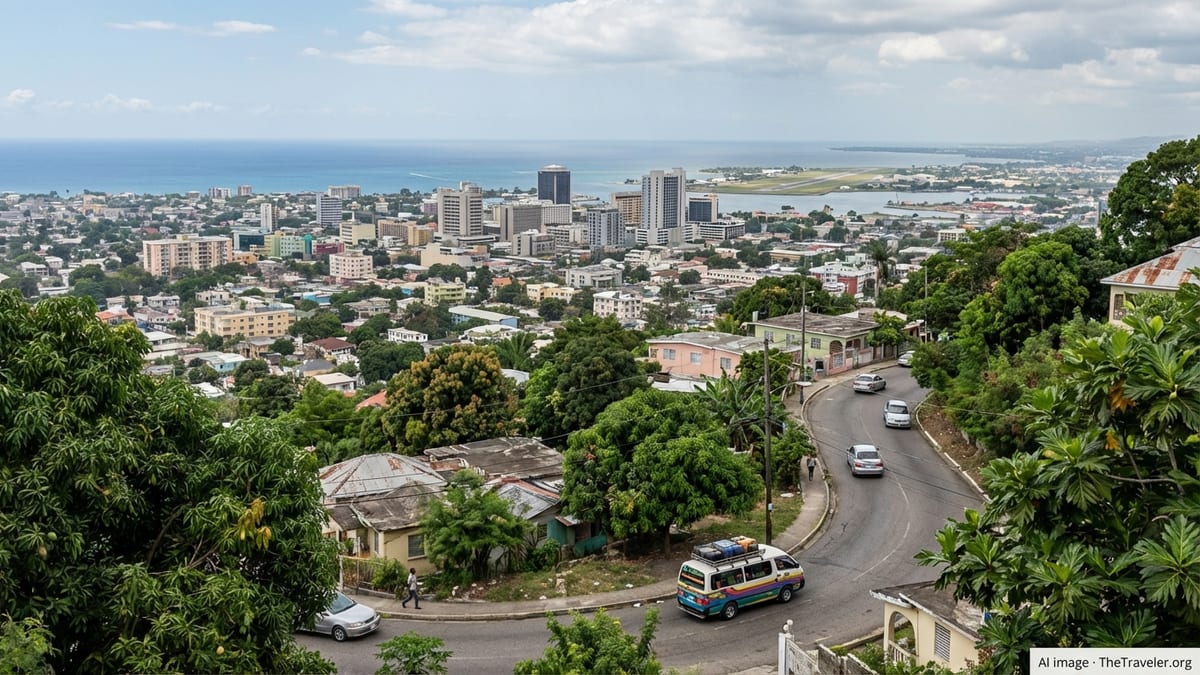
Understanding Kingston’s Character and Layout
Kingston is not a resort town. It is the working, political, and cultural heart of Jamaica, with government ministries, universities, recording studios, galleries, and bustling markets all sharing the same urban sprawl. Unlike coastal destinations such as Montego Bay or Negril, you will not find a lineup of all-inclusive beachfront resorts. Instead, Kingston offers a mix of business hotels, guesthouses, and boutique stays, many clustered in New Kingston, along the waterfront, and up in the cooler, leafier hill neighborhoods.
The city roughly divides into three broad zones that matter to first-time visitors: the central business and hotel areas around New Kingston and Half Way Tree; the more historic yet rougher downtown and waterfront corridors; and the residential hills of St Andrew, which climb toward the Blue Mountains. Most museums, music sites, and nightlife spots that visitors frequent are in or near New Kingston and the hills, while downtown is more about markets, heritage architecture, and the pulse of everyday life.
Traffic in Kingston can be heavy and at times chaotic, especially on weekdays at rush hour. Distances that look short on a map may take longer than expected, and it is common for locals to build generous buffers into any cross-town journey. When planning your days, factor in extra travel time, especially if you are heading to the airport, a concert, or a prebooked tour.
Kingston’s energy can feel overwhelming at first, but it also reflects why the city has become a regional hub for music, food, and creative industries. Give yourself at least a couple of days to move beyond first impressions. As you adjust to the rhythms of the streets, the city’s warmth, humor, and inventiveness tend to reveal themselves.
Current Safety Picture and How to Stay Street Smart
Kingston has a reputation for high crime, and that reputation is not unfounded. Official advisories describe a significant gap between safer, tourist-friendly areas and certain inner-city neighborhoods where gang violence, armed robbery, and other serious crimes occur. Security operations, curfews, and occasional police checkpoints are part of city life, mostly aimed at containing violence in specific districts rather than targeting visitors.
For tourists, the main risks are opportunistic theft, street robbery, and scams rather than targeted attacks. Incidents are more likely after dark, in quiet streets, or in areas known locally as hot spots. Sensible precautions go a long way: avoid walking at night outside busy, well-lit zones; keep phones and jewelry low-key; use hotel safes for passports and spare cards; and take licensed taxis rather than hopping into random cars. If a situation feels uncomfortable, trust your instincts and leave.
Several inner-city communities in and around downtown Kingston have long been flagged by foreign governments as places to avoid, particularly at night or without local guidance. First-time visitors are generally advised to stick to established tourist circuits unless they are with reputable operators or trusted locals who know the terrain. Ask your hotel concierge or host for current, neighborhood-specific advice; conditions can change from one block to the next.
Police and private security are highly visible in commercial districts, major hotels, shopping plazas, and at many events. Their presence does not mean an area is unsafe so much as that it is actively managed. Still, safety advice in Kingston tends to be conservative for a reason. Plan your movements in advance, share itineraries with someone at home, and consider enrolling in your government’s traveler notification program before departure.
Arriving, Getting Around, and Choosing Where to Stay
Most international visitors arrive at Norman Manley International Airport, which sits on the Palisadoes peninsula, across the harbor from the main city. The drive into New Kingston typically takes around 30 to 45 minutes in light traffic, longer at peak hours or in bad weather. There is no metro or train system; you will rely on prearranged transfers, official taxis, ride-hailing services where available, or rental cars.
For first-time visitors, the safest and least stressful option is to organize an airport pickup through your hotel or a well-reviewed car service. Official taxis carry red license plates and are generally considered safer than unmarked vehicles. In the city, some travelers use a mix of licensed taxis, hotel taxis, and, where the service is operating, app-based ride-hailing. Local minibuses and informal route taxis are part of daily Jamaican life and can be an experience, but they are crowded and can feel chaotic to newcomers, especially at night.
Driving yourself is possible with an international or valid home-country license, but it is not always relaxing. Vehicles travel on the left side of the road, local driving styles can be assertive, and road conditions vary. If you do rent a car, avoid nighttime driving where possible, plan your routes in advance, and keep doors locked and windows up in slow traffic or at intersections. Parking at reputable hotels, shopping centers, and paid garages is generally preferable to leaving a car on side streets.
When it comes to accommodation, most first-time visitors opt for New Kingston, which offers a concentration of midrange and upscale hotels, restaurants, and nightlife within a relatively compact area. The uptown and hillside neighborhoods of St Andrew appeal to travelers seeking a quieter, residential feel and cooler temperatures. Wherever you stay, check recent guest reviews with specific mentions of security, staff responsiveness, and the surrounding area at night.
Culture, Etiquette, and Everyday Interactions
Jamaicans in Kingston are generally outgoing, direct, and quick to engage. Greeting people is important. A simple “good morning,” “good afternoon,” or “good night” is appreciated, and you will hear casual salutations like “Wah gwaan?” from taxi drivers, shopkeepers, and passersby. Visitors who are friendly but respectful, and who avoid acting overly guarded or dismissive, often find it easier to navigate the city.
While standard English is widely spoken, Jamaican Patois is the everyday language on the street. You are not expected to speak it, but understanding that it is a distinct and respected language, not just slang, signals cultural awareness. Learning a few phrases like “Irie” for things feeling good, or “Respect” and “Bless up” as thanks or farewell, can help you connect with locals on a human level.
Dress in Kingston is more urban and polished than in beach towns. Swimwear is for the pool or beach, not for city streets or shopping centers. Casual but neat clothing works well for daytime exploring, while smart-casual outfits are appropriate for restaurants, bars, and nightclubs. If you plan to visit churches, cultural centers, or more traditional communities, aim for modest attire that covers shoulders and knees.
Kingston is socially conservative in some respects and liberal in others. Public displays of affection are generally low-key, particularly outside nightlife zones. Same-sex relationships remain a sensitive subject, and while attitudes are slowly shifting, many travelers in LGBTQ+ communities prefer discretion in public spaces. Photography is usually fine in public, but always ask permission before taking close-up shots of individuals, especially vendors, children, or people in religious or ceremonial settings.
Money, Costs, and Practical Logistics
Jamaica’s currency is the Jamaican dollar, though U.S. dollars are widely accepted in many hotels and tourist-facing businesses. In Kingston’s more local shops, taxis, and street stalls, Jamaican dollars are the norm. It is wise to carry a mix of small local bills and a modest amount of U.S. currency, and to confirm which currency prices are quoted in before paying.
ATMs are common in malls, larger supermarkets, and bank branches. Because card skimming and robbery around cash machines are reported occasionally, choose ATMs inside secure locations such as shopping centers or hotel lobbies, avoid withdrawing large sums at once, and be discreet about handling money. Major credit cards are accepted at midrange and upscale restaurants, supermarkets, and hotels, but smaller businesses and street vendors remain cash-focused.
Costs in Kingston can surprise first-time visitors. Everyday local food, taxis, and basic services are often reasonably priced, while imported goods, upscale dining, and hotel rates can feel closer to small North American cities. Nightlife, concerts, and festivals may have significant cover charges. Plan and budget with some flexibility, and consider prepaying for certain tours or tickets to spread costs out and secure space at popular events.
Travel insurance that includes medical coverage and evacuation is strongly recommended. Public health facilities are improving but have limitations, and more advanced care is generally found in private hospitals, which may require upfront payment. If you have ongoing medical needs, travel with extra prescription medication and copies of your prescriptions, and keep a basic personal first-aid kit with you.
Weather, Seasons, and Natural Hazards
Kingston has a tropical climate, with warm temperatures throughout the year. Days are typically hot, especially in the city core where concrete and traffic hold the heat. Evenings are generally warm but more comfortable, and the hillside neighborhoods can feel a few degrees cooler. Lightweight, breathable clothing, a hat, and high-SPF sunscreen are essentials year-round.
The city experiences a drier period roughly from December to April and wetter months from around May into autumn, though showers can occur in any season. Rain often falls in short, intense bursts rather than all-day downpours. When it does rain, streets can flood quickly and traffic can slow to a crawl, so allow extra time if you have fixed commitments.
Kingston, like the rest of Jamaica, can be affected by Atlantic hurricanes and tropical storms, most likely from June through November. If you visit during this period, monitor forecasts before and during your trip. In the event of a storm, local authorities may impose curfews, close some roads, or temporarily suspend public services. Follow hotel guidance closely, keep electronic devices charged, and have some cash and drinking water on hand in case of short-term disruptions.
The region also sits in a seismically active zone, and while major earthquakes are rare, mild tremors are possible. Familiarizing yourself with basic earthquake and storm-safety procedures before you travel is prudent. Most large hotels and institutions have contingency plans and will brief guests or staff if needed.
Food, Music, and Experiencing Kingston’s Creative Side
Kingston’s greatest draws are its food and music scenes, which unfold not only in formal venues but in everyday spaces: roadside jerk pans, yard-style cookshops, community bars, and open-air dance events. Unlike resort towns with neatly packaged dining strips, the capital’s most memorable meals may come from modest storefronts or vendors who have been feeding locals for decades.
Expect bold flavors built around Scotch bonnet peppers, thyme, pimento, and allspice. Classic dishes include jerk chicken and pork, curried goat, oxtail stew, escovitch fish, patties stuffed with spicy fillings, and Jamaica’s national dish, ackee and saltfish. Breakfast might feature callaloo, fried dumplings, or cornmeal porridge. Street food can be excellent, but choose busy stalls with high turnover, observe cleanliness, and consider starting gently if you have a sensitive stomach.
Music is woven into Kingston’s identity. From ska and rocksteady to reggae and dancehall, many genres trace their roots to this city’s studios and sound systems. Visitors can explore museums and former studios dedicated to iconic artists, catch live bands in small venues, or experience street dances and sound clashes that run well into the night. Events often start late by North American standards, and the most vibrant scenes may only peak in the early morning hours.
As with any nightlife, apply the same safety awareness you would in a large city at home. Go out with people you trust, use official taxis, stay in busy, well-lit areas, and be cautious with alcohol and other substances. Some parties and street dances are held in areas that may not be suitable for unaccompanied visitors; local advice is essential. When in doubt, ask venue staff, your hotel, or trusted guides which events are appropriate for your comfort level.
The Takeaway
First-time trips to Kingston reward travelers who combine curiosity with caution. This is not a polished resort capital, but a living, working city that has given the world some of its most influential music and cultural movements. The same energy that fuels Kingston’s creativity can feel challenging, especially if you are unused to intense street life, visible poverty, and a strong security presence.
By arriving informed about safety, choosing accommodation in suitable neighborhoods, moving primarily by licensed taxis or prearranged transport, and approaching social interactions with humility and respect, you greatly increase your chances of a positive stay. In return, Kingston offers unforgettable food, nightlife, hillside vistas, and a window into contemporary Jamaican life far beyond the beach postcard.
Kingston is best approached on its own terms. If you take time to listen, learn, and adapt, your first visit can open the door to a deeper relationship with the city, its people, and the wider island beyond.
FAQ
Q1. Is Kingston safe for first-time visitors?
Kingston presents real safety challenges, but many visitors have trouble-free trips by staying in recommended areas, avoiding high-risk neighborhoods, moving mostly by licensed taxis, and taking standard big-city precautions.
Q2. Which areas should I stay in for a first visit to Kingston?
Most first-time visitors choose New Kingston or the hillside St Andrew districts, which offer a concentration of hotels, restaurants, and nightlife along with relatively better security and transport options.
Q3. Do I need a car to get around Kingston?
You do not need a car. Many visitors rely on hotel-arranged transfers, licensed taxis, and, where available, ride-hailing services. Driving yourself is possible but can be stressful due to traffic, local driving habits, and navigation in unfamiliar neighborhoods.
Q4. Can I drink the tap water in Kingston?
Tap water in Kingston is treated and many locals drink it, but visitors with sensitive stomachs often prefer bottled or filtered water. When in doubt, ask your accommodation for guidance.
Q5. What should I wear in Kingston?
Lightweight, breathable clothing works best, but dress is generally more urban than beachy. Swimwear belongs at pools and beaches, while smart-casual outfits are ideal for restaurants, clubs, and cultural outings.
Q6. How much cash should I carry, and which currency is used?
Jamaican dollars are the main currency, with U.S. dollars accepted in many tourist-facing businesses. Carry small amounts of cash for taxis and local purchases, use secure indoor ATMs, and keep larger sums and spare cards locked in your hotel safe.
Q7. Is public transportation recommended for tourists in Kingston?
Local buses and route taxis are widely used by residents but can feel crowded and confusing for newcomers, especially after dark. For first-time visitors, official taxis, hotel shuttles, and prearranged transfers are generally safer and more comfortable.
Q8. What is the best time of year to visit Kingston?
Many travelers prefer the drier months from roughly December to April, when humidity is slightly lower and there is less rain. If visiting during hurricane season, from about June to November, monitor forecasts and remain flexible.
Q9. How can I experience Kingston’s music scene safely?
Look for established venues, ticketed concerts, and events recommended by your hotel or trusted guides. Travel to and from nightlife by licensed taxi, go out with companions, avoid isolated streets, and keep valuables discreet.
Q10. Do I need travel insurance for a trip to Kingston?
Travel insurance that includes medical coverage and evacuation is strongly recommended, as private medical care can be expensive and may require upfront payment, and serious emergencies may need specialist treatment outside Jamaica.