

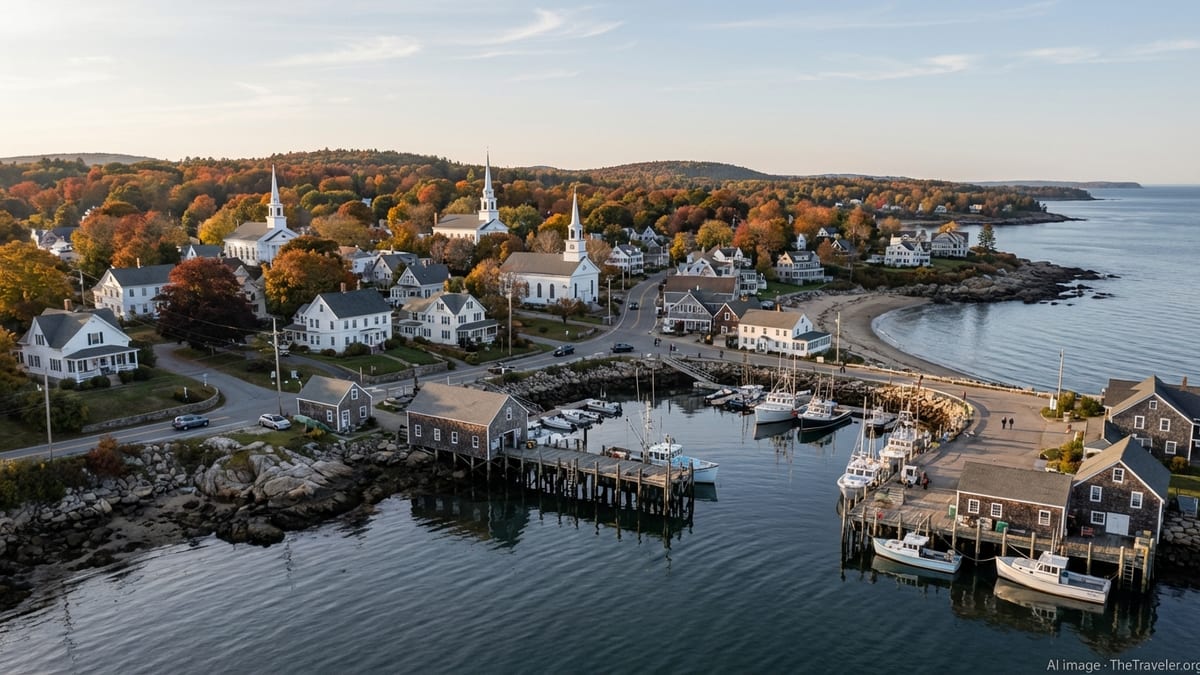
New England is one of the most evocative regions in the United States, a compact corner of the Northeast where colonial seaports, maple covered hillsides, and serious college towns sit within a few hours drive of each other. For many visitors it is shorthand for fall foliage and white church steeples, but the six New England states reward travelers year round with maritime culture, mountain adventures, and quietly sophisticated food. Understanding the seasons, distances, and local customs before you arrive will help you make the most of your time in this distinctive part of the country.
Getting Oriented: What Counts as New England
New England refers to six U.S. states in the far northeast corner of the country: Connecticut, Rhode Island, Massachusetts, Vermont, New Hampshire, and Maine. Together they form a relatively small but densely populated region with a long Atlantic coastline, a mountainous interior, and a strong sense of shared identity. The area is known for its maritime history, early role in the American Revolution, and a diverse modern economy built on education, technology, finance, and tourism.
For visitors, that mix of city and countryside is part of the appeal. Boston is the region’s largest city and main air gateway, but many trips quickly extend outward to coastal enclaves like Cape Cod and Maine’s fishing villages, the ski towns and farm country of Vermont and New Hampshire, and historic mill and college towns scattered across all six states. Distances look short on a map, yet the variety of landscapes and cultures from one corner of New England to another can feel striking.
It helps to think of the region in rough bands. Southern New England, including Connecticut and Rhode Island plus much of Massachusetts, has milder winters and a more suburban feel, with good rail access along the Northeast Corridor. Northern New England, largely Vermont, New Hampshire, and Maine, is more rural, with higher mountains, wilder coastline, and longer drives between towns. You can cross from one band to the other in just a few hours, but weather, road conditions, and even accents can shift as you go.
Although New England retains a distinct identity, day to day life feels thoroughly contemporary. Large universities, biomedical research centers, and tech companies sit alongside working harbors and dairy farms. Travelers will find world class museums and concert halls not far from old mill buildings converted into breweries and artist spaces, and the blend of old and new is part of what makes the region compelling.
Seasons and When to Go
New England is a genuine four season destination, and timing your visit is one of the most important decisions you will make. Summer, roughly from late June through August, is high season along the coast and on the islands. Temperatures are often warm and humid, with many days in the 70s and 80s Fahrenheit. Beaches, lakes, and seaside towns are in full swing, but so are crowds, and popular spots such as Cape Cod, coastal Maine, and the islands off Massachusetts regularly book out months in advance.
Autumn is when New England’s global reputation as a foliage destination draws visitors from around the world. Leaves typically begin to turn in the north and at higher elevations in late September, with peak color often sweeping across northern Vermont, New Hampshire, and Maine in late September to early October, then moving into central and southern New England through mid and sometimes late October. Exact timing fluctuates each year and conditions such as drought or heavy rain can mute or shorten the display, so it is wise to treat any forecast as approximate rather than guaranteed.
Winter, from roughly December through March, brings a different character. In northern New England, snow sports dominate. Vermont and New Hampshire are home to many of the Northeast’s best known ski mountains, and Maine’s higher peaks also attract dedicated skiers and snowboarders. Coastal areas are quieter, with shorter days, cold wind off the Atlantic, and periods of snow and ice. For some travelers, this is part of the allure, as uncrowded cities and villages offer cozy inns, woodstove warmed restaurants, and off season rates, but you must be prepared for genuine winter driving and frequent storms.
Spring often arrives slowly. April can feel unpredictable, with lingering snow in the mountains and mud season on back roads as frost leaves the ground. By May and early June, however, flowers return, days lengthen, and outdoor dining and festivals begin to reappear. This shoulder season can be appealing if you prefer fewer crowds and moderate temperatures, especially in cities like Boston and Providence or in coastal communities where summer rates have not yet taken hold.
Weather, Packing, and What to Expect Outdoors
New England’s weather is famously changeable, even within a single day, and travelers who pack with layers in mind tend to be the most comfortable. Humid summer days can be punctuated by cool evenings, particularly inland and at higher elevations. Spring and autumn can bring quick swings from sun to showers to chilly winds, while winter temperatures often drop below freezing for extended stretches, especially in the northern states and the interior.
Because conditions shift quickly, a flexible wardrobe is more practical than a large one. In most seasons, visitors benefit from a light waterproof shell, a warm mid layer such as a fleece or sweater, and sturdy shoes that can handle wet sidewalks or trails. Even in summer, having a light jacket at hand is wise if you plan to be on the water or near the coast, where sea breezes can cool the air sharply once the sun drops. In winter, insulated boots with good traction, a hat, gloves, and a genuine winter coat are essential if you plan to walk or spend time outdoors.
For those drawn to hiking, biking, or paddling, conditions vary widely by elevation and season. Trails in the White Mountains of New Hampshire or the Green Mountains of Vermont can still hold snow or ice well into spring, and sudden fog or storms are not uncommon at higher altitudes in summer. Coastal trails may be breezy but more forgiving, and many lakes and rivers remain cold enough year round that hypothermia is a risk if you fall in. Checking local trail reports, tide charts, and park advisories before heading out is an important safety step.
Insects are another seasonal consideration. Mosquitoes and blackflies can be intense in late spring and early summer in wooded and marshy areas, and ticks are present throughout much of New England, particularly in grassy or brushy environments. Long sleeves, insect repellent, and careful tick checks after hikes or time in tall grass are basic precautions. Sun can also be stronger than many visitors expect, especially when reflected off water or snow, so sunscreen and sunglasses are worthwhile in every season.
Getting There and Getting Around
Most international visitors arrive in New England by air, and Boston Logan International Airport is the primary hub with direct flights from many U.S. and overseas cities. Smaller airports serve Hartford in Connecticut, Providence in Rhode Island, Manchester in New Hampshire, and Portland and Bangor in Maine, among others. These regional gateways can save driving time if your itinerary focuses on a particular corner of New England, though flight schedules are often less frequent than in Boston.
Within the region, having a car provides the greatest flexibility. Public transportation is robust in and around Boston and extends by rail to some nearby cities, including Providence and New Haven along the busy Northeast Corridor. However, once you move beyond these routes into rural Vermont, New Hampshire, inland Maine, or much of coastal New England, public transit thins out quickly and schedules can be limited. Road trips remain the classic way to see covered bridges, back roads, and small harbor towns that lie far from major stations.
Driving in New England is straightforward for most visitors familiar with U.S. roads, but there are a few things to keep in mind. Distances that seem modest on a map can take longer than expected due to two lane highways, winding mountain roads, or heavy weekend traffic heading to and from popular resort areas. In autumn, scenic routes can be crowded with foliage seekers, and in winter snow and ice can slow travel or temporarily close mountain passes. Allow extra time between stops, especially if your plans include remote areas or ferry connections to islands.
For those who prefer to minimize driving, you can still combine trains, buses, and local tours effectively. Boston’s transit system covers the city and many suburbs, making car free days in the city simple. Regional buses connect major towns and cities across state lines, and from there you can often join guided day trips to nearby coastal or mountain attractions. If you are visiting from abroad, it is also worth remembering that the United States is large. New England is within a day’s travel of New York City by train or car, but combining it with destinations farther west or south will require more time than many first time visitors expect.
Culture, History, and Local Etiquette
New England’s culture is shaped by its long history. This region was home to Indigenous peoples for thousands of years before the arrival of European colonists in the 17th century, and today many place names, cultural traditions, and museum collections are beginning to reflect that deeper story more visibly. Colonial seaports, Revolutionary War sites, and historic districts with preserved 18th and 19th century architecture remain central attractions in cities and towns across all six states.
Modern New England is also known for its educational institutions and a strong civic culture. Universities such as Harvard, Yale, Brown, Dartmouth, and many state colleges draw students and scholars from around the world, giving even small cities an international flavor. You will find serious bookstores, science museums, and performing arts venues alongside neighborhood diners and independent coffee shops. Political engagement tends to be high, and visitors will notice frequent local debates about everything from historic preservation to environmental policy.
In terms of etiquette, New Englanders often have a reputation for being reserved or brisk compared with residents of some other U.S. regions, particularly in busy urban areas. In practice, most locals are helpful when approached politely, and service staff in tourism facing businesses are accustomed to international visitors. Simple courtesies such as queuing, saying please and thank you, and giving people personal space are appreciated. Tipping remains standard in restaurants, bars, and taxis across the United States, and adding a gratuity for good service is expected.
New England’s small towns in particular value a sense of community and understatement. Flashy behavior or loud conversations in quiet public places can draw attention. On the other hand, shared interests like local sports teams, the weather, or favorite hiking spots are easy conversation starters. In coastal communities, respect for the working waterfront is important. Docks, lobster pounds, and boatyards may look picturesque, but they are also workplaces, so observe posted signs and keep clear of equipment unless invited.
Food, Drink, and Regional Flavors
Cuisine is one of New England’s great pleasures, blending ocean harvests, farm produce, and a growing interest in independent breweries and small scale food producers. Along the coast, local lobster, clams, oysters, and white fish feature prominently. Depending on the season you visit, menus might offer classic lobster rolls, clam chowder, fried clams, or simply prepared grilled fish. Inland, dairy farms, orchards, maple producers, and vegetable growers anchor a strong farm to table movement that extends from rural inns to city restaurants.
Seasonality is part of the experience. In late winter and early spring, maple sugarhouses open to visitors, offering tastes of new season syrup. Summer brings roadside stands piled with sweet corn, berries, and tomatoes, as well as lobster shacks and ice cream stands near popular beaches and lakes. Autumn menus lean into apples, pumpkins, and hearty stews to match the cooling weather, and apple orchards welcome visitors for pick your own outings. Even in winter, many restaurants and breweries remain lively, turning inward to create cozy spaces as snow falls outside.
Coffee culture is well developed in most cities and college towns, and you will find familiar national chains alongside independent cafes. Craft beer has surged across the region, particularly in Vermont, Maine, and Massachusetts, where small breweries have gained national notice. Wine and cider producers are also increasingly visible, especially in rural areas where orchards and vineyards have diversified. If you plan to sample alcohol, keep in mind that regulations vary by state and town, and some rural communities retain more limited hours of sale.
For travelers with dietary restrictions, options are expanding. Vegetarian, vegan, and gluten free choices are increasingly common in urban areas and tourist centers, although smaller towns may still have simpler offerings. It is always a good idea to check menus in advance or call ahead if you have specific needs. Tap water is generally safe to drink across New England, and many restaurants will provide it without charge.
Practicalities: Costs, Reservations, and Safety
New England is not the least expensive part of the United States, particularly in peak seasons and popular destinations. Major cities such as Boston and coastal areas like Cape Cod, coastal Maine, and Vermont ski towns command higher rates for accommodation and dining. Prices tend to soften in shoulder seasons such as late spring and late autumn, and more markedly in winter in non ski areas. Booking early is wise for summer beach holidays, fall foliage trips, and peak winter sports weeks, when small hotels and rental properties can fill quickly.
Accommodation styles range from large full service hotels and resorts to independent inns, historic bed and breakfasts, and short term rentals. Many visitors seek out small owner run properties, especially in rural villages and historic districts, for their sense of place. These can offer a more personal introduction to local culture, but they may also have stricter cancellation policies and limited on site staff. Reading recent guest reviews and understanding check in arrangements before arrival will help avoid surprises.
In terms of safety, New England is generally considered a secure region for travelers. Violent crime rates are relatively low in many areas compared with some other parts of the United States, though normal urban precautions still apply in larger cities. Weather is the more common concern. Winter storms can disrupt travel, coastal nor’easters can bring heavy rain and wind, and summer thunderstorms can move through quickly. Checking forecasts regularly, heeding local advisories, and building flexibility into your plans can help you manage these risks.
Health care access is good across the region, with major hospitals in cities and regional medical centers in many smaller communities. International visitors should ensure they have adequate travel health insurance, as medical treatment in the United States can be expensive. Pharmacies are widely available, including in many supermarkets, and over the counter medications for common ailments are easy to find.
The Takeaway
Visiting New England is less about checking off a single landmark than about experiencing a tapestry of places that feel both historically grounded and unmistakably current. Within a day or two you can move from cobblestoned city streets and academic quadrangles to fishing docks, mountain overlooks, and country roads lined with stone walls. The region’s compact size invites exploration, yet its layered history, complex weather, and seasonal rhythms reward travelers who plan thoughtfully.
With realistic expectations about driving times, costs, and climate, along with a willingness to adapt to the conditions of the moment, you can enjoy New England at almost any time of year. That might mean timing a fall visit loosely around foliage rather than chasing a precise peak, embracing a winter storm from the vantage point of a fireside inn, or discovering that a quiet spring morning in a harbor town offers its own kind of drama. However you approach it, New England tends to leave visitors with strong sensory memories, from the scent of pine and woodsmoke to the taste of fresh seafood and the sight of a village green under fresh snow.
Perhaps the most useful thing to know before you go is that the region’s enduring appeal lies in its everyday texture as much as its postcard views. Leave room in your itinerary for unplanned stops, conversations with locals, and detours down side roads. Those small discoveries often become the moments that define a New England journey long after the trip has ended.
FAQ
Q1. Which months are generally best for visiting New England?
For many travelers, late September through mid October and late May through June offer a balance of comfortable temperatures and attractive scenery, though each season has its own appeal.
Q2. Do I need a car to explore New England properly?
You can see major cities and some nearby towns by train and bus, but a car makes it far easier to reach rural villages, mountain areas, and smaller coastal communities.
Q3. How far in advance should I book for fall foliage season?
If you plan to visit popular foliage areas or weekends, especially in late September and October, booking accommodation several months ahead is advisable.
Q4. Is New England safe for solo travelers?
Yes, New England is generally considered safe for solo travelers, including women, as long as you follow standard travel precautions and stay aware of your surroundings.
Q5. What should I pack for a fall trip?
Plan on layers, including a light waterproof jacket, a warm sweater or fleece, comfortable walking shoes, and a hat or scarf for cooler evenings, plus insect repellent and sunscreen.
Q6. Are winters too harsh for tourism?
Winters can be cold and snowy, but that is part of the appeal for ski areas and cozy small towns; with proper clothing and flexible plans, many visitors enjoy winter trips.
Q7. Can I swim in the ocean in summer?
Yes, many people swim at New England beaches in summer, although Atlantic water temperatures are cooler than in more southerly regions, especially in Maine and New Hampshire.
Q8. Is New England expensive compared to other U.S. destinations?
Major cities and resort areas can be relatively pricey, but traveling in shoulder seasons, staying slightly inland, or choosing simpler accommodations can help manage costs.
Q9. How many days do I need for a first visit?
A week allows you to combine a city such as Boston with one or two rural or coastal areas, while ten to fourteen days provide time for a more relaxed loop through several states.
Q10. Are there any etiquette tips specific to New England?
Locals tend to appreciate politeness, punctuality, and respect for personal space, and in coastal or rural communities it is important to treat working harbors and farms with care.