

More news on this day
As international travel rebounds and long-haul flights fill up again, what you wear on the plane has quietly become part science, part status symbol, and part survival strategy, with experts saying the right outfit can mean the difference between a miserable journey and arriving looking rested and ready.
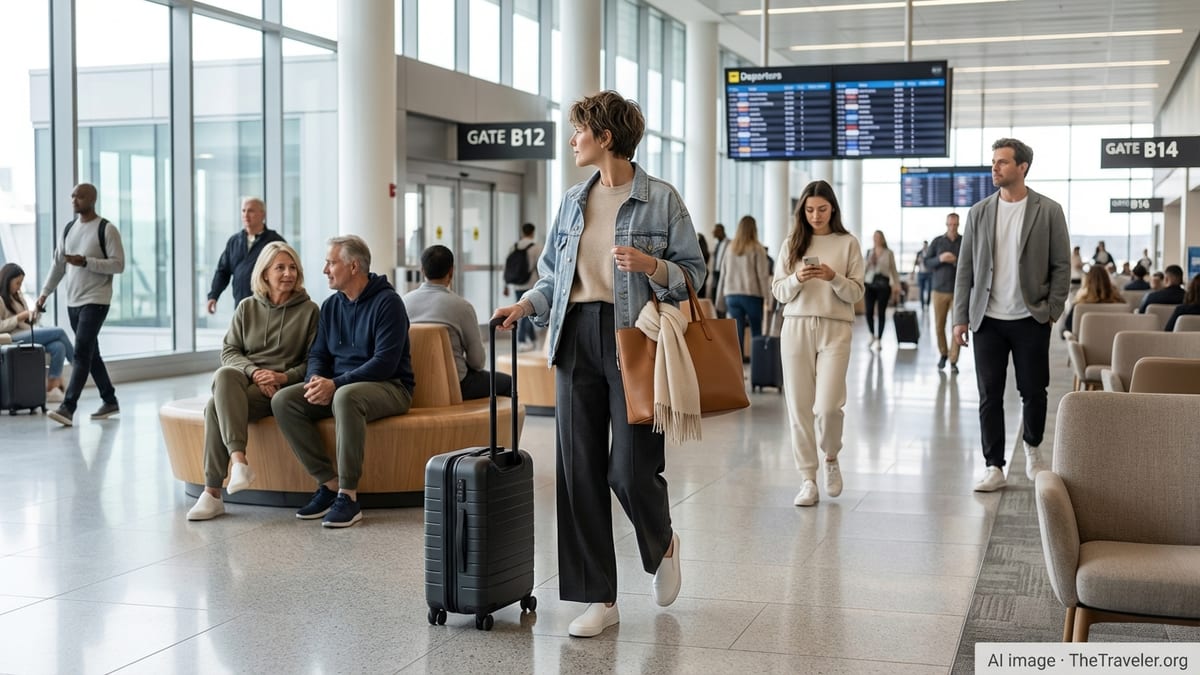
The New Rules of Dressing for International Flights
Travel and fashion experts say the golden rule for long flights in 2026 is simple but surprisingly hard to follow in practice: prioritize fabrics and fit that work with your body over many hours of sitting. That means soft, breathable materials such as cotton blends, merino wool and modern technical knits that wick moisture, stretch without sagging and resist wrinkles. Performance-focused labels and mainstream brands alike have rolled out travel-specific collections featuring four-way stretch, odor control and quick-dry capabilities, reflecting how central comfort has become to flying long distances.
The shift away from stiff denim toward wide-leg, elastic-waist "plane pants" and elevated loungewear has accelerated over the last year, with relaxed trousers and knit sets now a staple of airport style roundups. Fashion editors point to the rise of slouchy, dark-hued travel pants that feel like pajamas but read polished when paired with a structured jacket or refined flats. Celebrity airport photos show the same formula on repeat, as stars land in Milan, London and Los Angeles wearing roomy trousers, loafers and a tailored top layer that can move straight from gate to city streets.
Temperature swings are another reason experts advise against heavy or restrictive fabrics. Cabin air is typically cool and dry, yet passengers often race to the airport from hot, humid cities, or connect through drastically different climates on the same itinerary. Lightweight knits, soft tees and breathable trousers give flyers a baseline of comfort while allowing them to add or shed layers as the flight progresses. The most successful outfits, stylists say, are those that still look put-together after hours of being crushed in an economy seat.
Fit matters as much as fabric. Travel physicians caution against extremely tight waistbands, rigid jeans or body-con dresses on long international legs, which can restrict circulation and exacerbate swelling. Slightly relaxed silhouettes, stretch waistbands and flat seams can help prevent discomfort, particularly on overnight flights where passengers hope to sleep. The aim, experts say, is to dress so that you could comfortably walk a few miles in your outfit or curl up for a nap without adjusting your clothes every few minutes.
Layering Like a Pro: How to Handle Cabin Temperatures
Ask frequent long-haul flyers how often they feel perfectly comfortable in the cabin and most will laugh; aircraft temperatures can swing from chilly to stuffy over the course of a single flight. Stylists and seasoned travelers increasingly treat the in-flight outfit as a layered system rather than a single look, starting with a breathable base, adding a cozy mid-layer, and finishing with a versatile outer piece that doubles as outerwear at the destination.
Sportswear and travel brands now openly promote hoodies, crewneck pullovers and light quilted jackets as part of a "flight uniform," noting that wearing bulkier layers instead of packing them frees up suitcase space. Soft sweatshirts and oversized cardigans are particularly popular, not just for warmth but because they can be folded into a makeshift pillow or used as an extra blanket when airline bedding falls short. Cashmere and merino wraps are another frequent flyer favorite that celebrity stylists say can instantly make a simple T-shirt and jogger combination look intentional and refined.
Outer layers are also central to the new airport aesthetic. Recent street-style and entertainment coverage has highlighted celebrities in long tailored coats, trench-style toppers and boxy denim jackets worn over simple, comfortable basics. These pieces are doing double duty, covering lounge sets or leggings that might otherwise feel too casual while offering warmth in air-conditioned terminals and on jet bridges. Travel experts advise choosing a layer with functional pockets for passports and boarding passes, and a fabric that can withstand being tossed into an overhead bin without wrinkling beyond recognition.
The key, stylists say, is avoiding a one-note look that cannot adapt. Flyers who board in a chunky sweater with no lighter top underneath may find themselves overheating once the cabin fills or when they land someplace warm. By contrast, a breathable T-shirt or tank under a mid-weight knit and a weather-appropriate coat allows for quick changes as conditions shift from check-in to cruising altitude to immigration halls. Color can help here too; neutrals like black, navy and beige tend to show fewer wrinkles and spills than bright whites, making layered travel outfits more forgiving.
TSA-Friendly Dressing: What Security Officers Wish You Knew
While style trends grab attention on social media, Transportation Security Administration officers and travel security experts point out that what you wear can significantly speed up or slow down your journey through the checkpoint. On standard security lanes, belts with metal buckles, heavy jewelry and lace-up boots are among the most common culprits behind delays. Officers routinely advise travelers to choose slip-on shoes and minimal metal accessories on travel days, or at least to stow belts and chunky watches in a bag until after screening.
Layering also matters at security. Bulky coats, large scarves and oversized hoodies frequently need to be removed and placed in bins, adding more items to juggle in a crowded line. Travel advisors suggest wearing a streamlined, zip-front jacket or lightweight cardigan that can be shrugged off quickly with one hand while holding documents in the other. In winter, they recommend packing a heavier coat in checked luggage when possible and relying on a mid-weight layer through security, especially on itineraries with tight connections.
Footwear remains a persistent pain point. In the United States, most standard-lane passengers are required to remove shoes during screening, which is why frequent international flyers favor slip-on sneakers, loafers and simple ankle boots. Sandals or backless shoes, while easy to take off, can leave passengers barefoot on cold terminal floors, something airport workers quietly discourage. Many experienced travelers now pack thin, low-profile socks in an outer pocket of their carry-on to slip on before they reach the conveyor belt, then remove or layer them once past the checkpoint.
Programs such as TSA PreCheck reduce some of the clothing-related hassle, allowing eligible passengers to keep on belts, light jackets and shoes in many cases. Even so, security officers note that heavily embellished clothing, multiple layers of bulky fabric and extensive jewelry can trigger additional screening. Experts say dressing in simple, streamlined pieces with minimal hardware not only looks modern but tends to glide through the machines with fewer hiccups, saving precious minutes on international connections.
Health and Comfort: Compression, Circulation and Smart Fabrics
Medical experts continue to warn that long periods of immobility, particularly on flights lasting more than four hours, can contribute to leg swelling and in rare cases increase the risk of blood clots. Guidance from cardiovascular and hematology specialists has evolved to focus on simple movement, hydration and awareness of personal risk factors rather than blanket rules. They generally encourage passengers to stand up and walk the aisle every couple of hours, flex ankles and calves while seated, and drink water regularly instead of relying solely on tight garments to maintain circulation.
Graduated compression socks remain a popular travel accessory, especially among older passengers and those with a history of circulation issues. Recent reviews of clinical trials suggest that on very long flights they can reduce symptomless deep vein thrombosis in certain scenarios, but major medical groups are cautious about recommending them for all travelers. Instead, doctors say they are most appropriate for people at higher risk, including those with previous clots, recent surgery or pregnancy, and should be used in consultation with a physician rather than as a casual purchase.
For the average healthy traveler, doctors say the more impactful clothing choices involve avoiding items that constrict at the waist or behind the knees, and selecting fabrics that help manage the dry, cool cabin environment. Breathable knits, moisture-wicking base layers and socks that keep feet warm without overheating can all contribute to feeling better during and after the flight. Knee-high socks are generally preferred to thigh-high versions, which can dig into the leg and create a tourniquet effect if rolled down.
Travelers prone to swelling often favor slightly cropped or wide-leg trousers paired with supportive sneakers to allow room for the legs and feet to expand comfortably over time. Hydration-friendly outfits, such as tops that are easy to adjust when warm and layers that can be removed without fully standing, make it easier to move and drink water regularly. Health experts say that if an outfit encourages fidgeting, stretching and walking the cabin, it is probably a smarter choice than one that looks sleek but discourages movement.
Trending Now: From Plane Pants to Elevated Lounge Sets
On the style front, the biggest story at the airport in 2025 and into 2026 has been the mainstreaming of garments that were once confined to living rooms. Coordinated lounge sets, soft knit separates and loose tailored trousers popularly dubbed "plane pants" have become everyday travel uniforms, often replacing skinny jeans and old-fashioned sweats. Fashion publications have spotlighted celebrities arriving in wide-leg knit pants, cropped jackets and polished loafers, presenting an image that feels both relaxed and refined.
Matching sets are particularly dominant on long-haul routes, where passengers want to board in something resembling pajamas but disembark looking ready for sightseeing or meetings. Neutral-toned knit co-ords and monochrome sweatsuits offer that compromise, with subtle ribbing, refined silhouettes and minimalist cuts signaling intention rather than last-minute packing. Retailers report strong demand for under-50-dollar lounge sets marketed as "airplane outfits," a trend amplified by social media videos showing travelers mixing and matching pieces across entire trips.
For those who prefer a more structured look, wrinkle-resistant shirt dresses, jumpsuits and technical-fabric blazers are filling the gap between athleisure and traditional tailoring. Travel and leisure magazines have highlighted wrinkle-resistant poplin dresses and drawstring linen-blend pants that can handle hours of sitting while still looking crisp. Celebrity stylists recommend pairing these pieces with comfortable flats or sneakers and a single statement accessory, such as a scarf or structured tote, to create an outfit that can handle both a security line and a lunch reservation.
Denim, once a default travel choice, has not disappeared but is being reimagined. Oversized jean jackets worn over wide-leg trousers or leggings appear frequently in airport photo galleries, while true rigid jeans have largely been replaced by stretch-infused straight cuts for flying. The overall message from stylists is clear: comfort-first silhouettes no longer mean sacrificing style. If anything, they say, the new air-travel aesthetic favors relaxed tailoring and fluid shapes that photograph well while keeping wearers comfortable from taxi to baggage claim.
Destination-Ready Outfits: Landing in a Different Climate
International itineraries often mean leaving one season and landing in another, and clothing choices are increasingly reflecting that reality. Travel advisors encourage passengers to think not just about the cabin but about what awaits them outside customs. That could mean layering a lightweight coat over a summer-ready base when flying into winter, or wearing breathable trousers and a tank under a sweater when leaving a cold climate for a tropical one. In either case, the plane outfit needs to transition smoothly without a complete wardrobe change in a crowded arrivals hall.
One common strategy among frequent flyers is to dress for the cooler of the two climates and use accessories to adapt at the warmer end. A neutral knit set with a trench or long coat, for example, can work in chilly departure cities and air-conditioned cabins, while the coat can be folded over a bag or stowed once passengers hit a hot, humid airport taxi rank. For flights into colder destinations, travelers might rely on a packable down vest or insulated overshirt as a top layer that takes up less space than a heavy parka but still offers real warmth upon landing.
Footwear choices also need to account for destination conditions. Closed-toe sneakers or loafers remain the most recommended option for long-haul flights, both for safety and comfort, but travelers heading to beach destinations often tuck lightweight sandals into their personal item to change into after clearing immigration. Those arriving in rainy or snowy climates may hang a waterproof shell or compact umbrella on their cabin bag rather than wearing rain boots on board, balancing practicality with the need to move easily through security and narrow aisles.
Color and fabric selection can help manage these transitions. Natural fibers like linen-cotton blends and modern moisture-wicking synthetics perform well in hot climates, while merino layers and brushed knits insulate efficiently in cold air. Packing a small, compressible scarf or shawl that can serve as a wrap, head covering or extra blanket allows flyers to adapt to unanticipated drafts or sunshine without dramatically changing their outfit. The objective, travel experts say, is to step off the plane feeling appropriately dressed for the new environment rather than either overheating or shivering on the curb.
Building a Smart In-Flight Capsule: What Frequent Flyers Actually Wear
Behind the street-style photos and runway-inspired airport looks, frequent long-haul travelers tend to rely on a small, proven capsule of pieces they repeat flight after flight. Corporate road warriors, flight crew members and digital nomads all describe similar checklists: a breathable base layer, relaxed but polished pants, a cozy mid-layer, a practical outer layer, and simple, supportive shoes. Accessories such as compression or cushioned socks, lightweight scarves and eye masks round out the system rather than compete with it.
Business travelers often favor stretch trousers that mimic suiting but feel like loungewear, paired with a dress shirt or refined knit and a blazer cut from technical fabric. This combination allows them to head straight from the arrivals terminal to a meeting or hotel lobby without changing. Leisure travelers are more likely to choose joggers, leggings or wide-leg knits with a soft tee and hoodie, but many now add a more tailored coat or overshirt to avoid feeling underdressed in transit lounges and immigration lines.
Regardless of trip purpose, seasoned flyers overwhelmingly endorse sneakers for international routes, citing swollen feet, long terminal walks and the occasional dash between gates. The most popular styles blend athletic cushioning with a minimal, fashion-forward silhouette that works with both trousers and dresses. Slip-on designs or sneakers with elastic laces make security easier without sacrificing the support that experts say is critical when spending long stretches on hard airport floors.
Ultimately, travel professionals argue that choosing what to wear on an international flight is less about chasing trends and more about curating a reliable formula. Once passengers identify a combination of fabrics, fits and layers that lets them sit, sleep, stretch and step straight into their plans at the other end, they tend to repeat it and refine it. In an era when flights are fuller and journeys longer, the quiet luxury of a smart, comfortable flight outfit has become one of the simplest upgrades available to travelers, at any cabin class.