

Ohio attracts travelers with big-city culture, small-town charm, and easy road trips between Lake Erie and the rolling hills of Appalachia. Like any large, diverse state, it presents a mix of very safe environments and areas where visitors need to stay more alert. Understanding how safety varies across Ohio’s cities, highways, festivals, and rural regions can help you plan smarter and enjoy a smoother, more relaxed trip.
Understanding the Safety Landscape in Ohio
Ohio’s safety profile is varied, reflecting its mix of major cities, suburbs, college towns, and rural communities. Large metro areas such as Columbus, Cleveland, and Cincinnati concentrate more late-night activity, traffic, and occasional violent crime, while many smaller towns and countryside destinations see relatively low crime but may have fewer immediate services in an emergency. For most visitors, day-to-day risks are manageable with the same common-sense precautions you would use in any other Midwestern state.
Recent crime data suggest that perceptions do not always match reality. Columbus, for example, has reported a lower violent crime rate than several smaller Ohio towns, underscoring that safety can vary widely even between nearby communities. Travelers who look beyond headlines and focus on neighborhood-level conditions, time of day, and local guidance will usually find that tourist-oriented districts are used to visitors and are set up with lighting, patrols, and surveillance that keep them reasonably secure.
It is also important to recognize the difference between isolated incidents and systemic issues. High-profile crimes, protests, or traffic crashes often receive statewide or national coverage, but they seldom represent the day-to-day experience of most visitors. Instead of assuming an entire city is unsafe, check how incidents cluster by neighborhood and hours, and note what local authorities are doing in response. In Ohio’s largest cities, you will find active safety programs, seasonal plans, and public campaigns that aim to keep residents and visitors informed.
Ultimately, safe travel in Ohio is about situational awareness rather than avoiding destinations altogether. From a practical standpoint, this means paying attention to your surroundings, keeping valuables secure, relying on reputable transportation, and checking local advice for late-night plans. With those basics in place, most trips through Ohio’s cities, parklands, and small towns unfold smoothly.
Safety in Ohio’s Major Cities: Columbus, Cleveland, and Cincinnati
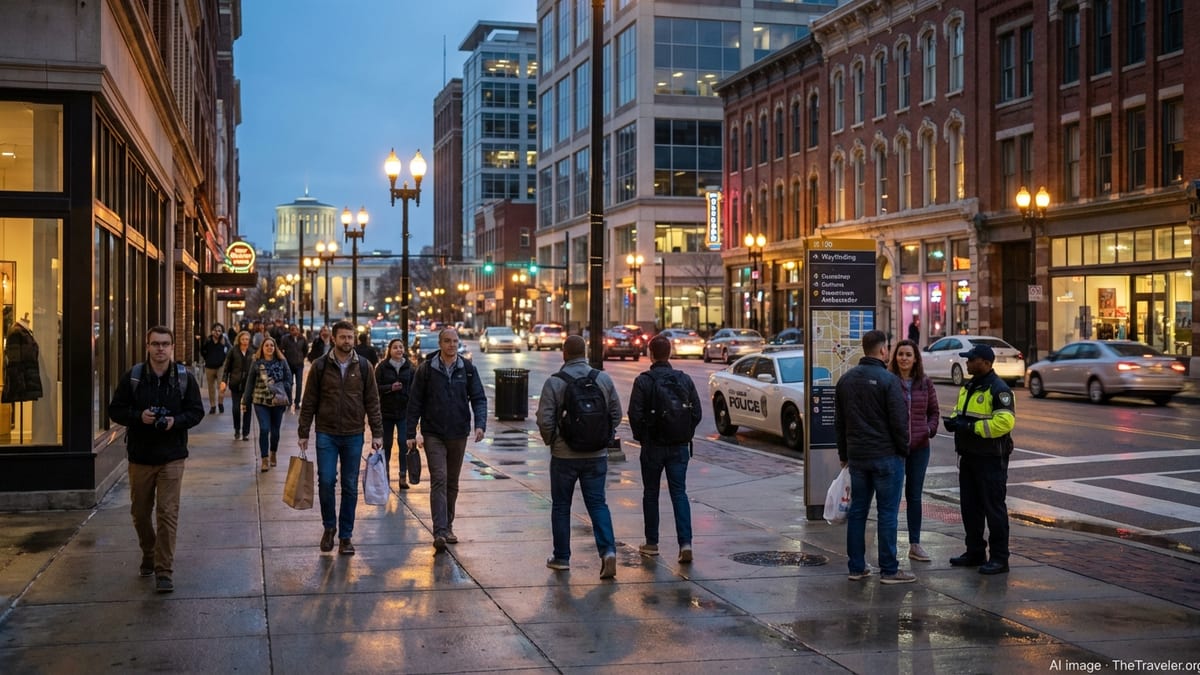
Ohio’s three largest cities draw visitors for sports, concerts, museums, and vibrant food scenes, and each has invested in specific safety initiatives focused on downtown and entertainment districts. In Columbus, the city has expanded a network of security cameras and opened a Safer Downtown command center that monitors public spaces around the clock. Downtown ambassadors and police work together to keep the urban core clean, well lit, and responsive to calls, particularly during big events or busy weekends.
Cleveland has pursued a similar approach in its central neighborhoods, working with downtown organizations to deploy ambassadors, safety escorts, and smart camera systems in areas like Public Square. Initiatives have included artificial-intelligence-enabled cameras and upgraded barriers designed to protect heavily used pedestrian spaces during festivals, tree lightings, and game days. At the same time, authorities continue to grapple with issues such as gun violence and traffic crashes, especially in outlying neighborhoods and along busy corridors, which means visitors should still stay alert when moving beyond the central attractions.
Cincinnati’s riverfront and central districts also maintain a visible security presence, especially around stadiums, major hotels, and the popular riverfront parks. As in other cities, nightlife areas can see occasional incidents tied to disputes in or outside bars. Travelers who stick to well-trafficked streets, avoid lingering around closing time disturbances, and pre-plan their transportation will generally experience these neighborhoods as lively but manageable. Local law enforcement and hospitality staff are accustomed to visitors and can usually offer up-to-date guidance about which blocks to avoid late at night.
Across all three cities, the core pattern is consistent: daytime visits to museums, markets, waterfronts, and family attractions are usually straightforward, while late-night bar districts and isolated side streets call for additional caution. Choosing accommodations in established neighborhoods, being selective about where you park or request a rideshare pickup, and staying aware of your surroundings will go a long way in keeping city visits enjoyable.
Downtowns, Events, and Nightlife: What Visitors Should Expect
Ohio’s downtowns are active hubs for office workers by day and for sports fans and nightlife crowds after hours. City officials and business districts in places like Cleveland and Columbus have created ambassador programs that provide an extra layer of eyes and ears on the street, often offering directions, safety escorts, and quick access to services. These programs are especially visible near major hotels, convention centers, and entertainment streets where visitors tend to concentrate.
Major events, from football games and concerts to seasonal festivals and parades, bring large crowds and temporary changes in security. Cities often deploy bollards, temporary barriers, and expanded patrols around plazas and stadiums to prevent vehicle incursions and manage flow. Visitors should expect parking restrictions, bag checks at venues, and specific entry and exit routes, all of which are part of broader safety planning rather than signs that an event is unusually risky.
Nightlife districts deserve particular attention. Areas with tightly clustered bars along riverfronts or warehouse blocks can experience occasional fights or disturbances that escalate unexpectedly, sometimes spilling into adjacent streets or parking lots. The safest approach for visitors is to remain in well-lit, populated zones, move away quickly if tensions rise, and avoid getting drawn into confrontations. Planning your ride home before the night gets busy, traveling in a group when possible, and staying sober enough to make clear decisions all improve your margin of safety.
In practical terms, most travelers can enjoy downtown Ohio nightlife by following basic urban habits: keep valuables out of sight, use official entrances and exits, stay aware when withdrawing cash, and avoid wandering into quiet side streets after midnight. Local residents are usually happy to flag which blocks feel comfortable and which are better skipped after dark, and front-desk staff or servers can often provide candid guidance tailored to the current environment.
Driving, Transit, and Road Safety Across the State
Given its geography, Ohio is very much a driving state, and many safety concerns for visitors play out behind the wheel. High-speed interstates, busy ring roads around major metros, and rural highways that quickly transition from bright to unlit can all pose challenges, especially to drivers unused to winter weather or long night drives. Speeding, impaired driving, and distracted driving remain key contributors to serious crashes statewide, so visitors should allow extra time, avoid fatigue, and respect changing conditions.
In cities such as Cleveland, pedestrian and cyclist safety has come into sharper focus as reports highlight hundreds of people struck by vehicles in a single year despite traffic-calming campaigns. While local governments continue to implement Vision Zero and similar initiatives, travelers should assume that crosswalks and bike lanes do not always guarantee driver compliance. When walking, make eye contact with drivers before crossing, avoid stepping into the street from between parked cars, and stay alert at intersections, even with a walk signal.
Public transit options vary widely. Cleveland’s and Cincinnati’s transit networks provide bus and limited rail services focused on core corridors, while Columbus relies primarily on buses. These systems are generally safe during daylight and early evening, though like many North American transit systems, late-night services may attract a mix of riders and occasional disruptive behavior. Sitting near the driver, keeping belongings close, and planning route connections in advance can make transit travel smoother.
Rideshare services and licensed taxis provide additional options, particularly late at night. As elsewhere, visitors should verify vehicle and driver details before boarding, sit in the back seat, and ask to be dropped off at well-lit, populated locations. In more rural or small-town settings, rideshare coverage may thin out, so it is prudent to confirm return options before venturing far from your accommodation or event venue.
Small Towns, Suburbs, and Rural Areas
Many visitors experience Ohio through its small towns, lake communities, and rural byways rather than its big cities, and safety considerations in these areas are somewhat different. Crime rates in many small towns and suburban communities are relatively low, and people often leave cars or porches less secured than they would in a city. That said, travelers should not assume that smaller automatically means safer. Some smaller municipalities and older industrial towns record higher violent crime rates than the state’s big cities, usually concentrated in specific neighborhoods.
In rural areas and along state highways, road safety and access to services become more significant concerns than street crime. Distances between gas stations can be long at night, cellular coverage may be patchy in hilly or remote regions, and emergency response times can be longer. Visitors should keep fuel tanks at least half full when driving long stretches, carry a basic car emergency kit, and check weather forecasts carefully, especially in winter when snow and ice can arrive quickly.
Social dynamics can also shape the travel experience. In some communities, political signs, cultural tensions, or recent incidents may influence how outsiders are perceived. Most travelers encounter friendly hospitality, but those from marginalized groups may wish to research local news and community climate in advance. When in doubt, staying in established accommodations, using main roads, and limiting late-night wandering in unfamiliar neighborhoods is a sensible approach.
On the positive side, local tourism offices, park visitor centers, and small-town police departments are often very approachable and willing to offer tips about where to park, where to walk after dark, and which routes to favor during bad weather. A brief conversation at a visitor center or with hotel staff can quickly fill in the gaps that statistics and maps cannot show.
Seasonal, Weather, and Outdoor Safety in Ohio
Ohio’s four-season climate shapes safety considerations in ways that are easy to overlook when planning on a sunny day. Winters can bring snow, freezing rain, and black ice, especially along Lake Erie and in open rural areas, making driving more hazardous and increasing the risk of slips and falls. Travelers unfamiliar with winter conditions should slow down, extend following distances, and consider shifting plans if a winter storm warning is issued, as even local drivers can struggle when ice forms quickly.
Spring and summer introduce their own challenges. Thunderstorms can develop with little notice, sometimes accompanied by heavy rain, localized flooding, hail, or strong winds. In low-lying rural areas, smaller roads can flood temporarily, so it is important never to drive through standing water whose depth you cannot gauge. Outdoor festivals, ball games, and lakefront events may pause or evacuate during severe weather, and visitors are wise to follow local officials’ instructions promptly.
Ohio’s lakes, rivers, and state parks are popular with hikers, boaters, and anglers, and most provide a safe, relaxed environment when visitors follow posted rules. Life jackets, swimming only in designated areas, and staying on marked trails are the basics. Cell service can be spotty in forested or hilly terrain, so let someone know your plans before setting out on a remote hike or paddle. Heat and humidity in midsummer can be intense, so carry water even for short excursions and watch for signs of heat stress, especially among children and older travelers.
As with urban travel, outdoor safety comes down to preparation. Checking park websites or ranger stations for trail closures, water quality advisories, or wildlife notices will help you avoid surprises. Many of Ohio’s outdoor destinations are family friendly and see regular patrols or park rangers, but self-reliance remains important once you step off the pavement.
Cultural Climate, Protests, and Community Tensions
Like many parts of the United States, Ohio has seen periodic protests, rallies, and community tensions reflective of national debates over politics, race, and public safety. Most demonstrations are peaceful and closely monitored by local law enforcement, but a few have involved confrontations, counterprotests, or the presence of extremist groups. Travelers occasionally encounter marches or gatherings near state buildings, downtown squares, or college campuses, particularly during election seasons or following national events.
For most visitors, these events are a matter of awareness rather than direct risk. The safest choice is usually to observe from a distance, avoid getting between opposing groups, and follow any reroutes or instructions from officers on the scene. Spontaneous road closures or crowd surges can be disruptive if you have tight schedules for flights, games, or performances, so allow extra time when moving through central districts known for civic events.
Some communities, especially those with histories of racial inequity or economic disinvestment, are navigating heightened sensitivities around identity and security. Occasional reports of hate incidents or extremist leafleting in parts of the state underscore why travelers from marginalized backgrounds may want to stay informed. Checking recent local news and choosing accommodations that feel welcoming and reputable can provide additional reassurance.
In general, Ohioans are used to visitors, and most travelers report friendly encounters in shops, restaurants, and public spaces. Being courteous, avoiding heated political debates with strangers, and steering clear of obviously tense situations are simple steps that help keep interactions positive during your stay.
Practical Safety Tips for Travelers in Ohio
Regardless of where in Ohio you travel, a few consistent habits can noticeably reduce risk. When booking lodging, consider not only price and proximity to attractions but also neighborhood reputation and lighting around the property. Reading recent guest reviews, asking directly about parking security, and choosing properties with staffed front desks can help you avoid surprises. If you are staying in a downtown area, ask staff which streets they recommend for evening walks and which to bypass.
While exploring, carry only the essentials and keep valuable documents, extra cash, and spare cards locked in a hotel safe or hidden compartment. Use cross-body bags or interior pockets that are harder to access, especially in crowded event settings. In cars, keep bags and electronics out of sight, lock doors, and park in well-used, well-lit lots whenever possible. Break-ins in some urban neighborhoods tend to target visible items rather than specific vehicles.
Health and emergency preparedness matter as much as crime awareness. Know the location of the nearest urgent care or emergency room, especially if you are traveling with children, older adults, or people with chronic conditions. Keep basic medications, water, and snacks with you for long drives or busy city days, and store any prescriptions in their original containers. If you rely on a particular medical device, confirm that your accommodations can support charging or refrigeration needs.
Above all, trust your instincts. If a situation or location feels off, step back, change course, or seek help. Ohio’s residents, business owners, and frontline staff in hotels, restaurants, and attractions are typically glad to assist with directions or advice. A moment spent asking for local input can be the quickest route to both safety and a more authentic experience of the state.
FAQ
Q1. Is it safe to visit downtown areas in Ohio’s major cities?
Downtown districts in Columbus, Cleveland, and Cincinnati are generally safe during the day and early evening, with visible patrols and ambassadors. Late at night, stick to busy, well-lit streets, avoid isolated blocks, and use reputable transportation back to your accommodation.
Q2. Which parts of Ohio should travelers be most cautious about?
Extra caution is wise in certain nightlife corridors, some residential neighborhoods in larger cities, and smaller towns that local news identifies as having higher crime. Checking neighborhood-level advice, staying on main routes, and avoiding poorly lit areas after dark usually mitigate most concerns.
Q3. How safe are Ohio’s highways for road trips?
Ohio’s highways are widely used and generally well maintained, but speeding, winter weather, and heavy truck traffic can raise risks. Allow extra driving time, slow down during rain, snow, or fog, and plan fuel and rest stops in advance, especially on rural stretches.
Q4. Is public transportation in Ohio safe for visitors?
City buses and trains in Ohio are typically safe, especially during daytime and early evening. At night, sit near the driver or other riders, keep belongings close, avoid visibly displaying valuables, and know your stops so you are not navigating unfamiliar streets while distracted.
Q5. Are Ohio’s parks and outdoor areas safe for solo travelers?
Most state parks, trails, and lakefronts are safe and family friendly, with posted rules and periodic ranger patrols. Solo travelers should stay on marked trails, let someone know their plans, check weather conditions in advance, and carry water, a charged phone, and basic supplies.
Q6. What should international visitors know about emergencies in Ohio?
In any life-threatening emergency, dial 911 for police, fire, or medical help. Keep your accommodation address handy, know the name of the nearest hospital or urgent care, and carry your insurance details. Most emergency responders are accustomed to assisting visitors and can coordinate interpreters when needed.
Q7. How concerned should I be about protests or political rallies during my trip?
Most protests and rallies in Ohio are peaceful and heavily monitored, though traffic and access can be disrupted. If you encounter a gathering, give it space, follow police directions, and avoid getting between opposing groups. Checking local news on event days can help you plan alternate routes.
Q8. Is it safe to walk around Ohio cities at night?
Walking in busy, well-lit areas near restaurants, hotels, and venues is usually fine, especially in groups. Avoid deserted industrial zones, unlit parks, and little-used side streets after dark, and consider using rideshare or taxis if you are unsure about a route back to your lodging.
Q9. Are there specific tips for LGBTQ+ travelers in Ohio?
LGBTQ+ travelers often find welcoming spaces in larger cities, especially around established neighborhoods and nightlife districts. As acceptance can vary by community, researching local venues and events in advance and favoring well-known, inclusive spaces can enhance both safety and comfort.
Q10. What is the single most important safety step I can take when visiting Ohio?
The most important step is staying informed and aware: check recent local news, ask hotel or visitor center staff for current advice, and pay attention to your surroundings. Combining that awareness with basic precautions about valuables, transportation, and alcohol use will make most Ohio trips feel straightforward and secure.