

Pennsylvania attracts travelers for its mix of historic cities, small towns, national parks, and long highway corridors that stretch between them. For most visitors, trips unfold without serious problems, but it is worth understanding the state’s current safety picture before you arrive. Crime patterns, driving risks, seasonal weather, and urban versus rural differences all shape how you plan, where you stay, and how you move around. This guide looks at what recent data and on-the-ground conditions suggest, and how travelers can make smart, low stress choices across the Keystone State.
Understanding Pennsylvania’s Overall Safety Profile
Viewed at the state level, Pennsylvania is broadly in line with or somewhat safer than the United States average for many major crime categories. Recent FBI based compilations indicate that both violent crime and property crime rates have fallen in the last few years, with overall offenses per 100,000 residents trending downward. Pennsylvania’s rate of violent crime appears notably lower than the national rate, and property crime is also moderately lower. For travelers, this suggests that common sense precautions are usually enough in most areas, especially for short visits.
Those same reports show that Pennsylvania’s combined violent and property crime rate declined further between 2023 and 2024. The state has seen decreases in offenses such as robbery, burglary, and motor vehicle theft, although some categories like reported rape have risen slightly. These shifts mirror a wider national pattern of crime receding from the peaks seen in the early pandemic years. Still, statewide averages can hide local variation, so it is important not to treat the entire state as uniform in risk.
One useful point for visitors is that crime involving tourists is relatively rare and tends to be opportunistic rather than targeted. Theft from vehicles, occasional pickpocketing in busy downtown areas or events, and after dark incidents near nightlife districts are more likely scenarios than violent attacks against out of town guests. Planning your movements, being discreet with valuables, and using licensed transportation at night help reduce already modest odds of problems.
Travelers should also remember that safety is not only about crime. Pennsylvania’s topography, four season climate, and extensive highway system introduce their own set of risks. Winter storms can make roads treacherous, rural stretches may have limited lighting and long distances between services, and outdoor activities such as hiking and river sports involve weather and terrain awareness as much as personal security planning.
City by City: Philadelphia, Pittsburgh, and Smaller Urban Centers
Philadelphia, the state’s largest city, draws visitors for its colonial history, museums, food scene, and sports culture. Like many big American cities, it has neighborhoods with very different safety profiles separated by only a few blocks. Tourist heavy areas such as Old City, Center City, the Museum District, and University City are heavily policed and active throughout the day and evening. Serious incidents do occur, but they are a small fraction of overall activity, and travelers who stay aware, avoid obvious displays of wealth, and rely on reputable hotels and transport options usually experience no issues.
Concerns about gun violence and car thefts in Philadelphia receive frequent local coverage, and some neighborhoods in North and West Philadelphia see higher rates of shootings and robberies. Visitors rarely need to venture into these areas, and many of the highest risk locations have no major attractions or lodging options. If you plan to explore beyond the standard tourist corridors, ask hotel staff about current conditions and preferred routes, and favor main streets and established commercial districts after dark rather than side streets.
Pittsburgh has generally lower violent crime levels than Philadelphia and has seen a marked decline in homicides in recent reporting periods, reaching the lowest levels in several years. Popular travel districts such as Downtown, the Strip District, Lawrenceville, the North Shore, and Oakland tend to be busy, well lit, and patrolled, particularly around event venues and nightlife. Still, late night incidents linked to alcohol, disputes, or property crime occur, so basic urban travel habits remain important, including traveling in small groups after dark, using rideshares or taxis from busy pick up points, and staying alert around ATMs and parking garages.
Smaller cities such as Harrisburg, Lancaster, York, Allentown, Bethlehem, and Erie offer a different feel but share similar patterns. Central historic districts and revitalized downtowns are usually safe and lively, while some outlying neighborhoods have higher rates of poverty and crime. Check recent local news for any noticeable upticks in incidents such as shootings, carjackings, or large disruptive events. When in doubt, book accommodation in established tourist or business districts and ask local hosts or hotel staff which areas to avoid late at night.
Suburbs, Small Towns, and Rural Communities
Outside the large cities, much of Pennsylvania consists of suburbs, small towns, and rural communities that draw travelers to covered bridges, farm stays, wineries, and outdoor recreation. Crime rates in many of these areas are lower than in major metro cores, and violent crime is less common. This does not mean that visitors can be carefree, but risks often shift more toward property offenses, petty theft, and the practical challenges of distance, isolation, and limited public transportation.
Parts of southeastern Pennsylvania near Philadelphia, such as the Main Line, Bucks County, and Chester County, are suburban with a mix of older town centers and newer shopping areas. These communities tend to have lower violent crime rates than urban cores, although vehicle break ins, package thefts, and occasional home burglaries occur. Travelers who park rental cars overnight on the street or at commuter lots should remove visible belongings, lock doors, and choose well lit areas near businesses or residences when possible.
The Pennsylvania Wilds, central mountain counties, and Amish country around Lancaster and Lebanon entice visitors with scenic drives and quiet stays. In these rural regions, emergency response can take longer, cell phone coverage may be inconsistent, and wildlife on roads can be a bigger hazard than crime. If you plan to arrive after dark, it is wise to confirm directions with your host, fuel up before leaving larger towns, and let someone know your estimated arrival time. Having a paper or offline map can be reassuring where navigation apps might fail.
Rural communities can also have local cultural norms that differ from large coastal cities. Travelers from abroad or from very urbanized areas can minimize misunderstandings by being courteous about private property, slowing down near farms and horse drawn vehicles, and respecting local traditions. Conflicts are unlikely, but situations can escalate if visitors trespass or ignore signage, especially around hunting lands or industrial sites such as active quarries and gas facilities.
Driving, Transit, and Seasonal Weather Risks
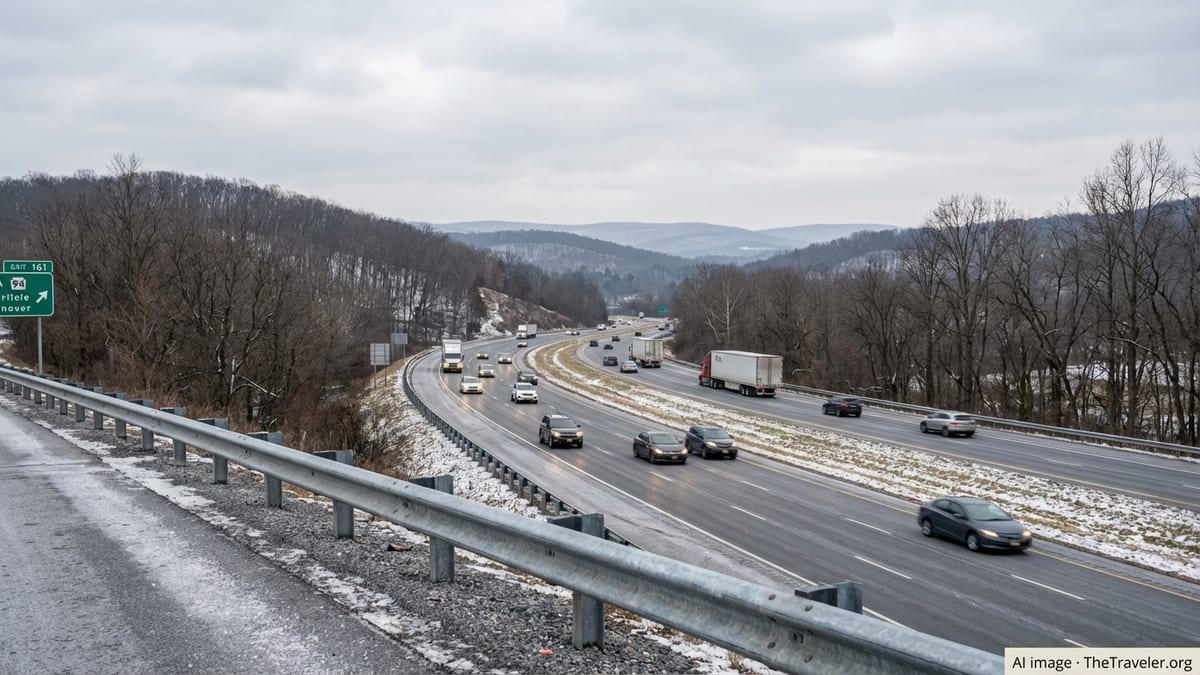
Pennsylvania’s geography and climate make road safety a central concern for travelers. Interstates like I 76, I 80, I 81, I 79, and the Pennsylvania Turnpike carry heavy volumes of cars and trucks across mountains and river valleys. In winter, snow, ice, and freezing rain can turn these roads hazardous, particularly on higher elevation stretches and bridges where black ice forms easily. State transportation officials regularly warn drivers to monitor forecasts closely, plan extra time, and be ready for speed restrictions or temporary closures.
Winter crashes remain a recurring issue, with thousands of collisions each year on snowy or icy roads. Visitors unused to driving in snow should consider alternative options such as Amtrak or intercity buses during major storms, or delay departure until plows and salt trucks have time to work. If you must drive, reduce speed well below posted limits, increase following distance, use headlights, and avoid sudden braking or lane changes. Carry warm clothing, blankets, snacks, and water in case of delays, especially on less populated stretches where services are sparse.
Even outside winter, Pennsylvania roads demand attention. Mountain grades can be steep, and weather changes quickly between valleys and ridgelines. Summer thunderstorms bring heavy rain and occasional flash flooding that can cover rural roads and low lying underpasses. Never attempt to drive through water of uncertain depth, since even shallow moving water can sweep vehicles off the road. During fall foliage season, leaf slick surfaces can reduce traction, particularly on curves in wooded areas.
City driving has its own challenges. Philadelphia and Pittsburgh feature complex one way grids, narrow residential streets, aggressive lane changes, and frequent construction detours. Parking in dense neighborhoods may require using garages or paid lots, which tend to be safer than leaving vehicles on isolated side streets overnight. For many visitors, using regional rail, subway systems, streetcars, and buses can reduce stress. Transit in the main cities is generally safe during daytime and early evening; at late hours, it is prudent to sit near the operator or other riders and avoid empty train cars when choices exist.
Outdoor Recreation, Parks, and Natural Hazards
From the Delaware Water Gap to the Allegheny National Forest and the ridges of the Appalachian Trail, Pennsylvania offers abundant outdoor recreation. For most travelers, the biggest safety considerations are terrain, weather, and preparation rather than crime. Trailhead break ins can occur, especially where cars sit parked for many hours at remote lots, so leave nothing of value visible inside vehicles and lock them before heading out. Choosing busier, well known trailheads also reduces the likelihood of vandalism or theft.
On the trail, conditions can shift quickly. In spring and fall, temperatures vary significantly between valley towns and mountaintops, and sudden storms can bring wind, rain, or even early snow. Proper footwear, layered clothing, navigation tools, and enough water and food are essential. In more remote areas, cell service may be weak, which can delay calls for help. Travelers should let someone know their plans, including which trail they intend to use and an expected return time, especially when hiking solo.
Water recreation on Pennsylvania’s rivers, lakes, and reservoirs is popular but requires attention to currents, dam releases, and weather. Life jackets are strongly recommended, and local outfitters often provide briefings on safe river sections, hazards, and recent changes in water levels. Cold water in early spring can lead to hypothermia much faster than many visitors expect, even on sunny days. When swimming, stick to designated areas where lifeguards or clear safety signage are present and avoid jumping into unfamiliar water where rocks and debris might be hidden.
Wildlife encounters, while a highlight for many travelers, can also present risks. White tailed deer crossing highways at dawn and dusk contribute to many collisions, especially in rural counties. Black bears inhabit much of the state’s forested regions but typically avoid people if food is stored properly and trash is secured at campsites and cabins. Keeping a respectful distance from all animals, never feeding them, and following posted park guidelines go a long way toward avoiding incidents.
Practical Personal Safety Strategies for Travelers
Whether you are visiting Pennsylvania’s cities or countryside, many of the same personal safety strategies apply. Start by planning accommodations in established neighborhoods, business districts, or near major attractions rather than fringe areas chosen only for price. Read recent guest reviews for mentions of security issues, street noise, or suspicious activity, and consider properties that use staffed front desks, good exterior lighting, and secure key or code entry systems.
When out and about, carry only the cards and cash you need for that day and leave passports, extra cards, and large amounts of money in a hotel safe if available. In crowded settings such as festivals, sporting events, or transit hubs, keep bags closed and in front of you, and avoid placing phones or wallets in back pockets. At restaurants and bars, keep handbags and backpacks on your lap or with a strap looped around a chair leg rather than hanging loosely on the back.
Alcohol and nightlife can increase vulnerability, especially in unfamiliar neighborhoods. If you plan to drink, arrange transportation in advance, stay with trusted companions, and watch drinks being poured. Avoid leaving drinks unattended and be cautious about accepting beverages from strangers. At the end of the night, use licensed taxis, reputable rideshare services, or public transit from main stations instead of walking long distances on quiet streets, particularly if you are alone.
Travelers from abroad should also be aware of local laws. Pennsylvania enforces seat belt rules, child safety seat requirements, and restrictions on phone use while driving. There is a state law requiring drivers to clear accumulated snow and ice from vehicles, intended to prevent dangerous flying debris in winter. Firearms are more common in some regions than visitors from other countries may expect, but open displays of weapons in tourist areas are not typical. If you encounter a situation that feels threatening, leaving the area calmly and contacting local authorities is usually the best course.
Staying Informed: News, Alerts, and Local Advice
Conditions in specific neighborhoods or along particular roads can change faster than official statistics capture. For that reason, staying informed throughout your trip is as important as reviewing data before you leave home. Local news outlets in Philadelphia, Pittsburgh, and other cities regularly report on crime trends, traffic disruptions, protests, and severe weather. Checking headlines once a day, especially during periods of storms or major events, helps you adjust plans if needed.
Pennsylvania agencies provide frequent updates on road conditions and winter travel advisories, including speed restrictions on the Pennsylvania Turnpike and temporary bans on certain vehicle types during severe storms. These advisories are most relevant from late fall through early spring and often urge drivers to postpone nonessential travel during intense weather. Travelers who rely on long highway drives should review forecasts and consider alternative routes or travel days if heavy snow, ice, or flooding is predicted along their path.
On the ground, your best sources of hyperlocal, current information are often hotel staff, short term rental hosts, park rangers, and tour guides. They can clarify whether a particular walking route feels safe after dark, whether there have been recent issues with car break ins at certain lots, or whether construction or demonstrations are affecting access to popular sites. Do not hesitate to ask direct questions about safety; tourism professionals are accustomed to these concerns and usually answer candidly.
Mobile safety tools can also play a role. Many travelers use navigation apps that highlight busy walking routes, while some cities promote text or phone lines to reach non emergency services or report issues such as suspicious activity or lost items. Make sure your phone is charged before long outings, consider carrying a small power bank, and store important numbers such as your hotel front desk and local non emergency police line for quick access.
The Takeaway
For most visitors, Pennsylvania offers a safe and rewarding travel experience, whether the focus is Philadelphia’s historic landmarks, Pittsburgh’s rivers and neighborhoods, small town markets, or forested state parks. Statewide crime rates have moved downward in recent years, and many tourist corridors see heavy foot traffic and steady police presence. At the same time, risks vary by neighborhood, season, and activity. Highway travel during winter storms, poorly lit streets far from central districts, and underprepared outdoor excursions introduce hazards that good planning can minimize.
Travel safety in Pennsylvania, as in many destinations, is less about fear and more about habits. Choosing well reviewed lodging in established areas, securing belongings, staying aware of surroundings, moderating alcohol use, and respecting weather advisories go a long way. Add in a willingness to ask locals for current advice, and you position yourself to enjoy the state’s attractions with confidence.
No guide can guarantee a trouble free trip, and unexpected situations can arise anywhere. Still, the combination of declining crime trends, robust transportation and emergency response systems in most regions, and an economy that depends in part on tourism means that Pennsylvania’s communities have strong incentives to keep visitors safe. With a balanced understanding of both statistics and practical realities, travelers can explore the Keystone State with realistic caution and real enthusiasm.
FAQ
Q1. Is Pennsylvania generally safe for tourists compared with other US states?
Pennsylvania’s overall violent and property crime rates are somewhat lower than the national average, and most visits are trouble free when travelers use normal urban safety precautions.
Q2. Which Pennsylvania city should I be most cautious in as a visitor?
Philadelphia has the highest concentration of crime simply because it is the largest city, but tourist districts are heavily patrolled and reasonably safe when you stay aware and avoid high risk neighborhoods.
Q3. Are Pittsburgh and smaller cities like Harrisburg or Lancaster safe to walk around at night?
Downtown and main entertainment districts in these cities are generally safe in the early evening, though it is still wise to stick to busy streets, travel with companions, and use licensed transport late at night.
Q4. How dangerous are Pennsylvania’s highways in winter?
Crashes on snowy or icy roads are a recurring issue, especially on mountain stretches, but drivers who slow down, avoid storms when possible, and follow state advisories can significantly reduce their risk.
Q5. Is public transportation in Philadelphia and Pittsburgh safe to use?
Transit systems are widely used and generally safe during the day and early evening; at late hours, riders should stay alert, sit near the operator or other passengers, and avoid empty cars when choices exist.
Q6. What are the main safety concerns in rural and small town Pennsylvania?
Crime is usually low, with more concern about vehicle break ins at unattended parking areas, long distances to services, limited cell coverage, and road hazards such as deer and bad weather.
Q7. Are Pennsylvania’s parks and hiking trails safe from crime?
Serious crime is uncommon on established trails; the bigger risks are injuries, getting lost, sudden weather changes, and occasional theft from parked vehicles at remote trailheads.
Q8. How should I protect my belongings while traveling around the state?
Use hotel safes when available, carry only essentials during outings, keep bags zipped and in front of you in crowds, and never leave valuables visible in parked cars.
Q9. Are there any specific local laws visiting drivers should know about?
Pennsylvania enforces seat belt and child safety seat rules, restrictions on handheld phone use while driving, and a law requiring snow and ice to be cleared from vehicles in winter.
Q10. What should I do if I feel unsafe or witness an incident while visiting?
Move to a busy, well lit area, contact local authorities through emergency or non emergency numbers as appropriate, and notify your hotel or host so they can assist and help you adjust plans if needed.