

Hawaii rarely has a bad day for the beach, but some weeks are noticeably better than others if your priority is long swims, sunny sand and time outdoors. Understanding how the islands’ seasons, trade winds and visitor patterns work together will help you choose dates that match the kind of trip you want, from quiet snorkeling coves to high surf showdowns and clear, cool hiking days.
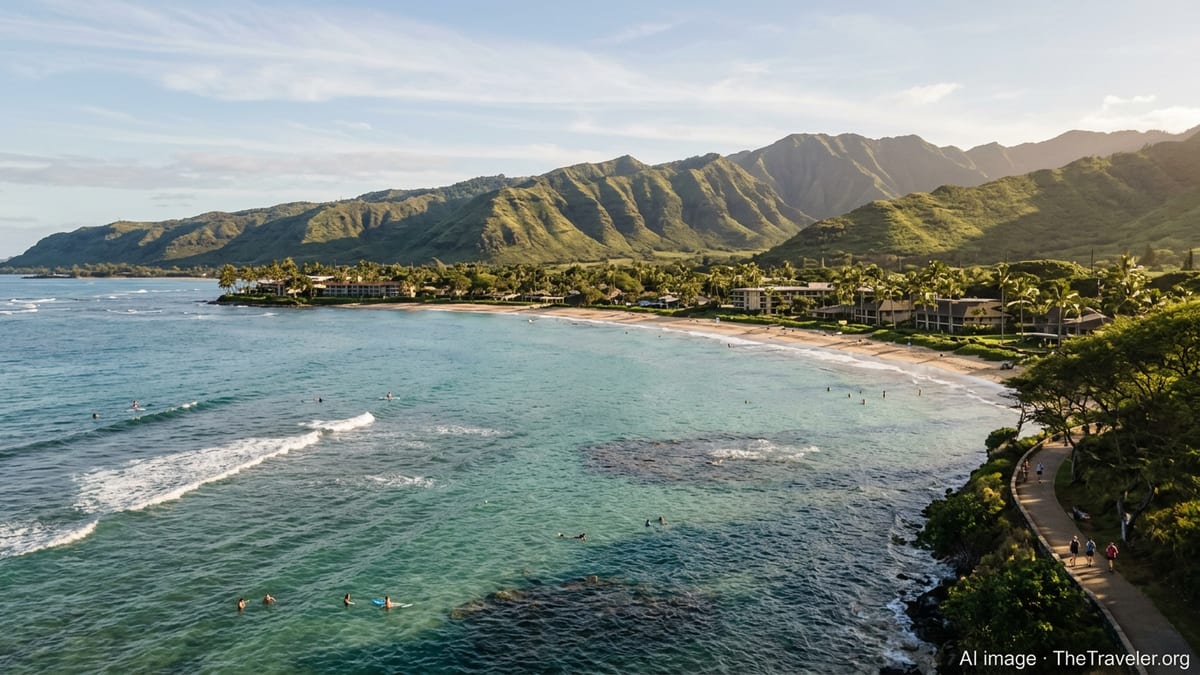
Understanding Hawaii’s Seasons for Beach Time
Hawaii sits close to the equator, so air and ocean temperatures stay warm throughout the year. Rather than four distinct seasons, the islands typically talk in terms of a dry season from about April to October and a wetter season from roughly November to March. Within that pattern, different shores on each island can feel very different on the same day, which is part of why timing your trip matters if you care about calm water or specific outdoor activities.
Daytime highs in many coastal resort areas hover in the upper 70s to mid 80s Fahrenheit most of the year, with ocean temperatures that are usually comfortable for swimming even in mid winter. The bigger differences are in rainfall, surf swells and trade winds. The dry season tends to bring sunnier days and less frequent showers, which makes it a reliable window for long beach days, boat tours and exposed hikes where you want steady blue skies.
The wetter season brings more passing showers and heavier rain on windward, or northeastern, shores. That moisture is part of what keeps the islands so green, but it can mean more cloud cover, especially in the afternoons, and muddier trails. On the other hand, this is also when large north shore swells arrive, creating the big wave conditions that have made Oahu’s North Shore famous with expert surfers and spectators.
Because temperatures change so little, there is truly no single “wrong” month to visit Hawaii for beaches and outdoor activities. Your best time depends on what kind of water conditions you want, how sensitive you are to brief showers, and whether you would rather share the sand with winter escapees or have a quieter cove in the shoulder seasons.
Best Overall Months for Beaches and Outdoor Activities
For many travelers whose priority is consistent beach weather and a mix of outdoor activities, the broad sweet spot runs from about April through early June and again from September into early November. During these shoulder periods, the weather often leans dry and warm, but visitor numbers are generally lower than in the school holiday peaks of mid summer and the winter holiday season. That can translate into more space on the sand, better availability for tours and at times slightly better value on flights and rooms.
In April and May, winter surf on north shores usually eases, while south and west shores begin seeing gentler swells that are more beginner friendly for swimming, stand up paddling and snorkeling. Trails on islands like Oahu, Maui, Kauai and Hawaii Island are often less muddy than in mid winter, which makes popular hikes to coastal lookouts, waterfalls and volcanic craters more comfortable and less slippery.
September and October often mirror the advantages of late spring. Ocean temperatures have been warmed by the summer sun, and trade winds typically keep the heat from feeling oppressive along the coasts. With most families back to school, beaches that were crowded in July can feel more relaxed, and it may be easier to secure spots on small group snorkeling cruises, guided ridge hikes and sunrise summit excursions.
These shoulder windows are particularly appealing if your idea of a perfect day mixes water and land: a calm morning snorkel, a shaded coastal walk, then a sunset swim. They offer a good compromise between the driest weather, manageable crowds and ocean conditions that suit a wide range of skill levels.
Island by Island: Timing Your Trip
Although Hawaii’s main islands share the same broad seasonal patterns, each has microclimates and local quirks that matter if your plans are heavy on beaches and outdoor excursions. On Oahu, for instance, the leeward and south shores, including famous stretches like Waikiki and family friendly bays near Ko Olina, tend to have fairly gentle surf for much of the year, making them reliable for casual swimmers almost any month. The North Shore is a different story, with powerful winter waves that draw professionals but can be unsafe for inexperienced swimmers.
Maui offers a wide choice of beach and activity combinations. The leeward west and south coasts, which include resort areas near Lahaina, Kaanapali and Kihei, are often sheltered and sunny during the dry season. That makes late spring through early fall appealing for snorkeling from the beach, learning to surf in small waves and taking boat trips out to popular offshore reefs and islets. In contrast, the east and windward side, including the Road to Hana, sees more frequent rain year round, which keeps waterfalls flowing but can lead to slippery conditions on exposed trails.
Kauai, the Garden Island, is known for its lush landscapes, but that greenery reflects relatively high rainfall in certain areas, especially in winter. The southern and western shores, including popular beach parks, usually experience a drier pattern than the north shore. For a Kauai trip focused on swimming and all day beach lounging as well as hiking coastal cliffs and canyon trails, late spring and early fall often offer a balance of sunshine, manageable surf and fewer heavy downpours.
Hawaii Island, often called the Big Island, spans a wider range of climates due to its size and volcanoes. Kona on the west side is known for abundant sunshine and relatively low rainfall, particularly from late spring through early fall, which favors snorkeling, manta ray night tours and offshore boating. The windward Hilo side and the high elevations around Hawaii Volcanoes National Park receive more rain and can feel cool, especially in winter. If your priority is time in the water along the Kona Coast, most months from May through October are favorable, while hikes around volcanic craters and lava fields can be comfortable year round if you pack layers.
Month by Month: What to Expect for Beaches
From December through February, Hawaii experiences its so called winter season. Air temperatures near the coast remain mild, but north and west facing shores often see their largest surf of the year. That is thrilling if you hope to watch experienced surfers tackle big waves from the safety of the sand, particularly on Oahu’s North Shore, but it can mean red flag conditions and strong currents that are not suitable for casual swimming or snorkeling.
March, April and May are transitional months. Winter swells gradually diminish on exposed shores, and the pattern of passing showers begins to shift. Many travelers find that late March through May combine comfortable temperatures with calmer seas on more beaches, particularly on leeward and south shores across the islands. This stretch is also popular with hikers, as many ridgeline and crater trails are less soggy than in mid winter while not yet experiencing the hotter afternoons of mid summer.
June, July and August bring long, bright days and the warmest ocean temperatures of the year. South facing shores come into their best season for small to moderate surf, which can be ideal for novice surfers and for families who want gentle waves. The trade off is that school holidays bring larger crowds, especially in late June and July, and rates for oceanfront accommodations and tours can climb. If you do visit in high summer and want quieter beach time, starting your days early or seeking out less central beach parks can make a noticeable difference.
September, October and early November return to a shoulder season feel. The ocean remains warm, many days stay mostly dry, and visitor numbers ease compared with mid summer and the winter holidays. Late November can begin to see the first more consistent north swells and occasional early winter storms, particularly on windward and north facing coasts. For visitors focused on balanced outdoor activity rather than specific surf conditions, these autumn weeks are often among the most rewarding times to explore the islands.
Planning Around Outdoor Activities Beyond the Beach
Hawaii’s weather patterns influence far more than just your time on the sand. If your ideal trip includes ridge hikes, waterfall walks or volcanic crater explorations, it helps to think about when trails are likely to be drier and when visibility is usually best. The broad dry season from April to October tends to offer clearer conditions on exposed trails, especially on leeward sides of the islands. That is particularly helpful on routes that cross loose volcanic rock or steep, eroded slopes.
On Kauai, spectacular coastal and canyon hikes are more enjoyable when rainfall has eased and the ground has had a chance to firm up. Late spring and early fall frequently provide that combination, though even then showers can move through quickly, especially in the afternoons. On Maui, the popular sunrise and sunset experiences at high elevation can feel chilly any time of year, but skies are often clearest outside of the mid winter stormier pattern, and booking these trips in advance is essential during the peak holiday windows.
On Hawaii Island, exploring Hawaii Volcanoes National Park is possible year round, but rain is more common in the park’s higher elevation forested areas during winter months. Many visitors find that planning longer hikes there between about April and October offers more reliable dry windows, while still allowing you to experience the park’s cool air and dramatic crater views. Shorter strolls to viewpoints and stops at roadside overlooks are practical in any season as long as you are prepared for quick shifts between sun and showers.
Water based adventures like snorkeling tours, wildlife watching, kayaking and stand up paddling are especially dependent on wind and swell. The calmer leeward shores typically see their steadiest conditions from late spring through early fall, which is why many operators highlight those months as optimal for visibility and comfort. In winter, trips often still run, but routes may change, and captains are more likely to adjust or cancel based on swell forecasts to keep safety first.
Crowds, Costs and School Holidays
While weather is a major factor in choosing when to visit Hawaii, crowds and prices can influence your experience just as much. Visitor numbers tend to peak in three broad windows: late December through early January, when many travelers arrive for the holidays; mid June through August, aligned with school summer vacations; and some spring break weeks in March. During these periods, you can expect fuller flights, busier beaches, more competition for rental cars and restaurant reservations, and higher average nightly rates at many beachfront properties.
If your schedule is flexible and you value space on the sand and lower trip costs, targeting the shoulder periods around these peaks can pay off. April, early May, late August, September and early November often bring fewer visitors while still offering appealing beach weather on most islands. Booking far ahead is still wise for popular small group tours and in demand hikes that require permits, but you may find more options and a calmer pace overall.
Travelers with school age children may have tighter windows to work with, and that is where choosing specific parts of a busy season can help. For example, early June before some districts break up for summer, or the first half of December before the major holiday rush, often feel slightly less crowded than the absolute peak weeks. Similarly, visiting in late March or early April outside of the major spring break weeks in your region can help you sidestep the busiest days while still enjoying favorable conditions.
No matter when you visit, planning your days with crowd patterns in mind can enhance your time outdoors. Early starts are rewarded with more parking at trailheads, less midday heat on exposed paths and quieter beaches. Late afternoon and early evening can be beautiful for walks and swims once day trip crowds thin and the sun softens toward the horizon.
Weather Risks and Safety Considerations
Hawaii’s generally gentle climate can make it easy to underestimate natural hazards, especially in and around the ocean. Swell size and direction change by season and by shore, and conditions that look manageable from a beach chair can hide strong currents, especially during the winter surf season on north and west facing coasts. Winter months, from roughly November through March, often bring the largest and most powerful waves to these shores, which is why many locals and safety officials advise inexperienced swimmers and families with small children to favor more sheltered beaches during that period.
On windward shores, heavier rainfall in the wetter season can cause streams to rise quickly and can turn seemingly moderate waterfall hikes into slippery, exposed routes. Rockfalls and flash floods are real risks in narrow valleys and near stream crossings. Even on popular, well marked trails, footwear with good grip is important, and flexibility in your plans helps if authorities close certain routes after heavy rain.
In the dry season, the main considerations shift. Intense midday sun and reflective sand can lead to sunburn and dehydration faster than many visitors expect, particularly during long snorkel sessions or ridge walks with little shade. Carrying more water than you think you need, planning breaks in shaded areas and respecting local guidance and signage are simple steps that make every outdoor activity more enjoyable and safer.
Across all seasons, paying close attention to local lifeguard advice, posted warnings and county or state alerts about park and trail conditions is essential. Hawaii’s outdoor environments are spectacular, but they are also dynamic. A trip planned for a generally favorable month, like late spring or early fall, still benefits from day by day decisions that prioritize safety and respect for local conditions.
The Takeaway
Choosing when to visit Hawaii for beaches and outdoor activities is less about finding a single perfect week and more about matching the islands’ seasonal rhythms to your own travel style. If you want consistently sunny days, calmer seas on many popular beaches and a balance between lively and relaxed, the shoulder seasons of late spring and early fall often deliver a particularly rewarding mix.
Winter rewards visitors who are drawn to dramatic surf and cooler hiking weather, at the cost of more frequent showers and rougher water on exposed shores. Summer offers the warmest ocean temperatures and reliably bright beach days but also brings the highest family crowds and peak prices. Every season has its trade offs, and understanding them lets you decide whether you care more about surf spectating, quiet snorkeling coves, trail conditions or festival energy.
With realistic expectations and a flexible approach, almost any month can be the right time for Hawaii. Focusing on leeward coastlines in the wetter months, favoring early starts in high summer and building rest days into your itinerary can help you enjoy the islands’ beaches, trails and coastal viewpoints in comfort. In the end, your best time to visit is the one that gives you the freedom to linger by the water, explore with curiosity and return home feeling that you caught Hawaii at a rhythm that suited you.
FAQ
Q1. What is the best month overall to visit Hawaii for beaches and outdoor activities?
There is no single perfect month, but many travelers find late April through May and September through early November offer a strong blend of warm weather, manageable crowds, generally calm ocean conditions on many leeward shores and good hiking conditions.
Q2. Is winter a bad time to visit Hawaii for the beach?
Winter in Hawaii still brings warm air and water temperatures, and many beaches remain pleasant. However, north and some west facing shores often see large surf and stronger currents, which can limit safe swimming and snorkeling in those specific areas, especially for beginners.
Q3. When is the ocean warmest in Hawaii?
Ocean temperatures are usually comfortably swimmable year round, but they tend to be warmest from late summer into early fall, roughly August through October, after months of stronger sun have gradually warmed surface waters.
Q4. Which season is best for hiking in Hawaii?
Hiking is possible year round, but many visitors prefer the drier months from about April to October, when trails on leeward sides are less muddy and exposed ridges and crater routes are less likely to be affected by frequent showers or low clouds.
Q5. When is Hawaii least crowded but still good for the beach?
Shoulder periods such as late April, early May, late August, September and early November often see fewer visitors than major holiday weeks while still offering plenty of sunshine and comfortable ocean conditions on many popular beaches.
Q6. Are summer months too hot for outdoor activities in Hawaii?
Summer brings warmer air and sea temperatures, but coastal breezes usually keep conditions comfortable for most travelers. Activities are still enjoyable if you plan hikes and long walks earlier in the morning or later in the afternoon and take sensible precautions with sun protection and hydration.
Q7. What is the best time to visit if I want to surf?
If you are an experienced surfer seeking big waves, the winter months from about November to February on north and some west facing shores are typically best. Beginners usually prefer the gentler conditions and smaller swells that are more common on many south and leeward shores from late spring through early fall.
Q8. How should I plan around rain if I visit in the wetter season?
In the wetter months, focusing your stay on leeward coasts, which are generally drier, and scheduling more exposed hikes or boat trips earlier in the day can help. Passing showers are common, so flexible plans, light rain gear and checking daily local forecasts and advisories are useful habits.
Q9. Is it necessary to book outdoor tours far in advance?
During peak times such as late December to early January and mid June through August, booking popular outdoor tours, boat trips and guided hikes well in advance is strongly recommended. In shoulder seasons you may have more flexibility, but limited capacity experiences can still fill up, so earlier reservations are wise.
Q10. Can I swim safely at any beach year round?
No. Conditions vary widely by shore, season and even hour to hour. Some beaches may be calm in summer and hazardous in winter. Always respect posted warnings, consult lifeguards where available and choose locations that match your swimming ability and the current conditions.