

Portugal offers a rare mix of golden Atlantic beaches, characterful cities and relatively mild weather, but the experience changes dramatically with the seasons. Choosing when to go can mean the difference between cool dips in near-empty coves and jostling for towel space on busy sands, or between breezy, crowd-free city strolls and queuing under a hot summer sun. Understanding how Portugal’s climate, crowds and prices shift through the year will help you time your visit for exactly the kind of beach and city break you have in mind.
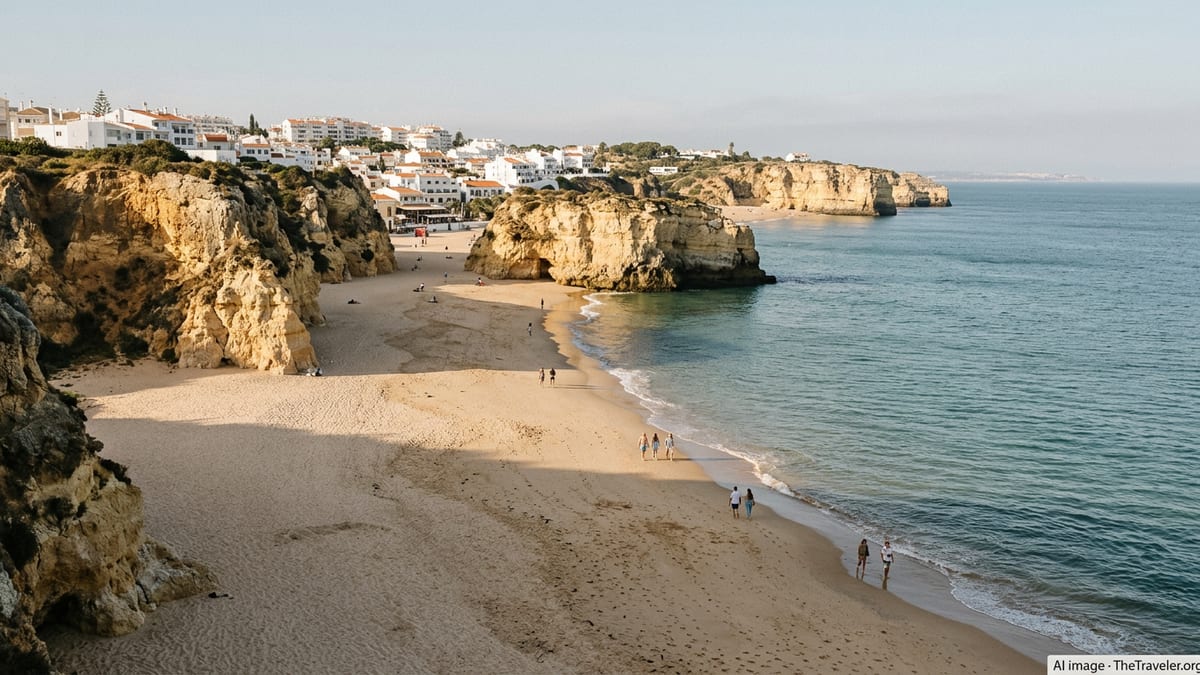
Understanding Portugal’s Seasons for Travel
Portugal has a broadly Mediterranean climate shaped by the Atlantic. Summers are typically warm and dry, especially in the Algarve, while winters are mild but wetter, particularly in the north. The south, including the Algarve and much of the Alentejo coast, is usually the warmest and sunniest part of the mainland. Lisbon and the central coast stay relatively mild year-round, with breezes that can make summer heat more comfortable for city walking.
For beaches, the main constraint is not only air temperature but also the Atlantic itself. Around the Algarve, average sea temperatures hover near 16 degrees Celsius in winter and rise to roughly 21 to 23 degrees in late summer, with the warmest waters typically from July through September. On the Lisbon and northern coasts, the sea tends to be a little cooler, so many visitors find peak summer and early autumn best for comfortable swimming.
For cities such as Lisbon and Porto, slightly cooler months are often preferable. Spring and autumn generally bring warm days, cooler evenings and lower rainfall than winter, without the intense heat and heavier crowds of high summer. Many recent guides suggest the overall sweet spots for city-focused trips are April to June and September to October, while June to September is strongest for dedicated beach holidays, especially in the Algarve.
Beyond weather, seasonality affects pricing and atmosphere. July and August are high season, when flights and hotels are most expensive and coastal towns are at their busiest. The shoulder seasons of April to early June and September to October often balance good weather, fewer crowds and more competitive room rates, while winter brings the best deals but more rain and cooler conditions.
Best Months for Beach Time in the Algarve
The Algarve, stretching across Portugal’s southern coast, is the country’s premier beach region. It enjoys long, dry summers, abundant sunshine and relatively warm sea temperatures compared with the rest of the Atlantic coast. By late spring, days are often warm enough to sunbathe comfortably, although many visitors still find the water brisk until early summer. From June to August, daytime highs commonly reach the high twenties Celsius, with very little rainfall and long, sunny days.
Sea temperatures in the Algarve typically climb from averages around 16 to 18 degrees Celsius in spring to about 19 to 23 degrees in summer, staying close to 20 degrees into early autumn. For most casual swimmers, late June through September is the most comfortable period for long swims, with August and early September offering the warmest water. The east Algarve, around Tavira and Monte Gordo, often feels a touch warmer and more sheltered than the western stretches exposed to Atlantic swells.
High summer brings a lively atmosphere along the coast. Resorts such as Albufeira, Lagos and Portimão fill with holidaymakers, beach bars and festivals. This is also when you will find the most boat tours, water sports and nightlife. The trade-off is crowding and higher prices. Accommodation in popular beach towns can book out well in advance for July and August, and you may need to head to quieter stretches or smaller villages to find more space on the sand.
If you prefer warm beach weather without peak-season intensity, consider early June or the month of September. These periods usually retain excellent beach conditions, with many days reaching mid-twenties Celsius or more and plenty of sunshine, while crowds begin to thin and prices can soften slightly compared with the peak school-holiday weeks.
Combining Beaches with Lisbon and the Central Coast
Lisbon offers a rare combination of an atmospheric European capital and easy access to beaches. The city itself enjoys mild, breezy weather for much of the year. Spring and autumn are especially appealing for sightseeing, with many travel sources highlighting April to June and September to October as the most comfortable months for city walking, café-hopping and exploring hills and viewpoints without intense heat. Summer can be hot, especially in August, but Atlantic breezes often moderate the temperature somewhat.
For swimming and sunbathing near Lisbon, coastal towns such as Cascais, Estoril and the beaches west of the city are convenient options. Sea temperatures off Lisbon generally lag a little behind those of the Algarve, with typical winter averages in the mid-teens Celsius and modest warming into summer. Many visitors find June to September the most practical months for beach days here, accepting that the water may still feel refreshing rather than truly warm. On hot days, this cooler Atlantic edge can be welcome after sightseeing.
Timing a combined Lisbon and beach trip depends on your priorities. If you want the city at its most pleasant, with comfortable temperatures and lighter crowds, late April, May or October can work very well, and you may still enjoy sunny days by the sea, even if the water is cooler. If swimming and guaranteed beach heat matter more, aim for late June, July, August or early September, and plan to sightsee in the mornings and evenings while devoting the middle of the day to the coast.
Remember that Lisbon’s coastal microclimate can bring breezy or foggy mornings, especially in summer. Packing layers, including a light jacket or sweater, will help you adapt as conditions shift from cool sea breezes to strong afternoon sun during a single day of moving between city viewpoints and oceanfront promenades.
Porto, the North and Cooler Atlantic Beaches
While most beach-focused itineraries gravitate toward the Algarve or the Lisbon coast, northern Portugal also offers striking Atlantic beaches, often backed by dunes and pine forests. Around Porto and the Minho region, the climate is cooler and wetter than in the south. Winters can feel damp, with more frequent rain and cooler air and sea temperatures, while summer still brings warm, often sunny conditions suitable for beach days.
For beach and city combinations in the north, July and August are the safest bets for reliably warm weather. Daytime highs often reach the mid-twenties Celsius, and there are many clear days. However, the Atlantic remains cooler than in the Algarve, so the water can feel brisk even at the height of summer. Many locals and visitors enjoy these beaches for surfing, long walks and relaxed afternoons by the shore, even if they spend less time in the water than they might further south.
For Porto city sightseeing, the shoulder months are again appealing. Late spring and early autumn usually bring comfortable temperatures, lower rainfall than winter and more moderate visitor numbers. You can combine riverfront walks and Port wine cellars with day trips to nearby beaches, accepting that in May or October you may be more likely to stroll along the sand than to swim for long periods.
If you are especially sensitive to cooler weather, it may be better to schedule a northern Portugal beach component as an add-on to a southern trip, using the warmer Algarve as your main swimming destination and enjoying Porto’s coastal areas more for their scenery and ambiance than for traditional sun-and-swim holidays outside peak summer.
Month-by-Month: Matching Weather, Crowds and Costs
January and February are the heart of winter. In much of Portugal, daytime highs remain relatively mild, often in the low to mid-teens Celsius, but rain is more frequent, especially in the north and central regions. The Algarve tends to be brighter and drier than the rest of the country, with occasional sunny days that feel pleasant in the sun yet too cool for typical beach swimming. These months are ideal for budget-conscious travelers who prioritise quiet streets, lower hotel prices and city museums over beach time.
March and April mark early spring. Days get longer, landscapes turn green and wildflowers appear, particularly in southern and interior regions. Temperatures generally climb into the mid to high teens Celsius and sometimes beyond, though showers remain possible. For city trips to Lisbon or Porto, mid to late spring can be rewarding: crowds are still smaller than in summer and outdoor terraces begin to fill. On the Algarve, you may enjoy the first tentative beach days in sheltered spots, but the Atlantic is still cool and consistent swimming is better reserved for later in the year.
May and June offer some of the best compromises across Portugal. By May, many coastal areas see warm, sunny days suitable for beach lounging, especially in the Algarve, while sea temperatures begin to rise. By June, the Algarve often experiences hot, dry weather with long sunny stretches, and Lisbon typically enjoys comfortable warmth. Several recent travel overviews point to late May or mid-June as excellent moments when you can combine enjoyable city exploration with the start of dependable beach weather, before the highest summer crowds and prices arrive.
July and August bring peak summer. Expect hot, dry conditions in the Algarve and much of the interior, with coastal breezes moderating temperatures slightly along Lisbon’s shores. This is the prime time for classic seaside holidays: nearly every day in the Algarve is suitable for the beach, and sea temperatures reach their annual peak. It is also when coastal towns are busiest, with school holidays, festivals and international visitors converging. Prices for flights and accommodation usually reach their annual highs, and advance booking is essential, particularly if you want specific hotels or apartment rentals near the water.
September and October are often considered ideal by repeat visitors who can travel outside school holidays. In early September, the sea remains warm from the summer heat, while air temperatures ease into more comfortable ranges for both beach lounging and city sightseeing. Many tourism analyses highlight September, and to a lesser extent early October, as standout months for the Algarve, with warm days, fewer crowds than August and a slightly calmer pace. By late October, evenings cool and the chance of rain increases, but in many years there are still stretches of beach-friendly weather, especially in the south.
November and December shift the emphasis firmly back to cities and landscapes rather than beaches. Rainfall rises, particularly in the north, and the Atlantic cools, but the Algarve can still feel relatively mild, with pleasant daytime walks by the sea. In Lisbon and Porto, these months bring a more local rhythm, with cultural events, cafés and restaurants more focused on residents. For travellers interested in food, wine and museums rather than swimming, late autumn and early winter can deliver good value, provided you pack layers and are flexible about weather.
Tailoring Your Trip: Different Traveler Types
If your priority is classic beach relaxation with the highest chance of warm, sunny days and comfortable sea temperatures, plan for late June through September, with a particular focus on July, August and early September in the Algarve. Accept higher prices and busier resorts as the trade-off for near-guaranteed beach weather. Families tied to school holidays often find this the most practical window, especially if they choose accommodations with pools so that swimming remains enjoyable regardless of Atlantic water temperatures.
City lovers who still want some time by the sea are often best served by April to June and September to October. During these months, you can enjoy Lisbon’s viewpoints, Porto’s riverside neighbourhoods and smaller cities such as Coimbra or Évora in pleasantly warm conditions. Day trips to nearby beaches are easy to arrange, particularly from Lisbon to Cascais or Costa da Caparica. Even if the water is brisk in April or October, the combination of coastal walks and cultural exploration can feel well balanced.
Active travelers interested in hiking, cycling or road trips along the coast may find spring and autumn particularly rewarding. In the Algarve, many walking trails and coastal paths are more comfortable outside the hottest weeks of summer. Several recent guides single out April to May and mid-September to October as prime times for outdoor adventures in the south, when temperatures are warm but not extreme and the countryside still holds colour. Similar logic applies to the wild Alentejo and Vicentine Coast, where rugged cliffs and wide beaches feel especially atmospheric in the softer light of shoulder seasons.
Budget-conscious visitors will likely gravitate toward winter and the fringes of shoulder seasons. From November through March, you can often secure significantly lower room rates, especially outside major holiday periods and New Year celebrations. While you should expect more rain and cooler days, particularly in the north, southern Portugal frequently offers bright, clear spells that are perfectly pleasant for city exploring and coastal walks, if not for swimming. For many travellers, trading beach time for cultural depth and quieter streets is a worthwhile exchange.
The Takeaway
Portugal is remarkably versatile as a destination, but the best time to visit depends heavily on whether you picture yourself stretched out on a sun-warmed beach, wandering historic city streets or aiming for a bit of both. For pure beach holidays, late June through September, particularly in the Algarve, provides the strongest combination of sunshine, warmth and sea temperatures, albeit with higher prices and busier resorts. For city-focused itineraries in Lisbon, Porto and beyond, spring and autumn typically deliver the most comfortable mix of mild weather and manageable crowds, with the added option of cooler but still pleasant day trips to the coast.
Shoulder seasons such as May, June, September and early October often stand out for travellers seeking balance. During these months you can move between tiled alleyways and sand-backed coves in a single day, without battling either winter showers or peak-season queues. Winter and late autumn, meanwhile, reward those more interested in local rhythm, food and culture than swimming, with lower costs and fewer visitors offsetting the less predictable weather.
Ultimately, timing your trip to Portugal is about matching its seasonal personality to your own priorities. Decide whether warm water, quiet museums, vibrant festivals or value matter most to you, then use the seasonal patterns as a guide rather than rigid rules. With thoughtful planning and realistic expectations about conditions, you can enjoy beaches and cities at almost any time of year, each season revealing a different side of Portugal’s coastal and urban charm.
FAQ
Q1. What is the best month to visit Portugal if I want both beaches and cities?
Many travellers find June or September ideal, offering warm beach weather in the Algarve and comfortable conditions for city sightseeing in Lisbon or Porto.
Q2. When is the sea warmest in Portugal?
The Atlantic around mainland Portugal is generally warmest from late July through September, with the Algarve seeing average sea temperatures around the low twenties Celsius.
Q3. Can I swim in Portugal in May?
Yes, but expect cooler water. In the Algarve, May often brings warm, sunny days suitable for the beach, though many people find the sea still on the brisk side.
Q4. Is August too hot for city sightseeing in Lisbon and Porto?
August can feel hot, particularly in the afternoons, but Atlantic breezes help. Plan sightseeing early and late in the day and use midday for rest or coastal excursions.
Q5. Are winter visits to Portugal worth it without beach time?
Winter can be rewarding for culture and value, with quieter cities and lower prices. You may trade swimming for museums, cafés and coastal walks in mild but changeable weather.
Q6. Which region is best for beaches in spring?
The Algarve is usually the best bet in spring, with more sunshine and warmer air than the north, although sea temperatures remain relatively cool until early summer.
Q7. How busy are Portuguese beaches in July and August?
July and August are the peak holiday months, especially in the Algarve. Expect crowded popular beaches, higher prices and the need to book accommodation well in advance.
Q8. When is the cheapest time to visit Portugal for a beach and city break?
Late autumn and winter, particularly November to March, often offer the lowest prices. Shoulder months such as March and November can also balance value with reasonable weather.
Q9. Is September still good for swimming in Portugal?
Yes. In many years, September combines warm air and sea temperatures, especially in the Algarve, with fewer crowds than August, making it a favourite month for repeat visitors.
Q10. Should I worry about rain ruining my trip?
Rain is most common from November to March, particularly in the north, but showers are often intermittent. In spring and autumn, you may see occasional rain mixed with many dry, pleasant days.